
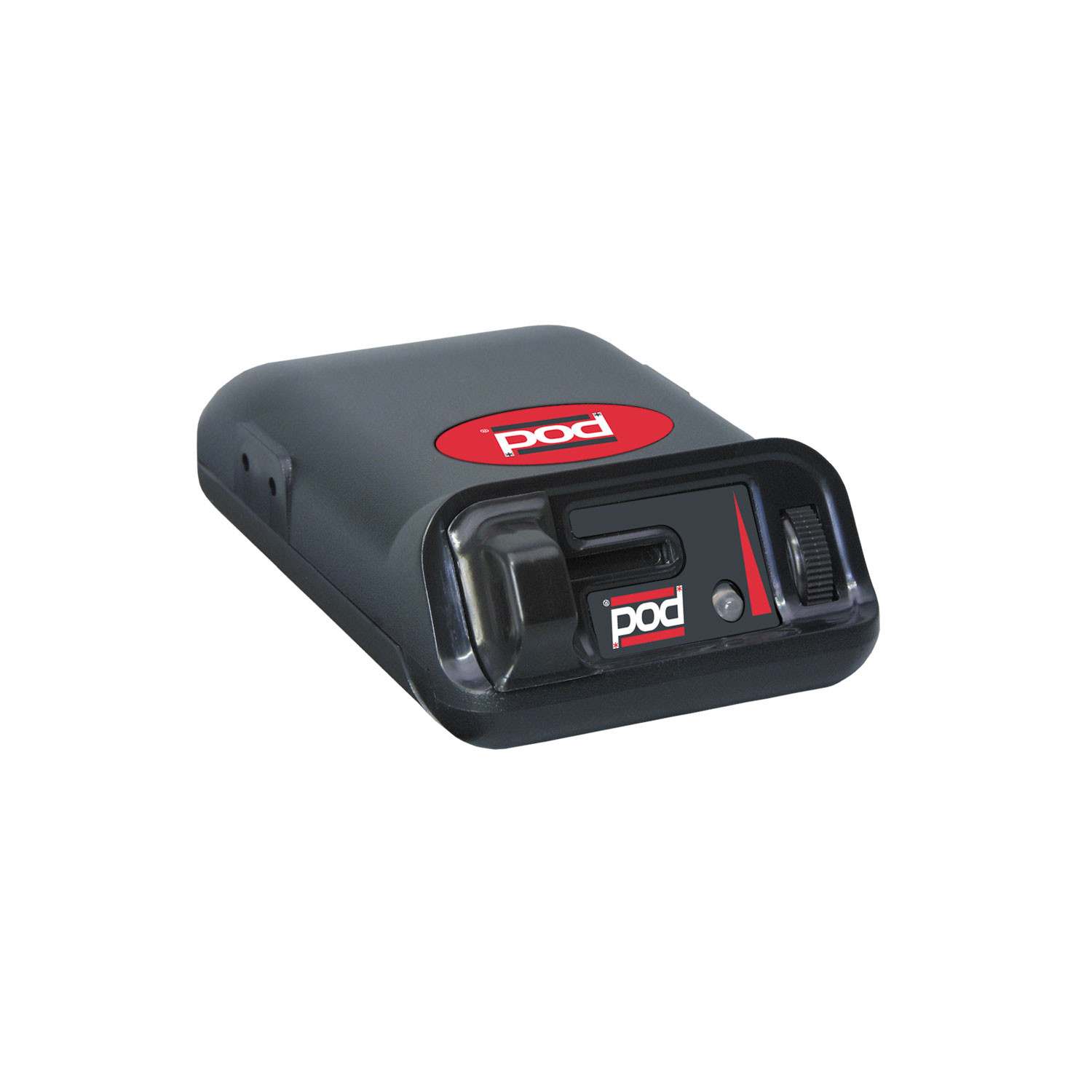
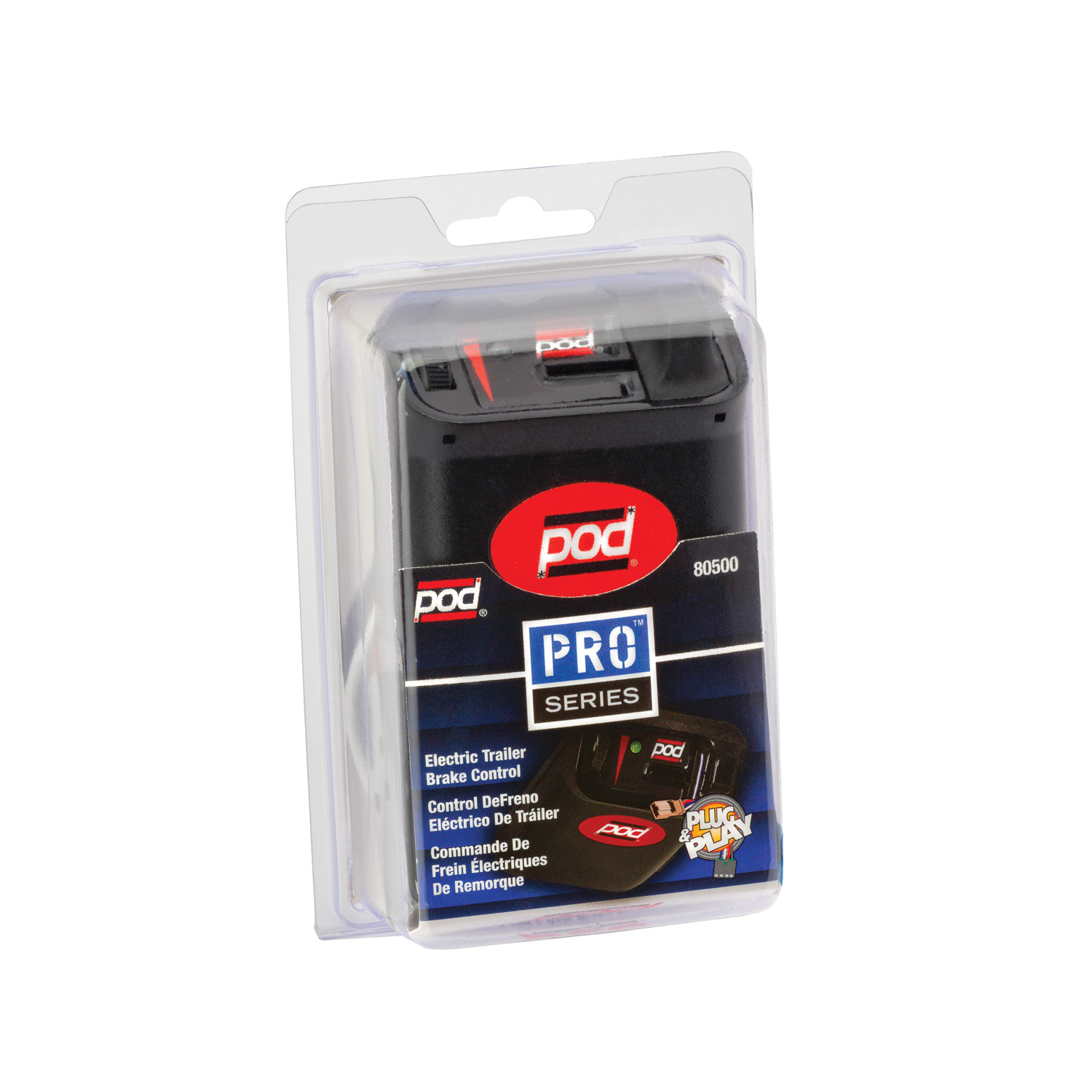
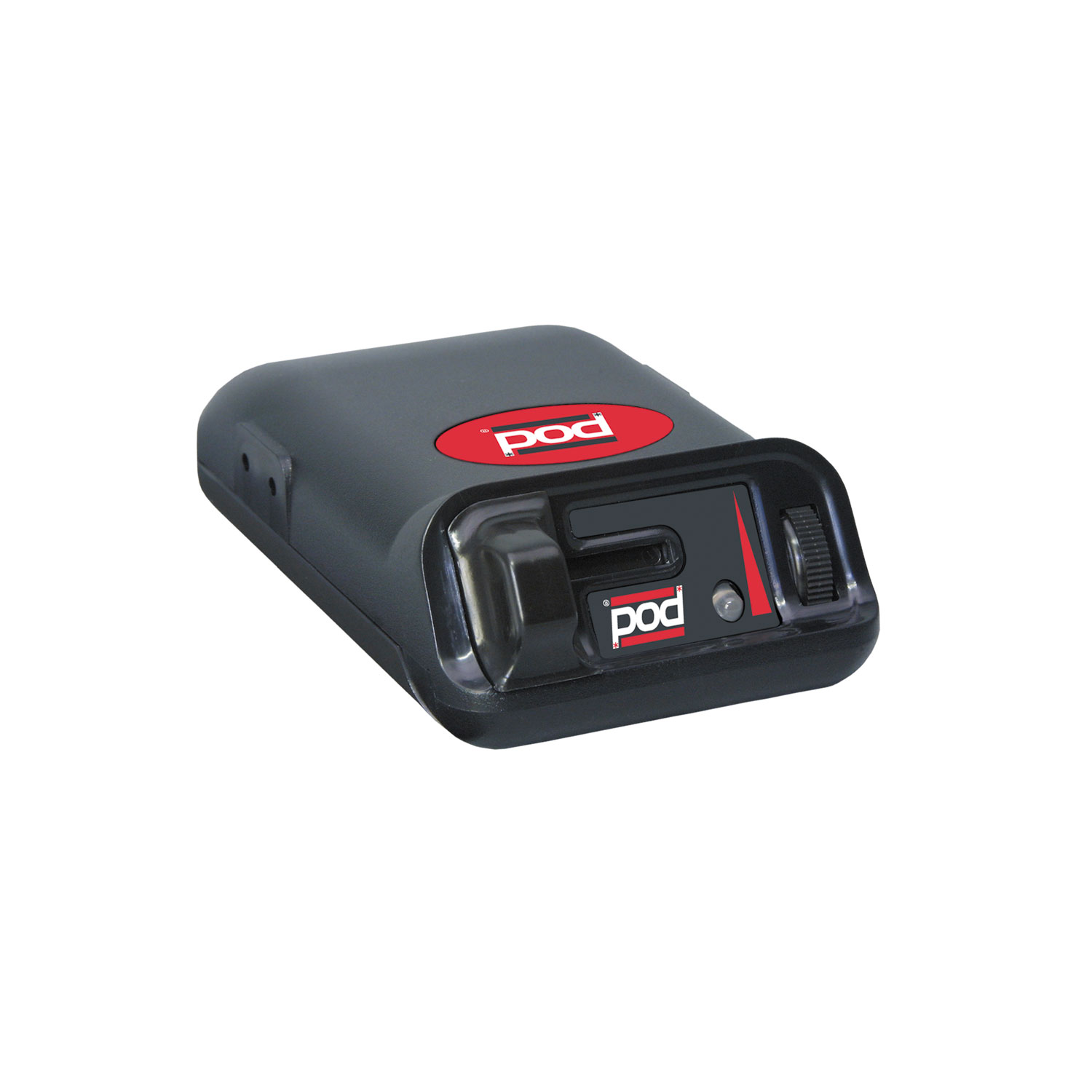
2021-2026 Ford Bronco POD Trailer Time?Delay Brake Controller for Trailers with 1?2 Axles 80500Tekonsha$106.05Out of Stock
View productOur in-house experts typically reply within one business day.

Tekonsha
Verify Fitment
Select your vehicle to confirm this part fits.
2009 - 2026 Ford F-150
Confirmed to Fit



Always the correct part
We know our products
Quality Products
Free Shipping!
Always the correct part
We know our products
Quality Products
Free Shipping!

The Pro Series Pilot trailer brake controller is a great option for those who tow light loads at all hours of the day and night, in all types of weather. Its dark, smokey lens makes it ideal for direct light applications, creating optimum visibility to read the large, two-digit display. The Pilot brake controller kit is a time-based controller that works by electronically connecting your vehicle and your trailer. When you hit the brakes in your tow vehicle, it generates an output signal that ramps up, or increases over a period of time, applying braking power to your trailer at a fixed rate. Its large, easy-to-read dual digit display shows power output and the aggressiveness with which the controller applies the brakes. The Pilot also has manual override to help you brake safely when an unexpected stop pops up. It features advanced internal circuit protection, real time diagnostics, short circuit protection, and loss of ground. Because the Pilot is time-based, it can be mounted in any direction. Plus, the Plug Play feature allows for quick and easy connection with your vehicle?s wiring. The Pilot trailer brake controller works with 1-3 axle trailers, comes with all the mounting hardware needed for installation, and is backed by a limited 1-year warranty.
| BRAND: | TEKONSHA |
| PART NUMBER: | 80500 |
| WARRANTY: | Limited 5 Year Warranty |
| WEIGHT: | 0.6 LBS |
| MATERIAL: | PLASTIC |
| BRAKE CONTROL TYPE: | TIMED |
| TRAILER BRAKE WHEEL QUANTITY: | UP TO FOUR WHEELS |
| BRAKE TYPE: | ELECTRIC |
| DISPLAY TYPE: | LED OUTPUT |
| HYDRAULIC CONNECTIONS: | NO |
| SOLID STATE CONSTRUCTION: | YES |
| CIRCUIT BREAKER PROTECTED: | NO |
| HOUSING COLOR: | BLACK |
| BRACKET INCLUDED: | YES |

Tekonsha is a leading manufacturer of electronic trailer brake controllers, pioneering the category in the 1970s. The lineup spans proportional units such as the Prodigy P3 and Prodigy iD, time-delayed controllers, the wireless Prodigy RF, plus vehicle-specific wiring harnesses, adapters and trailer brake components engineered for smooth, predictable stopping at any speed.
Tekonsha Engineering Company began in 1964 building RV steps and mirrors. Within a few years it had found its real calling, and by the 1970s Tekonsha was pioneering the manufacture of electronic trailer brake controllers, the product category that still defines the brand. More than half a century later it remains the reference name in trailer braking and is part of the Horizon Global group alongside Reese, Draw-Tite, Fulton, Bulldog and Wesbar.
A brake controller is the component that tells a trailer's electric brakes how hard to work and when, and getting that right is the difference between a controlled stop and a shove from behind. Tekonsha builds both major types. Proportional controllers use an internal accelerometer to sense how quickly the tow vehicle is slowing and apply trailer braking to match, so light braking stays light and hard braking is immediate. Time-delayed controllers ramp to a preset output over a fixed interval, a simpler and more economical approach that suits occasional towing.
The current brake controller range covers most of that ground. The Prodigy iD pairs with a phone through Tekonsha's EDGE technology for setup and monitoring, the P3 offers storable settings for multiple trailers and a trilingual colour LED display, the Prodigy P2 adds a dimmable display and boost mode for heavier loads, and the Voyager keeps operation simple and dependable. The Prodigy RF mounts to the trailer itself and controls wirelessly, which suits rental fleets and drivers who swap tow vehicles.
Installation is supported by vehicle-specific brake control harnesses that plug into a factory connector rather than requiring cut-and-splice wiring, along with mounting brackets and adapters. Matched controller bundles pair a unit with the correct harness. Products are tested to meet and often exceed published industry standards.
Experts available to answer your questions
Call 888-634-94941 Year
1 compatible vehicles
| Year | Make & Model | Notes |
|---|---|---|
| 2009 - 2026 | Ford F-150 | — |
The 2009-2026 Ford F-150 POD Trailer Time?Delay Brake Controller for Trailers with 1?2 Axles 80500 (Part #80500 70297) fits the following vehicles: 2009-2026 Ford F-150. Always verify your specific year, make, and model before ordering.
The 2009-2026 Ford F-150 POD Trailer Time?Delay Brake Controller for Trailers with 1?2 Axles 80500 (Part #80500 70297) fits 2009-2026 Ford F-150 models. The 2026 model year is the last year covered by this part number. For newer models, check for an updated version.
Yes, the 2009-2026 Ford F-150 POD Trailer Time?Delay Brake Controller for Trailers with 1?2 Axles 80500 (Part #80500 70297) is designed to fit the 2009-2026 Ford F-150.
The 2009-2026 Ford F-150 POD Trailer Time?Delay Brake Controller for Trailers with 1?2 Axles 80500 (Part #80500 70297) Refer to the included instructions for installation details. Basic hand tools are typically all you need.
The 22292-037 is a wiring adapter that connects a vehicle's factory electric brake control harness to an aftermarket electric trailer brake controller. It allows you to install a new brake controller by adapting the existing vehicle wiring without requiring complete rewiring. The adapter contains male terminals and connects three circuits: trailer brake controller output, fused battery feed, and vehicle stop lamp switch input to the brake controller.
The adapter is designed for vehicles with a factory instrument cluster finish panel in the center of the dash on the driver side and an electric brake control harness. It works on vehicles both with and without an OEM trailer tow package. However, vehicles without an OEM trailer tow package may require additional fuses and relays (sold separately) to complete the output and battery feed circuits. Consult your vehicle's owner's manual for specific compatibility and fuse/relay locations.
Yes. If your vehicle is equipped with a factory brake controller, the adapter can be used to replace it. You will locate the large grey housing matching the adapter's mating connector, which will be plugged into the back of the factory unit. You may need to unplug additional harnesses to access it. Note that disconnecting the factory brake control will display a fault code on your vehicle's message center dash display.
The manual does not specify whether battery disconnection is required. However, the first step requires that the vehicle be off with keys removed from the ignition. Consult the electric brake control manufacturer's instructions and your vehicle's owner's manual for battery disconnection requirements before beginning installation.
The manual specifies that you will need a flashlight to locate the routing path for the adapter to exit the bottom of the dash. A socket or wrench will be needed to remove the two bolts exposed when the instrument cluster finish panel is removed (if using Option 1). Safety glasses are required. The manual does not specify other tools; consult the electric brake control manufacturer's instructions for any additional tools needed to complete the full installation.
The manual does not specify whether professional installation is required. It provides step-by-step instructions for a DIY installation, but the final step directs you to complete installation per the electric brake control manufacturer's instructions and perform test procedures as instructed. If you are not comfortable working inside your vehicle's dashboard or with electrical connections, consult a professional installer.
Make sure the vehicle is off with the keys removed from the ignition. This is a critical safety step before beginning any work on the vehicle's electrical system.
Locate the instrument cluster finish panel in the center of the dash on the driver side. Pry the panel out and away from the dash carefully to avoid damaging the trim or panel. Unplug the housings attaching the panel, being careful not to damage the locking tabs, and set the panel aside.
Option 1 applies to vehicles without a factory brake controller: locate and remove two bolts exposed after removing the instrument cluster finish panel, remove the bin, and unplug the grey connector from the back of the bin. Option 2 applies to vehicles equipped with a factory brake controller: locate the large grey housing matching the adapter's mating connector (plugged into the back of the factory unit), and unplug additional harnesses if needed to access it.
Plug the brake control adapter into the vehicle's electric brake control harness connector. The adapter's male terminals will mate with the vehicle's female connector.
Locate a routing path for the adapter to exit the bottom of the dash. Use a flashlight to shine light up through the bottom of the dash to locate a hole to exit the dash. This will allow you to route the adapter wires to the new brake controller mounted below the dashboard.
Complete the installation per the electric brake control manufacturer's instructions and mount the unit as directed. Perform test procedures as instructed by the brake controller manufacturer. After the brake controller is installed, plug in all connectors that were not used back into the original housings and snap the access panel back into place.
The adapter connects three circuits: (1) Trailer Brake Controller (Output) – the signal from the new brake controller to the trailer brakes; (2) Fused Trailer Brake Controller Battery Feed – power from the vehicle battery to the brake controller; and (3) Vehicle Stop Lamp Switch to Brake Controller (Input) – the signal from the vehicle's brake lights to the brake controller. The adapter also includes a ground connection.
Yes. Vehicles not equipped with an OEM trailer tow package may require fuses and relays to complete the output and battery feed circuits. These are sold separately. Consult your vehicle's owner's manual for the locations of fuse and relay panels and the specific amperage and type needed for your installation.
The adapter is rated for a maximum of 3 axles with 6 brakes at 18 amps. Do not exceed this rating. Additionally, do not exceed the lower of your towing manufacturer's rating or this 18 amp maximum. Overloading the circuit can cause fires. Consult your vehicle's owner's manual and the brake controller instruction sheet for additional information.
Wear safety glasses during installation. Read and follow all vehicle warnings and installation instructions before beginning. Be careful not to damage the instrument cluster trim or panel when removing it. Do not damage the locking tabs on the connectors. Make sure the vehicle is off with keys removed before starting work. Follow all safety precautions outlined in your vehicle's owner's manual.
After the brake controller is installed, verify that all connectors that were not used have been plugged back into the original housings and that the instrument cluster access panel has been snapped back into place. Perform all test procedures as instructed by the electric brake control manufacturer to ensure proper operation of the brake controller and all wiring connections.
Yes. When disconnecting the factory installed brake control, you will get a fault code displayed on the message center of the dash. This is normal and expected when replacing a factory brake controller with an aftermarket one using the 22292-037 adapter.
The adapter works on vehicles with a factory instrument cluster finish panel in the center of the driver-side dash and an electric brake control harness. It fits vehicles with or without an OEM trailer tow package. Vehicles without an OEM package may need additional fuses and relays (sold separately). Consult your vehicle's owner's manual to confirm compatibility.
You will need a flashlight, safety glasses, and a socket or wrench to remove two bolts from the instrument cluster area (if your vehicle does not have a factory brake controller). The electric brake control manufacturer may require additional tools; consult their instructions.
The manual requires the vehicle to be off with keys removed but does not specify battery disconnection. Consult the electric brake control manufacturer's instructions and your vehicle's owner's manual for battery disconnection requirements.
The adapter is rated for a maximum of 3 axles, 6 brakes, 18 amps. Do not exceed this or your towing manufacturer's rating, whichever is lower. Overloading can cause fires.
Yes, vehicles without an OEM trailer tow package may require additional fuses and relays (sold separately) to complete the output and battery feed circuits. Consult your vehicle's owner's manual for locations and specifications.
Yes, a fault code will appear on your vehicle's message center when the factory brake controller is disconnected. This is normal when replacing it with an aftermarket controller using the 22292-037 adapter.
Free Shipping
Ships free on all orders
 Authorized Dealer


FREE ShippingFREE SHIPPING
Estimated delivery Wed, Aug 12 - Sat, Aug 15
Order before 2 PM EST Monday–Friday for same-day processing
Guaranteed safe & secure checkout
No reviews have been added for this product.