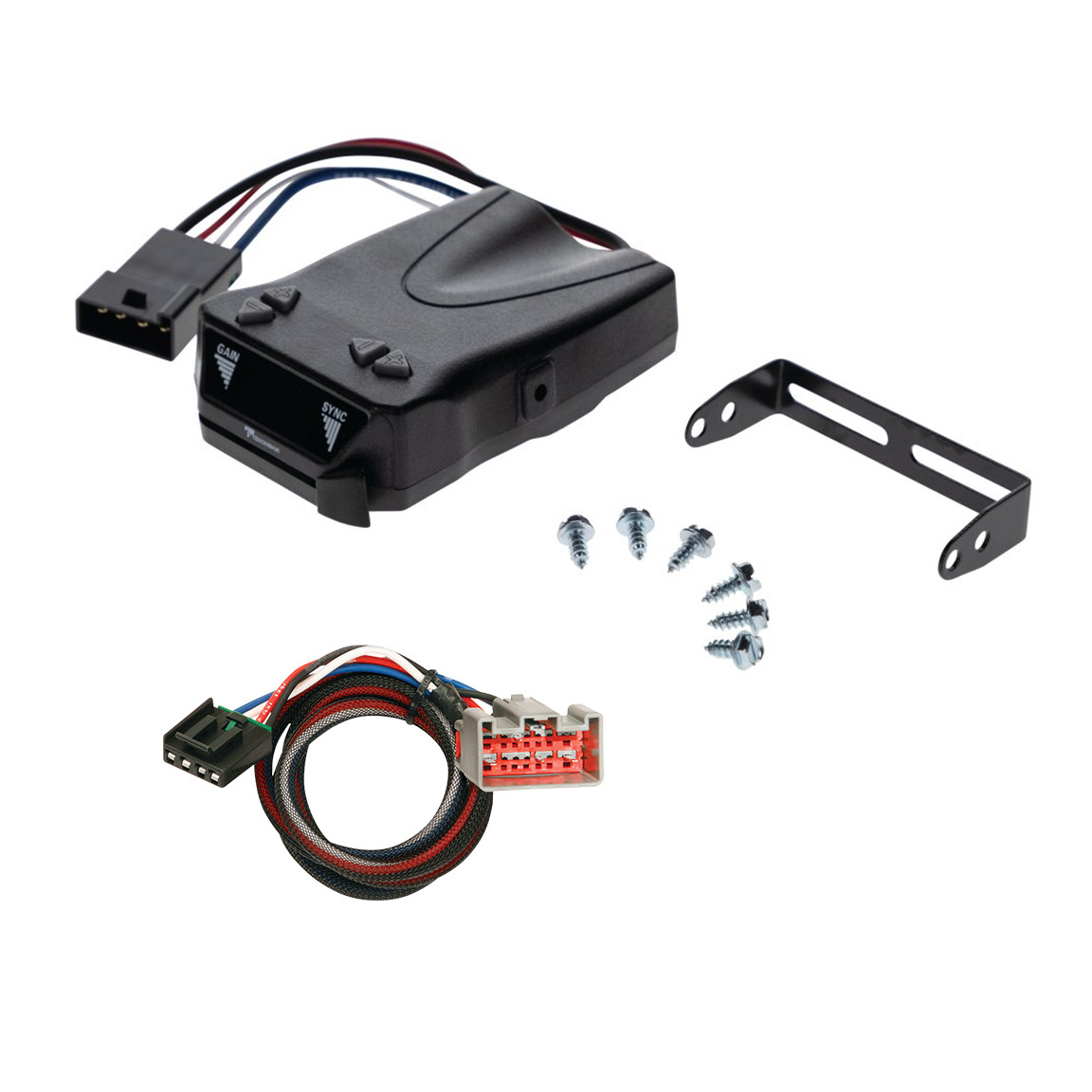
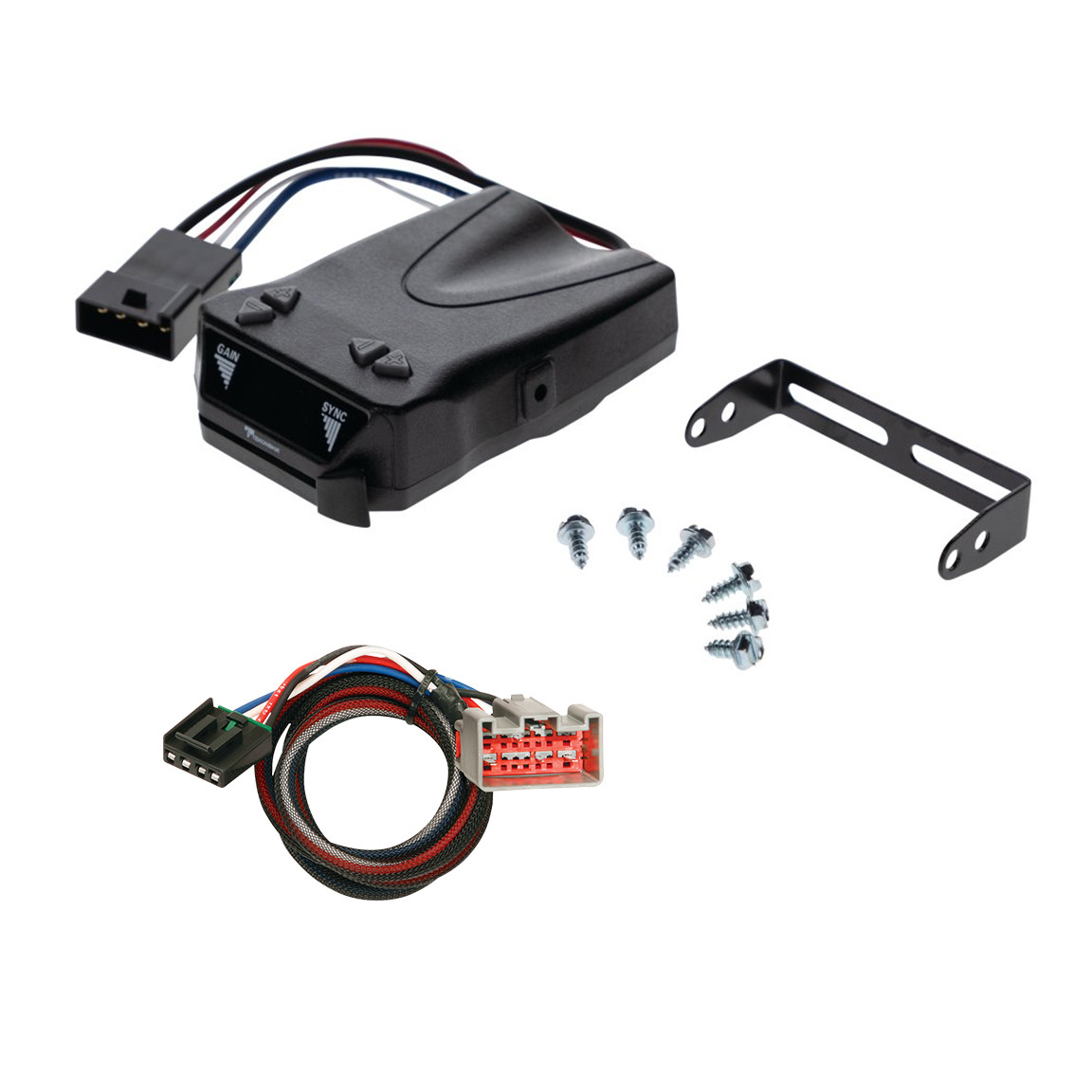
2017-2026 Ford F-550 Super Duty Brakeman IV Time?Delay Brake Controller for Trailers with 1?4 Axles, Black 8507111Reese Towpower$79.80Out of Stock
View productOur in-house experts typically reply within one business day.

Reese Towpower
Verify Fitment
Select your vehicle to confirm this part fits.
2017 - 2026 Ford F-350 Super Duty
Confirmed to Fit




Always the correct part
We know our products
Quality Products
Free Shipping!
Always the correct part
We know our products
Quality Products
Free Shipping!

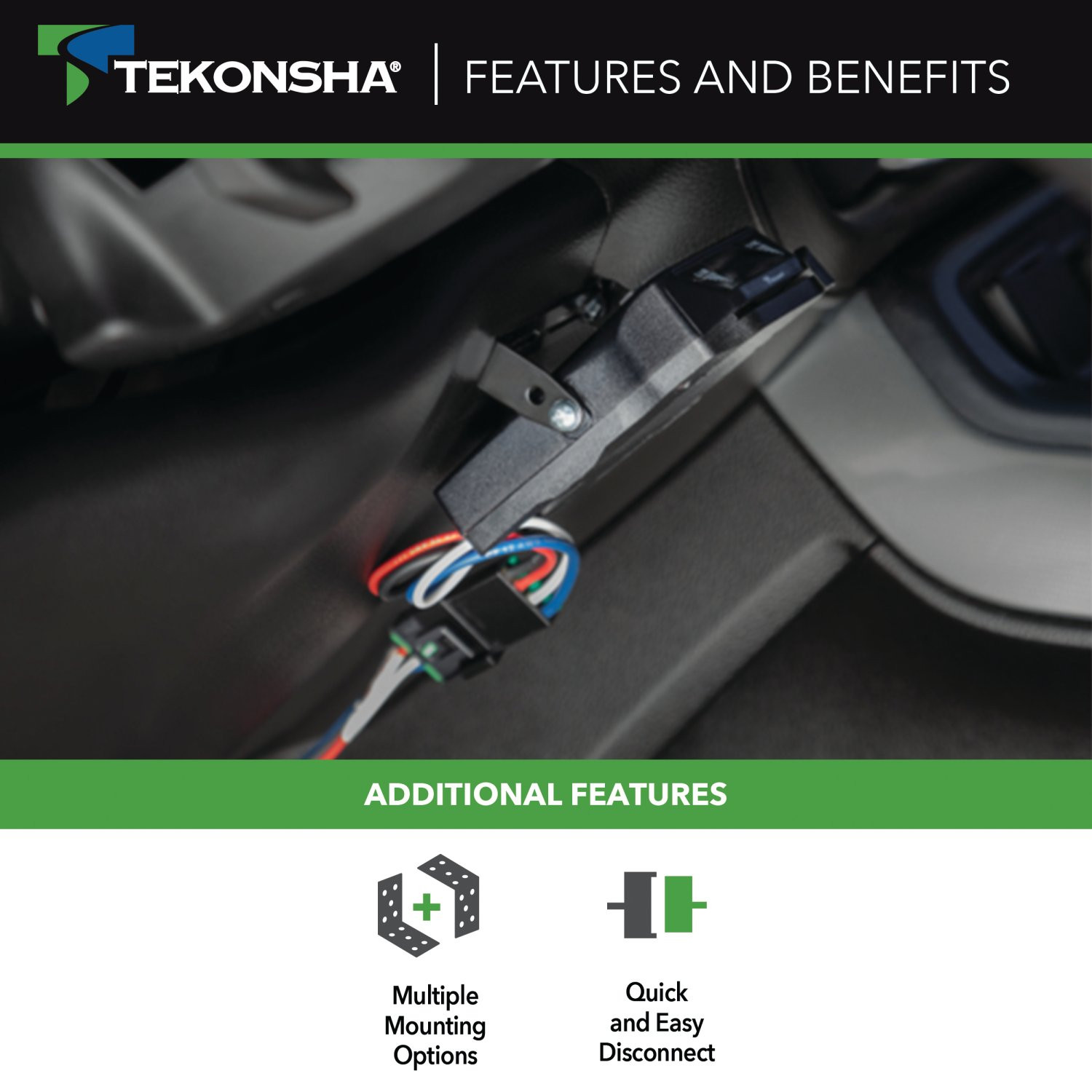
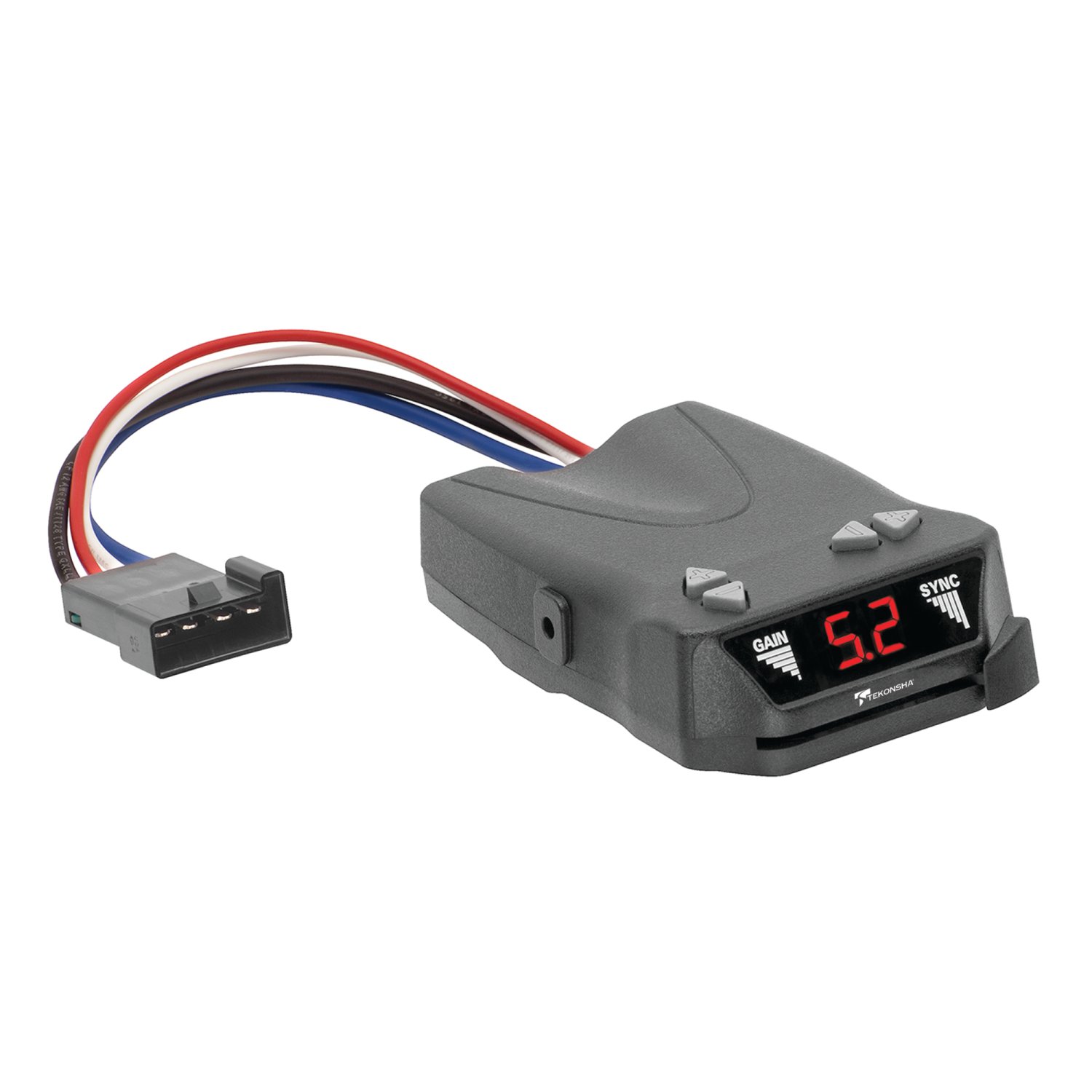
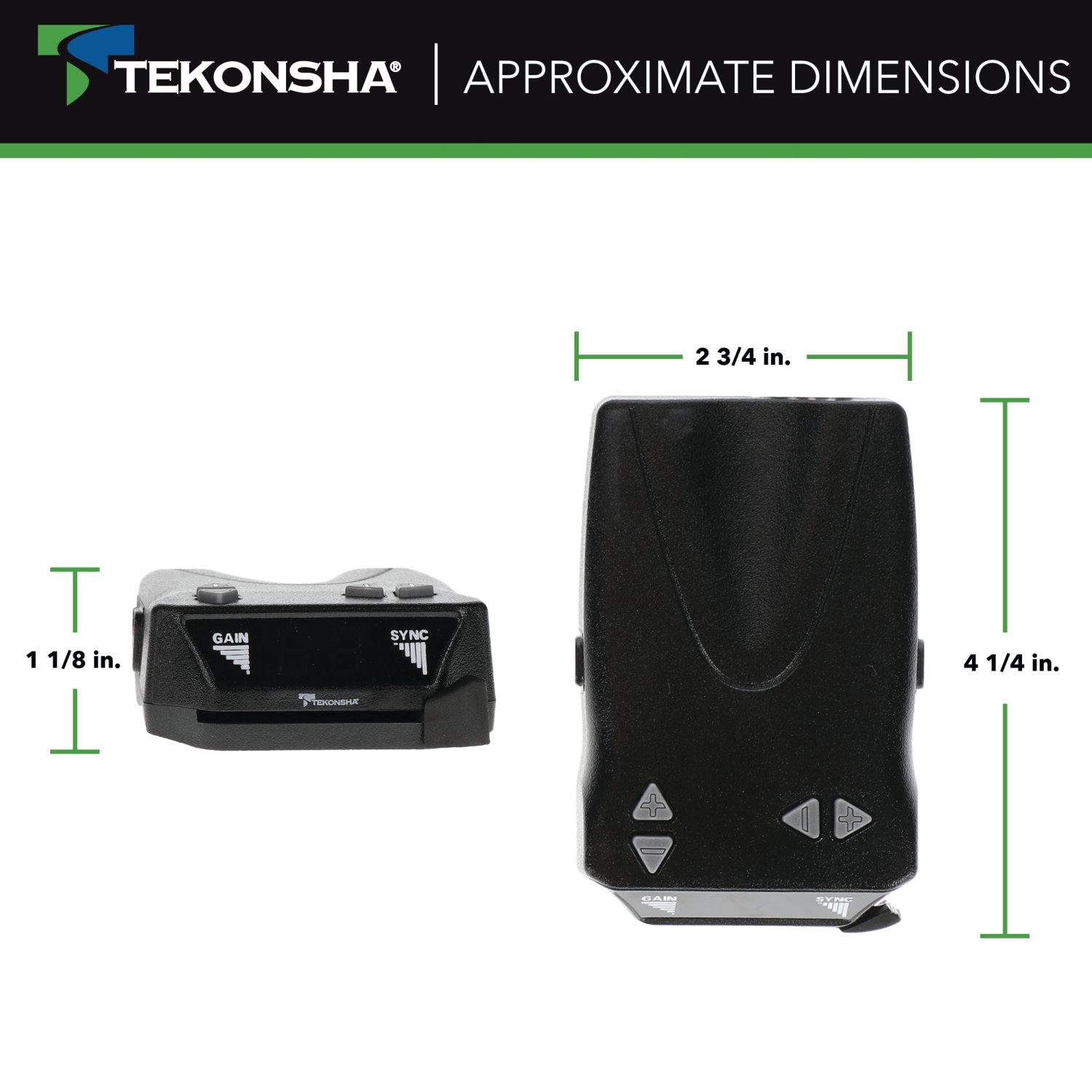
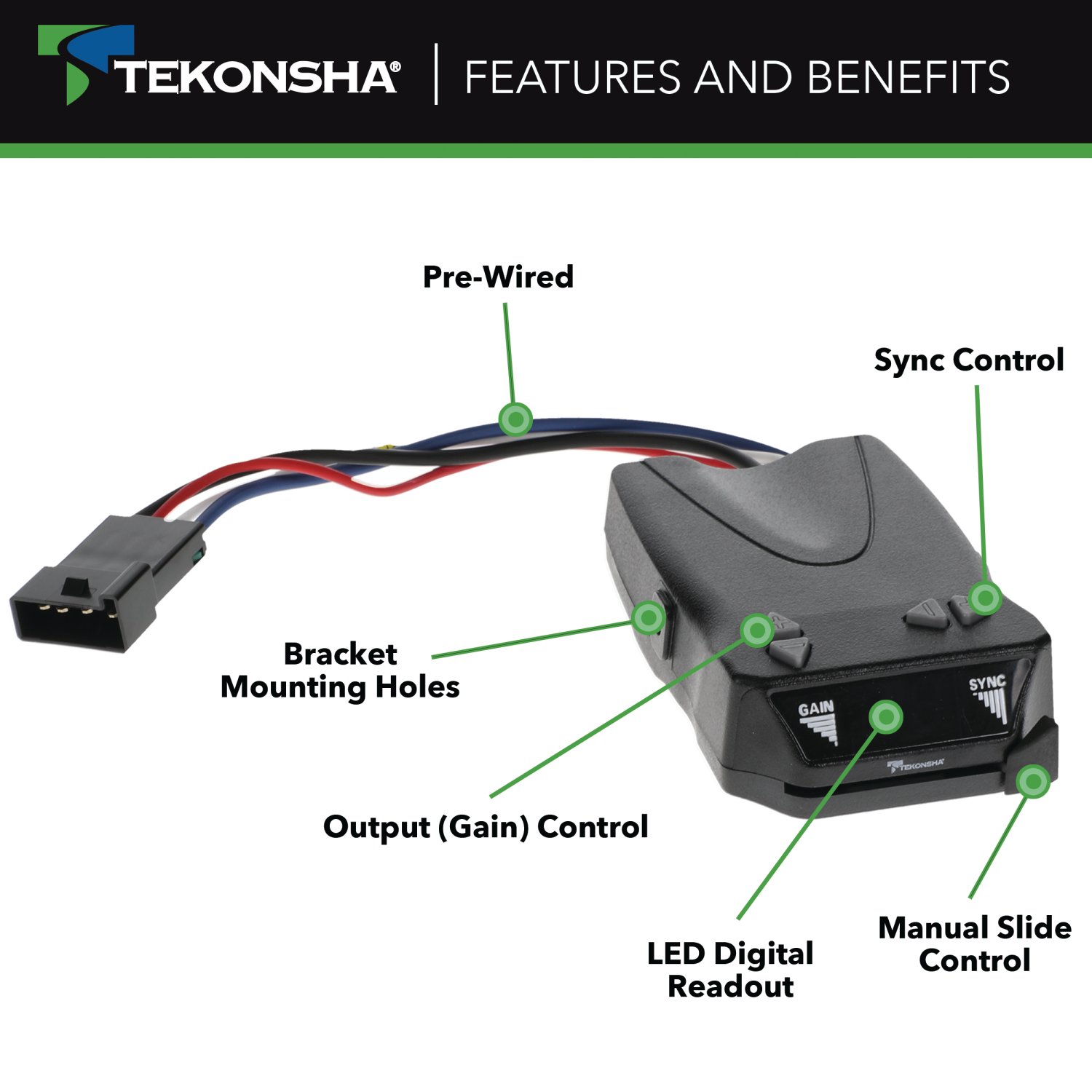
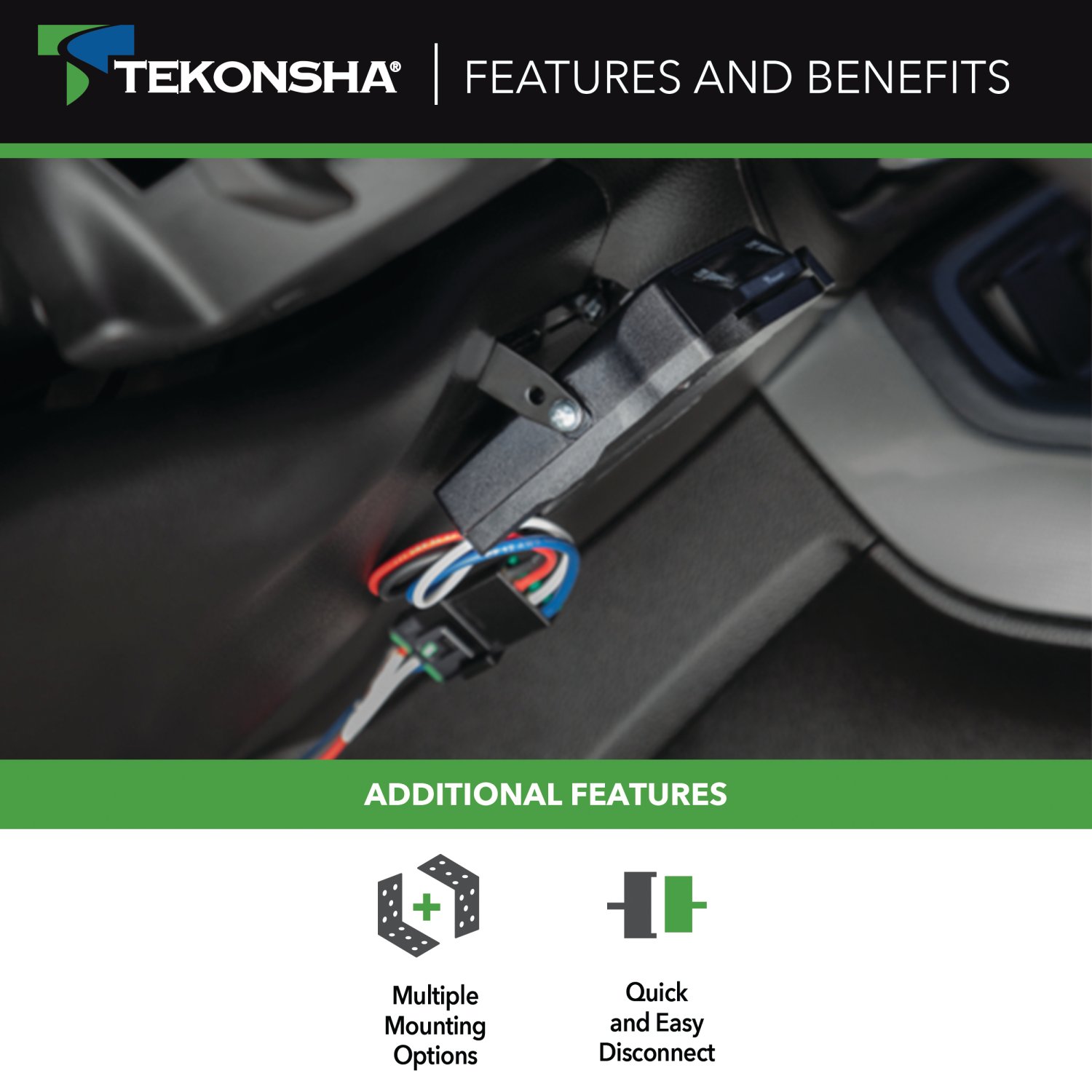
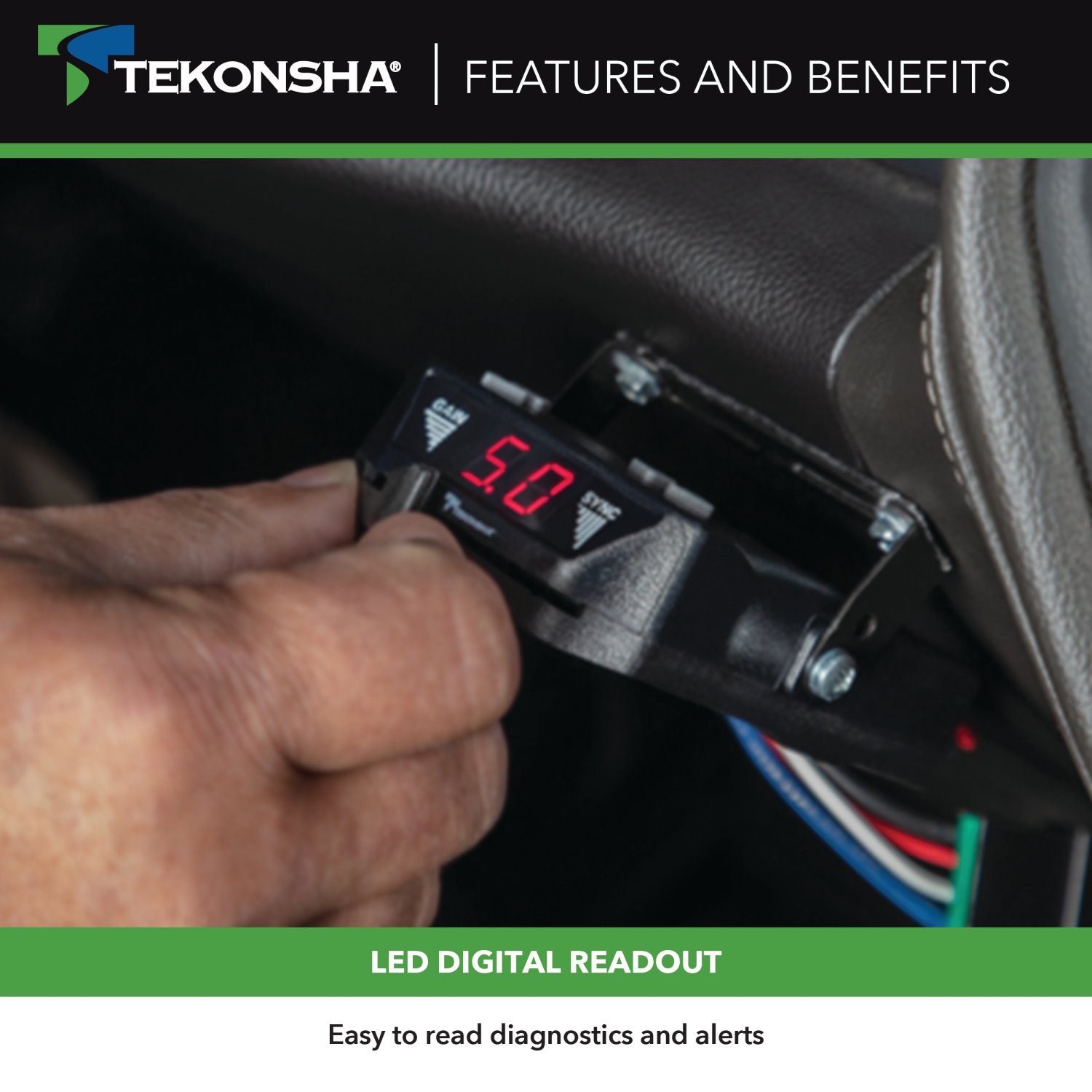
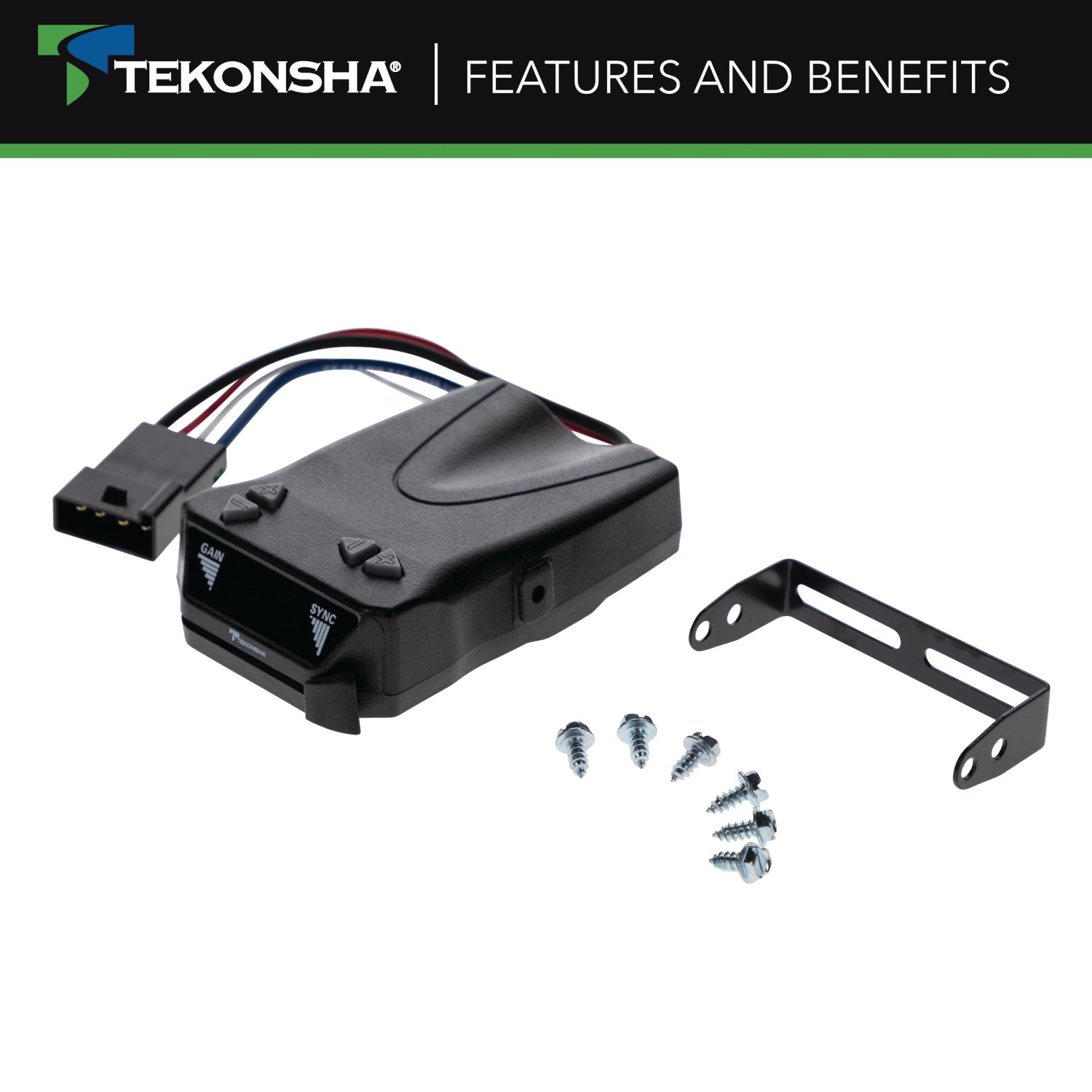
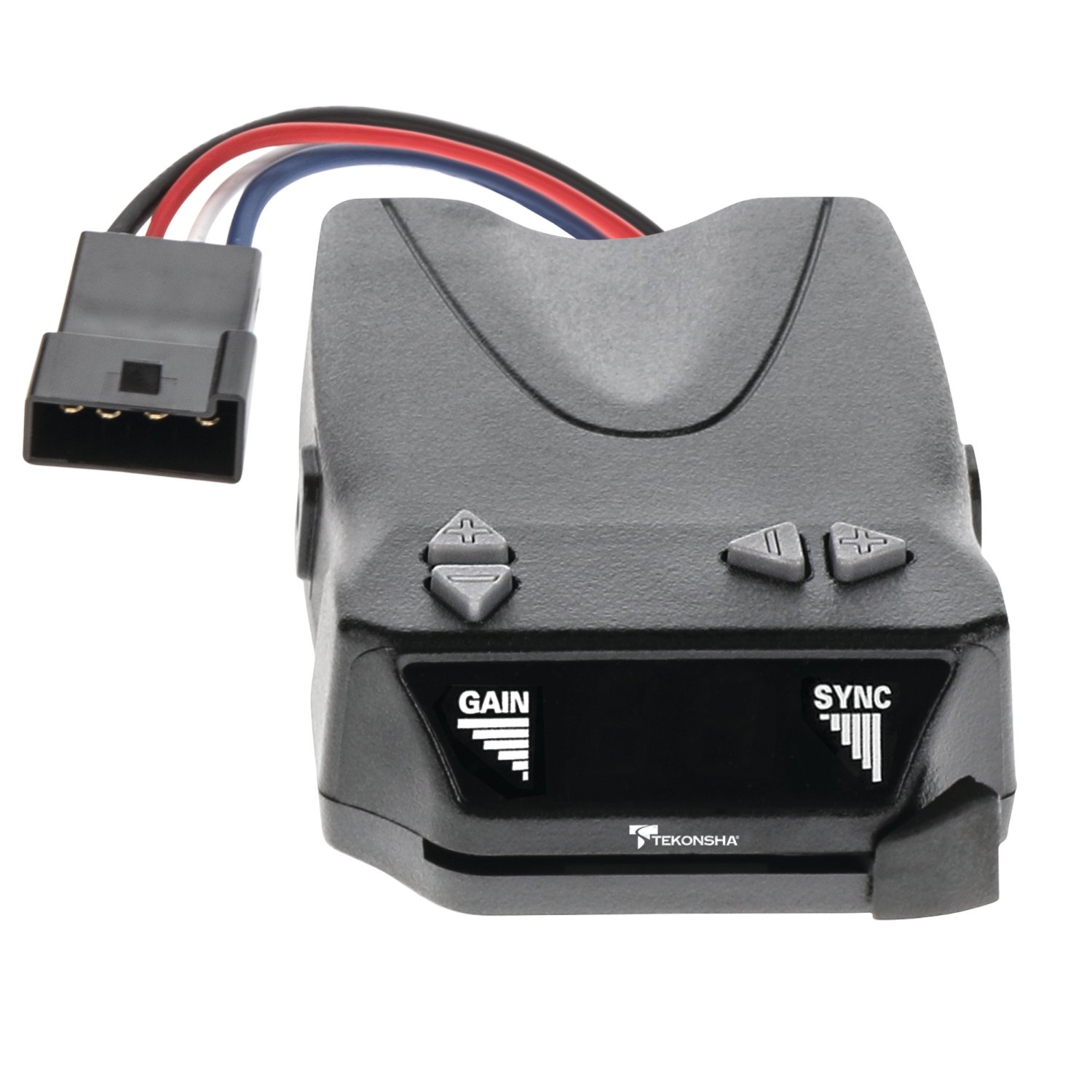
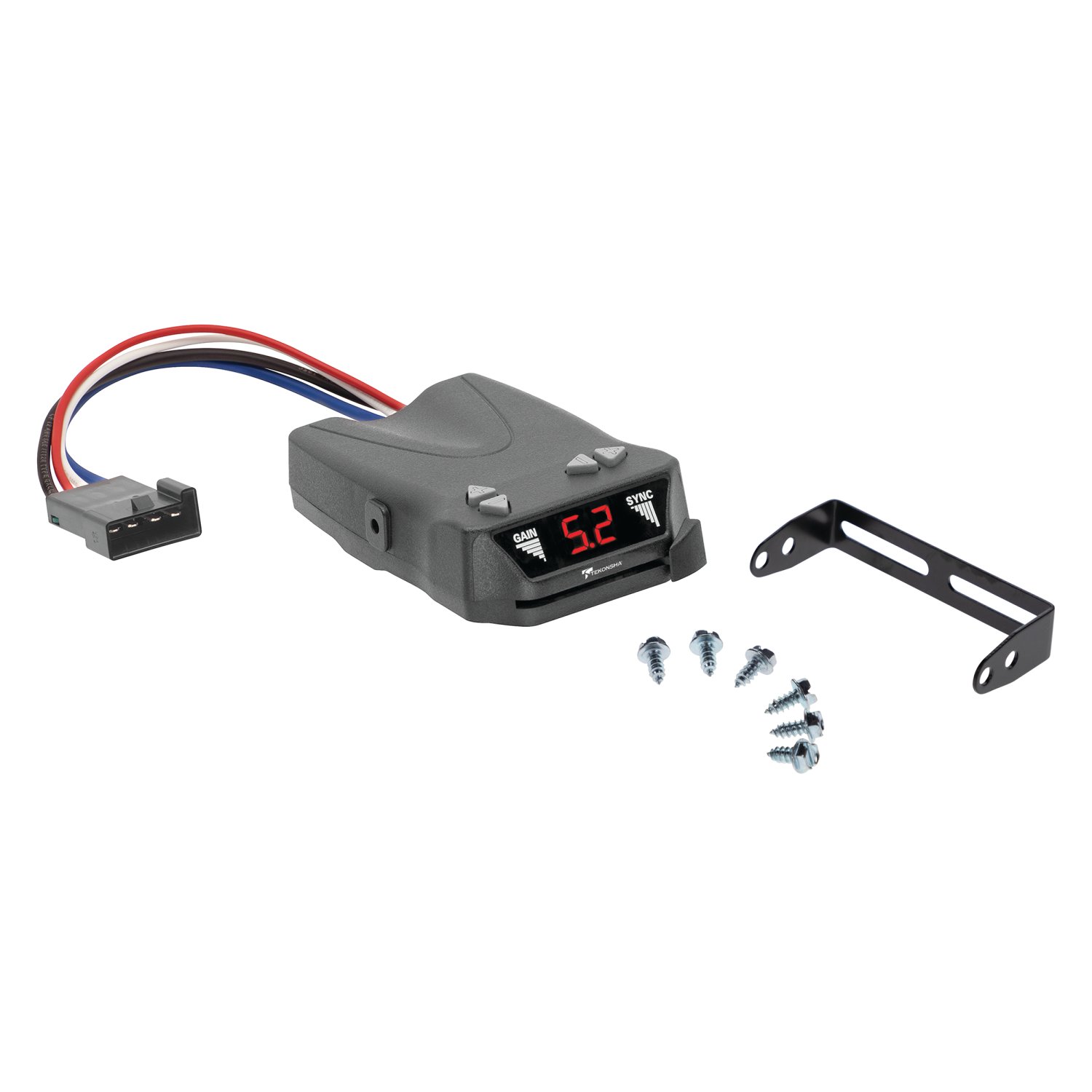
The Tekonsha Brakeman IV digital trailer brake controller provides safety and connection when you need it most. As a time-based controller, the Brakeman IV is a great choice for basic, light-duty towing needs. This compact controller works by electronically connecting your vehicle and your trailer. When you hit the brakes in your tow vehicle, it generates an output signal that ramps up, or increases over a period of time, applying braking power to your trailer at a fixed rate. The Brakeman IV has up-front buttons so you can easily adjust power output, the sync ? or aggressiveness with which the controller applies the brakes, and engage manual override to help you brake safely when an unexpected stop pops up. It also works with electric or electric over hydraulic braking systems, and features advanced internal circuit protection, real time comprehensive diagnostics, and short circuit protection. Because the Brakeman IV is a time-based controller, there?s no requirement that it be positioned in the direction of travel; it can be installed anywhere you like as long as it is within reach of the driver. Plus, the Plug & Play feature allows for quick and easy connection with your vehicle?s wiring. The Brakeman IV trailer brake controller works with1-4 axle trailers, comes with all the mounting hardware needed for installation, and is backed by a limited lifetime warranty.
| BRAND: | Reese Towpower |
| PART NUMBER: | 8507111 |
| WEIGHT: | 0.6 LBS |
| MATERIAL: | PLASTIC |
| BRAKE CONTROL TYPE: | TIMED |
| TRAILER BRAKE WHEEL QUANTITY: | UP TO EIGHT WHEELS |
| BRAKE TYPE: | Electric |
| Diagnostic Capable: | YES |
| DISPLAY TYPE: | DIGITAL OUTPUT |
| HYDRAULIC CONNECTIONS: | NO |
| SOLID STATE CONSTRUCTION: | YES |
| CIRCUIT BREAKER PROTECTED: | YES |
| HOUSING COLOR: | BLACK |
| BRACKET INCLUDED: | YES |

Reese Towpower delivers the towing hardware most drivers reach for: receiver hitches across multiple classes, ball mounts, hitch balls, pins, clips, safety chains, wiring and hitch accessories. Backed by a towing pedigree dating to 1952, the line uses all-welded construction and corrosion-resistant finishes, with custom-fit hitches matched to vehicle make, model and year.
The Reese story starts in 1952, when Margaret Reese challenged her husband TJ to do something about travel trailers rocking whenever anyone walked through them. A few years later he built the first pair of stabilising jacks. The idea was simple and it worked, and it changed how the RV industry thought about trailer stability. From that beginning the Reese name grew into a full towing line covering fifth wheel hitches, pin boxes, weight distribution systems and accessories, and Reese Towpower carries that engineering into the products most owners buy off the shelf.
Receiver trailer hitches anchor the range, offered across the classes needed for everything from a small utility trailer to livestock and job-site loads. Construction is all-welded rather than bolted at the stress points, and each hitch is tested against published standards for strength and safety. Custom-fit hitches are engineered to the vehicle manufacturer's weight specifications for a given model and model year, so mounting points line up with existing frame holes and the finished installation sits where it should. Exclusive paint finishes resist rust and corrosion through years of road salt, and hitches carry a nationwide limited lifetime warranty.
No towing setup is complete without the connecting hardware, and Reese Towpower covers it comprehensively. Ball mounts come in fixed, adjustable and specialty forms with a range of rises and drops to level a trailer properly. Hitch balls are offered in the standard diameters and shank sizes, matched to coupler and load rating.
The towing accessories line fills in everything else: hitch pins and clips, locks, receiver tube covers, and safety chains rated to the load being pulled. For most drivers this is where a towing purchase actually begins, and having the whole chain of components from one engineering source keeps ratings consistent end to end.
Experts available to answer your questions
Call 888-634-94941 Year
1 compatible vehicles
| Year | Make & Model | Notes |
|---|---|---|
| 2017 - 2026 | Ford F-350 Super Duty | — |
The 2017-2026 Ford F-350 Super Duty Brakeman IV Time?Delay Brake Controller for Trailers with 1?4 Axles, Black 8507111 (Part #8507111 70302) fits the following vehicles: 2017-2026 Ford F-350 Super Duty. Always verify your specific year, make, and model before ordering.
The 2017-2026 Ford F-350 Super Duty Brakeman IV Time?Delay Brake Controller for Trailers with 1?4 Axles, Black 8507111 (Part #8507111 70302) fits 2017-2026 Ford F-350 Super Duty models. The 2026 model year is the last year covered by this part number. For newer models, check for an updated version.
Yes, the 2017-2026 Ford F-350 Super Duty Brakeman IV Time?Delay Brake Controller for Trailers with 1?4 Axles, Black 8507111 (Part #8507111 70302) is designed to fit the 2017-2026 Ford F-350 Super Duty.
The 2017-2026 Ford F-350 Super Duty Brakeman IV Time?Delay Brake Controller for Trailers with 1?4 Axles, Black 8507111 (Part #8507111 70302) Refer to the included instructions for installation details. Basic hand tools are typically all you need.
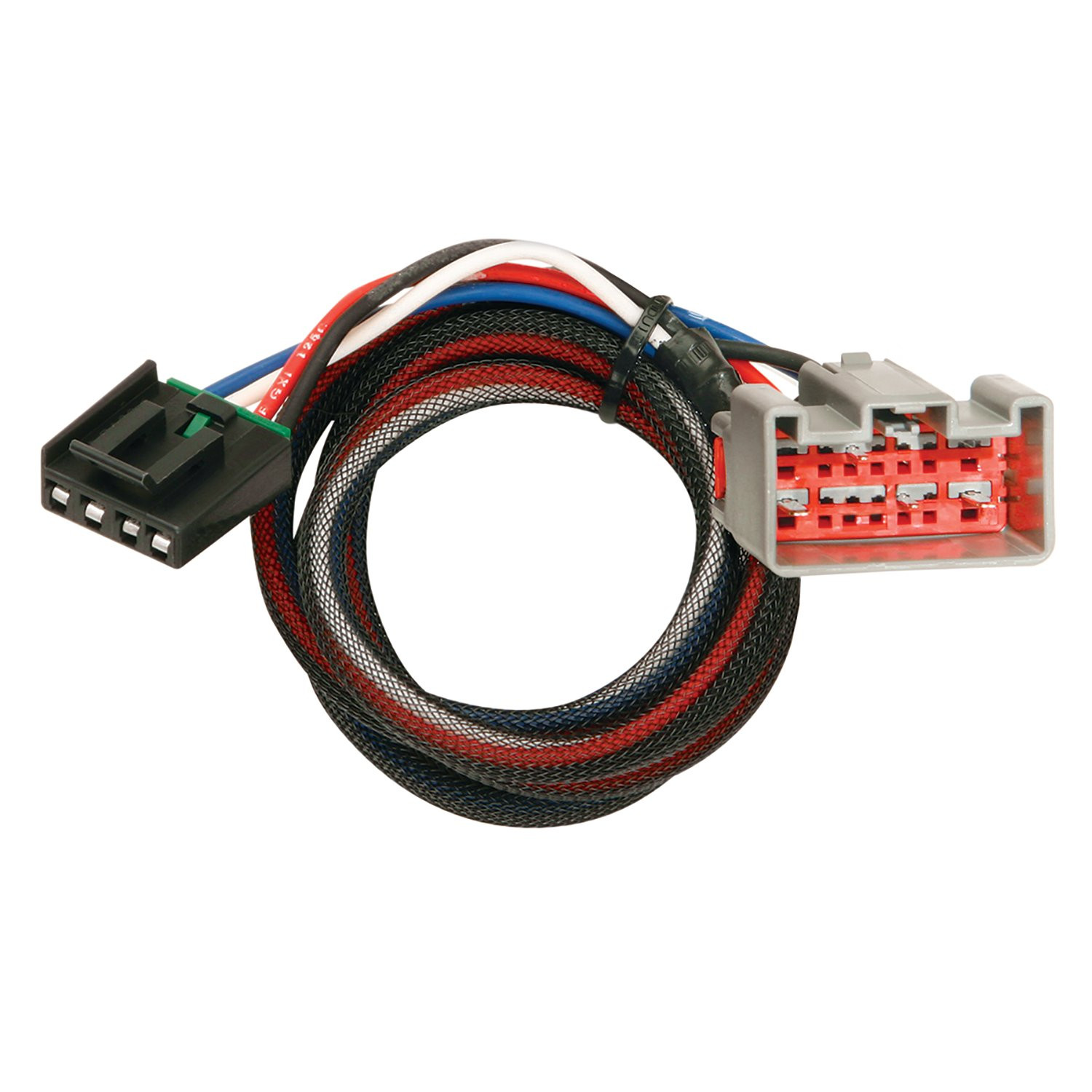
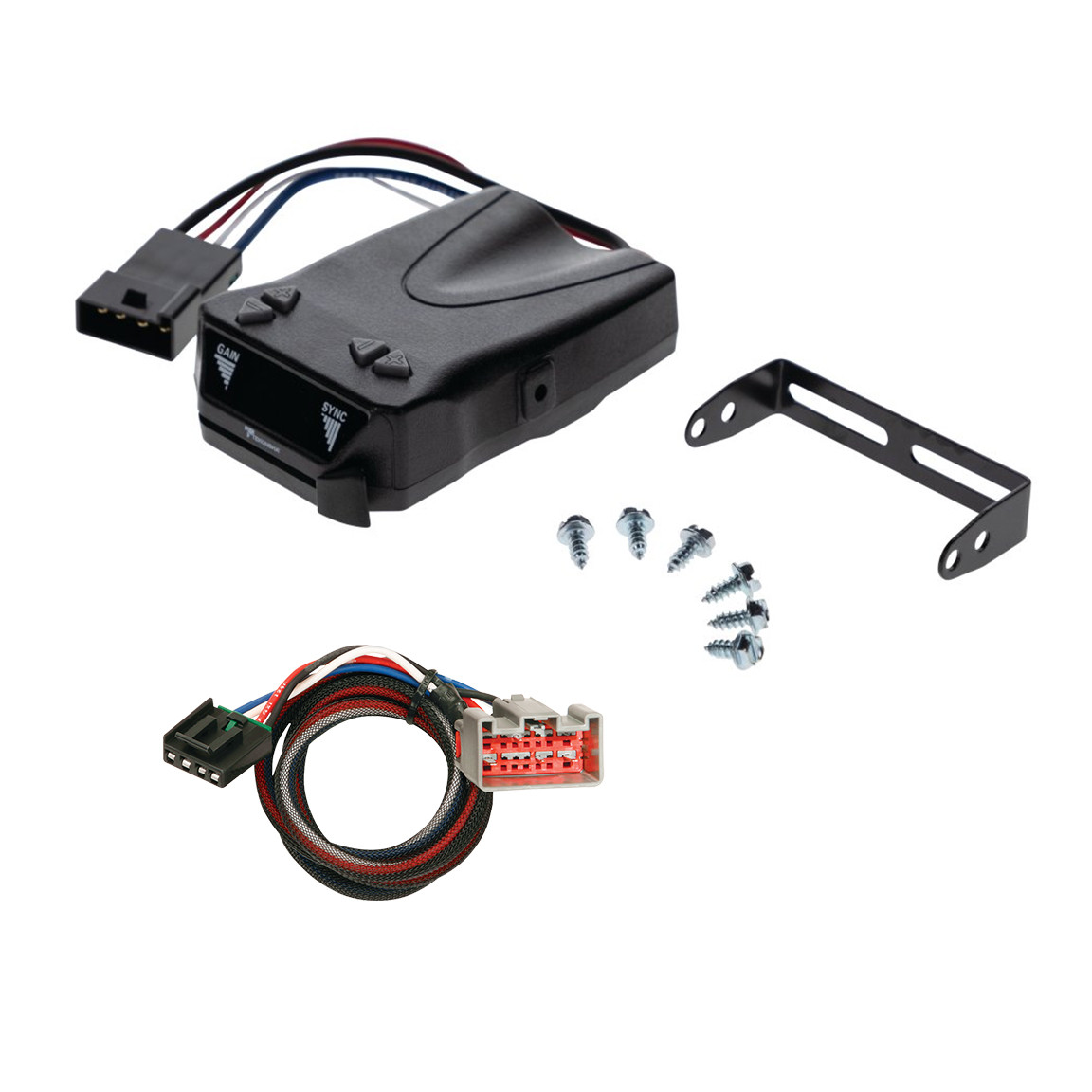
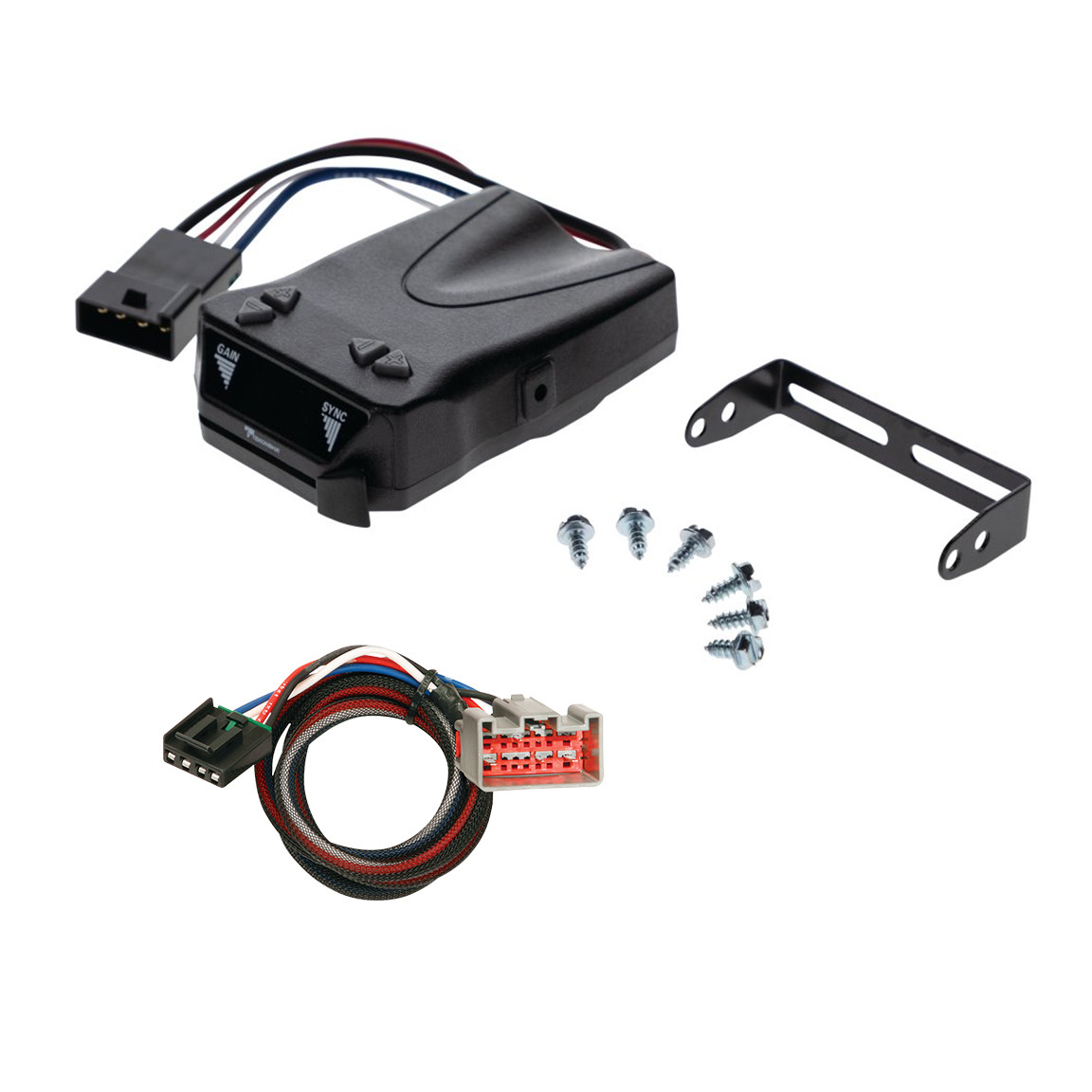
The 22292-037 is a wiring adapter that connects a vehicle's factory electric brake control harness to an aftermarket electric trailer brake controller. It allows you to install a new brake controller by adapting the existing vehicle wiring without requiring complete rewiring. The adapter contains male terminals and connects three circuits: trailer brake controller output, fused battery feed, and vehicle stop lamp switch input to the brake controller.
The adapter is designed for vehicles with a factory instrument cluster finish panel in the center of the dash on the driver side and an electric brake control harness. It works on vehicles both with and without an OEM trailer tow package. However, vehicles without an OEM trailer tow package may require additional fuses and relays (sold separately) to complete the output and battery feed circuits. Consult your vehicle's owner's manual for specific compatibility and fuse/relay locations.
Yes. If your vehicle is equipped with a factory brake controller, the adapter can be used to replace it. You will locate the large grey housing matching the adapter's mating connector, which will be plugged into the back of the factory unit. You may need to unplug additional harnesses to access it. Note that disconnecting the factory brake control will display a fault code on your vehicle's message center dash display.
The manual does not specify whether battery disconnection is required. However, the first step requires that the vehicle be off with keys removed from the ignition. Consult the electric brake control manufacturer's instructions and your vehicle's owner's manual for battery disconnection requirements before beginning installation.
The manual specifies that you will need a flashlight to locate the routing path for the adapter to exit the bottom of the dash. A socket or wrench will be needed to remove the two bolts exposed when the instrument cluster finish panel is removed (if using Option 1). Safety glasses are required. The manual does not specify other tools; consult the electric brake control manufacturer's instructions for any additional tools needed to complete the full installation.
The manual does not specify whether professional installation is required. It provides step-by-step instructions for a DIY installation, but the final step directs you to complete installation per the electric brake control manufacturer's instructions and perform test procedures as instructed. If you are not comfortable working inside your vehicle's dashboard or with electrical connections, consult a professional installer.
Make sure the vehicle is off with the keys removed from the ignition. This is a critical safety step before beginning any work on the vehicle's electrical system.
Locate the instrument cluster finish panel in the center of the dash on the driver side. Pry the panel out and away from the dash carefully to avoid damaging the trim or panel. Unplug the housings attaching the panel, being careful not to damage the locking tabs, and set the panel aside.
Option 1 applies to vehicles without a factory brake controller: locate and remove two bolts exposed after removing the instrument cluster finish panel, remove the bin, and unplug the grey connector from the back of the bin. Option 2 applies to vehicles equipped with a factory brake controller: locate the large grey housing matching the adapter's mating connector (plugged into the back of the factory unit), and unplug additional harnesses if needed to access it.
Plug the brake control adapter into the vehicle's electric brake control harness connector. The adapter's male terminals will mate with the vehicle's female connector.
Locate a routing path for the adapter to exit the bottom of the dash. Use a flashlight to shine light up through the bottom of the dash to locate a hole to exit the dash. This will allow you to route the adapter wires to the new brake controller mounted below the dashboard.
Complete the installation per the electric brake control manufacturer's instructions and mount the unit as directed. Perform test procedures as instructed by the brake controller manufacturer. After the brake controller is installed, plug in all connectors that were not used back into the original housings and snap the access panel back into place.
The adapter connects three circuits: (1) Trailer Brake Controller (Output) – the signal from the new brake controller to the trailer brakes; (2) Fused Trailer Brake Controller Battery Feed – power from the vehicle battery to the brake controller; and (3) Vehicle Stop Lamp Switch to Brake Controller (Input) – the signal from the vehicle's brake lights to the brake controller. The adapter also includes a ground connection.
Yes. Vehicles not equipped with an OEM trailer tow package may require fuses and relays to complete the output and battery feed circuits. These are sold separately. Consult your vehicle's owner's manual for the locations of fuse and relay panels and the specific amperage and type needed for your installation.
The adapter is rated for a maximum of 3 axles with 6 brakes at 18 amps. Do not exceed this rating. Additionally, do not exceed the lower of your towing manufacturer's rating or this 18 amp maximum. Overloading the circuit can cause fires. Consult your vehicle's owner's manual and the brake controller instruction sheet for additional information.
Wear safety glasses during installation. Read and follow all vehicle warnings and installation instructions before beginning. Be careful not to damage the instrument cluster trim or panel when removing it. Do not damage the locking tabs on the connectors. Make sure the vehicle is off with keys removed before starting work. Follow all safety precautions outlined in your vehicle's owner's manual.
After the brake controller is installed, verify that all connectors that were not used have been plugged back into the original housings and that the instrument cluster access panel has been snapped back into place. Perform all test procedures as instructed by the electric brake control manufacturer to ensure proper operation of the brake controller and all wiring connections.
Yes. When disconnecting the factory installed brake control, you will get a fault code displayed on the message center of the dash. This is normal and expected when replacing a factory brake controller with an aftermarket one using the 22292-037 adapter.
The adapter works on vehicles with a factory instrument cluster finish panel in the center of the driver-side dash and an electric brake control harness. It fits vehicles with or without an OEM trailer tow package. Vehicles without an OEM package may need additional fuses and relays (sold separately). Consult your vehicle's owner's manual to confirm compatibility.
You will need a flashlight, safety glasses, and a socket or wrench to remove two bolts from the instrument cluster area (if your vehicle does not have a factory brake controller). The electric brake control manufacturer may require additional tools; consult their instructions.
The manual requires the vehicle to be off with keys removed but does not specify battery disconnection. Consult the electric brake control manufacturer's instructions and your vehicle's owner's manual for battery disconnection requirements.
The adapter is rated for a maximum of 3 axles, 6 brakes, 18 amps. Do not exceed this or your towing manufacturer's rating, whichever is lower. Overloading can cause fires.
Yes, vehicles without an OEM trailer tow package may require additional fuses and relays (sold separately) to complete the output and battery feed circuits. Consult your vehicle's owner's manual for locations and specifications.
Yes, a fault code will appear on your vehicle's message center when the factory brake controller is disconnected. This is normal when replacing it with an aftermarket controller using the 22292-037 adapter.


Free Shipping
Ships free on all orders
 Authorized Dealer
FREE ShippingFREE SHIPPING
Estimated delivery Sun, Sep 27 - Wed, Sep 30
Order before 2 PM EST Monday–Friday for same-day processing
Guaranteed safe & secure checkout
No reviews have been added for this product.