Ask a Question About This Product
Our in-house experts typically reply within one business day.
Our in-house experts typically reply within one business day.

Fulton

Always the correct part
We know our products
Quality Products
Free Shipping!
Always the correct part
We know our products
Quality Products
Free Shipping!


Fulton has produced marine and utility trailer hardware for more than a century, and its jacks, winches and couplers are a standard for light and medium-duty trailering. The XLT and F2 series cover swivel and fixed jacks, hand and powered winches from 1,500 to 3,200 pounds, and couplers built to keep working in wet, salty conditions.
With more than a hundred years of production behind it, Fulton has become the reference point for light and medium-duty trailer hardware, particularly on the marine side. That environment is the toughest test a trailer component faces. A boat trailer is reversed into fresh or salt water on every launch and left to sit wet, which finds every weakness in plating, sealing and material choice. Fulton's stated position is that the brand performs best when the weather is at its worst, and its product engineering reflects that. It sits within the Horizon Global towing group alongside Reese, Draw-Tite, Bulldog, Tekonsha and Wesbar.
Marine and utility jacks anchor the line. The XLT Series marine jack uses a bolt-through swivel mount built from three-dimensionally formed heavy-gauge steel stampings with a proprietary bushing material, a combination chosen to minimise deflection under tongue load while keeping the swivel action working after years of exposure. The F2 Series takes corrosion resistance further as the industry's only extruded aluminium marine jack with an anodised finish, which removes the rust problem at its source rather than coating over it. The wider trailer jack range covers topwind, sidewind and drop-leg configurations.
Trailer winches pull boats onto bunks and rollers. XLT Series winches use efficient gear ratios, full-length drum bearings, oil-impregnated shaft bushings and a Comfort Grip handle that makes the last few turns under load bearable, in 1,500 and 1,800 pound capacities. F2 Series winches use an enclosed frame for a cleaner look and added protection, in 1,600, 2,000 and 3,200 pound models, including two-speed options that trade line speed for cranking effort.
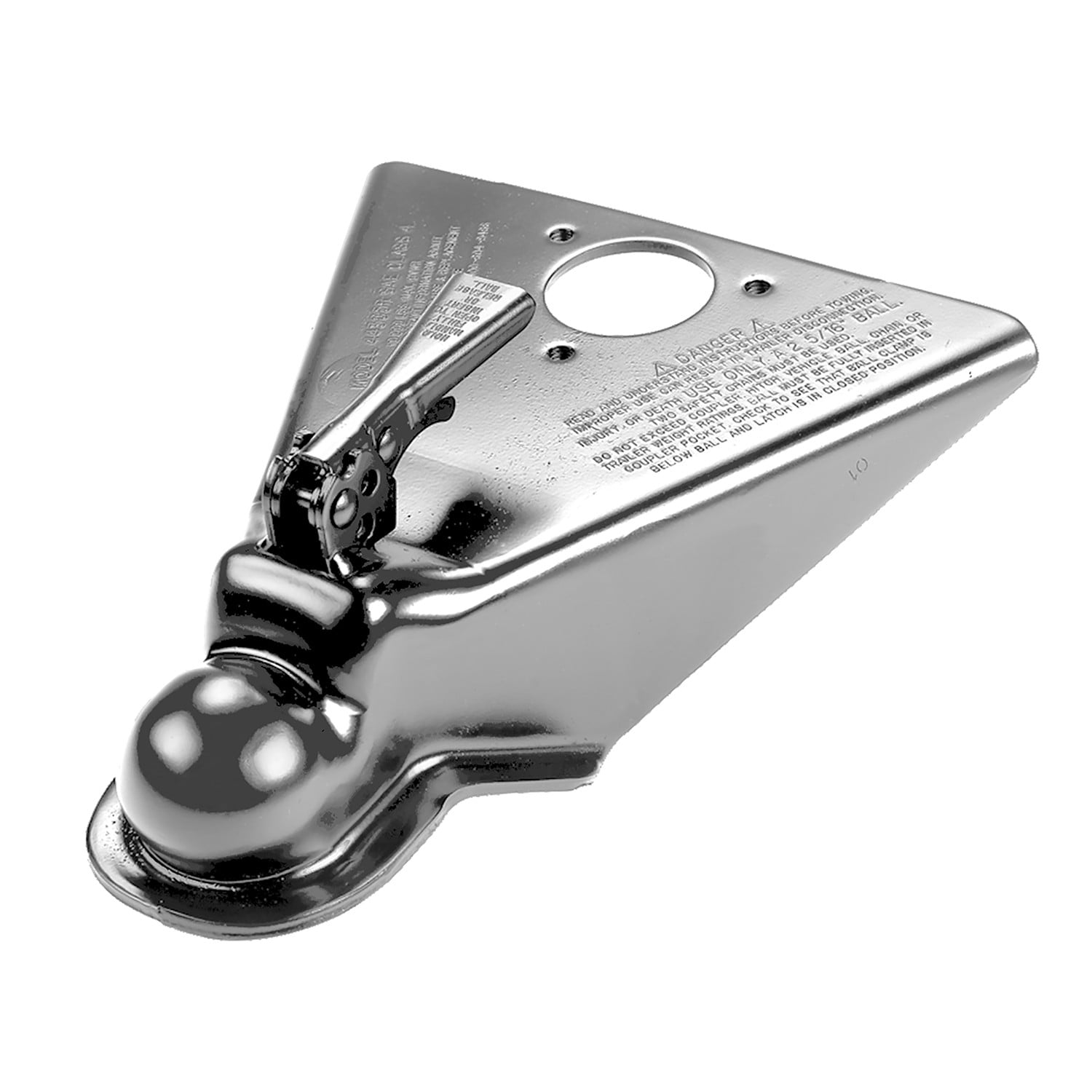
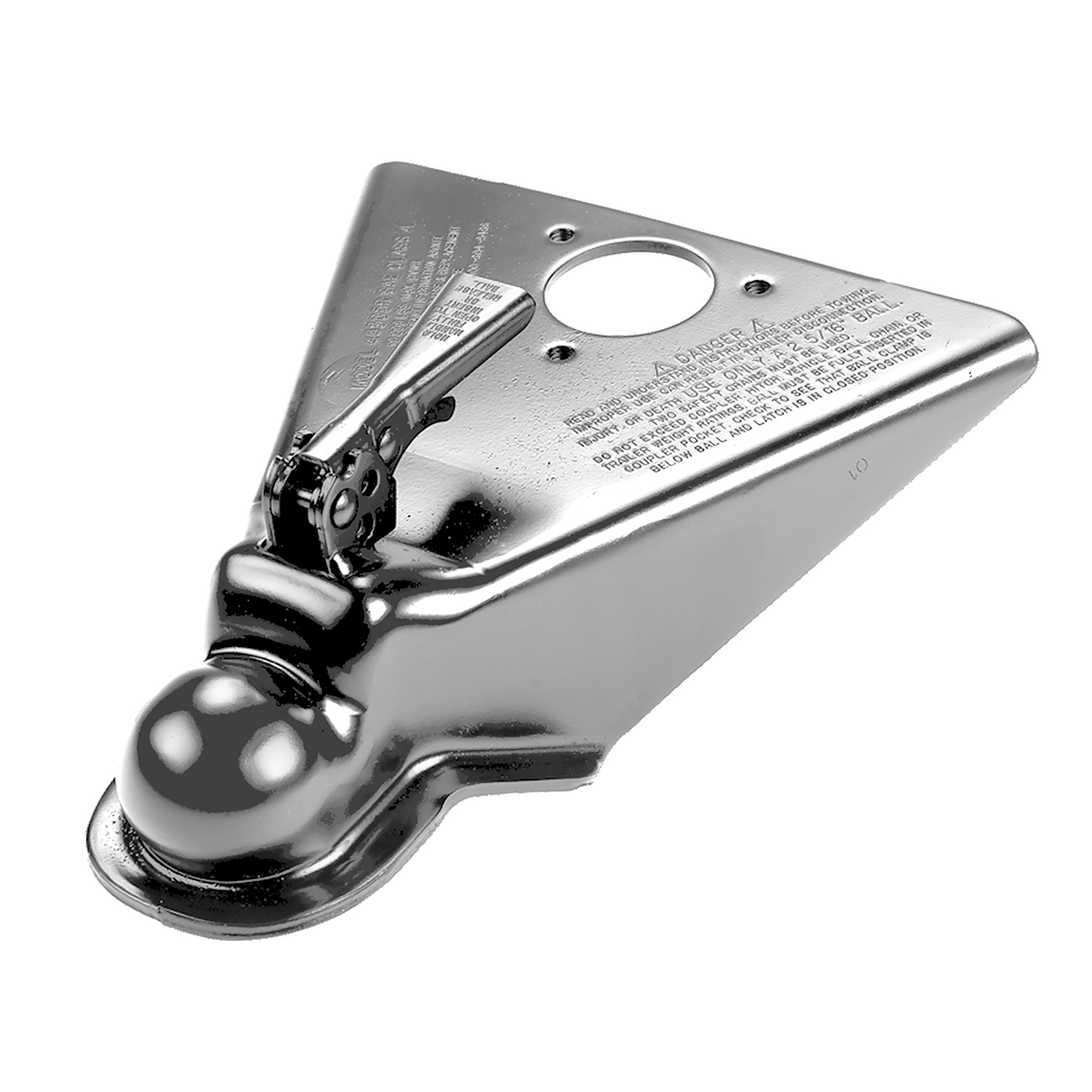
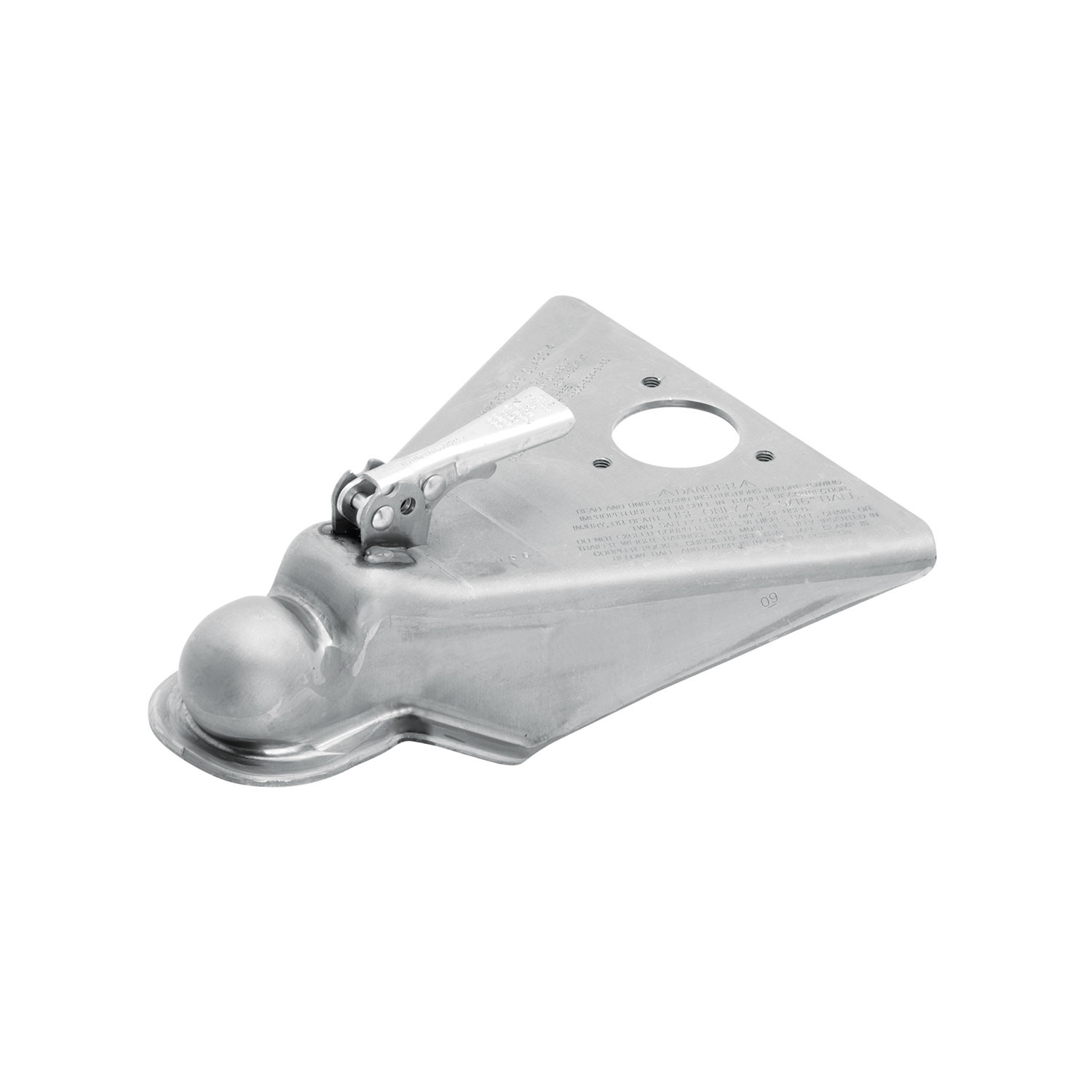
Couplers complete the range, including A-frame couplers matched to common tongue sizes and load ratings, serving boat owners, utility trailer users and trailer manufacturers.
Experts available to answer your questions
Call 888-634-94945 Years
The 44314R is rated for 14,000 pounds. The 44305R is Class IV rated for 10,000 pounds. Do not exceed the lesser of the coupler, hitch, vehicle, ball, or trailer weight ratings.
This coupler can only be used with 50-degree trailer tongues. It is not compatible with other tongue angles.
You must use a 2 5/16 inch diameter ball rated for the minimum coupler weight rating. Use of any other ball size will create an extremely dangerous condition which can result in separation of the coupler and ball, or ball failure.
All welding must be performed by an AWS (American Welding Society) certified welder. Installation, use, and maintenance must conform to the mounting instructions provided. Fulton is not responsible for accidents or injuries arising from improper installation.
A minimum coupler/tongue overlap of 6.5 inches is required. The maximum overlap is 7.5 inches.
A minimum 3/16 inch fillet weld is required on both sides and the top of the coupler where it joins the trailer tongue. All welds must be performed by an AWS certified welder.
If the coupler is to be primed or painted after installation, make sure excess paint or primer buildup is removed from the ball pocket and latching mechanism. Ensure that coupler operation has not been impaired in any way. If operation is impaired, do not use the coupler.
1) Open the coupler locking lever. 2) While holding the lever open, lower the coupler over the hitch ball until the ball is fully seated into the ball pocket. 3) Close the locking lever to the closed position—do not force it. If the handle does not close easily, the trailer and tow vehicle may be misaligned; re-align as necessary. 4) Verify the latch is engaged by lifting up on the back of the locking lever. 5) Confirm the hitch ball is fully seated and the ball clamp is below the ball. If the ball is not seated with the lever in the closed position, do not tow.
Before towing, ensure that the hitch ball is fully seated in the coupler ball pocket and that the lever is rotated back to the closed position. Check that the latch is engaged. Verify the coupler handle opens and closes freely. Inspect the vehicle, hitch, hitch ball, and coupler for signs of wear or damage. Ensure all trailer lighting is hooked up and working correctly. Do not tow if the ball is not fully seated, the handle is open, or the latch is not engaged.
1) Before unlatching, make sure the vehicle, trailer, and load will not shift, roll, or move. Note that the load may have shifted during transit, resulting in a negative tongue load; use caution as the tongue may rise unexpectedly when unlatched. 2) If a lock or pin is in the lever, remove it. 3) Fully open the locking lever. While holding it fully open, raise the coupler off the hitch ball. 4) Return the handle to the closed position. An optional hold-open pin can be used to keep the lever open.
Yes. After latching the coupler, you can optionally place a pin or lock in the hole provided on the locking lever. A lock can be used in place of the pin as a theft deterrent.
If coupler operation has been impaired in any way after installation, do not use the coupler. Contact Fulton Performance Products Customer Service at 715-693-1700 or 800-604-9466 for assistance.
Maintain a film of automotive grease in the ball pocket, ball clamp, and where the shaft enters the housing. Maintain a film of SAE 30 WT motor oil on the pivot points and spring ends. Keep the ball pocket and mechanism clean because dirt, paint, and other debris can hinder proper operation. When parking or storing the trailer, keep the coupler off the ground so dirt and other foreign material will not build up in the coupler ball pocket.
Always replace broken, worn, or bent parts before using the coupler. Use only Fulton Performance Products parts or parts of equal quality for repair. Replacement parts are available through Fulton Performance Products' Customer Service Department at 715-693-1700. Please specify the product model number, name of parts, and part number.
Fulton Performance Products warrants the coupler to be free from defects in material and workmanship for three years under normal use and service, ordinary wear and tear excepted. If the product does not comply with the warranty, Fulton will replace it without charge or refund the purchase price at Fulton's option. The warranty does not cover normal wear and tear, damage from abuse, neglect, misuse, accidents, misapplication, overloading, improper installation, improper maintenance, or products altered by anyone other than Fulton. The warranty is not transferable. Repair or replacement is the sole remedy; Fulton is not liable for service or labor charges or incidental or consequential damages.
To make a warranty claim, contact Fulton Performance Products at 50 Indianhead Drive, Mosinee, WI, or call 715-693-1700. Identify the product and follow the instructions provided. You must retain your purchase receipt to verify the date of purchase; this must be produced to honor the warranty claim. You are responsible for shipping costs to Fulton. Any returned product that is replaced or refunded becomes the property of Fulton.
Replacement parts include: Spring - Compression (part 02 251 37), Coupler Weldment (part 02 410 12), Link Pin (part 02 380 02), Locking Lever Assembly (part 02 702 08), Groove Pin (part 02 270 57), and Ball Clamp (part 02 700 18). A Ball Clamp Repair Kit (part 64 0801) is also available for the 44305R model. Contact Fulton Performance Products Customer Service at 715-693-1700 to order parts.
The Fulton coupler (44314R or 44305R) fits trailers with 50-degree trailer tongues only. The 44314R is rated for 14,000 pounds and the 44305R for 10,000 pounds. Verify your tongue angle and weight requirements before purchasing.
Yes. All welding must be performed by an AWS (American Welding Society) certified welder. The coupler must be welded to the trailer tongue with a minimum 3/16 inch fillet weld on both sides and the top, with a minimum 6.5 inch overlap.
You must use a 2 5/16 inch diameter hitch ball rated for the coupler's weight rating. No other ball size is compatible.
Ensure the hitch ball is fully seated in the coupler ball pocket, the lever is closed, and the latch is engaged. Verify the coupler handle opens and closes freely, and check for wear or damage. Confirm all trailer lighting works and safety chains are properly connected.
Apply automotive grease to the ball pocket, ball clamp, and shaft entry point. Use SAE 30 WT motor oil on pivot points and spring ends. Keep the mechanism clean and store the coupler off the ground to prevent dirt buildup.
A minimum 6.5 inch overlap is required between the coupler and trailer tongue. The maximum overlap is 7.5 inches.
A minimum 3/16 inch fillet weld is required on both sides and the top of the coupler where it joins the trailer tongue.
The locking lever closes due to an internal spring and must be held open or pinned open. Use the optional hold-open pin provided to keep the lever in the open position while you lower the coupler over the hitch ball. Once the ball is fully seated, remove the pin and close the lever to the closed position.
If the ball is not fully seated with the lever in the closed position, do not tow. Repeat the latching procedure: open the locking lever fully, lower the coupler over the hitch ball until the ball is fully seated into the ball pocket, then close the lever. Verify that the trailer and tow vehicle are properly aligned. If the problem persists, check that you are using a 2 5/16 inch diameter hitch ball and that the coupler has not been damaged.
To verify the latch is engaged, lift up on the back of the locking lever with your finger. If the latch is properly engaged, the lever will not lift easily. Also confirm that the hitch ball is fully seated and the ball clamp is positioned below the ball. If the latch is not engaged, the coupler is not safe to tow.
Keep the ball pocket and mechanism clean because dirt, paint, and other debris can hinder proper operation. If paint or primer buildup has accumulated, remove the excess buildup from the ball pocket and latching mechanism. After cleaning, verify that coupler operation has not been impaired. If operation is impaired, do not use the coupler.
The coupler may be stiff due to lack of lubrication or dirt buildup. Clean the ball pocket and mechanism to remove any dirt, paint, or debris. Then apply automotive grease to the ball pocket, ball clamp, and shaft entry point. Apply SAE 30 WT motor oil to the pivot points and spring ends. Operate the coupler several times to distribute the lubricant. If the coupler remains stiff or difficult to operate, contact Fulton Performance Products at 715-693-1700.
Matt
Ordered online. Shipment arrived on time and with all the correct parts. Great customer service and friendly staff. Also, pricing was great!
May 22, 2023
On Sale Today
Original price was $93.75. Current price is $67.28.You save $26.47 (28%)
Free Shipping
Ships free on all orders
 Authorized Dealer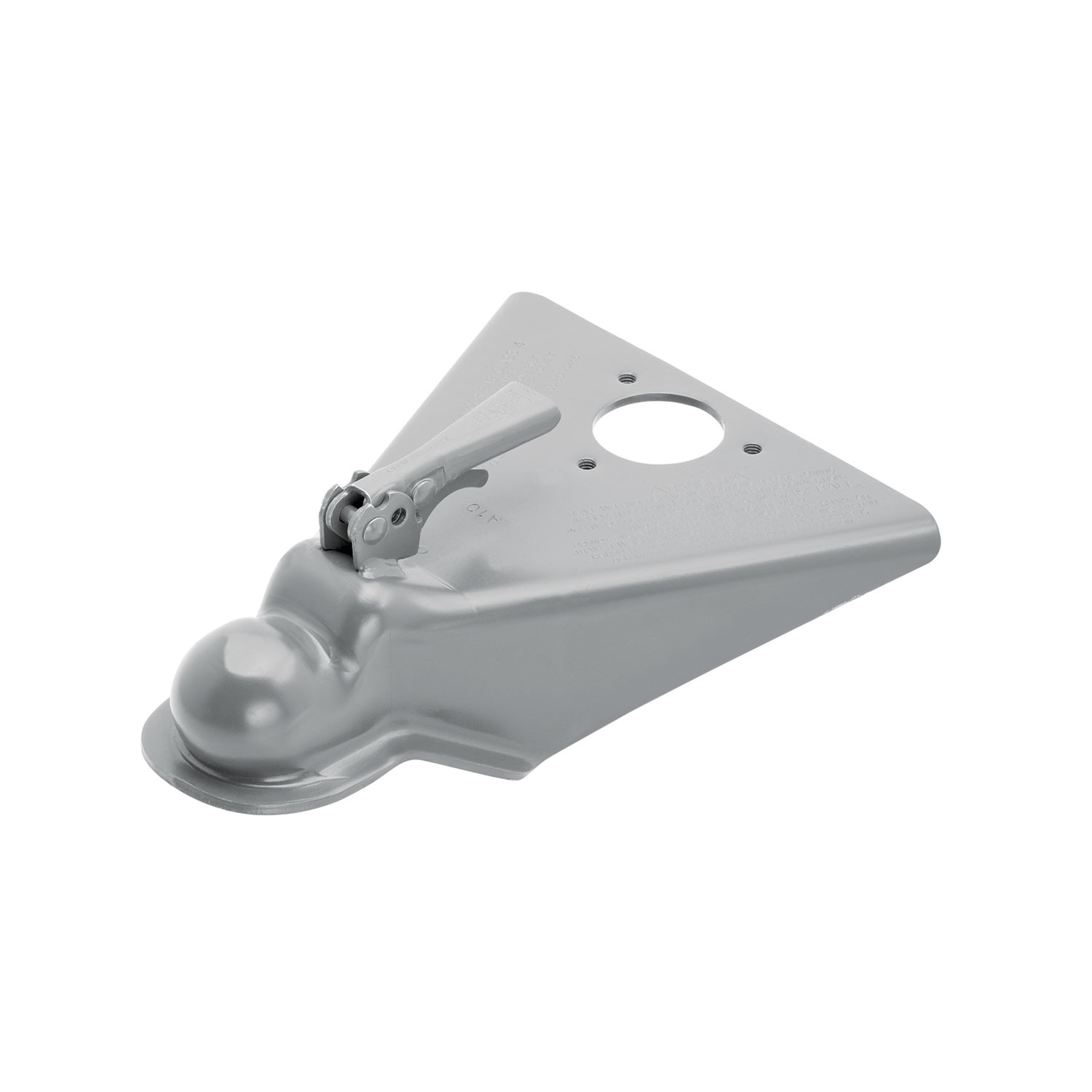


FREE ShippingFREE SHIPPING
Estimated delivery Tue, Aug 11 - Fri, Aug 14
Order before 2 PM EST Monday–Friday for same-day processing
Guaranteed safe & secure checkout