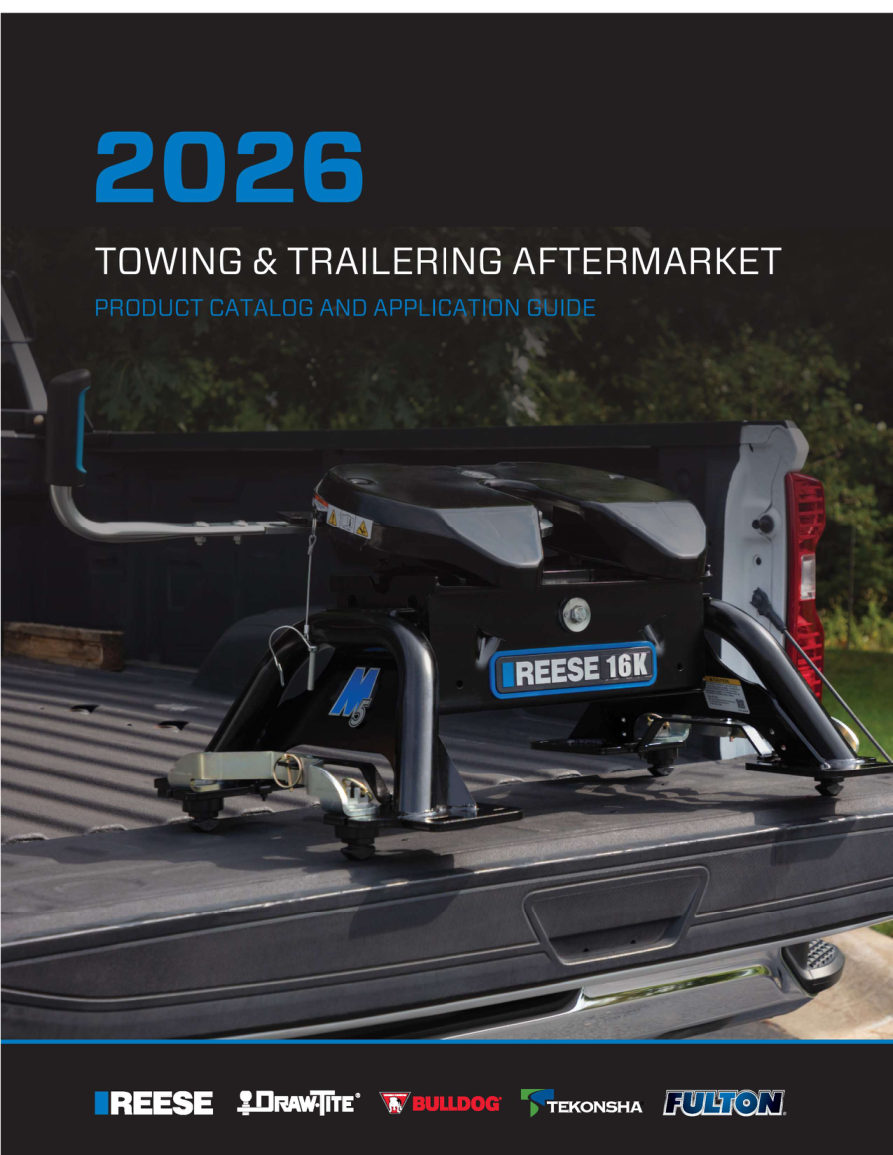
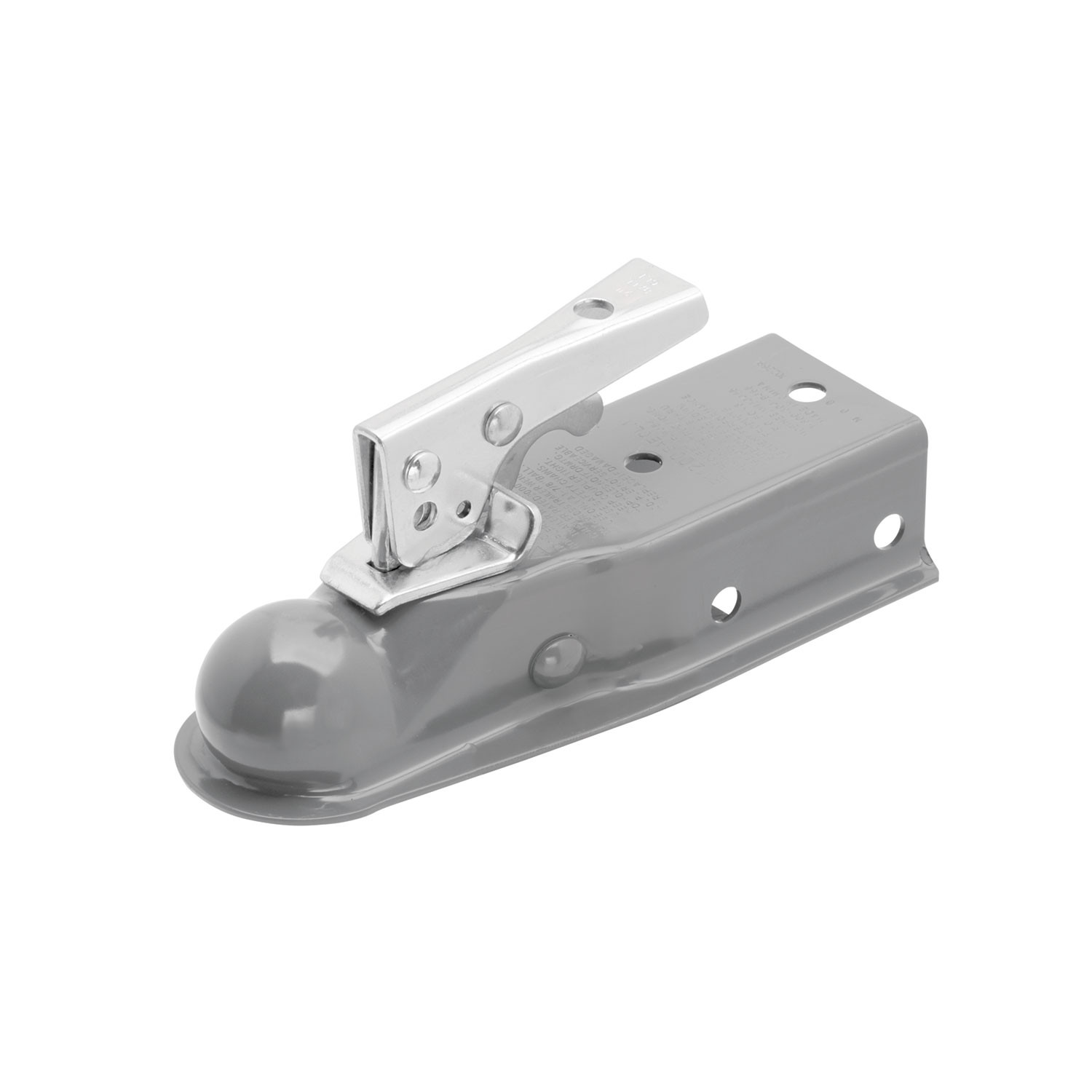
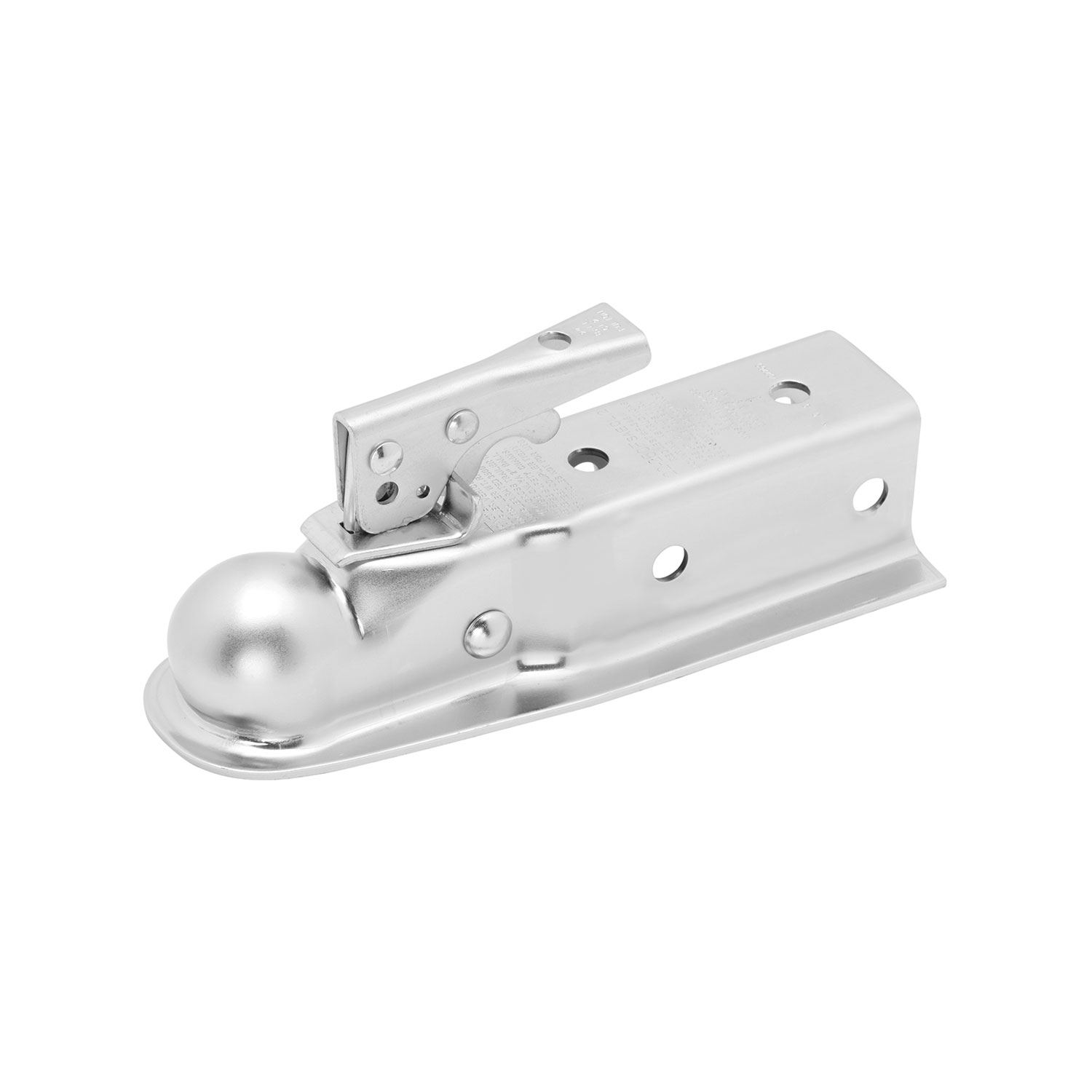
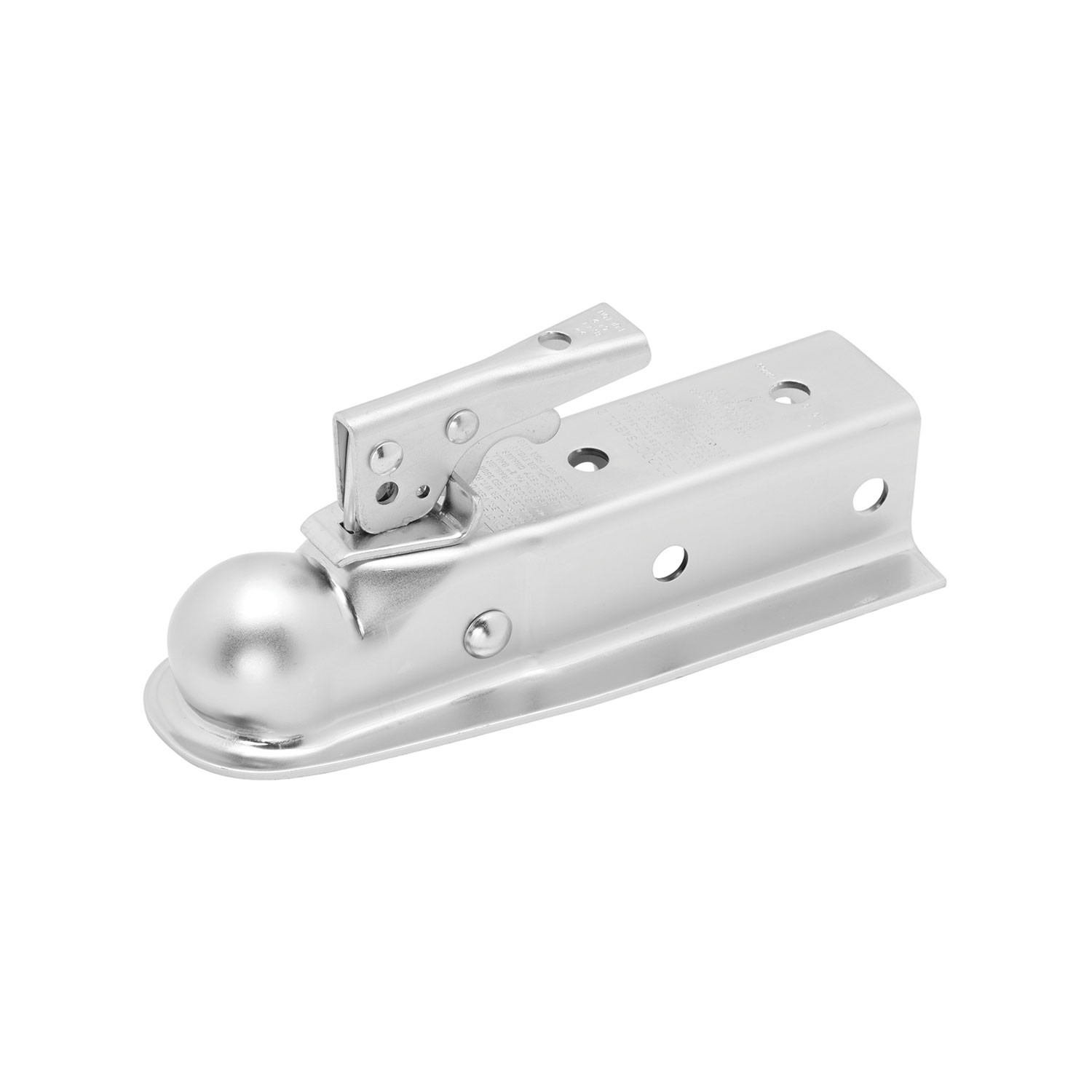
Fulton 3,500 lbs Straight Coupler, 2 in. Diameter, 2-1/2 in. Channel Width FL22250 0317Fulton$40.98Out of Stock
View productOur in-house experts typically reply within one business day.

Fulton


Always the correct part
We know our products
Quality Products
Free Shipping!
Always the correct part
We know our products
Quality Products
Free Shipping!


Fulton has produced marine and utility trailer hardware for more than a century, and its jacks, winches and couplers are a standard for light and medium-duty trailering. The XLT and F2 series cover swivel and fixed jacks, hand and powered winches from 1,500 to 3,200 pounds, and couplers built to keep working in wet, salty conditions.
With more than a hundred years of production behind it, Fulton has become the reference point for light and medium-duty trailer hardware, particularly on the marine side. That environment is the toughest test a trailer component faces. A boat trailer is reversed into fresh or salt water on every launch and left to sit wet, which finds every weakness in plating, sealing and material choice. Fulton's stated position is that the brand performs best when the weather is at its worst, and its product engineering reflects that. It sits within the Horizon Global towing group alongside Reese, Draw-Tite, Bulldog, Tekonsha and Wesbar.
Marine and utility jacks anchor the line. The XLT Series marine jack uses a bolt-through swivel mount built from three-dimensionally formed heavy-gauge steel stampings with a proprietary bushing material, a combination chosen to minimise deflection under tongue load while keeping the swivel action working after years of exposure. The F2 Series takes corrosion resistance further as the industry's only extruded aluminium marine jack with an anodised finish, which removes the rust problem at its source rather than coating over it. The wider trailer jack range covers topwind, sidewind and drop-leg configurations.
Trailer winches pull boats onto bunks and rollers. XLT Series winches use efficient gear ratios, full-length drum bearings, oil-impregnated shaft bushings and a Comfort Grip handle that makes the last few turns under load bearable, in 1,500 and 1,800 pound capacities. F2 Series winches use an enclosed frame for a cleaner look and added protection, in 1,600, 2,000 and 3,200 pound models, including two-speed options that trade line speed for cranking effort.
Couplers complete the range, including A-frame couplers matched to common tongue sizes and load ratings, serving boat owners, utility trailer users and trailer manufacturers.
Experts available to answer your questions
Call 888-634-94945 Years
A stamped coupler is a trailer hitch coupler that connects a trailer tongue to a towing vehicle's hitch ball. It is available in Class 1, 2, 3, and 4 ratings and comes in three latch styles: Fas-Lok, Yoke-style, and Low-Latch. The coupler can be installed either by bolting to the tongue or by welding, depending on your trailer type and preference.
This coupler is designed for two tongue types: straight tongue couplers (for Class 1, 2, 3, and 4) and A-frame couplers (which can only be used with 50-degree trailer tongues). The coupler's internal stop must be butted against the end of the trailer tongue for maximum overlap.
No. A-frame couplers can only be used with 50-degree trailer tongues. Using this coupler with any other tongue angle will not be safe or effective.
The preferred method is to use four (4) 3/8" grade 5 bolts through the side holes. An alternate method is to use two (2) 3/8" grade 5 through bolts and locknuts, provided they can be torqued to the appropriate SAE proof load specification of 23 ft. lbs. No deformation of the trailer tongue end is allowed.
The preferred method is to use four (4) 1/2" grade 5 bolts through the side holes. An alternate method is to use two (2) 1/2" grade 5 through bolts and locknuts, provided they can be torqued to the appropriate SAE proof load specification of 55 ft. lbs. No deformation of the trailer tongue end is allowed.
Use the available mounting holes in the coupler housing and bolt the coupler to the tongue members using grade 5 hardware with locknuts. For couplers using 1/2" hardware, use washers beneath all bolt heads and locknuts. Torque grade 5 bolts with locknuts to the appropriate SAE proof load specification (1/2" = 55 ft. lbs.). No deformation of the trailer tongue end is allowed.
Use the two (2) 5/8" x 5" grade 5 bolts provided with the mounting bracket. Insert them through the desired mounting bracket holes and the coupler holes, then tighten the locknuts to 100–110 ft. lbs.
Yes, gussets are required if your trailer tongue height is 6 inches or less. If your tongue is taller than 6 inches, gussets are not required.
A minimum coupler/tongue overlap of 6.5 inches is required for both bolt-on and weld-on installations. The coupler's internal stop must be butted against the end of the trailer tongue to achieve maximum overlap.
Yes. The mounting bracket must be centered on the tongue and remain vertical after installation. This is essential for proper coupler operation and load support.
Before mounting the coupler, confirm that there will be no interference from the tow vehicle, tongue, ground, and any other mounted accessories while stationary or in motion. Check for interference in both open and closed positions before installing, and check again after installation is complete.
For bolt-on couplers, you will use existing holes in the coupler and mounting bracket; the manual does not specify whether drilling of the trailer tongue is required. For weld-on couplers, no drilling is required—the coupler is welded directly to the tongue members. Consult your trailer manufacturer or installer to confirm whether tongue drilling is needed for your specific bolt-on installation.
Welding is required only if you choose the weld-on installation method. For bolt-on installation, no welding is needed. If you do weld, all welding must be performed by an AWS-certified welder. A 1/4" minimum fillet weld is required all around the mounting bracket, and a 1/8" minimum fillet weld is required for straight tongue couplers or 3/16" minimum for A-frame couplers on the sides and top.
Yes, the coupler can be primed or painted after installation. However, you must remove all excess paint or primer buildup from the ball pocket and latching mechanism to ensure the coupler operates properly.
Torque 3/8" grade 5 bolts to 23 ft. lbs. according to SAE proof load specifications.
Torque 1/2" grade 5 bolts to 55 ft. lbs. according to SAE proof load specifications.
Torque 5/8" grade 5 bolts to 110 ft. lbs. according to SAE proof load specifications.
Tighten the two (2) 5/8" x 5" grade 5 bolts that attach the coupler to the adjustable height channel mounting bracket to 100–110 ft. lbs.
Before towing, perform these checks: (1) Check the vehicle, mounting bracket, hitch, hitch ball, and coupler for signs of wear or damage. (2) Ensure the coupler handle opens and closes freely. (3) Replace any bent, broken, or worn parts. (4) Close the coupler securely, ensuring the hitch ball is fully seated in the ball pocket and the handle or latch is in the closed position. (5) Check mounting bracket hardware for wear and proper tightness; tighten to appropriate SAE proof load specifications using only grade 5 hardware. (6) Verify that trailer safety chains are properly connected to the towing vehicle and trailer according to SAE J684. (7) Confirm all trailer lighting is hooked up and working properly.
Use only the proper ball for this coupler as indicated on the coupler body. If you are uncertain which ball is correct, contact Cequent Performance Products at 1-800-632-3290 or www.cequentgroup.com.
Weigh your trailer plus any added load. Do not exceed the lesser of the weight ratings for the mounting bracket, coupler, hitch, vehicle, ball, or trailer (including load). Exceeding these ratings can result in failure and serious injury or death.
Always block the trailer wheels before latching or unlatching the coupler. This prevents the trailer from rolling and causing injury or damage.
Use caution when uncoupling because the tongue may rise suddenly due to negative tongue load. This sudden movement can cause injury if you are not prepared for it.
Do not use the coupler if its operation has been impaired in any way. If the coupler and/or mounting bracket is deformed or damaged, replace the complete coupler and mounting bracket. After installing the mounting bracket and/or coupler, check that coupler operation has not been impaired. If it has, do not use it.
No. Do not tow if the ball is not fully seated and/or the coupler is not closed. Failure to ensure the ball is fully seated in the coupler ball pocket and the handle or latch is in the closed position can result in the trailer separating from the towing vehicle.
After installation is complete, check that the coupler operation has not been impaired in any way. Verify that the coupler handle opens and closes freely and that the latch mechanism functions properly. Do not use the coupler if its operation has been impaired.
The following procedures should be performed at least annually: (1) Check welds and mounting bolt torque. (2) Grease the ball pocket. (3) Oil pivot points with SAE 30 wt. motor oil.
Keep the ball pocket and mechanism clean. When parking or storing your trailer, keep the coupler off the ground so dirt and/or other foreign material will not build up in the coupler ball pocket.
Oil pivot points with SAE 30 wt. motor oil as part of your annual maintenance.
This coupler fits trailers with straight tongues (Class 1, 2, 3, 4) or 50-degree A-frame tongues. Confirm your tongue type and angle with your trailer manufacturer. The coupler's internal stop must butt against the tongue end for maximum overlap.
Use only grade 5 hardware. The manual specifies grade 5 bolts, locknuts, and washers for all installations.
Yes, gussets are required if your trailer tongue height is 6 inches or less. If your tongue is taller than 6 inches, gussets are not required.
Welding is required only for weld-on installations. All welding must be performed by an AWS-certified welder. For bolt-on installations, no welding is needed.
Torque 3/8" grade 5 bolts to 23 ft. lbs., 1/2" to 55 ft. lbs., and 5/8" to 110 ft. lbs. Torque mounting bracket bolts (5/8" x 5") to 100–110 ft. lbs.
No. Do not tow if the ball is not fully seated in the coupler ball pocket and the handle or latch is not in the closed position. Failure to do so can result in trailer separation.
Perform annually: check welds and mounting bolt torque, grease the ball pocket, and oil pivot points with SAE 30 wt. motor oil. Keep the ball pocket and mechanism clean at all times.
If the coupler handle does not open and close freely, the coupler operation has been impaired. Do not use the coupler. Replace the complete coupler and mounting bracket. Check that no paint, primer, dirt, or other buildup is restricting the mechanism, and remove any excess paint or primer from the ball pocket and latching mechanism.
If the hitch ball is not fully seated in the ball pocket with the handle or latch in the closed position, do not tow. Repeat the coupling steps. Ensure the correct hitch ball is being used (check the coupler body for the specification). If the problem persists, the coupler may be damaged or improperly installed. Do not use the coupler until the issue is resolved.
If the latch does not engage when the coupler is closed, do not tow. Repeat the coupling steps carefully. For Fas-Lok style, check that the locking lever is fully moved to the closed position and verify engagement by lifting up on the back of the lever. For Yoke-style, ensure the yoke drops fully over the coupler nose and the latch handle tips enter the slots. For Low-Latch, move the locking lever forward until the latch handle tips enter the slots. If the latch still does not engage, the coupler may be damaged and should not be used.
The ball clamp should be positioned below the hitch ball when the coupler is closed. If it is not, the ball is not properly seated. Do not tow. Repeat the coupling steps to ensure the ball is fully seated in the ball pocket and the coupler is fully closed. If the problem persists, the coupler may be damaged.
Ann
The staff was able to quickly assist me with locating the correct product I needed. Shipping was really fast. Item arrived in 2 days. Will be using TowUniverse again!!
May 22, 2023
Free Shipping
Ships free on all orders
 Authorized Dealer


Quick Ship
In stock and ready to ship — order now!
FREE ShippingFREE SHIPPING
Estimated delivery Sat, Sep 26 - Tue, Sep 29
Order before 2 PM EST Monday–Friday for same-day processing
Guaranteed safe & secure checkout