
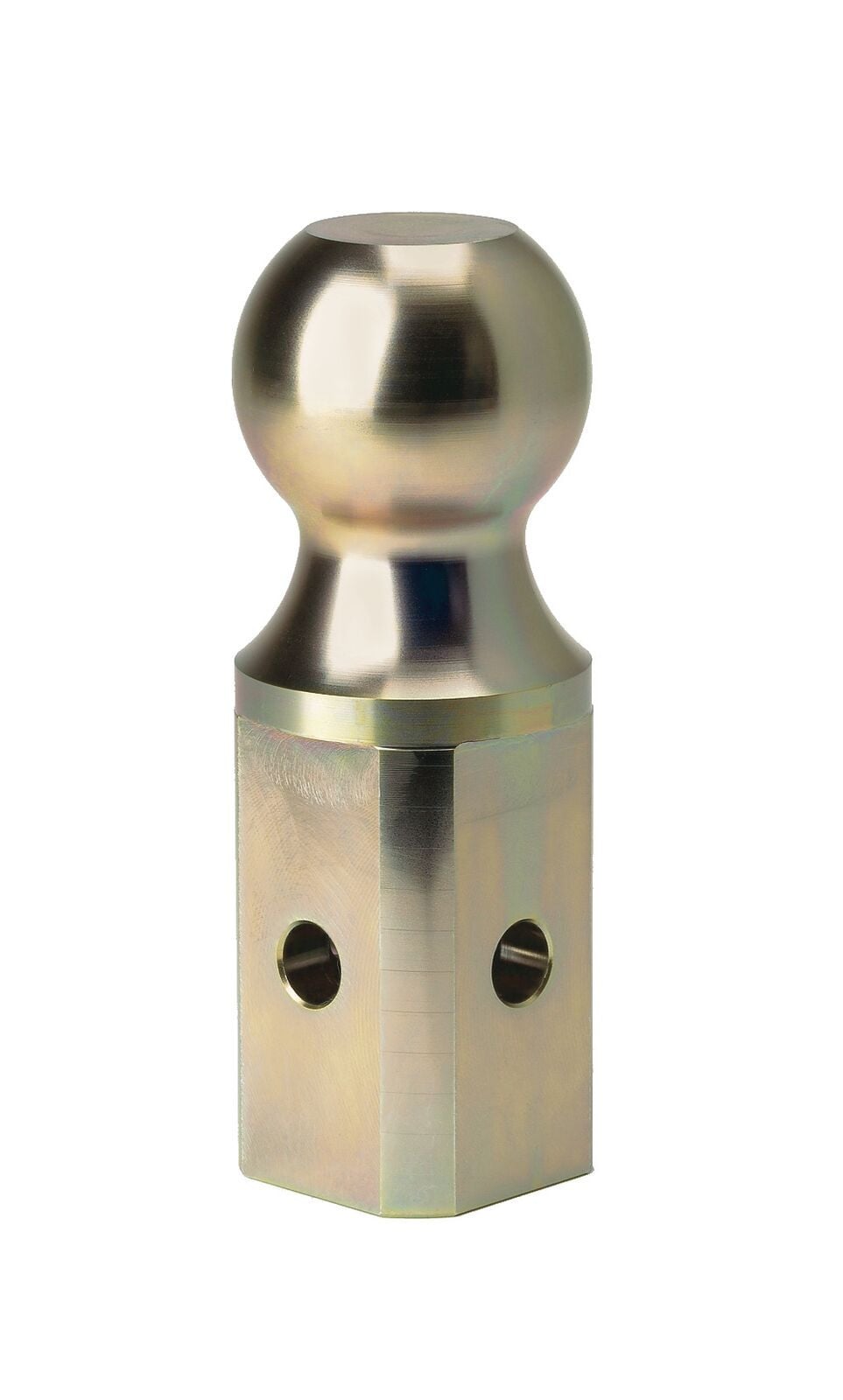
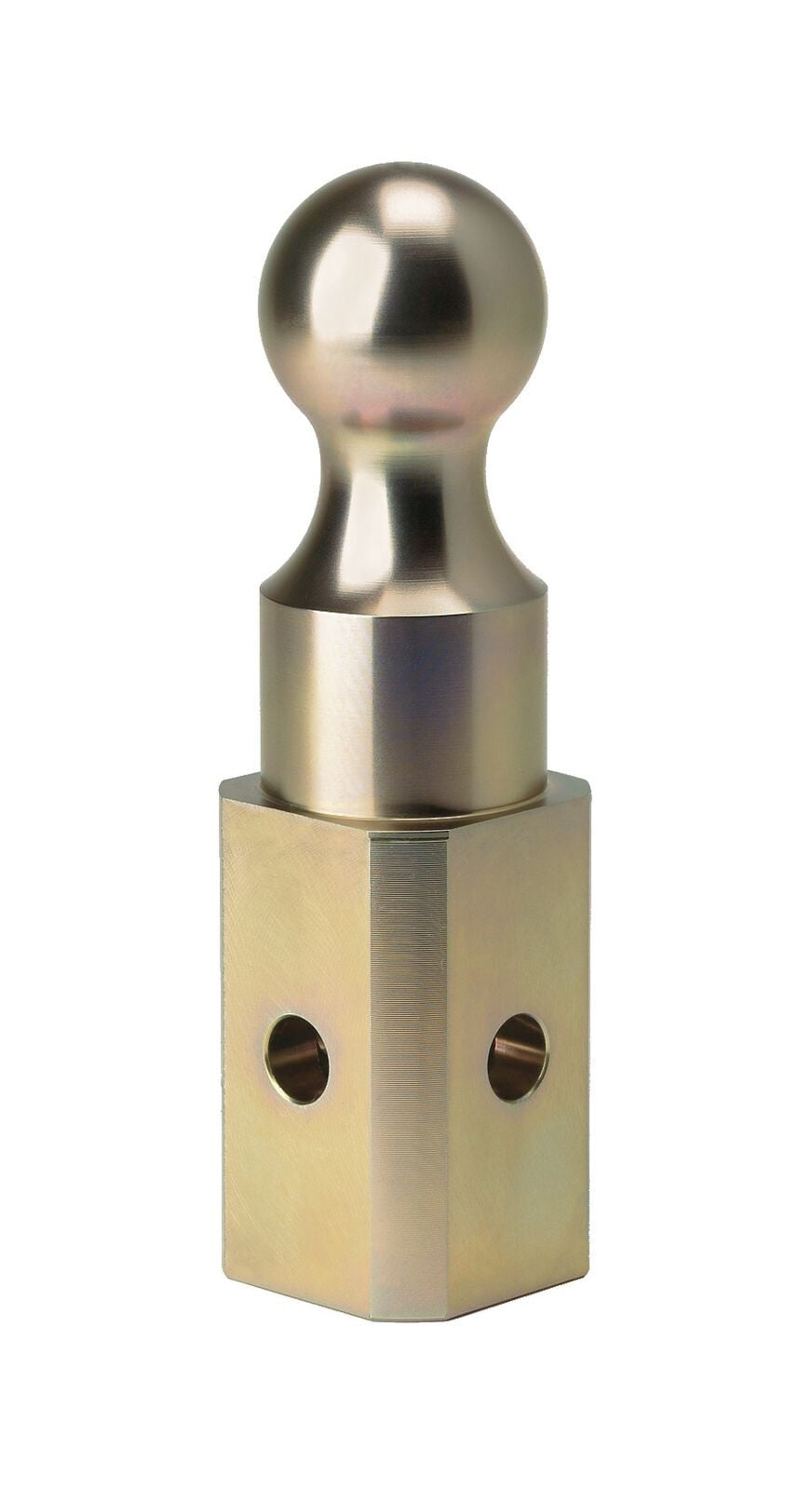
B&W Trailer Hitches 2-5/16" Replacement Ball For Turnoverball Gooseneck Trailer Hitch Ball GNXA2000B&W Trailer Hitches$86.00In Stock
View productOur in-house experts typically reply within one business day.

B&W Trailer Hitches
Verify Fitment
Select your vehicle to confirm this part fits.
1988 - 1998 Chevrolet C1500
Confirmed to Fit
1988 - 2000 Chevrolet C2500
Confirmed to Fit
1988 - 2000 Chevrolet C3500
Confirmed to Fit
1991 - 2000 Chevrolet C3500HD
Confirmed to Fit
1988 - 1998 Chevrolet K1500
Confirmed to Fit
1988 - 2000 Chevrolet K2500
Confirmed to Fit
1988 - 2000 Chevrolet K3500
Confirmed to Fit
1988 - 1998 GMC C1500
Confirmed to Fit
1988 - 2000 GMC C2500
Confirmed to Fit
1988 - 2000 GMC C3500
Confirmed to Fit
1991 - 2000 GMC C3500HD
Confirmed to Fit
1988 - 1998 GMC K1500
Confirmed to Fit


Always the correct part
We know our products
Quality Products
Free Shipping!
Always the correct part
We know our products
Quality Products
Free Shipping!
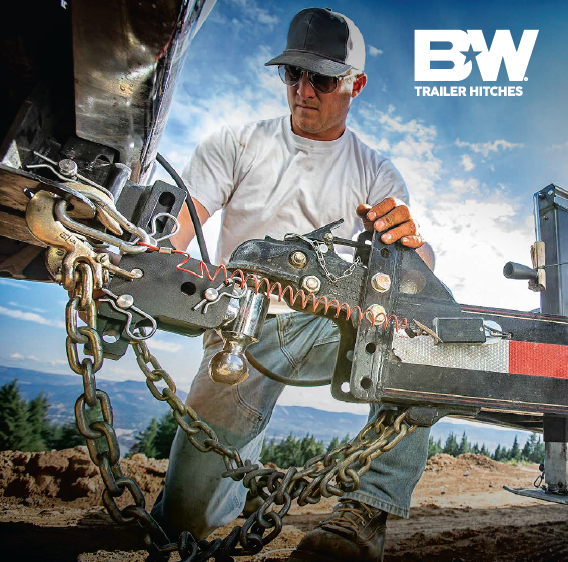
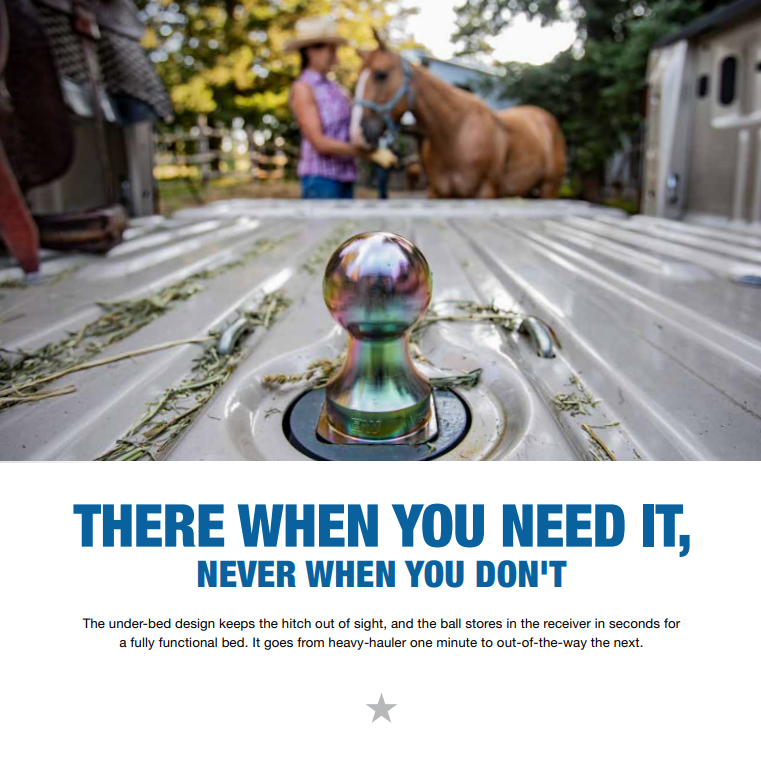
Equip your vehicle with this robust hitch to safely tow your gooseneck trailer. The removable ball can be stored upside down in the hitch when not in use, providing complete bed access. The square ball base is designed to stay put in the hitch.
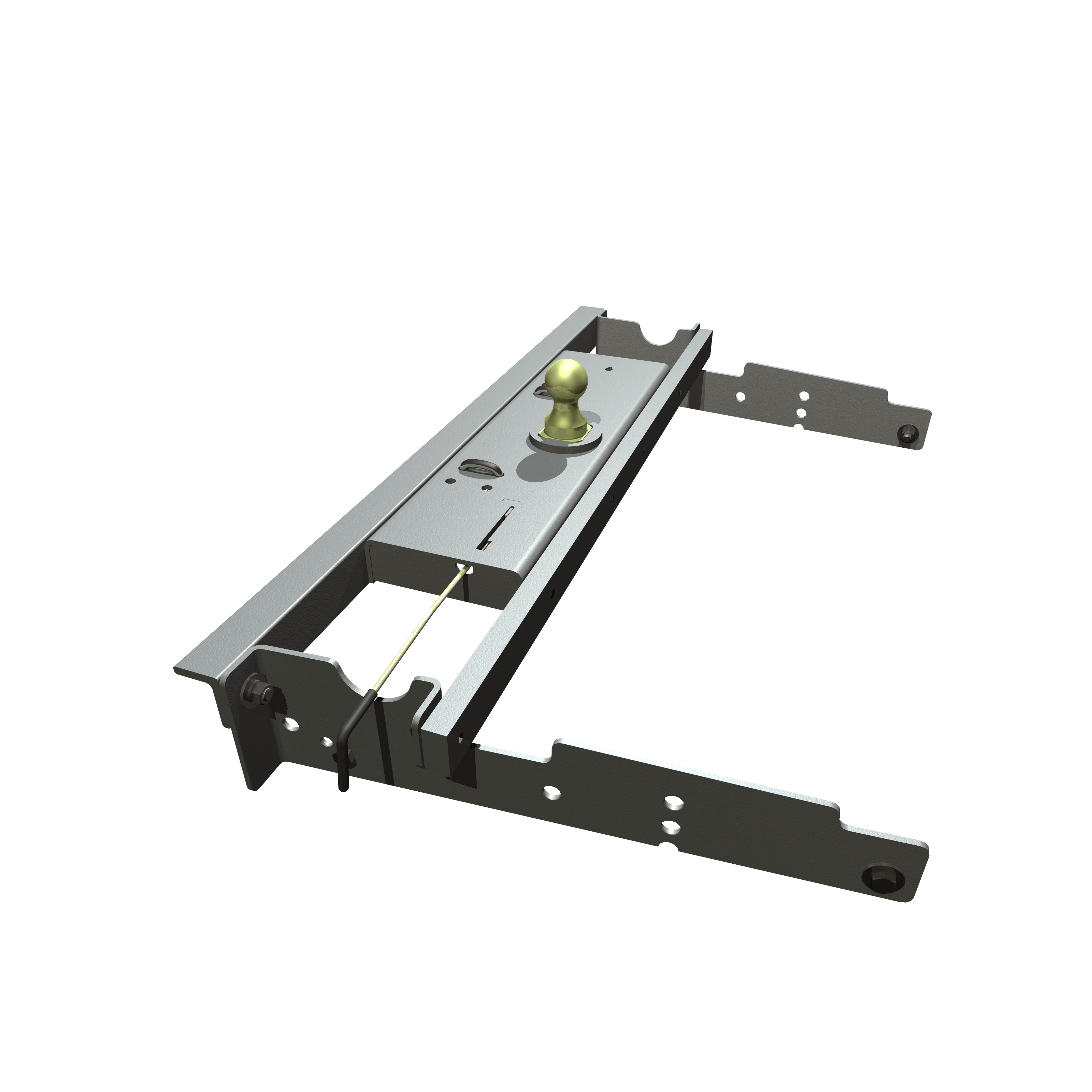
The B&W Turnoverball under-bed gooseneck trailer hitch offers the best of both worlds. It provides a sturdy, reliable connection with your gooseneck trailer for towing, and when not in use, the ball can be stowed upside down in the hitch for full bed access and a clean look.
The durable steel hitch ball included with the Turnoverball system is secured in the hitch with a sturdy, 5/8" thick steel pin integrated into the end of the operating handle. To lock the ball in place, drop it into the hitch hole in your truck bed. Then rotate the handle in your driver's-side wheel well counterclockwise until the latch engages. When the latch is engaged, the spring-loaded pin on the end of the handle will be inserted all the way through the base of the hitch ball, forming a strong, solid connection for secure towing.
When you're done towing, remove the hitch ball by pulling the handle out as far as it will go and then rotating it clockwise until it unlatches. Flip the ball upside down and drop it back into the ball hole of the hitch. Then reengage the latch to secure the stowed ball in place.
The Turnoverball hitch ball is designed with a square base, unlike typical gooseneck balls with round bases. This design makes latching the ball in the hitch easier as the base won't rotate inside of the hitch, making pin alignment a breeze. The base of the ball also fits tightly within the ball hole during storage, preventing any dirt or grime buildup that could cause the ball to seize up in the hitch.
This hitch is custom designed for your vehicle. The included mounting brackets bolt to existing holes in your truck's frame. While some modification is required - you will need to cut a 4" diameter hole in your bed for the hitch ball and drill holes for the built-in safety chain loops - there is no need to weld onto or to drill into your frame.
Once you have the hitch brackets and body installed, set up the operating handle. This handle is designed to be accessed from the rear driver's-side wheel well. On the end of the handle is the heavy-duty steel pin that secures the hitch ball.
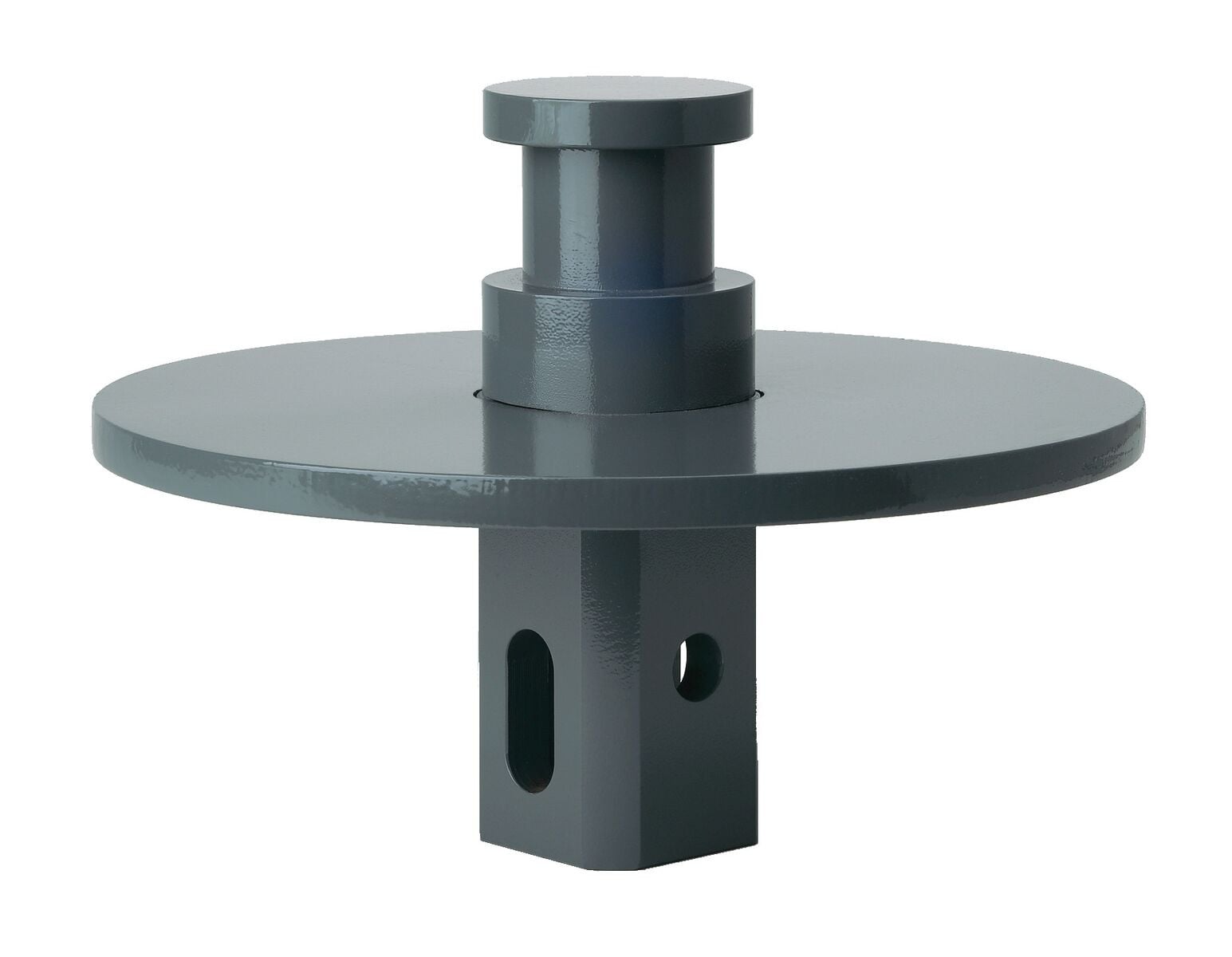
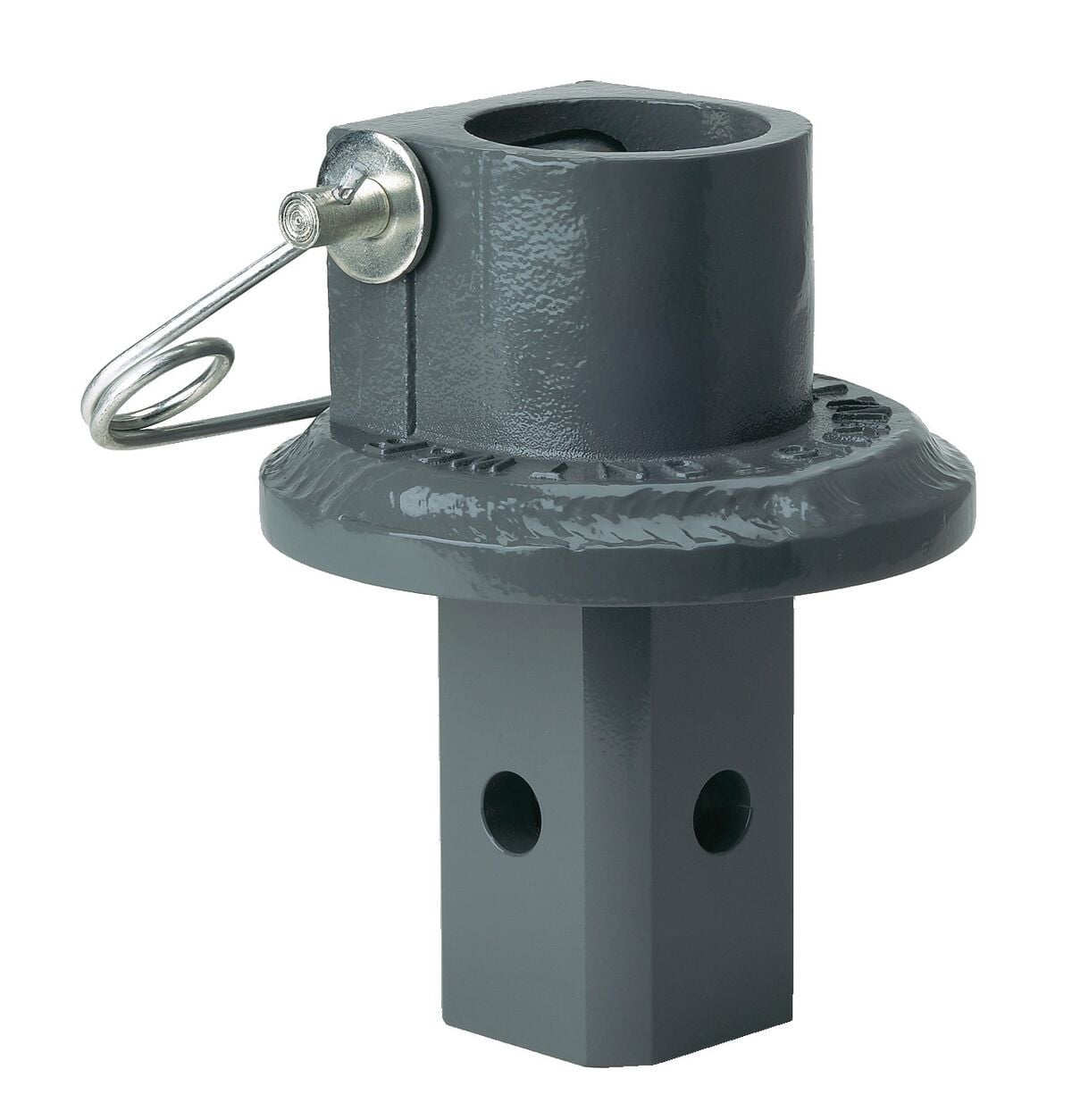
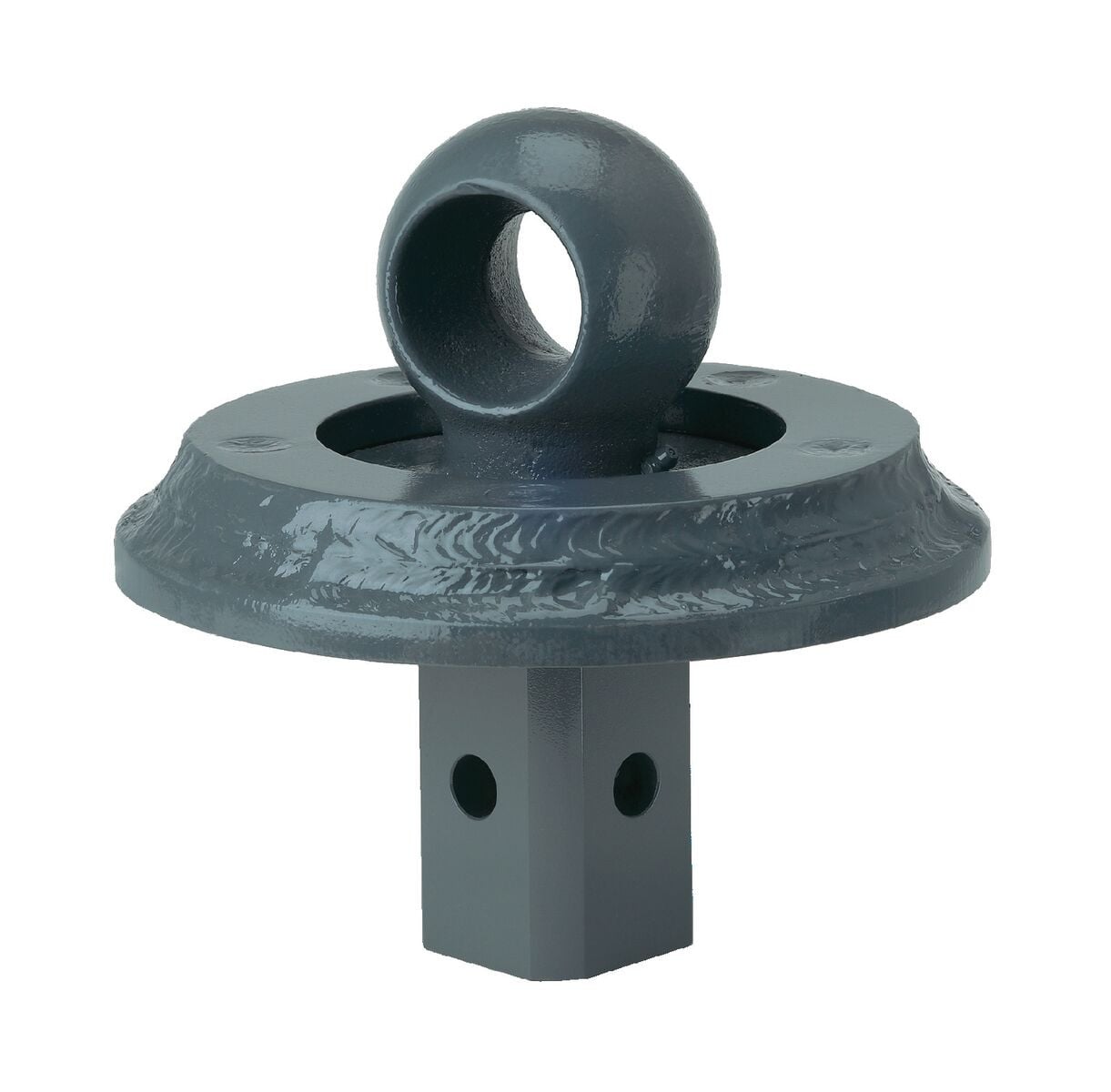
B&W makes it easy to tow just about anything. With the many adapters and accessories available, the Turnoverball can be made to work with almost any gooseneck trailer. Hitch balls are available that have a built-in rise, an offset, and even a different connection type. Add on the Companion fifth-wheel hitch - which attaches directly to the Turnoverball with no other parts required - and you can tow your fifth-wheel trailer.

B&W Trailer Hitches is an American manufacturer known for durable, innovative towing products, including gooseneck hitches, fifth-wheel hitches, receiver hitches, and ball mounts. Built in Kansas by employee-owners, B&W products are engineered for dependable performance, easy installation, and long-lasting quality.
B&W Trailer Hitches is an American manufacturer known for building innovative, dependable towing products designed to make hitching easier and towing more comfortable. The company began in 1987 in Humboldt, Kansas, when founders Roger Baker and Joe Works combined their fabrication experience to build custom truck beds and solve common problems faced by truck owners.
B&W changed the gooseneck hitch industry with the introduction of the Turnoverball Gooseneck Hitch. Its under-bed mounting system and reversible hitch ball allowed truck owners to quickly store the ball beneath the bed, leaving a clean and unobstructed surface when the hitch was not in use. B&W later applied the same practical approach to the Companion Fifth Wheel Hitch, creating a removable fifth-wheel hitch engineered for a quiet, smooth, and secure towing experience.
Today, B&W manufactures gooseneck hitches, fifth-wheel hitches, receiver hitches, ball mounts, and towing accessories at its nearly 600,000-square-foot facility. The company is owned by approximately 500 employee-owners who remain committed to American manufacturing, trusted materials, skilled craftsmanship, and long-lasting product quality.
Whether you are towing a work trailer, livestock trailer, camper, or fifth wheel, B&W Trailer Hitches offers thoughtfully engineered towing equipment built to perform mile after mile.
Experts available to answer your questions
Call 888-634-9494The 1988-1998 Chevrolet & GMC 1500, 2500 & 3500 Short Bed Trucks; 1999-2000 Chevrolet & GMC 2500 & 3500 Short Bed (Full C-Channel Frame) B&W Turnoverball Kit GNRK1050 (Part #BQVLGNRK1050) fits 1988-1998 Chevrolet C1500 models. The 2000 model year is the last year covered by this part number. For newer models, check for an updated version.
Yes, the 1988-1998 Chevrolet & GMC 1500, 2500 & 3500 Short Bed Trucks; 1999-2000 Chevrolet & GMC 2500 & 3500 Short Bed (Full C-Channel Frame) B&W Turnoverball Kit GNRK1050 (Part #BQVLGNRK1050) is designed to fit the 1988-1998 Chevrolet C1500.
The 1988-1998 Chevrolet & GMC 1500, 2500 & 3500 Short Bed Trucks; 1999-2000 Chevrolet & GMC 2500 & 3500 Short Bed (Full C-Channel Frame) B&W Turnoverball Kit GNRK1050 (Part #BQVLGNRK1050) fits the following vehicles: 1988-1998 Chevrolet C1500; 1988-2000 Chevrolet C2500; 1988-2000 Chevrolet C3500; 1991-2000 Chevrolet C3500HD; 1988-1998 Chevrolet K1500; 1988-2000 Chevrolet K2500; 1988-2000 Chevrolet K3500; 1988-1998 GMC C1500; 1988-2000 GMC C2500; 1988-2000 GMC C3500; 1991-2000 GMC C3500HD; 1988-1998 GMC K1500; 1988-2000 GMC K2500; 1988-2000 GMC K3500. Always verify your specific year, make, and model before ordering.
The 1988-1998 Chevrolet & GMC 1500, 2500 & 3500 Short Bed Trucks; 1999-2000 Chevrolet & GMC 2500 & 3500 Short Bed (Full C-Channel Frame) B&W Turnoverball Kit GNRK1050 (Part #BQVLGNRK1050) Refer to the included instructions for installation details. Basic hand tools are typically all you need.
The 1050R fits Chevrolet & GMC 1/2, 3/4 & 1 Ton short bed trucks from 1988–1998. Your 1995 C1500 short bed is within this range and should be compatible. However, the manual states the product was designed for vehicles in original, 'as manufactured' condition, and compatibility with vehicles having replacement parts or other modifications is not guaranteed. Inspect your truck for modifications before installation.
No. The 1050R is designed for Chevrolet & GMC 1999–2000 models only in 3/4 & 1 Ton Heavy Duty configuration. The 1500 is a 1/2 Ton truck and is not listed as compatible. Contact B&W at 620.473.3664 or hitches@turnoverball.com for fitment assistance.
No. The 1050R is designed only for short bed trucks. The manual does not list long bed compatibility. Contact B&W at 620.473.3664 or hitches@turnoverball.com to confirm fitment for your truck.
Before installing this hitch, check for adequate turning clearance between the front of all your trailers and the truck cab. The manual warns that on short bed trucks, inadequate clearance can cause collision during turns. Test the turning radius of your trailers with the truck before installation, or consult with the hitch installer.
Before installation, carefully examine the location of fuel lines, brake lines, and electrical wires along the frame rails. The fuel tank vent, located on top of the gas tank, can be easily damaged during hitch installation. Be certain you will not damage these components when positioning hitch parts, drilling holes, tightening fasteners, and lifting or lowering the truck bed. Also inspect your vehicle for modifications, as compatibility with modified vehicles is not guaranteed.
The manual specifies a 4-inch hole saw or sabersaw for cutting the bed floor hole, and wrenches for installing bolts and nuts. An overhead lifting device such as a chain fall, engine hoist, or cable come-a-long is recommended to lift the center section into place. A tape measure is needed to locate the 4-inch hole at 44 1/4 inches from the tailgate. A torque wrench is required to torque fasteners to 90 ft.-lbs. The manual does not list other specific tools.
The kit includes: 15 × 1/2" cap screws, 19 × 1/2" lock washers, 15 × 1/2" flat washers, 9 × 1/2" finish nuts, 1 × 5/16" × 3/4" carriage bolt, 1 × 5/16" × 3/4" cap screw, 1 × 5/16" lock nut, 8 × 1/2" U-bolts, 4 × conical springs, 4 × 1/2" lock nuts, driver and passenger side plates, front and rear crossmembers, center section, 2-5/16" ball, and latch pin handle. A safety chain kit is also included.
You may drill through a plastic bed liner, but the manual notes it is more difficult to accurately locate the midpoint between the wheel wells and to ensure the bed liner does not move while sawing the 4-inch hole. If you have a bed liner, consider removing it before cutting the hole, or take extra care to secure and mark it accurately.
Measure from the back end (tailgate end) of the truck bed floor by hooking a tape measure over the back of the truck bed—not including the tailgate—and mark the floor at 44 1/4 inches. Center the measurement between the wheel wells. This location is critical to correct installation. Measure, mark, and cut carefully. Use a 4-inch hole saw or mark a 4-inch circle and cut it out with a sabersaw.
Start with the rear crossmember (4), which is the solid bar. It is symmetrical, so it doesn't matter which end goes to the driver's side. From behind the differential, raise the passenger side end of the crossmember up over the frame rail and slide it through until the driver's side can be raised up over that side of the frame. Push the crossmember rearward until it is against the bed crossmember that is directly above the truck's axle.
Position the front angle iron crossmember across the frame with the slotted leg vertical, the horizontal leg at the top, and the slotted side toward the rear of the truck. Place the angle parallel to the rear bar, about 9 inches apart, as shown in the diagram.
Select the driver's side plate (1) and attach the rear slotted tab to the end of the rear crossmember by threading a 1/2" bolt with a flat and lock washer into the threaded hole. Repeat with the passenger side plate. Then install the bolts in the front side plate tabs.
With the center section latch pin mechanism on the driver's side, raise the center section of the hitch up between the crossmembers. Guide the center section up against the bottom of the floor, inserting the round receiver tube through the 4-inch hole cut in the floor. An overhead lifting device such as a chain fall, engine hoist, or cable come-a-long can be used to lift the center section. Lower a loop of rope or chain through the 4-inch hole and attach it to the latch pin in the round hitch receiver tube. Use the lifting device to raise the center section until the round hitch receiver tube fits in the 4-inch hole. Maintaining upward pressure may facilitate fastening the crossmember to the center section.
Pull the front crossmember back against the center section. Insert three 1/2" × 1 1/2" bolts in the front crossmember and through the front legs of the center section. Place a flat washer, lock washer, and nut on the bolts. Leave these bolts loose until after squaring the hitch across the frame.
Thread four 1 1/2" bolts with flat and lock washers into the rear bar from inside the center section.
Square the hitch across the frame and align two of the sideplate holes with existing holes in the truck frame. Install two 1/2" bolts, flat washers, and lock washers on each side. After all fasteners have been installed, torque to 90 ft.-lbs.
To install the safety chain brackets, drill four 1/2" holes through the truck bed floor from beneath the truck, through the four holes nearest the round hitch receiver tube in the center section. This will locate the safety chain brackets in the valley section of the bed floor. Drop a U-bolt through each pair of holes from the topside of the truck bed floor. Place a spring and lock nut on each of the four legs and tighten the lock nuts until they are flush with the bottom of the U-bolt.
Insert the latch pin release handle through the slot in the end of the center section on the driver's side of the truck. Align the handle eyelet with the square hole in the latch pin so the handle is in line with the latch pin. Secure the handle to the pin with the 5/16" × 3/4" carriage bolt and 5/16" locking flange nut. The included 5/16" cap screw can replace the carriage bolt if wrench access on the cab side of the handle is limited. Tighten the nut until it is secure. Do not over-tighten and deform the handle eyelet.
Retract the latch pin by pulling the handle out until it stops and then rotating to the lock out position. Place the 2-5/16" ball in the hitch receiver. Engage the latch pin by rotating the handle back to center. Be certain the latch pin passes through the holes in the 2-5/16" ball and fully engages through the hitch receiver.
All fasteners are torqued to 90 ft.-lbs. after the hitch has been squared across the frame and all fasteners have been installed.
The 1050R includes a 2-5/16" ball.
No. Do not invert the ball in the socket when carrying heavy loads on 2-wheel drive trucks. The ball may hit the top of the differential. Remove the ball from the socket before loading. A plug for the socket is available from B&W.
The latch pin will not function properly if the handle is not installed correctly. Ensure the handle eyelet is aligned with the square hole in the latch pin so the handle is in line with the latch pin. Secure it with the 5/16" × 3/4" carriage bolt and 5/16" locking flange nut, tightened until secure but not over-tightened.
The 1050R fits Chevrolet & GMC 1/2, 3/4 & 1 Ton short bed trucks (1988–1998) and 3/4 & 1 Ton Heavy Duty short bed trucks (1999–2000). Compatibility with modified vehicles is not guaranteed. Contact B&W at 620.473.3664 for fitment confirmation.
Yes. You must cut a 4-inch hole in the truck bed floor at 44 1/4 inches from the tailgate end, centered between the wheel wells. Use a 4-inch hole saw or sabersaw.
An overhead lifting device such as a chain fall, engine hoist, or cable come-a-long is recommended to lift the center section into place. It should be disconnected before squaring the center section across the frame and installing the sideplates.
Leave the three 1/2" × 1 1/2" bolts connecting the front crossmember to the center section loose until after squaring the hitch across the frame. Torque all fasteners to 90 ft.-lbs. after alignment.
All fasteners are torqued to 90 ft.-lbs. after the hitch has been squared across the frame.
Examine the location of fuel lines, brake lines, and electrical wires along the frame rails. The fuel tank vent can be easily damaged. On short bed trucks, check for adequate turning clearance between your trailers and the truck cab.
No. Do not invert the ball in the socket on 2-wheel drive trucks under load—the ball may hit the differential. Remove the ball before loading.
14 compatible vehicles
| Year | Make & Model | Notes |
|---|---|---|
| 1988 - 1998 | Chevrolet C1500 | — |
| 1988 - 2000 | Chevrolet C2500 | — |
| 1988 - 2000 | Chevrolet C3500 | — |
| 1991 - 2000 | Chevrolet C3500HD | — |
| 1988 - 1998 | Chevrolet K1500 | — |
| 1988 - 2000 | Chevrolet K2500 | — |
| 1988 - 2000 | Chevrolet K3500 | — |
| 1988 - 1998 | GMC C1500 | — |
| 1988 - 2000 | GMC C2500 | — |
| 1988 - 2000 | GMC C3500 | — |
| 1991 - 2000 | GMC C3500HD | — |
| 1988 - 1998 | GMC K1500 | — |
| 1988 - 2000 | GMC K2500 | — |
| 1988 - 2000 | GMC K3500 | — |
Free Shipping
Ships free on all orders
 Authorized Dealer

Quick Ship
In stock and ready to ship — order now!
FREE ShippingFREE SHIPPING
Estimated delivery Sun, Sep 27 - Wed, Sep 30
Order before 2 PM EST Monday–Friday for same-day processing
Guaranteed safe & secure checkout
No reviews have been added for this product.