
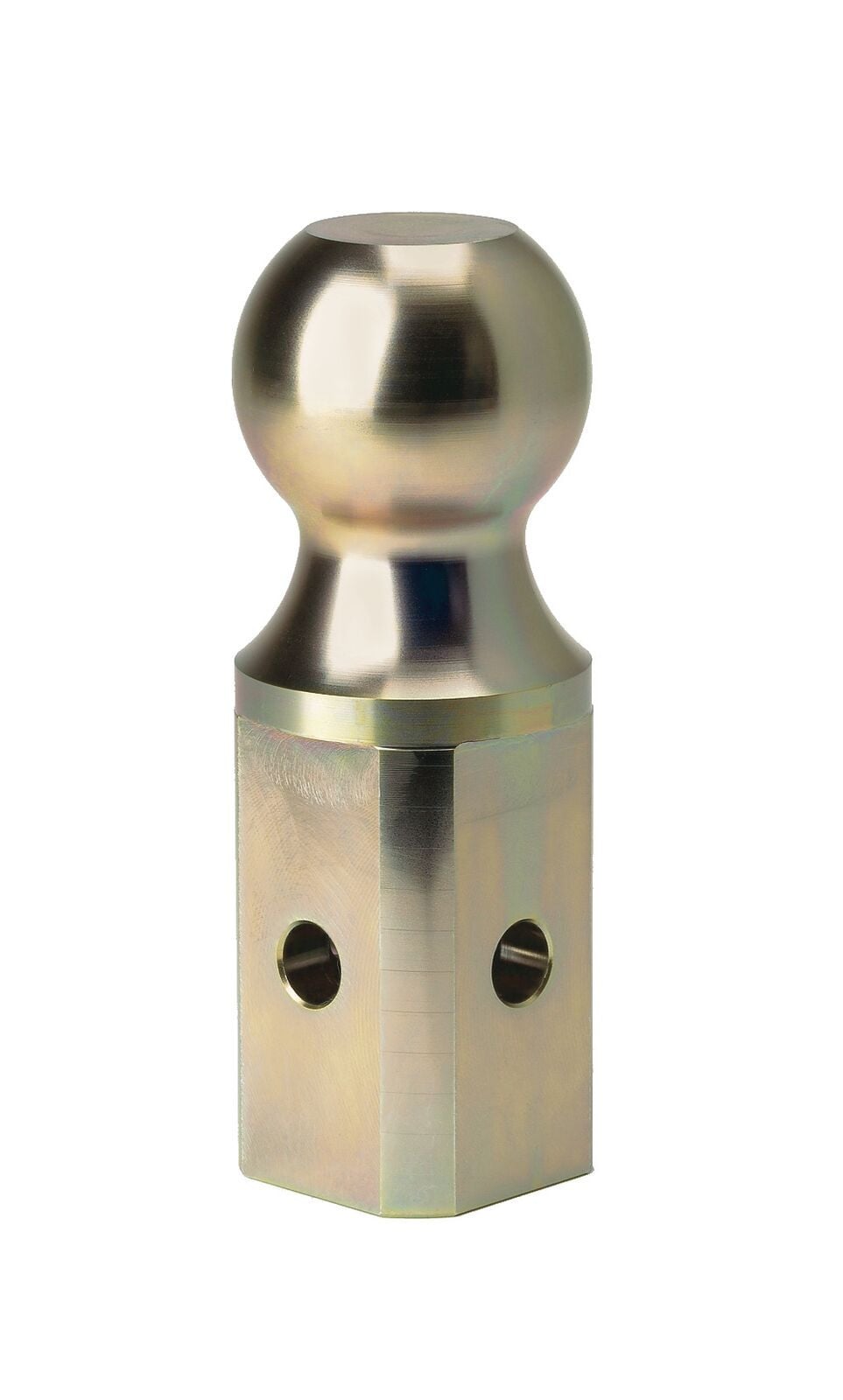
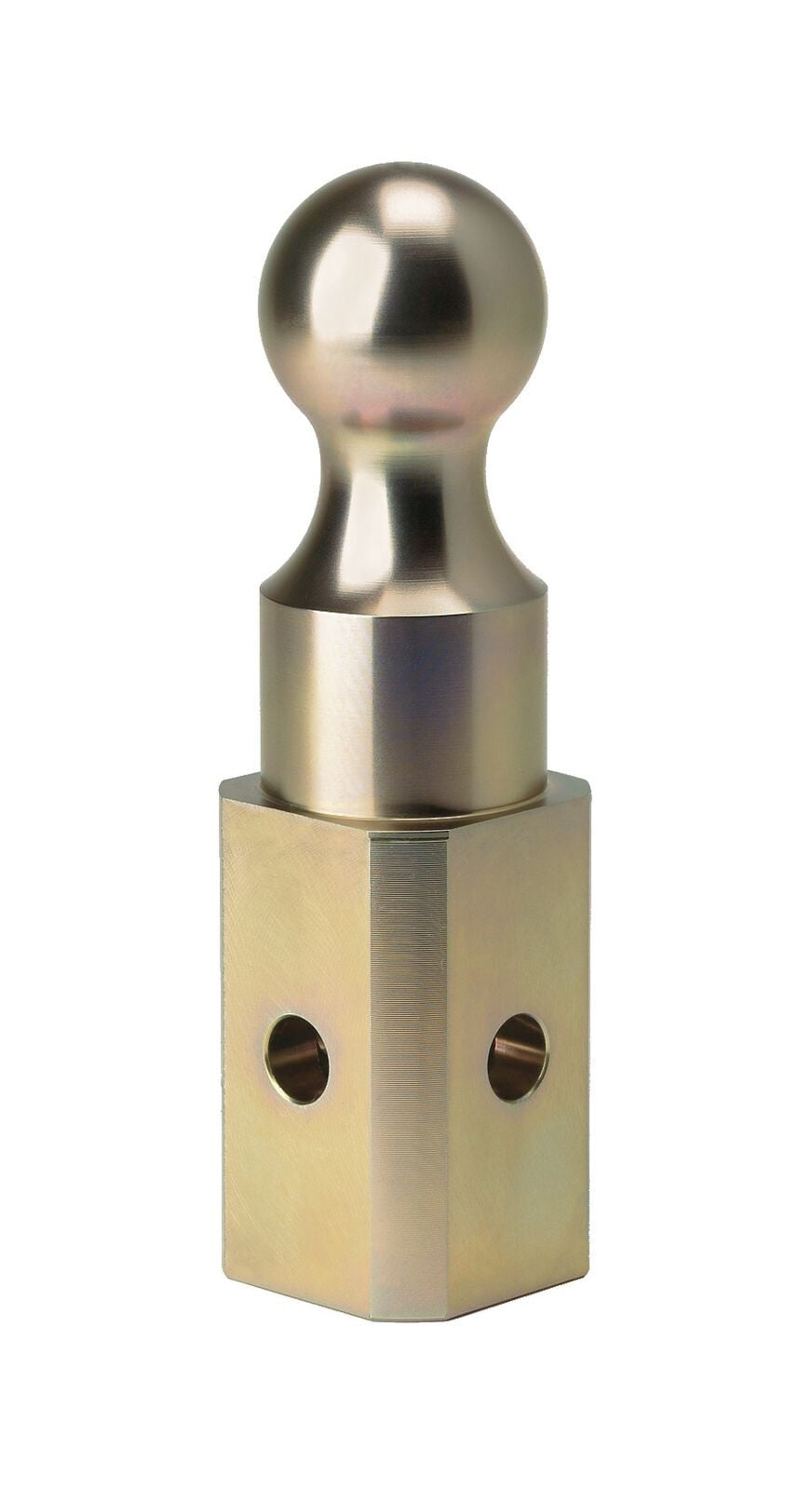
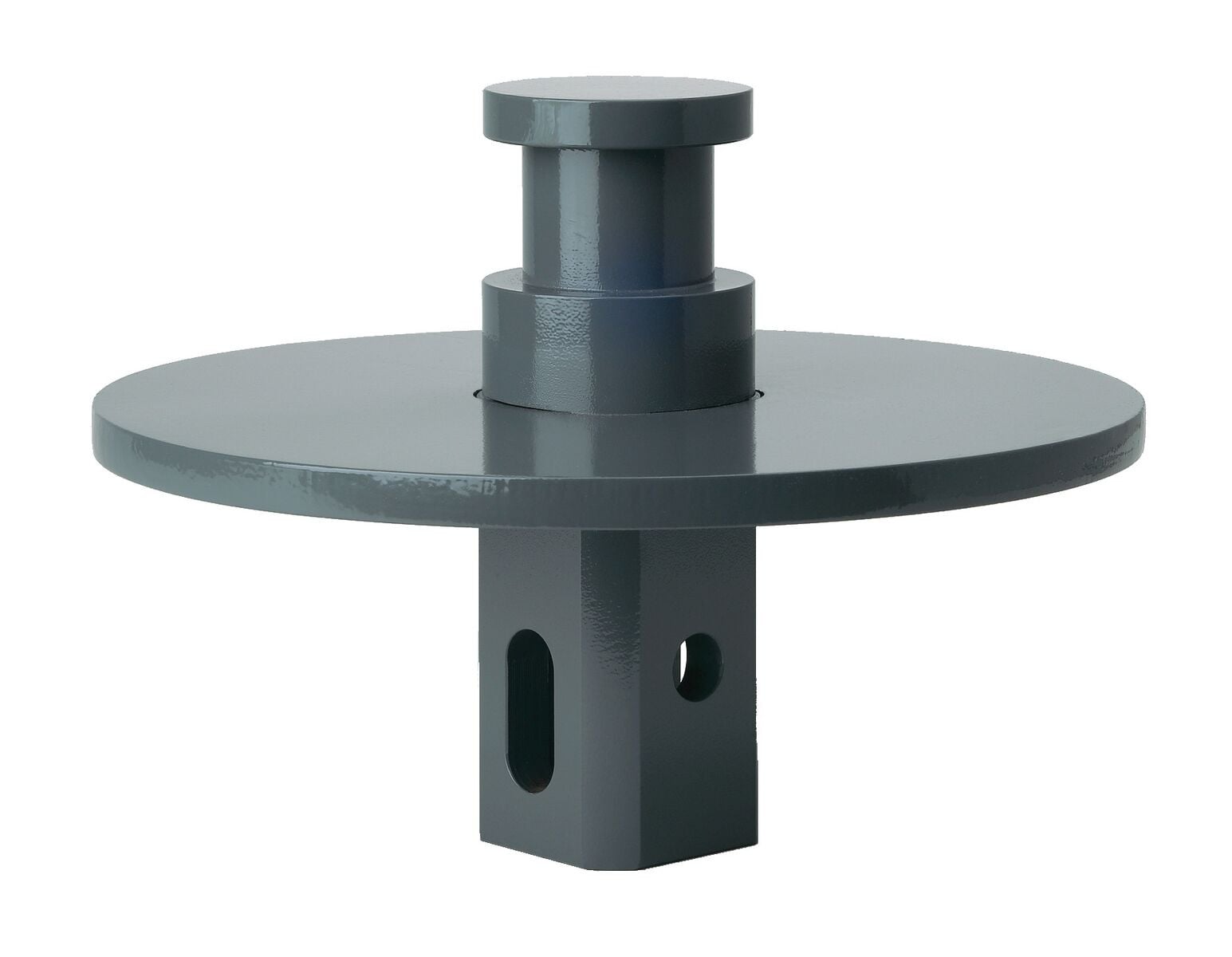
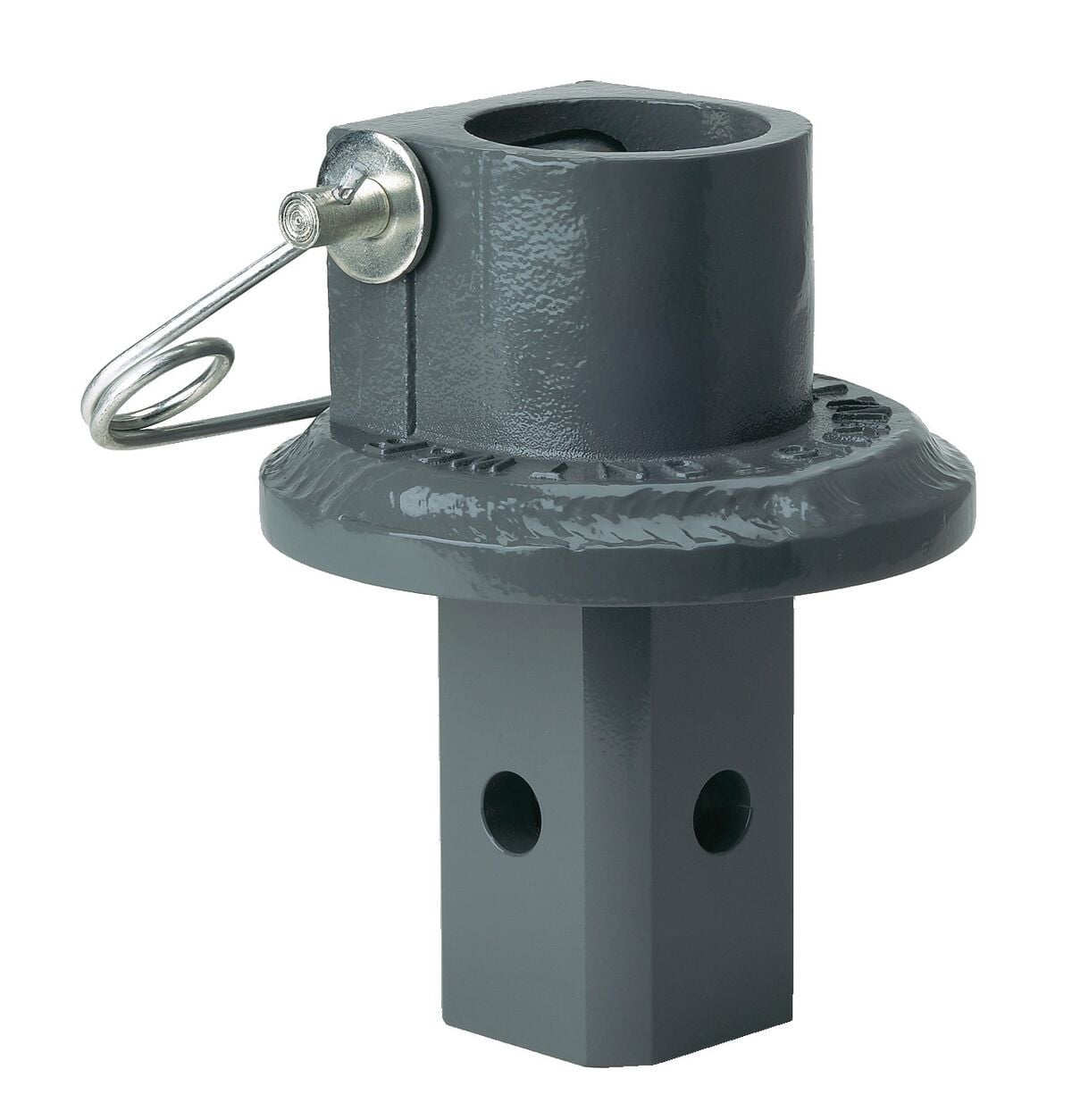
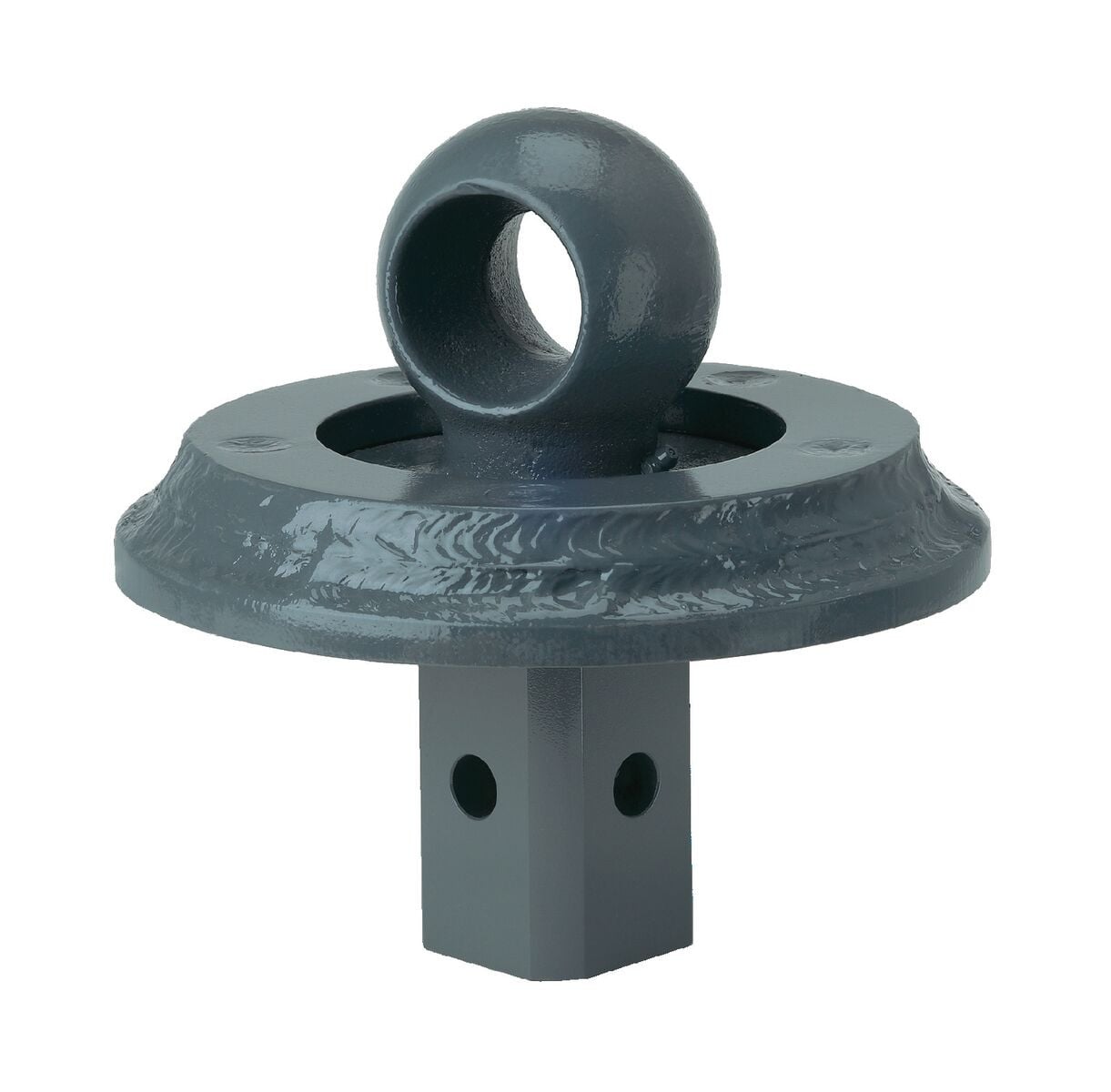
B&W Trailer Hitches 2-5/16" Replacement Ball For Turnoverball Gooseneck Trailer Hitch Ball GNXA2000B&W Trailer HitchesIn Stock
View productOur in-house experts typically reply within one business day.

B&W Trailer Hitches
Verify Fitment
Select your vehicle to confirm this part fits.
2017 - 2018 Nissan TITAN XD
Confirmed to Fit

Always the correct part
We know our products
Quality Products
Free Shipping!
Always the correct part
We know our products
Quality Products
Free Shipping!
Free Shipping
Ships free on all orders
 Authorized Dealer
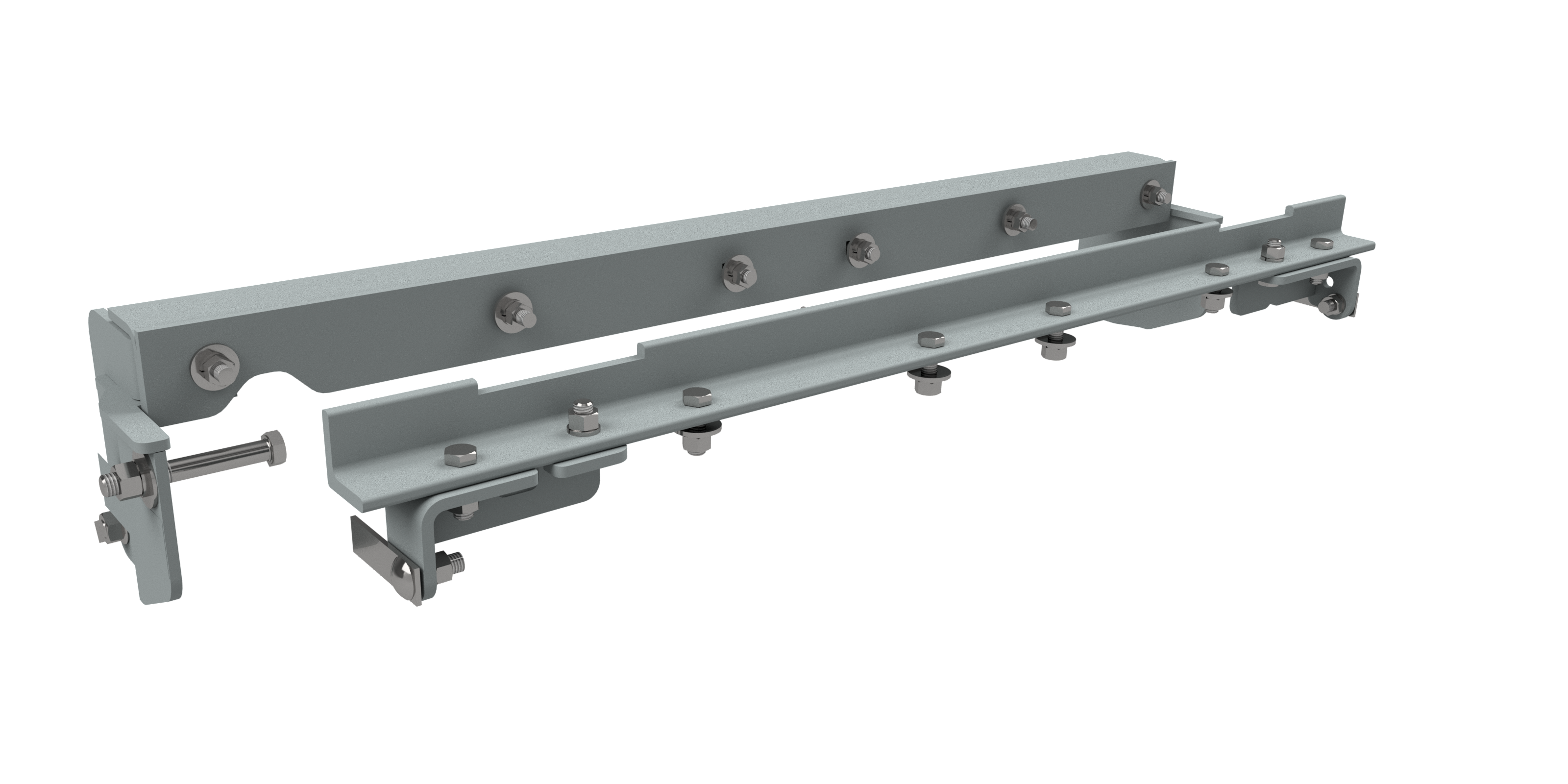
Effortlessly set up your B&W Turnoverball gooseneck trailer hitch center section (BQVLGNRC1219 - sold separately) with our custom-designed installation kit.
Upgrade your towing capabilities with our B&W Under-Bed Installation Kit for Turnoverball Gooseneck. Designed for ease and durability, this kit is the perfect companion for your B&W Turnoverball gooseneck trailer hitch.

B&W Trailer Hitches is an American manufacturer known for durable, innovative towing products, including gooseneck hitches, fifth-wheel hitches, receiver hitches, and ball mounts. Built in Kansas by employee-owners, B&W products are engineered for dependable performance, easy installation, and long-lasting quality.
B&W Trailer Hitches is an American manufacturer known for building innovative, dependable towing products designed to make hitching easier and towing more comfortable. The company began in 1987 in Humboldt, Kansas, when founders Roger Baker and Joe Works combined their fabrication experience to build custom truck beds and solve common problems faced by truck owners.
B&W changed the gooseneck hitch industry with the introduction of the Turnoverball Gooseneck Hitch. Its under-bed mounting system and reversible hitch ball allowed truck owners to quickly store the ball beneath the bed, leaving a clean and unobstructed surface when the hitch was not in use. B&W later applied the same practical approach to the Companion Fifth Wheel Hitch, creating a removable fifth-wheel hitch engineered for a quiet, smooth, and secure towing experience.
Today, B&W manufactures gooseneck hitches, fifth-wheel hitches, receiver hitches, ball mounts, and towing accessories at its nearly 600,000-square-foot facility. The company is owned by approximately 500 employee-owners who remain committed to American manufacturing, trusted materials, skilled craftsmanship, and long-lasting product quality.
Whether you are towing a work trailer, livestock trailer, camper, or fifth wheel, B&W Trailer Hitches offers thoughtfully engineered towing equipment built to perform mile after mile.
Experts available to answer your questions
Call 888-634-94941 compatible vehicles
| Year | Make & Model | Notes |
|---|---|---|
| 2017 - 2018 | Nissan TITAN XD | — |

Quick Ship
In stock and ready to ship — order now!
FREE ShippingFREE SHIPPING
Estimated delivery Sun, Sep 6 - Wed, Sep 9
Order before 2 PM EST Monday–Friday for same-day processing
Guaranteed safe & secure checkout
The B&W Trailer Hitches Turnoverball Mounting Kit Gooseneck Trailer Hitch Mount Kit BQVLGNRM1217 (Part #BQVLGNRM1217) fits 2017-2018 Nissan TITAN XD models. The 2018 model year is the last year covered by this part number. For newer models, check for an updated version.
The B&W Trailer Hitches Turnoverball Mounting Kit Gooseneck Trailer Hitch Mount Kit BQVLGNRM1217 (Part #BQVLGNRM1217) fits the following vehicles: 2017-2018 Nissan TITAN XD. Always verify your specific year, make, and model before ordering.
Yes, the B&W Trailer Hitches Turnoverball Mounting Kit Gooseneck Trailer Hitch Mount Kit BQVLGNRM1217 (Part #BQVLGNRM1217) is designed to fit the 2017-2018 Nissan TITAN XD.
The B&W Trailer Hitches Turnoverball Mounting Kit Gooseneck Trailer Hitch Mount Kit BQVLGNRM1217 (Part #BQVLGNRM1217) Refer to the included instructions for installation details. Basic hand tools are typically all you need.
The B&W Turnoverball Gooseneck Hitch Model 1217 (part number 1217-1-1021) is a gooseneck hitch designed specifically for 2017–2018 Nissan Titan XD Model S trucks. It comes equipped with a 2-5/16" ball and is designed so the ball can be inverted and stored below the truck bed surface when not in use. The hitch is designed to fit vehicles in their original, "as manufactured" condition; compatibility with vehicles having replacement parts or other modifications is not guaranteed.
Yes, the Model 1217 is designed for both 8-foot long-bed and short-bed (less than 8 feet long) Nissan Titan XD trucks. However, the manual warns that cab clearance on short-bed trucks is very limited when towing certain trailers. You must measure the trailers you plan to tow and verify that the 2-5/16" ball location will provide ample turning clearance between the nose of the trailer and the truck cab before installation. Failure to ensure adequate clearance may result in significant property damage or serious injury.
Yes, but you must account for the thickness of the spray-in bed liner when measuring the hole location. The manual states that if your truck has a spray-in bed liner, you will need to add the thickness of the applied liner that has been sprayed over the end of the bed to your measurement. This is important because the 4" hole must be cut in the precise location (46-1/2" from the rear edge of the bed) for proper installation.
Yes, the hole may be cut through both the plastic bed liner and the bed. However, the manual notes that locating the center of the truck bed may be more difficult, and the mark may be harder to hit if the liner slides or moves. Failure to cut the hole in the correct location may adversely affect the installation and may result in property damage. Take extra care when measuring and marking the hole location.
Trailers towed with the Model 1217 must have a 2-5/16" coupler. The hitch comes equipped with a 2-5/16" ball. Towing with a larger coupler could cause loss of attachment between the trailer and the tow vehicle.
Required tools include: 1/2", 3/4", and 15/16" box-end wrenches; marking tool (pencil or permanent marker); 4" hole saw; flashlight; drill with 1/2" bit; eye protection; ear protection; torque wrench; lifting device; tape measure; pry bar; and impact wrench or ratchet with 1/2", 3/4", and 15/16" sockets. A pilot hole drill bit is also recommended. A simple mechanical lifting device is available for purchase from B&W to safely hold the hitch in position during installation.
The Mounting Kit Box (GNRK1217) includes: driver and passenger side plates; front and rear cross members; front cross member brace; driver and passenger side pin brackets; 4 pieces of 1/2" x 48" fish wire; 2 bolt guide assemblies; 2 bolt retainers; 2 locking straps; 2 O-rings; 8 pieces of 1/2" x 1-1/2" cap screws; 2 pieces of 1/2" x 1-1/2" carriage bolts; 6 pieces of 1/2" x 2" carriage bolts; 10 pieces of 1/2" flat washers; 16 pieces of 1/2" lock washers; 16 pieces of 1/2" finish nuts; 2 pieces of 5/8" x 4-1/2" cap screws; 2 pieces of 5/8" flat washers; 2 pieces of 5/8" lock washers; 2 pieces of 5/8" flange nuts; and 2 pieces of 5/8" finish nuts. The Center Box (GNRC1219) includes the center assembly, 2-5/16" ball, and latch pin handle. The Safety Chain Kit includes 2 pieces of 1/2" U-bolts, 4 conical springs, 4 pieces of 1/2" lock nuts, 1 piece of 5/16" x 3/4" cap screw, 1 piece of 5/16" x 3/4" carriage bolt, and 1 piece of 5/16" flange nut.
Removing the spare tire is optional. The manual states that following the vehicle manufacturer's instructions, you may remove the spare tire to provide easier access to the area where the hitch will be installed. If you do remove it, you must replace it after installation is complete.
The 4" hole must be located 46-1/2" from the rear edge of the bed (measured at the tailgate end) and centered between the wheel wells. To find the center of the bed, measure the distance between the wheel wells and divide by two. The center of the hole will be at the intersection of these two measurements. This location is critical; failure to place the hole precisely may result in added difficulty during installation or property damage.
Yes, the fuel valve canister must be lowered during installation. Locate the rectangle-shaped fuel valve canister and remove the three small bolts that hold the canister bracket to the truck using a 10mm wrench. Slide the canister toward the center of the truck far enough to allow the end toward the frame to be pulled downward, then slide it back toward the frame to allow the complete canister to drop down about 4 to 5 inches, providing space for installation. The canister will be re-attached in a later step.
Most trucks have fuel lines, brake lines, electrical wires, or other vehicle systems located along the frame rails or in the general area where the B&W Turnoverball hitch installs. You must carefully examine the locations of these systems before installation and make certain that they are not damaged during positioning hitch components, drilling holes, or tightening fasteners. Damage to these systems may result in property damage, serious injury, or death.
Yes, drilling is required. You must cut a 4" diameter hole in the truck bed using a 4" hole saw or by marking out the 4" hole and using a saber saw equipped with a metal-cutting blade. The hole must be cut in the marked location (46-1/2" from the rear edge of the bed, centered between wheel wells). Additionally, you must drill four 1/2" holes through the truck bed for the safety chain U-bolts, using the holes in the center section as a guide. Any burrs created during drilling must be removed.
Yes, trimming is required. You must cut two small V-shaped notches in the bed flange just above the frame in the driver side wheel well. These notches are required for installing the hitch's rear cross member. The notches are 7/16" wide and 13/16" tall, positioned 2-1/4" from the edge. This modification is permanent.
No. The manual explicitly states: "Do not modify this product in any manner. Doing so could alter its integrity and lead to a loss of attachment between the trailer and the tow vehicle."
Some vehicles are equipped with various designs of plastic liners inside the rear wheel wells. If liners prevent installation, they may be temporarily removed. After installation, if a fender liner restricts the movement of the latch pin release handle, it is recommended that the liner be modified by cutting a relief slot or hole to allow the handle to move freely.
Torque all 1/2" hardware connections to 110 ft. lbs. and all 5/8" hardware connections to 150 ft. lbs. The fasteners must be tightened in a specific sequence: first, tighten the bolts attaching the cross member brackets to the rear cross member; second, tighten the carriage bolts attaching the front cross members to the side plates; third, tighten the bolts attaching the cross member brackets to the inside of the frame; and fourth, tighten the 5/8" bolts attaching the side plates to the outside of the frame. Failure to follow this sequence may result in hitch component misalignment, which could affect hitch performance or result in property damage or serious injury.
The Model 1217 hitch itself does not require electrical connections. However, during installation you must temporarily remove a wiring connector attached to the round frame cross member for additional clearance. This connector must be replaced on the bracket welded to the round frame cross member after the hitch installation is complete.
Do not exceed the tow or tongue rating of the coupler, hitch, truck, or trailer. Understand all risks involved with towing before proceeding; refer to "The Trailer Handbook: A Guide to Understanding Trailer and Towing Safety" from the National Association of Trailer Manufacturers (www.NATM.com) and your trailer manufacturer's owner's manual. When towing a wedge car trailer, load heavy cars over the axles and never tow with a single car on the front of the trailer. Never exceed speeds that are reasonable for roadway conditions. Do not invert the ball in the socket when carrying heavy loads on 2-wheel-drive trucks, as the ball may hit the top of the differential; remove the ball from the socket before loading. Do not operate the tow vehicle while the latch is in the open position, as the handle may contact the rear tire, potentially damaging the tire or handle and causing serious injury or death.
A visual inspection of the hitch should be performed before each time you tow. Regularly check that all pinned connections are secure and that all bolted connections are at the correct torque specification (1/2" hardware to 110 ft. lbs., 5/8" hardware to 150 ft. lbs.). Check for cracks or damage to the hitch. Do not tow with the hitch if cracks or damage outside of normal wear are found. Towing with a hitch that has cracks or damage could result in damage to the tow vehicle, trailer, towing components, or loss of attachment between the tow vehicle and trailer.
The handle operates in a very tight space within the wheel well of the truck. Use caution when operating the handle so that your hands and fingers do not get injured on the sharp edges of the truck or by getting pinched against the frame due to the force of the spring-loaded latch pin. To disengage the pin, pull the handle out all the way until it stops, then rotate it clockwise. To engage the pin, rotate the handle counterclockwise until the handle retracts and engages the 2-5/16" ball. The latch should only be put in the open position when inverting the 2-5/16" ball or installing a B&W towing accessory.
After installation, the hitch must be square in the truck. With a tape measure, check the distance between the Turnoverball hitch and the nearest bed cross member. The distance between the hitch and the cross member should be consistent on the driver side and the passenger side of the hitch. If the center section is not parallel with the axle, certain accessories to the Turnoverball hitch will not be square with the truck, which could affect hitch performance.
The latch pin will not function properly if the handle is not installed correctly. When installed correctly, the latch pin may be disengaged from the ball by pulling on the handle from the driver side wheel well and rotating the handle clockwise. The handle must be fastened so that the bolt head is on the handle side and the lock nut is on the tab side. The tab is welded to the pin in an offset position so that the handle will be lined up over the center of the pin. If the handle is fastened to the other side of the tab, the handle will not function properly. When installed correctly, the latch pin will pass through the 2-5/16" ball and fully engage through both walls of the hitch receiver.
Perform a visual inspection of the hitch before each time you tow. Regularly check that all pinned connections are secure and that all bolted connections are at the correct torque specification (1/2" hardware to 110 ft. lbs., 5/8" hardware to 150 ft. lbs.). Check for cracks or damage to the hitch. Apply a light coating of grease to the corners on the square shank of the 2-5/16" ball. Do not tow with the hitch if cracks or damage outside of normal wear are found.
The Model 1217 comes with a Limited Lifetime Warranty. See bwtrailerhitches.com/warranty for details.
The Model 1217 comes equipped with a 2-5/16" ball. Trailers towed with this ball must have a 2-5/16" coupler. Towing with a larger coupler could cause loss of attachment between the trailer and the tow vehicle.
Yes, the Model 1217 is designed specifically for 2017–2018 Nissan Titan XD Model S trucks in both long-bed and short-bed configurations. It is designed to fit vehicles in their original, "as manufactured" condition; compatibility with modified vehicles is not guaranteed.
You will need a 4" hole saw, 1/2" drill bit, torque wrench, fish wire (included), lifting device (optional but recommended), and standard wrenches (1/2", 3/4", 15/16"). A pilot hole drill bit and pry bar are also recommended.
Torque all 1/2" hardware to 110 ft. lbs. and all 5/8" hardware to 150 ft. lbs. Fasteners must be tightened in the specified sequence to avoid misalignment.
Trailers must have a 2-5/16" coupler to match the 2-5/16" ball on the Model 1217. Towing with a larger coupler could cause loss of attachment between the trailer and the tow vehicle.
No. Do not invert the ball in the socket when carrying heavy loads on 2-wheel-drive trucks, as the ball may hit the top of the differential. Remove the ball from the socket before loading. A cover to prevent debris from entering the socket is available from B&W.
Perform a visual inspection before each tow. Check that all pinned connections are secure, all bolted connections are at correct torque (1/2" to 110 ft. lbs., 5/8" to 150 ft. lbs.), and there are no cracks or damage outside of normal wear. Do not tow if damage is found.
The latch pin will not function properly if the handle is not installed correctly. Verify that the bolt head is on the handle side and the lock nut is on the tab side. The tab is welded to the pin in an offset position so that the handle will be lined up over the center of the pin. If the handle is fastened to the other side of the tab, the handle will not function properly. Reinstall the handle with the correct orientation.
When installed properly, the latch pin will pass through the 2-5/16" ball and fully engage through both walls of the hitch receiver. If the pin does not engage the ball and hitch properly, it could result in a loss of attachment between the trailer and the tow vehicle. Verify that the center section is positioned correctly with the raised portion firmly against the truck bed and the hitch is square in the truck (equal distance from the hitch to the nearest bed cross member on both sides). Check that all fasteners are tightened to the correct torque specifications (1/2" hardware to 110 ft. lbs., 5/8" hardware to 150 ft. lbs.) in the specified sequence. If the problem persists, contact B&W Trailer Hitches at 800.248.6564 or hitches@turnoverball.com.
If a fender liner restricts the movement of the handle, it is recommended that the liner be modified by cutting a relief slot or hole to allow the handle to move freely. This will ensure the handle can be operated safely without interference.
No. Do not tow with the hitch if cracks or damage outside of normal wear are found. Towing with a hitch that has cracks or damage could result in damage to the tow vehicle, trailer, towing components, or loss of attachment between the tow vehicle and trailer. Perform a visual inspection of the hitch before each time you tow and check for cracks or damage.
The hitch must be square in the truck for proper function. With a tape measure, check the distance between the Turnoverball hitch and the nearest bed cross member. The distance should be consistent on the driver side and the passenger side of the hitch. If the distances are not equal, loosen the fasteners and reposition the hitch until it is square. Then retighten all fasteners in the specified sequence: (1) cross member brackets to rear cross member; (2) front cross members to side plates; (3) cross member brackets to inside of frame; (4) side plates to outside of frame. Torque 1/2" hardware to 110 ft. lbs. and 5/8" hardware to 150 ft. lbs.

No reviews have been added for this product.