
B&W Trailer Hitches 2-5/16" Replacement Ball For Turnoverball Gooseneck Trailer Hitch Ball GNXA2000B&W Trailer Hitches$86.00In Stock
View productOur in-house experts typically reply within one business day.

B&W Trailer Hitches


Always the correct part
We know our products
Quality Products
Free Shipping!
Always the correct part
We know our products
Quality Products
Free Shipping!
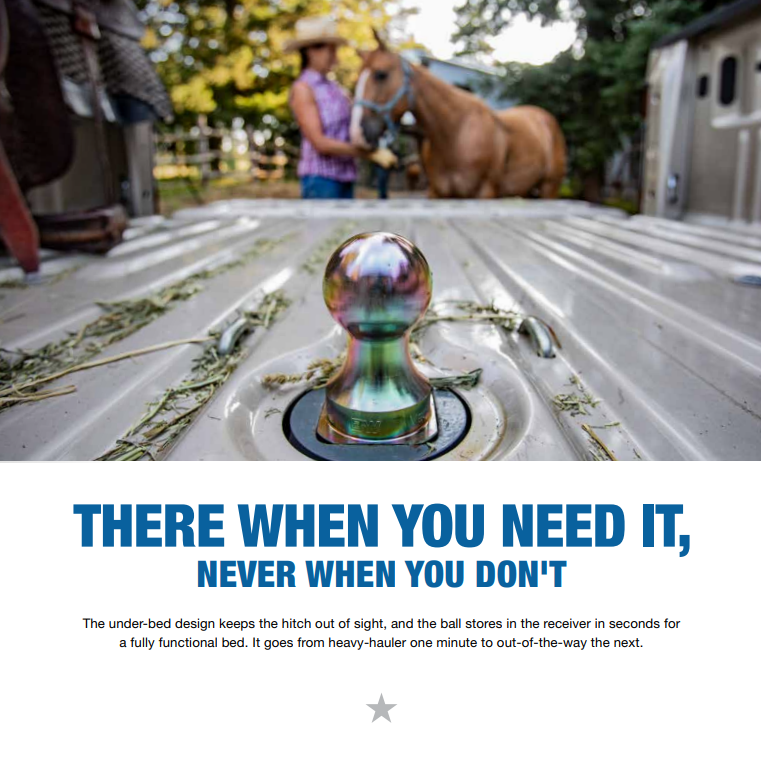
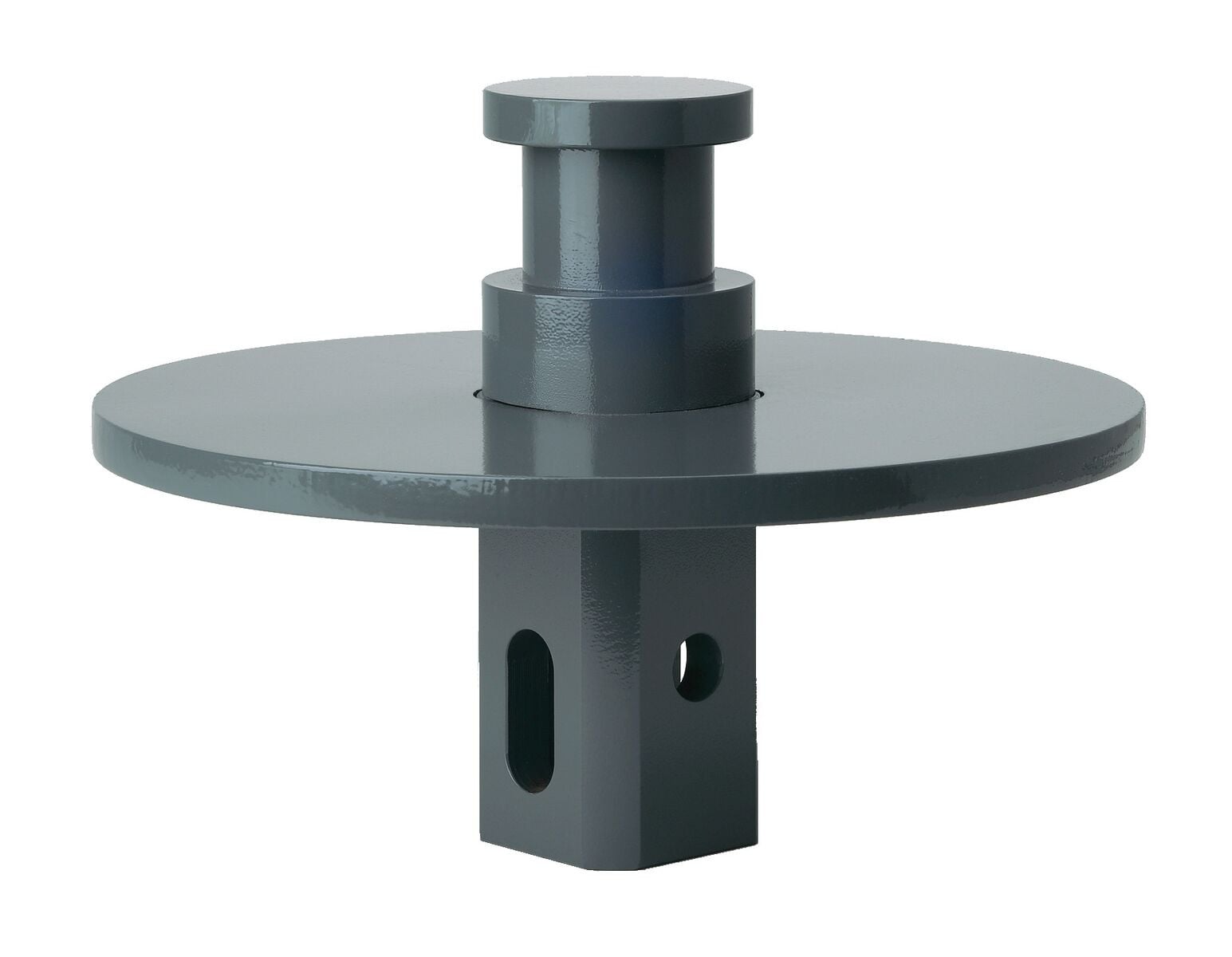
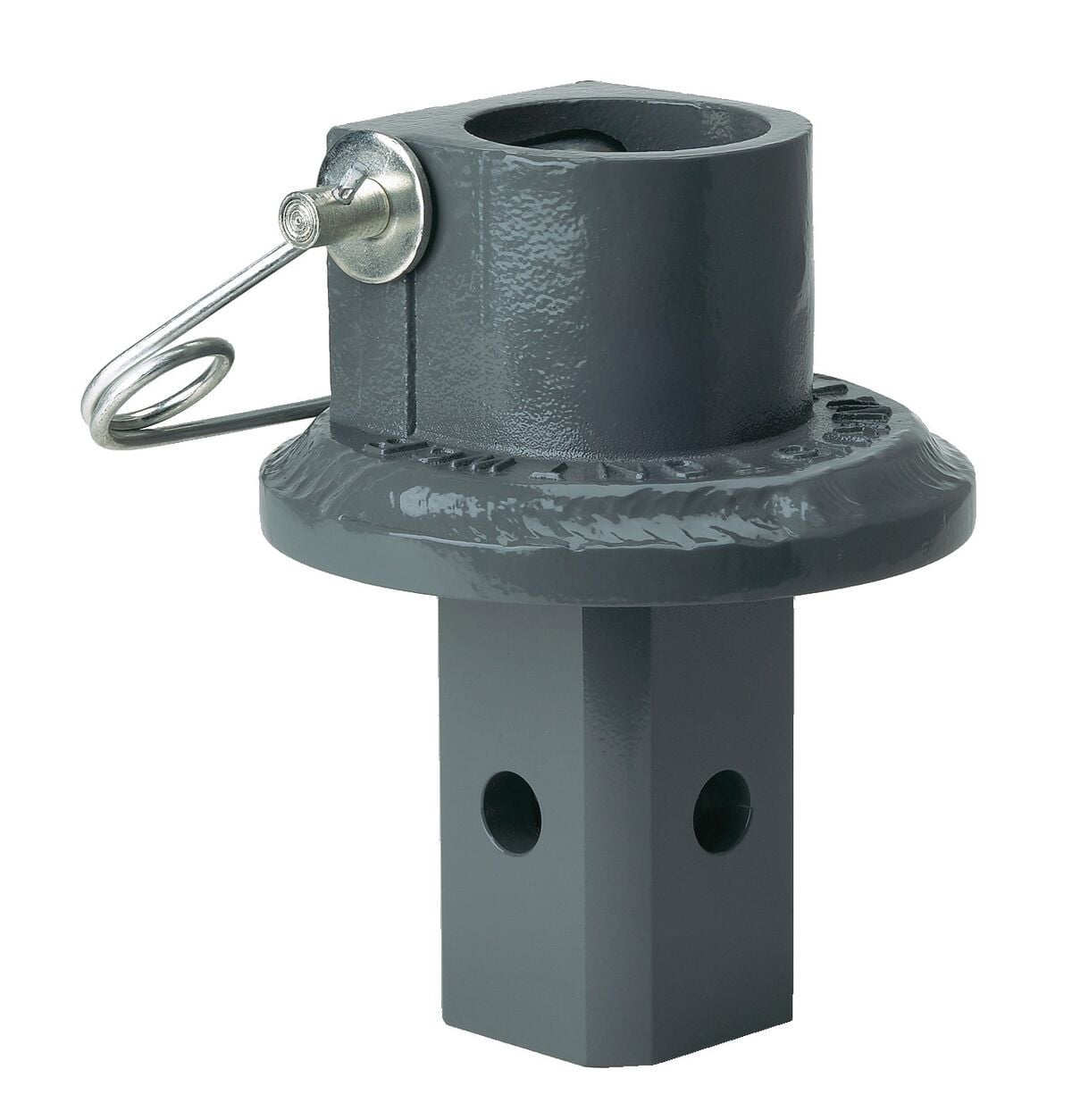
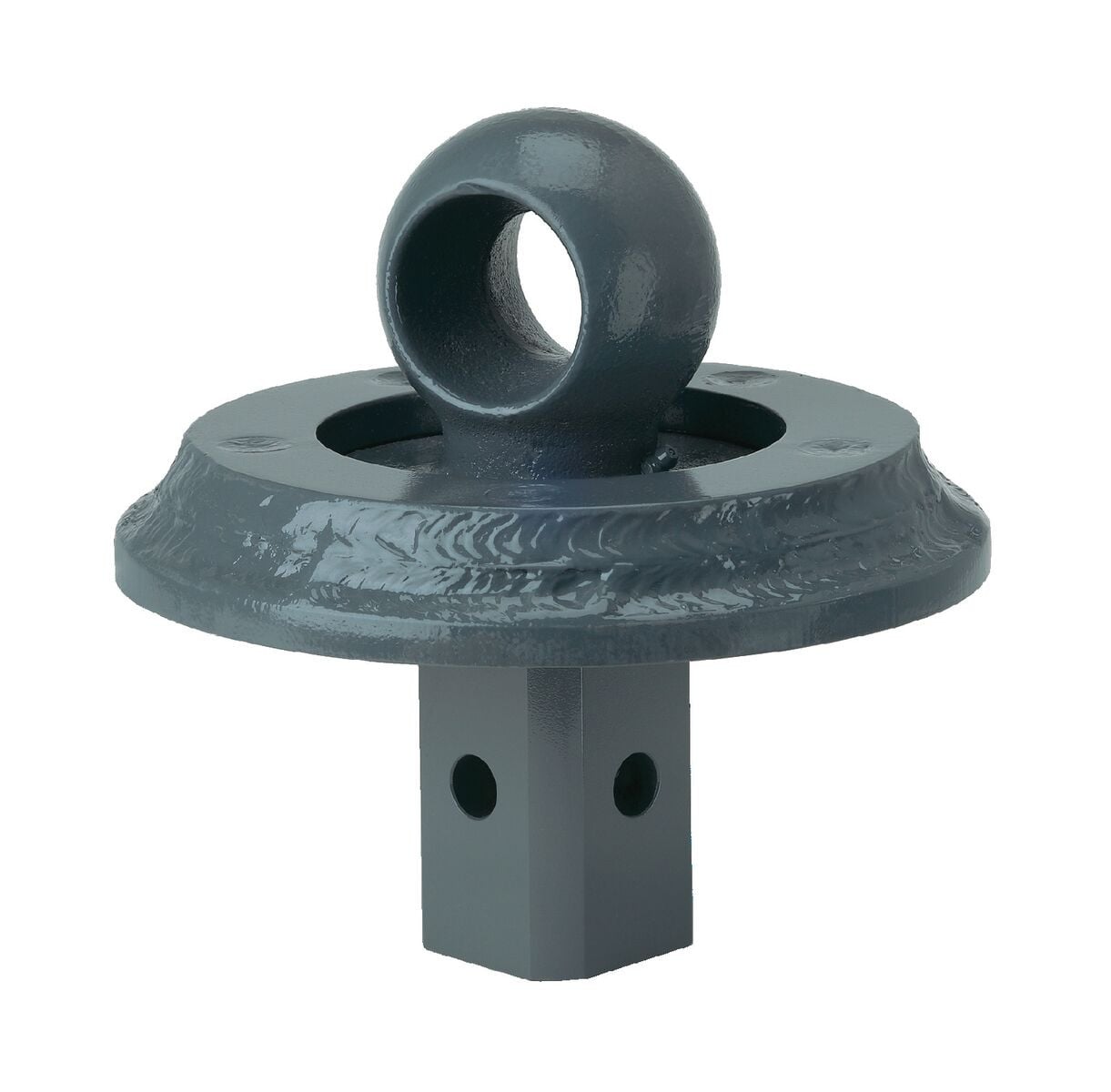
Equip your vehicle with our robust hitch to safely tow your gooseneck trailer. The detachable ball can be stored upside down in the hitch when not in use, providing complete bed access. The square ball base ensures stability and prevents rotation in the hitch.
The B&W Turnoverball under-bed gooseneck trailer hitch offers the perfect balance of functionality and convenience. When towing, the Turnoverball provides a reliable connection with your gooseneck trailer. After towing, simply stow the ball upside down in the hitch for full bed access and a clean look.
The durable steel hitch ball included with the Turnoverball system secures in the hitch with a sturdy, 5/8" thick steel pin that is incorporated into the end of the operating handle. To lock the ball in place, drop it into the hitch hole in the bed of your truck. Then rotate the handle in your driver's-side wheel well counterclockwise until the latch engages. When the latch is engaged, the spring-loaded pin on the end of the handle will be inserted all the way through the base of the hitch ball, forming a strong, solid connection and ensuring absolute security when you're towing.
After towing, remove the hitch ball by pulling the handle out as far as it will go and then rotating it clockwise until it unlatches. Flip the ball upside down and drop it back into the ball hole of the hitch. Then reengage the latch to secure the stowed ball in place.
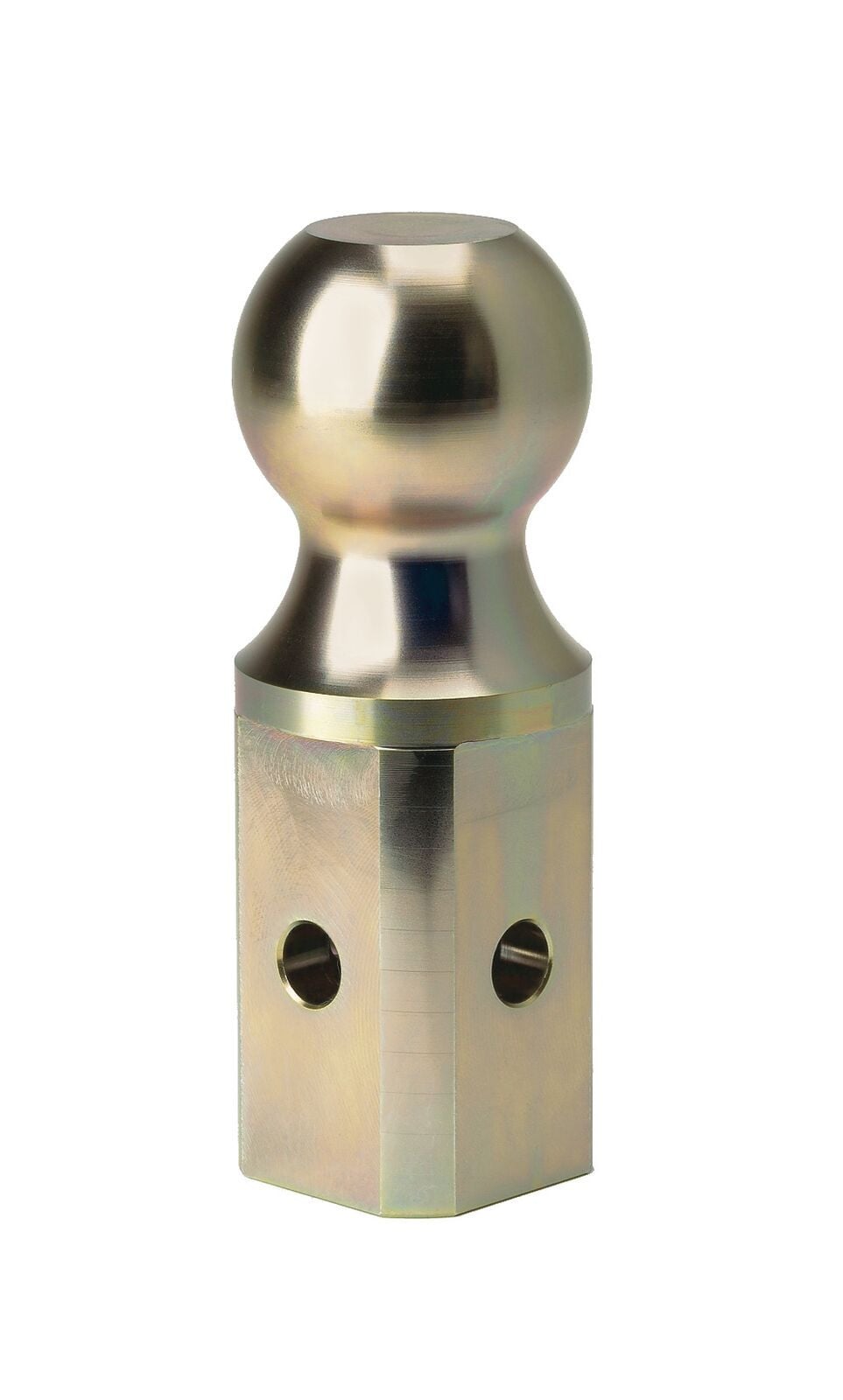
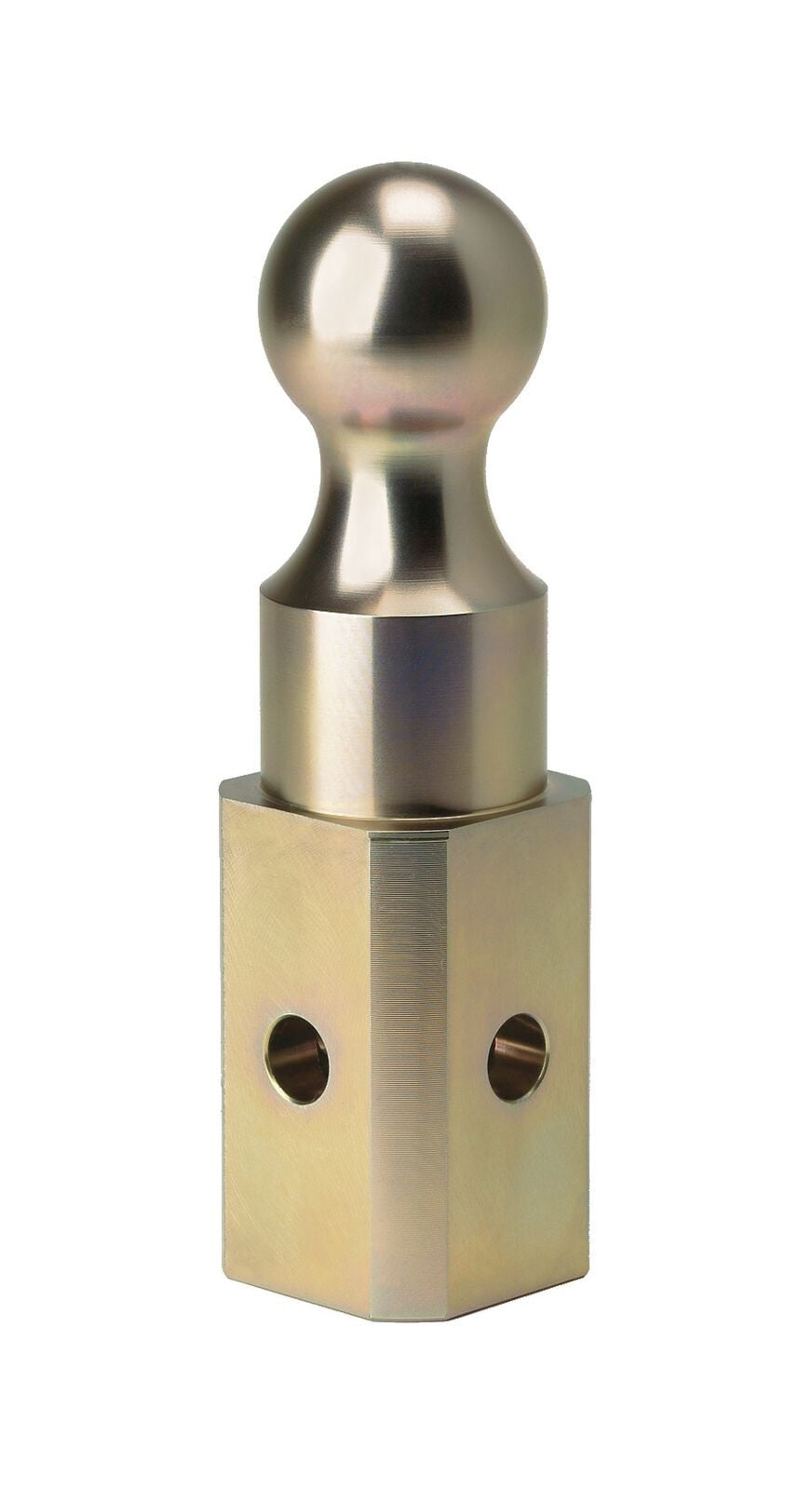
The Turnoverball hitch ball is designed with a square base, unlike typical gooseneck balls with round bases. This design makes latching the ball in the hitch easier as the base won't rotate inside of the hitch, making pin alignment a breeze. The base of the ball also fits tightly within the ball hole during storage. Because only the corners of the base contact the sides of the socket, any dirt or grime that gets into the hitch will fall through the socket, thus helping to prevent any buildup that could cause the ball to seize up in the hitch.
B&W offers a variety of adapters and accessories, making the Turnoverball compatible with almost any gooseneck trailer. Hitch balls with a built-in rise, an offset, and even a different connection type are available. Add on the Companion fifth-wheel hitch - which attaches directly to the Turnoverball with no other parts required - and you can tow your fifth-wheel trailer.

B&W Trailer Hitches is an American manufacturer known for durable, innovative towing products, including gooseneck hitches, fifth-wheel hitches, receiver hitches, and ball mounts. Built in Kansas by employee-owners, B&W products are engineered for dependable performance, easy installation, and long-lasting quality.
B&W Trailer Hitches is an American manufacturer known for building innovative, dependable towing products designed to make hitching easier and towing more comfortable. The company began in 1987 in Humboldt, Kansas, when founders Roger Baker and Joe Works combined their fabrication experience to build custom truck beds and solve common problems faced by truck owners.
B&W changed the gooseneck hitch industry with the introduction of the Turnoverball Gooseneck Hitch. Its under-bed mounting system and reversible hitch ball allowed truck owners to quickly store the ball beneath the bed, leaving a clean and unobstructed surface when the hitch was not in use. B&W later applied the same practical approach to the Companion Fifth Wheel Hitch, creating a removable fifth-wheel hitch engineered for a quiet, smooth, and secure towing experience.
Today, B&W manufactures gooseneck hitches, fifth-wheel hitches, receiver hitches, ball mounts, and towing accessories at its nearly 600,000-square-foot facility. The company is owned by approximately 500 employee-owners who remain committed to American manufacturing, trusted materials, skilled craftsmanship, and long-lasting product quality.
Whether you are towing a work trailer, livestock trailer, camper, or fifth wheel, B&W Trailer Hitches offers thoughtfully engineered towing equipment built to perform mile after mile.
Experts available to answer your questions
Call 888-634-9494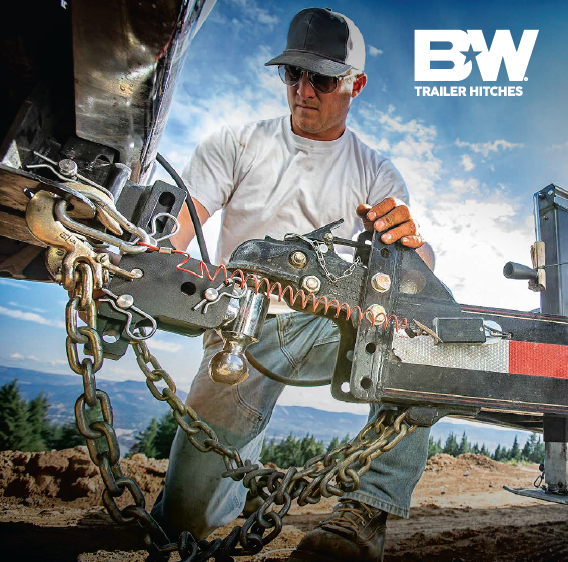
The kit includes a 2-5/16" Turnoverball, flat bed socket assembly, latch pin handle, compression spring, two handle guides (one with round hole, one with slotted hole), safety chain kit with four conical springs, two 1-1/2" x 1-1/2" x 3-1/8" U-bolts, and four 1/2" center lock nuts. Three fasteners (5/16" flange bolt, flange nut, and carriage bolt) are included but not used in the installation.
The hitch comes equipped with a 2-5/16" ball and requires trailers with a 2-5/16" coupler. Towing with a larger coupler could cause loss of attachment between the trailer and the tow vehicle.
Yes, but with a requirement: when installing on aluminum beds, it is necessary to construct additional steel structures specifically designed to support the ball socket and latch handle guides. These structures must be securely attached. Consult B&W engineering for installation practices specific to aluminum beds.
Yes. Do not exceed 72" from the center of the socket to the rear corner of the bed. To achieve proper turning clearance for most trailers, mark the position of the receiver socket hole 2-6" forward of the axle.
Yes. On short bed trucks, before installing this hitch, check for adequate turning clearance between the front of all of your trailers and the truck cab.
Installation requires welding equipment and welding skill. You will need to drill a 4" hole and four 9/16" holes. A 1/4" thick x 4" wide x 16" long mild steel strap (or equivalent) is required to brace the socket but is not included in the kit. The manual does not specify other hand tools required.
Before installation, carefully examine the location of fuel lines, brake lines, and electrical wires along the frame rails. Be certain you will not damage these components when positioning hitch components, drilling holes, tightening fasteners, and lifting and lowering the truck bed. Pay special attention to the fuel tank vent, located on top of the gas tank, which can be easily damaged during positioning of the front cross member and center section components.
The installation sequence is: (1) Drill the 4" hole in the truck bed 2-6" forward of the axle, not exceeding 72" from the center of the socket to the rear corner of the bed; (2) Install socket braces using a 1/4" x 4" x 16" strap attached to the truck bed C4 x 5.4" channel cross members; (3) Install the socket into the 4" hole and weld the 1/2" plate; (4) Install the latch pin handle with spring and handle guides, positioning the slotted guide 16" from the socket with the slot towards the cab, and weld to the bed floor; (5) Install safety chain loops with U-bolts and lock nuts.
A 4" hole must be drilled in the truck bed. The position should be marked 2-6" forward of the axle line, not exceeding 72" from the center of the socket to the rear corner of the bed.
Four 9/16" holes must be drilled on 2" centers on each side of the socket assembly (two holes per side). The holes should be placed a minimum distance of 6-1/2" on each side of the U-bolt. If using the kit with a B&W Flatbed Companion hitch, place the safety chain loops 9" from the center line instead.
Yes. The 1/4" x 4" x 16" strap will need to have a 2-1/2" round relief hole cut on the driver side for the handle to travel through. When welding the strap, weld the fins on the socket to the strap to prevent heat distortion of the socket.
Welding is required in four locations: (1) weld the fins on the socket to the 1/4" x 4" x 16" strap; (2) stitch weld the strap to the truck bed floor; (3) weld the two sides of the 1/2" plate (the sides without holes for the latch pin handle) after fitting the socket into the 4" hole; (4) weld the handle guide with slotted hole to the bed floor. Reduce heat during welding to prevent heat distortion of the socket due to close tolerances between the socket and hitch ball base.
Tighten the lock nuts until they are flush with the bottom of the U-bolt.
The safety chain kit includes two 1-1/2" x 1-1/2" x 3-1/8" U-bolts.
The flat bed hitch kit has been designed to be used with 1/8" thick floor plate. Because of the close tolerances between the socket and hitch ball base, welding the hitch socket should be avoided. If you weld the floor to the top of the ball base, reduce the heat of the weld to prevent heat distortion of the socket.
The manual does not specify towing capacity. Do not exceed the tow or tongue rating of the coupler, tow or tongue rating of the hitch, or tow or weight ratings of the truck or trailer. See vehicle and trailer manufacturer information for ratings.
No. Do not invert the ball in the socket when carrying heavy loads on two-wheel drive trucks. The ball may hit the top of the differential. Remove the ball from the socket before loading. A plug for the socket is available from B&W.
Additional caution must be used when towing a wedge car trailer. Towing stability greatly depends on keeping the center of gravity as low as possible. Load heavy cars over the axles. Never tow with a single car on the front of the trailer. When towing a wedge car trailer, never exceed speeds that are reasonable for the roadway conditions (e.g. turns, going around a curve, etc.). Failure to account for proper trailer center of gravity and speeds that are reasonable for the roadway conditions may cause damage to the truck, trailer, towing components, and loss of attachment between the truck and trailer.
No. Do not modify this product in any manner. Doing so could alter its integrity and lead to a loss of attachment between the trailer and the tow vehicle.
The 1500R is designed for flatbed trucks with 1/8" thick floor plate. It requires a 4" hole drilled in the bed and welding to frame cross members. Aluminum beds require additional steel reinforcement. Check that your truck has adequate turning clearance (especially on short beds) and that the socket can be positioned 2-6" forward of the axle without exceeding 72" from the center of the socket to the rear corner of the bed. Consult B&W for specific truck compatibility.
You need welding equipment and welding skill. You will drill a 4" hole and four 9/16" holes. A 1/4" x 4" x 16" mild steel strap (not included) is required. The manual does not list other hand tools.
Yes. A 4" hole must be drilled in the truck bed for the socket, and four 9/16" holes must be drilled for the safety chain U-bolts. A 2-1/2" round relief hole is also required in the socket strap for the handle.
Yes. Welding is required to attach the socket strap to the truck bed, weld the socket plate, and weld the handle guides to the bed floor. This is not a bolt-on installation.
The hitch comes with a 2-5/16" ball and requires a 2-5/16" coupler. Using a larger coupler could cause loss of attachment between the trailer and truck.
Do not exceed 72" from the center of the socket to the rear corner of the bed. Position the socket 2-6" forward of the axle line for proper turning clearance.
No. Do not invert the ball when carrying heavy loads on two-wheel drive trucks; it may hit the differential. Remove the ball before loading.
Free Shipping
Ships free on all orders
 Authorized Dealer

Quick Ship
In stock and ready to ship — order now!
FREE ShippingFREE SHIPPING
Estimated delivery Tue, Sep 22 - Fri, Sep 25
Order before 2 PM EST Monday–Friday for same-day processing
Guaranteed safe & secure checkout
No reviews have been added for this product.