
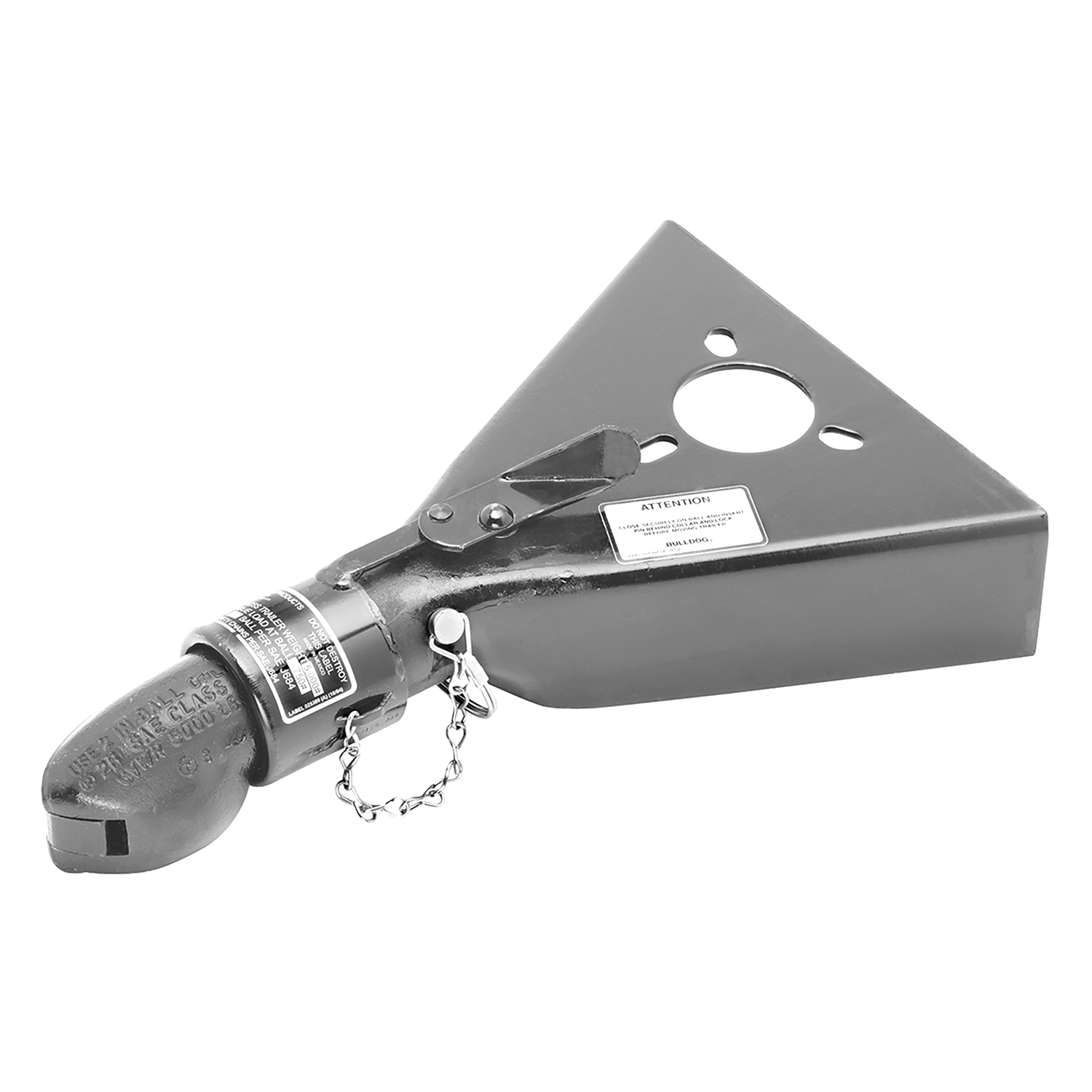
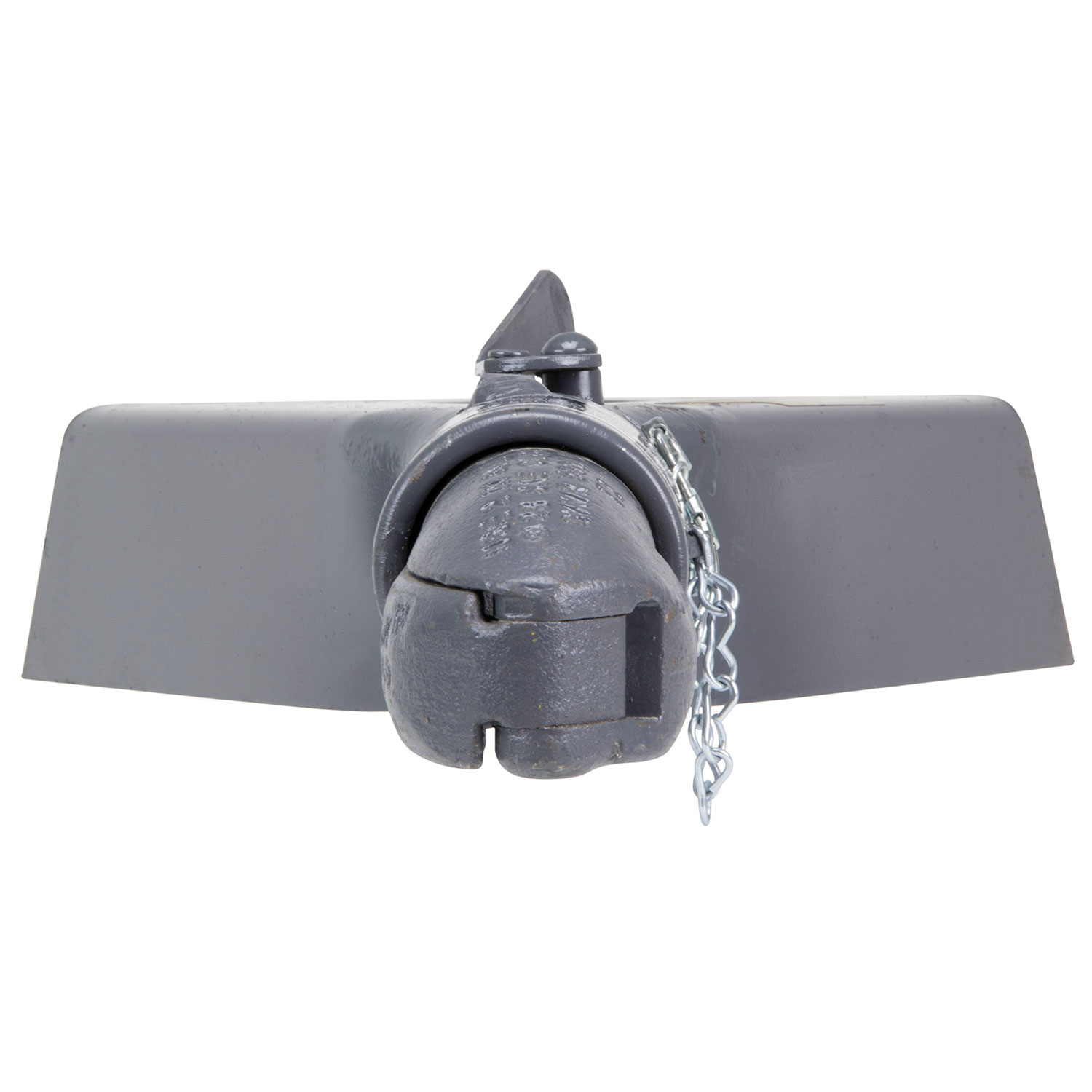
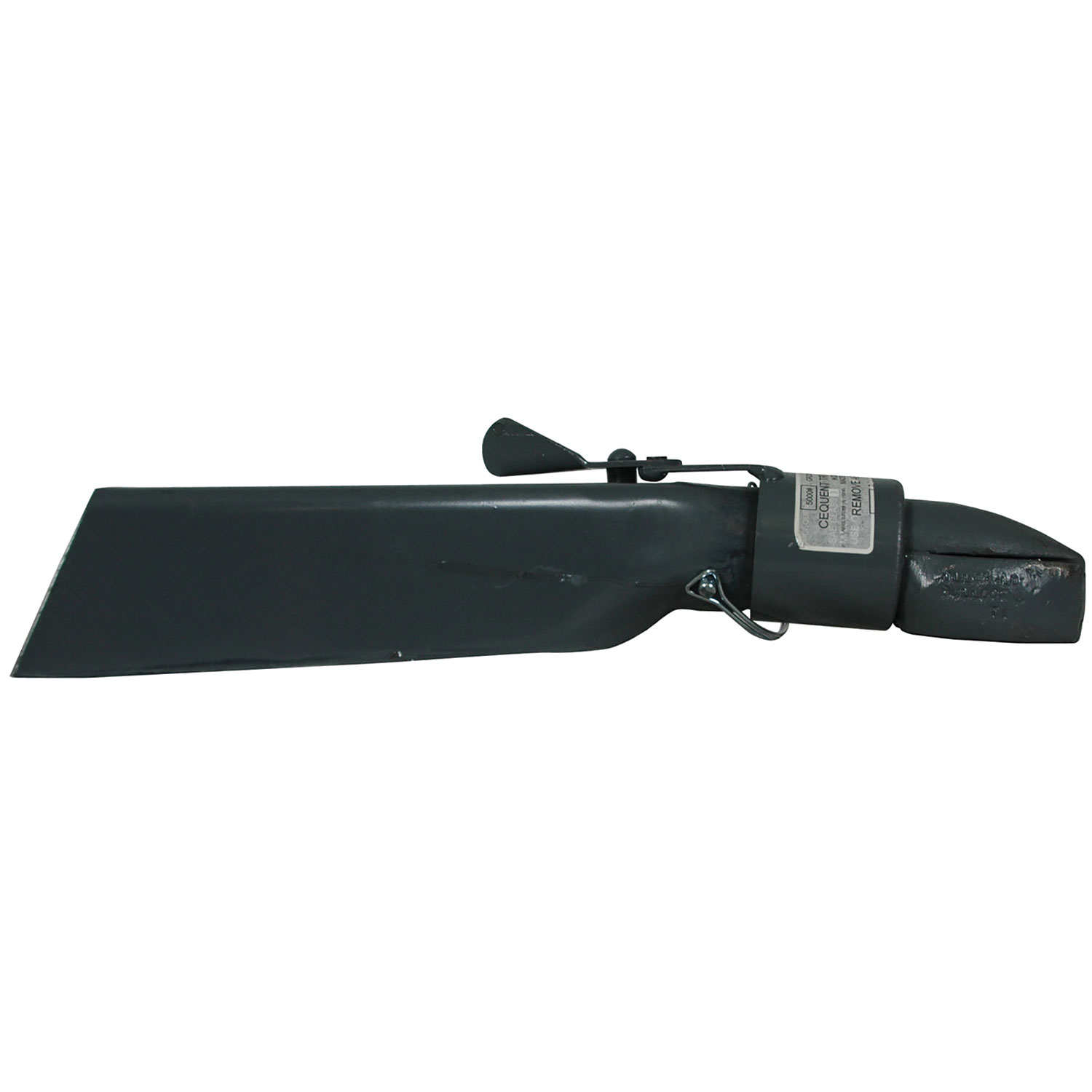
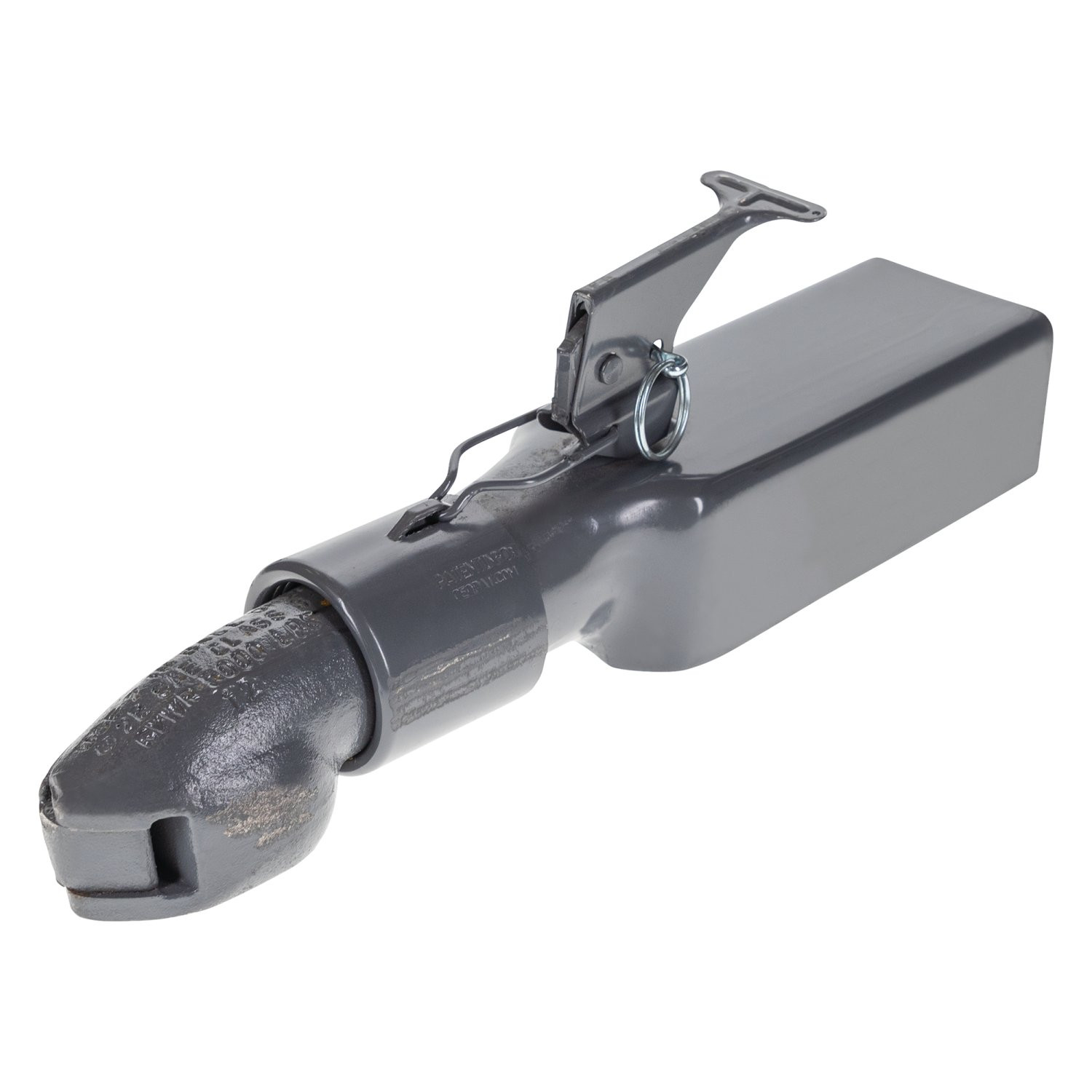
Bulldog 5,000 lbs Collar-Lok A-Frame Coupler, 2 in. Diameter BD028384BulldogOriginal price was $145.00. Current price is $104.05.Out of Stock
View productOur in-house experts typically reply within one business day.

Bulldog


Always the correct part
We know our products
Quality Products
Free Shipping!
Always the correct part
We know our products
Quality Products
Free Shipping!

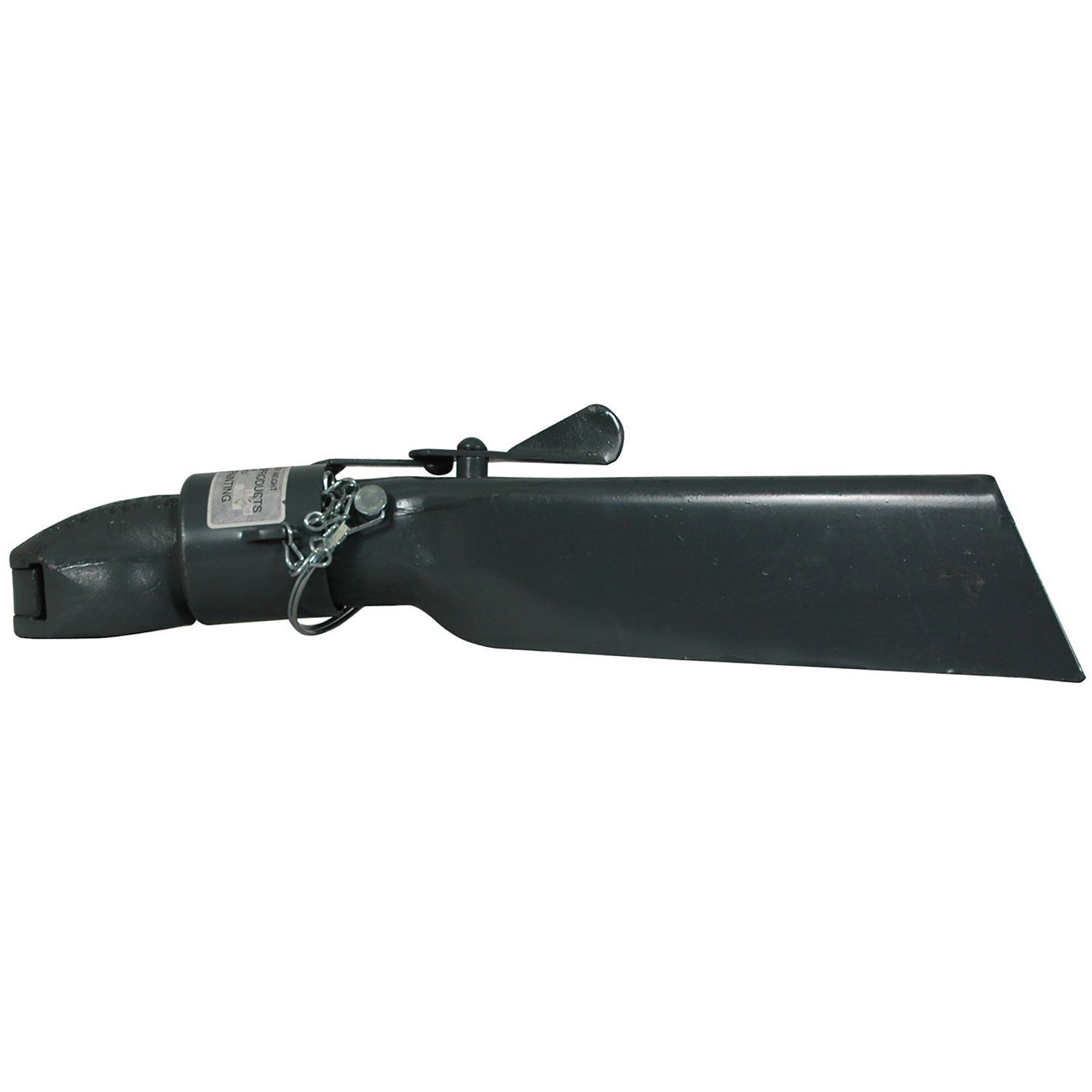
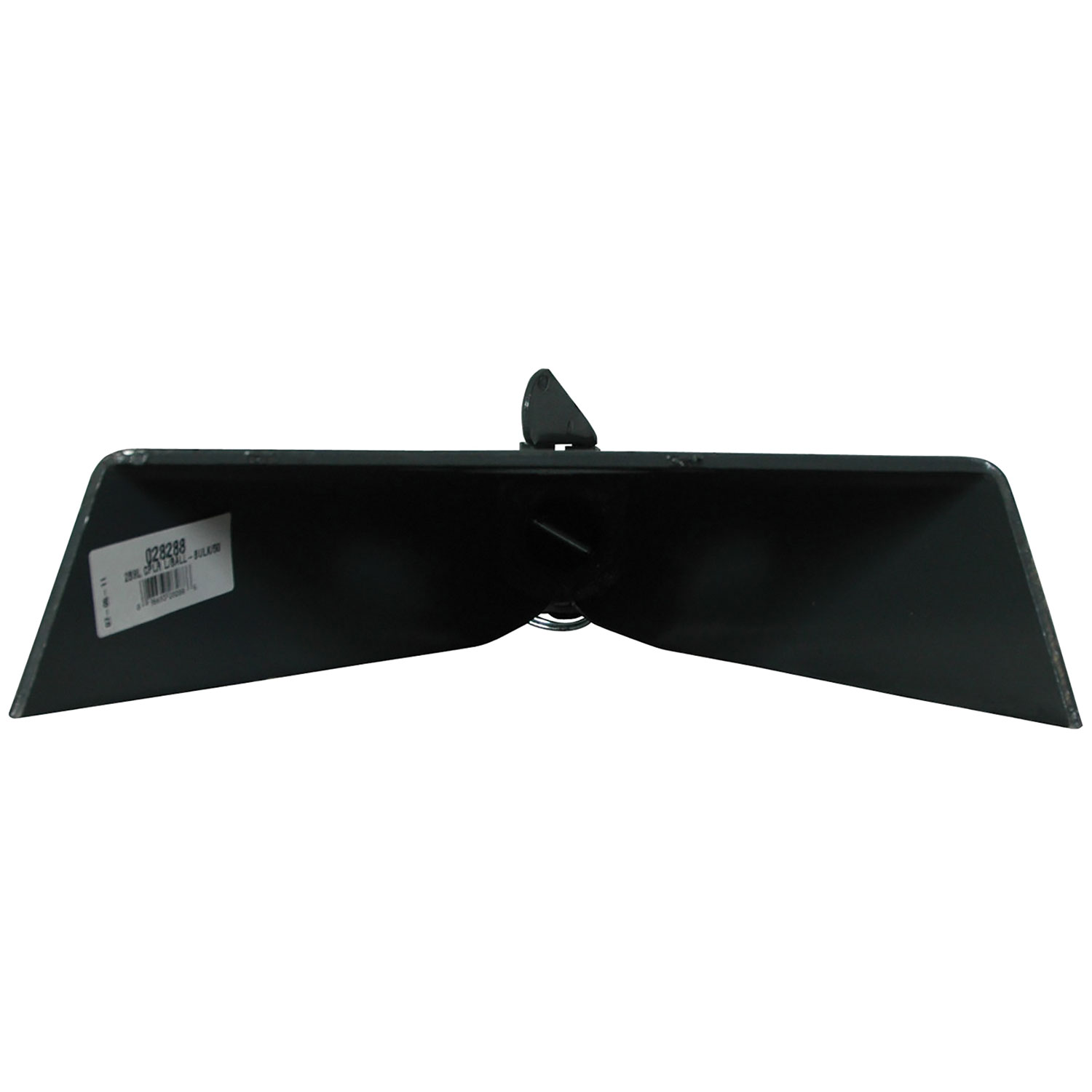
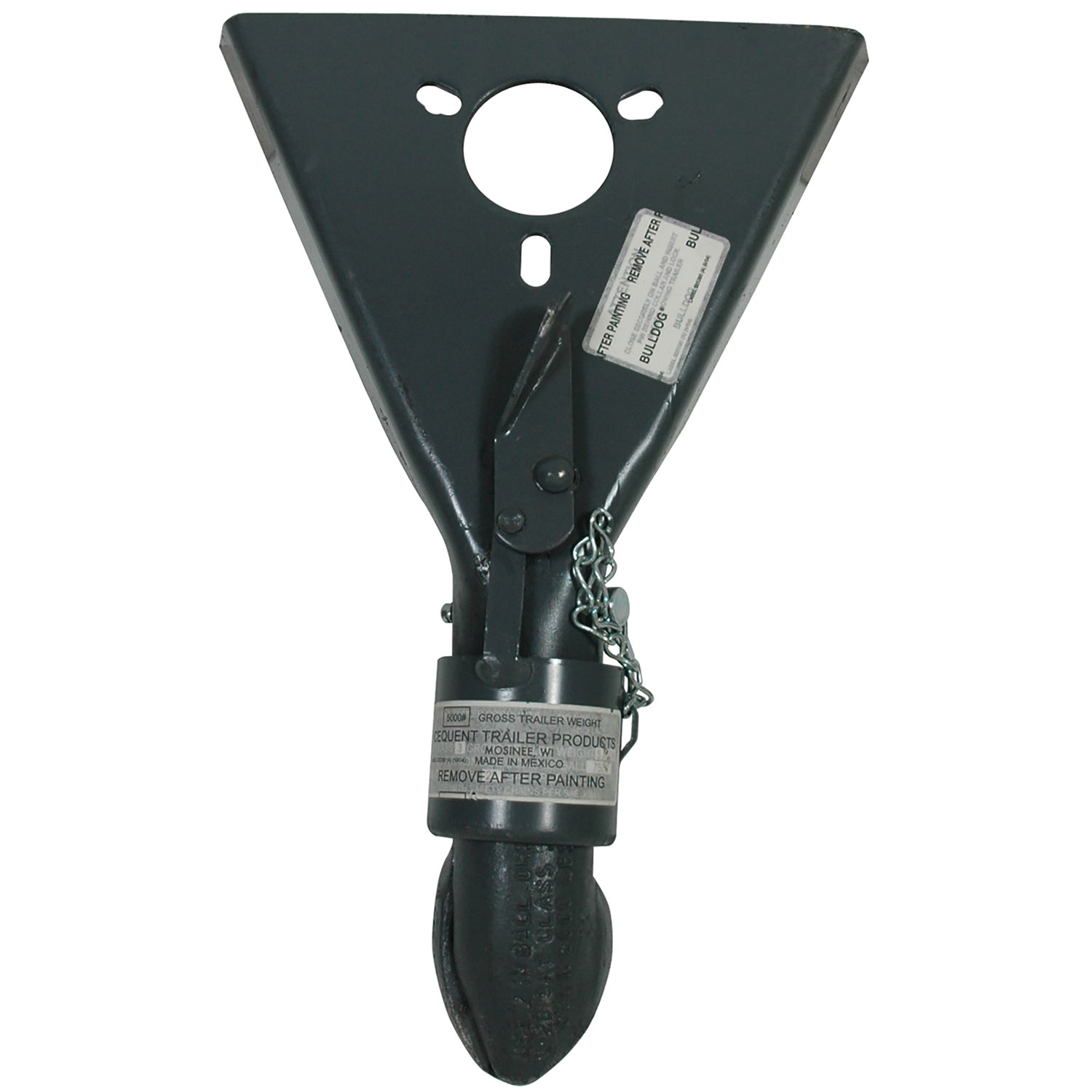
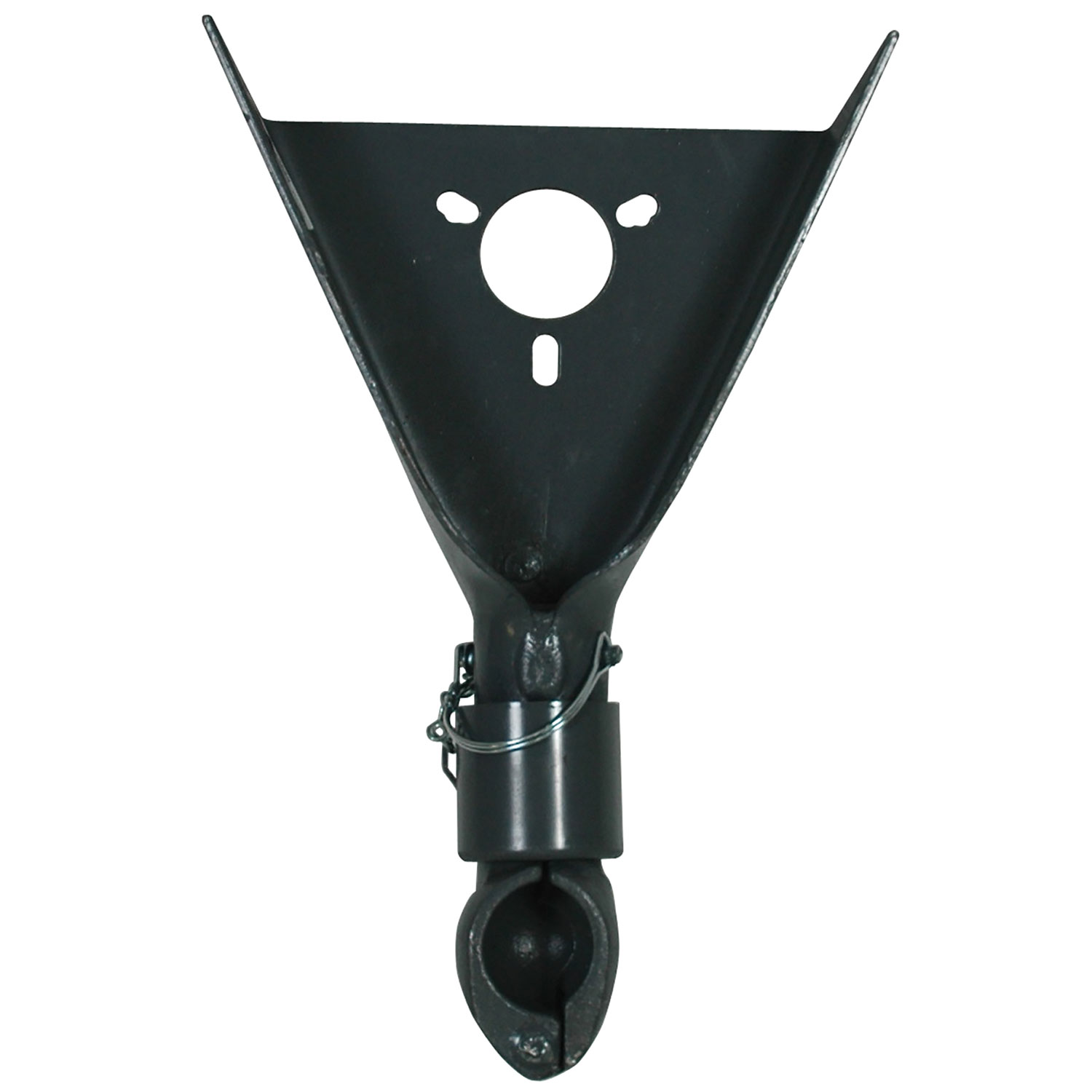
Designed for utility, horse/livestock, cargo, and construction trailer applications, BULLDOG Collar-Lok Heavy Duty Couplers are the strongest in the industry. The BULLDOG design features the only automatic and continuously tight ball fit in the industry. A variety of coupler styles, tongue mounts, and latches allow configurations to match virtually any trailer.
| BRAND: | BULLDOG |
| PART NUMBER: | 028288 |
| WARRANTY: | LIMITED 5 YEAR WARRANTY |
| WEIGHT: | 13.5 LBS |
| CAPACITY: | 5,000 LBS. |
| MODEL NUMBER: | 2B8L |
| BALL DIAMETER: | 2 IN. |
| MATERIAL: | STEEL |
| MOUNTING HARDWARE INCLUDED: | NO |
| MOUNTING HOLE DIAMETER: | 2.312 IN. |
| MOUNTING HOLE QUANTITY: | 3 |
| STYLE: | A-FRAME |
| HITCH CLASS: | III |
| SAFETY CHAINS INCLUDED: | NO |
| COLOR: | GRAY |

Founded in 1920, Bulldog has become the standard for heavy-duty trailer connection hardware in agricultural, military and utility service. The line covers gooseneck hitches and couplers, A-frame and channel-mount trailer couplers with the Wedge-Latch mechanism, and heavy-duty jacks, built for unmatched strength, reliability and safety under demanding loads.
Bulldog was founded in 1920 and has spent more than a century supplying the connection hardware that heavy trailers depend on. Its market has always been the demanding end: agricultural, military and utility applications where a coupler failure is not an inconvenience but a serious incident. The brand summarises its position as Tough and Tested, and it sits within the Horizon Global towing group alongside Reese, Draw-Tite, Fulton, Tekonsha, Bargman and Wesbar.
Gooseneck equipment is the brand's signature. Gooseneck hitches mount in the truck bed over the rear axle, which places the load where the chassis can carry it properly and allows far tighter turning than a receiver hitch permits. Matching gooseneck couplers attach at the trailer end, in round tube and square configurations across the capacity range used by livestock, equipment and flatbed trailers.
The conventional trailer coupler range is built around the Wedge-Latch mechanism, which uses a wedge to take up wear between coupler and ball rather than relying on a fixed clamp that loosens over time. That matters on a trailer accumulating hard miles, where slack in the coupling shows up as noise and shock loading. Couplers are offered in A-frame form for standard tongues and in channel-mount form for straight tongue and fabricated frames, with adjustable channel versions that let a coupler be positioned to suit the tongue height.
Heavy-duty jacks complete the line, sized for the tongue weights that gooseneck and equipment trailers generate. Across the range the emphasis is consistent: forged and heavy-section components, load ratings backed by testing, and hardware specified for agricultural, military and heavy-duty commercial use rather than occasional recreational towing.
Experts available to answer your questions
Call 888-634-94945 Years
Minimum tongue overlap varies by model: 2B, 4B, and 5B models require 8.5"; 3B model requires 6.5"; and some configurations allow 7" or 2.5" overlap (tongue may fit over or into coupler). The coupler internal stop must be butted against the end of the trailer tongue for maximum overlap.
The manual does not specify whether drilling is required. For weld-on installation, an AWS certified welder performs the work. For bolt-on installation, grade 5 bolts with locknuts are used, but the manual states that the number and size of fasteners required must be specified by the trailer manufacturer.
Torque grade 5 bolts with locknuts to SAE proof load specifications: 3/8" diameter – 23 ft·lbs; 1/2" diameter – 55 ft·lbs; 5/8" diameter – 110 ft·lbs. Channel hardware should be tightened to 75–100 ft·lbs.
Yes. All welding must be performed by an AWS certified welder. The welder must weld 3/16" around the interface between coupler and tongue with no undercut or washout.
No. Do not tow if the ball is not fully seated and/or the coupler is not closed. Always visually check that the hitch ball is fully seated in the coupler ball pocket before towing.
Maintenance procedures should be performed at least annually: check welds and mounting bolt torque, grease the ball pocket, oil pivot points with SAE 30 wt. motor oil, and inspect retaining pins and replace if necessary.
The Bulldog Collar-Lok coupler is a trailer tongue coupler manufactured by Cequent Performance Products. It is available in multiple models (2B, 3B, 4B, 5B) and styles (L-Style, H-Style, M-Style) and is rated according to SAE J684. The coupler connects a trailer tongue to a hitch ball on a towing vehicle and features a collar mechanism that captures and secures the coupler cap.
The minimum tongue overlap for 2B, 4B, and 5B models is 8.5". The coupler internal stop must be butted against the end of the trailer tongue to achieve maximum overlap.
The minimum tongue overlap for the 3B model is 6.5". The coupler internal stop must be butted against the end of the trailer tongue to achieve maximum overlap.
Yes, for some configurations. One model variant allows a minimum tongue overlap of 2.5", and the tongue may fit over or into the coupler. Consult the specific model documentation or contact Cequent Performance Products at 1-800-632-3290 to confirm which models support this configuration.
Weld 3/16" around the interface between the coupler and tongue. No undercut or washout is permitted while welding. The coupler internal stop must be butted against the end of the trailer tongue for maximum overlap before welding.
The manual shows that a retaining pin is supplied with the coupler. For bolt-on installation, grade 5 bolts with locknuts are required, but the number and size of fasteners must be specified by the trailer manufacturer. A 3.0" channel is not included.
Before installation, confirm there will be no interference from the tow vehicle, tongue, ground, or any other mounted accessories while stationary or in motion. Check for interference in both open and closed coupler positions. Ensure the coupler internal stop will be butted against the end of the trailer tongue for maximum overlap. After installation, check again for interference and verify that coupler operation has not been impaired.
Use only the proper ball for the coupler as indicated on the coupler body. If uncertain about the correct ball size, contact Cequent Performance Products at 1-800-632-3290 or www.cequentgroup.com.
Do not exceed the lesser of the mounting bracket, coupler, hitch, vehicle, ball, or trailer weight ratings (including load). Never exceed the maximum rated capacity. Refer to the stamped markings or decals on the product to obtain the rated capacity. If uncertain, contact Cequent Performance Products at 1-800-632-3290 or www.cequentgroup.com.
Always secure the load, vehicle, and trailer by blocking the wheels before latching or unlatching the coupler. Use caution when uncoupling as the tongue may rise suddenly due to negative tongue load.
Before towing, check the vehicle, channel, hitch, hitch ball, and coupler for signs of wear or damage. Verify that the coupler handle opens and closes freely. Check that the hitch ball is fully seated in the coupler ball pocket, the coupler is closed, and the pin is inserted behind the collar or through the latch. Check channel hardware for wear and proper tightness, and tighten to appropriate SAE proof load specifications using only grade 5 hardware. Verify that trailer safety chains are properly connected according to SAE J684 and that all trailer lighting is hooked up and working properly.
Keep the ball pocket and mechanism clean. When parking or storing the trailer, keep the coupler off the ground so dirt and other foreign material will not build up in the coupler ball pocket. At least annually, grease the ball pocket and oil pivot points with SAE 30 wt. motor oil.
1) Block trailer wheels. 2) Align hitch ball beneath coupler. 3) If coupler is closed, open it by removing the pin behind the collar and sliding the collar away from the ball pocket; ensure the coupler cap is open and holds the collar back. 4) Lower the trailer onto the hitch ball. 5) Visually check that the hitch ball is fully seated in the coupler. 6) After the hitch ball is seated, carefully close the coupler cap; ensure the collar springs toward the ball pocket and captures the coupler cap. 7) Reinsert the pin behind the collar. Do not tow without the pin in place. 8) Always secure safety chains to the vehicle before towing according to SAE J684.
1) Block trailer wheels. 2) Open the coupler by removing the pin behind the collar and sliding the collar away from the ball pocket; ensure the coupler cap is open and holds the collar back. 3) Raise the trailer from the hitch ball.
1) Block trailer wheels. 2) Align hitch ball beneath coupler. 3) If coupler is closed, open it by removing the pin in the latch and lifting the latch; ensure the coupler cap is open and holds the collar back. 4) Lower the trailer onto the hitch ball. 5) Visually check that the hitch ball is fully seated in the coupler. 6) After the hitch ball is seated, carefully close the coupler cap and lower the latch; ensure the collar springs toward the ball pocket and captures the coupler cap. 7) Reinsert the pin in the latch. Do not tow without the pin in place. 8) Always secure safety chains to the vehicle before towing according to SAE J684.
1) Block trailer wheels. 2) Open the coupler by removing the pin in the latch and lifting the latch; ensure the coupler cap is open and holds the collar back. 3) Raise the trailer from the hitch ball.
1) Block trailer wheels. 2) Align hitch ball beneath coupler. 3) If coupler is closed, open it by removing the pin behind the collar and sliding the collar away from the ball pocket; ensure the coupler cap is open and holds the collar back. 4) Lower the trailer onto the hitch ball. 5) Visually check that the hitch ball is fully seated in the coupler. 6) After the hitch ball is seated, carefully close the coupler cap; ensure the collar springs toward the ball pocket and captures the coupler cap. 7) Reinsert the pin behind the collar. Do not tow without the pin in place. 8) Always secure safety chains to the vehicle before towing according to SAE J684.
1) Block trailer wheels. 2) Open the coupler by removing the pin behind the collar and sliding the collar away from the ball pocket; ensure the coupler cap is open and holds the collar back. 3) Raise the trailer from the hitch ball.
Do not use the coupler if its operation has been impaired in any way. If coupler and/or channel is deformed or damaged, replace the complete coupler and bracket. Always replace bent, broken, or worn parts before using the product.
At least annually, check welds and mounting bolt torque. If welds show signs of damage or deterioration, the coupler should be replaced. All welding must be performed by an AWS certified welder.
Oil pivot points with SAE 30 wt. motor oil. This should be done at least annually as part of routine maintenance.
Inspect retaining pins at least annually and replace if necessary. The retaining pin is essential for safe operation; do not tow without the pin in place.
Use only grade 5 bolts with locknuts. Torque them to appropriate SAE proof load specifications: 3/8" diameter – 23 ft·lbs; 1/2" diameter – 55 ft·lbs; 5/8" diameter – 110 ft·lbs. No deformation of the trailer tongue end is allowed.
A 3.0" channel is the mounting bracket used to attach the coupler to the trailer. It is not included with the coupler and must be obtained separately. The channel hardware should be tightened to 75–100 ft·lbs and checked regularly for wear and proper tightness.
No. Do not allow children to play on or around the coupler or the load being supported. The coupler is a safety-critical component and poses a hazard.
No. The purchaser/owner must not alter or modify the product. Any modifications outside of those specified in the installation instructions may void the warranty and compromise safety.
Cequent Performance Products warrants the coupler to be free from material defects in both material and workmanship for five years from the date of purchase, provided installation and use are in accordance with the product instructions. The warranty does not cover normal wear and tear, damage from abuse, misuse, overloading, improper installation, improper maintenance, or product alterations. The sole remedy is replacement or refund at the manufacturer's option. This warranty is not transferable and applies only to the original consumer purchaser.
Contact Cequent Performance Products at 1-800-632-3290 or visit www.cequentgroup.com. For warranty claims, contact them at 47912 Halyard Dr. Suite 100, Plymouth, MI 48170. When contacting, specify the product model number. Replacement parts are available through the Customer Service Department.
If the coupler handle does not open and close freely, this indicates a problem with coupler operation. Check for signs of wear or damage to the coupler. If the coupler is deformed or damaged, replace the complete coupler and bracket. Do not attempt to use the coupler if operation is impaired.
If the hitch ball is not fully seated in the coupler ball pocket, do not tow. Verify that the correct ball size is being used (as indicated on the coupler body). Check that the coupler is fully open and the collar is positioned away from the ball pocket. Lower the trailer carefully onto the ball and visually confirm full seating before closing the coupler cap and inserting the retaining pin.
If the coupler cap does not close properly, verify that the hitch ball is fully seated in the coupler ball pocket and that the collar is positioned to spring toward the ball pocket and capture the cap. If the cap still does not close, the coupler may be deformed or damaged. Do not use the coupler; replace the complete coupler and bracket.
If the retaining pin does not stay in place, inspect it for damage or wear. The pin may be bent or worn and require replacement. Replacement pins are available through Cequent Performance Products Customer Service at 1-800-632-3290. Do not tow without the pin in place.
Clean the ball pocket and mechanism. Keep the coupler off the ground when parking or storing the trailer to prevent dirt and foreign material from accumulating. At least annually, grease the ball pocket as part of routine maintenance. If contamination has caused the coupler to malfunction, clean thoroughly and test operation before towing.
If welds show signs of cracking, deterioration, or other damage, do not use the coupler. Replace the complete coupler and bracket. All welding must be performed by an AWS certified welder. Do not attempt to repair welds yourself.
Check channel hardware for wear and proper tightness at least before each towing. Tighten hardware to 75–100 ft·lbs using only grade 5 fasteners. Replace any bent, broken, or worn hardware. If hardware repeatedly loosens, the mounting may be compromised; inspect the channel and coupler for damage.
| Part Number | Model Number | Capacity (lbs.) | Overall Length (in.) | Latch | Ball Size (in.) | SAE Class |
|---|---|---|---|---|---|---|
| 028384 | 2BBH | 5,000 | 16.00 | High Profile | 2 | III |
| 028288 | 2BBL | 5,000 | 16.00 | Low Profile | 2 | III |
| 028386 | 3BBH | 7,000 | 16.00 | High Profile | 2 | IV |
| 028287 | 3BBL | 7,000 | 16.00 | Low Profile | 2 | IV |
| 02828720 | 3BBL | 7,000 | 16.00 | Low Profile | 2 | IV |
| 028463 | 4BBH | 12,500 | 16.50 | High Profile | 2-5/16 | - |
| 028499 | 4BBL | 12,500 | 16.50 | Low Profile | 2-5/16 | - |
Ann
Ordered online. Shipment arrived on time and with all the correct parts. Great customer service and friendly staff. Also, pricing was great!
May 22, 2023
On Sale Today
Original price was $150.00. Current price is $146.73.You save $3.27
Free Shipping
Ships free on all orders
 Authorized Dealer


FREE ShippingFREE SHIPPING
Estimated delivery Sun, Sep 27 - Wed, Sep 30
Order before 2 PM EST Monday–Friday for same-day processing
Guaranteed safe & secure checkout