Ask a Question About This Product
Our in-house experts typically reply within one business day.
Our in-house experts typically reply within one business day.

CURT


Always the correct part
We know our products
Quality Products
Free Shipping!
Always the correct part
We know our products
Quality Products
Free Shipping!
Free Shipping
Ships free on all orders
 Authorized Dealer
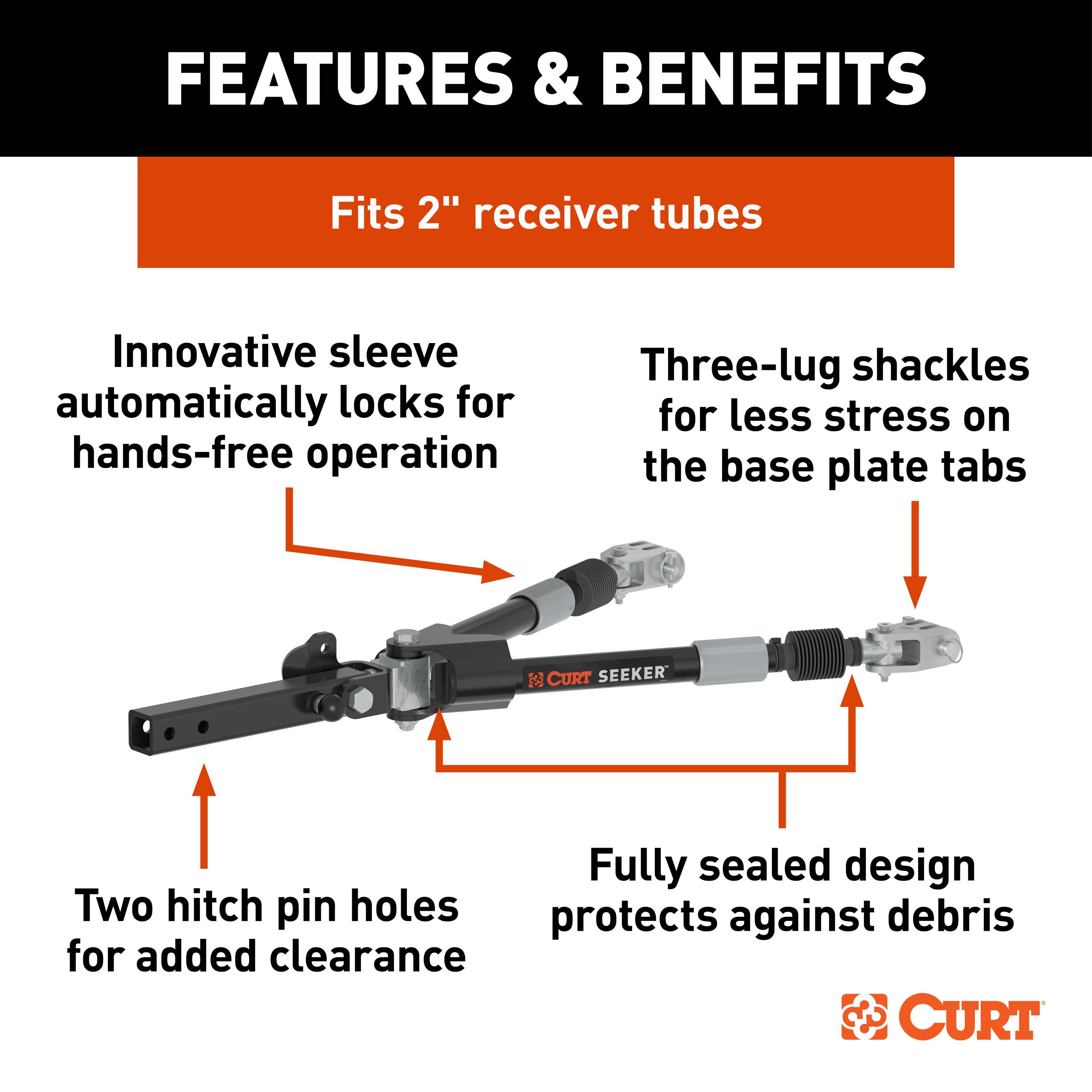
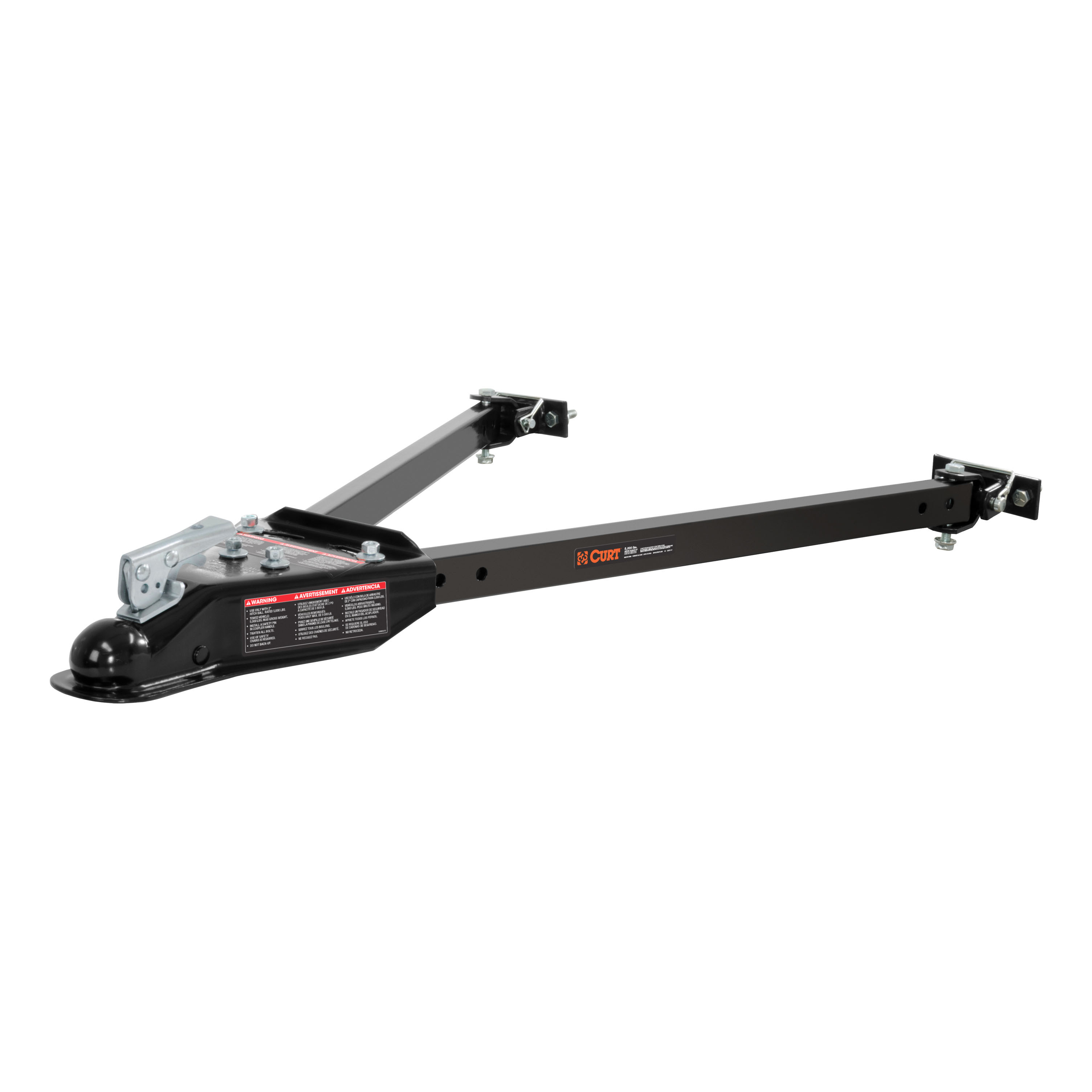
Innovative sleeve automatically locks for hands-free operation on uneven ground
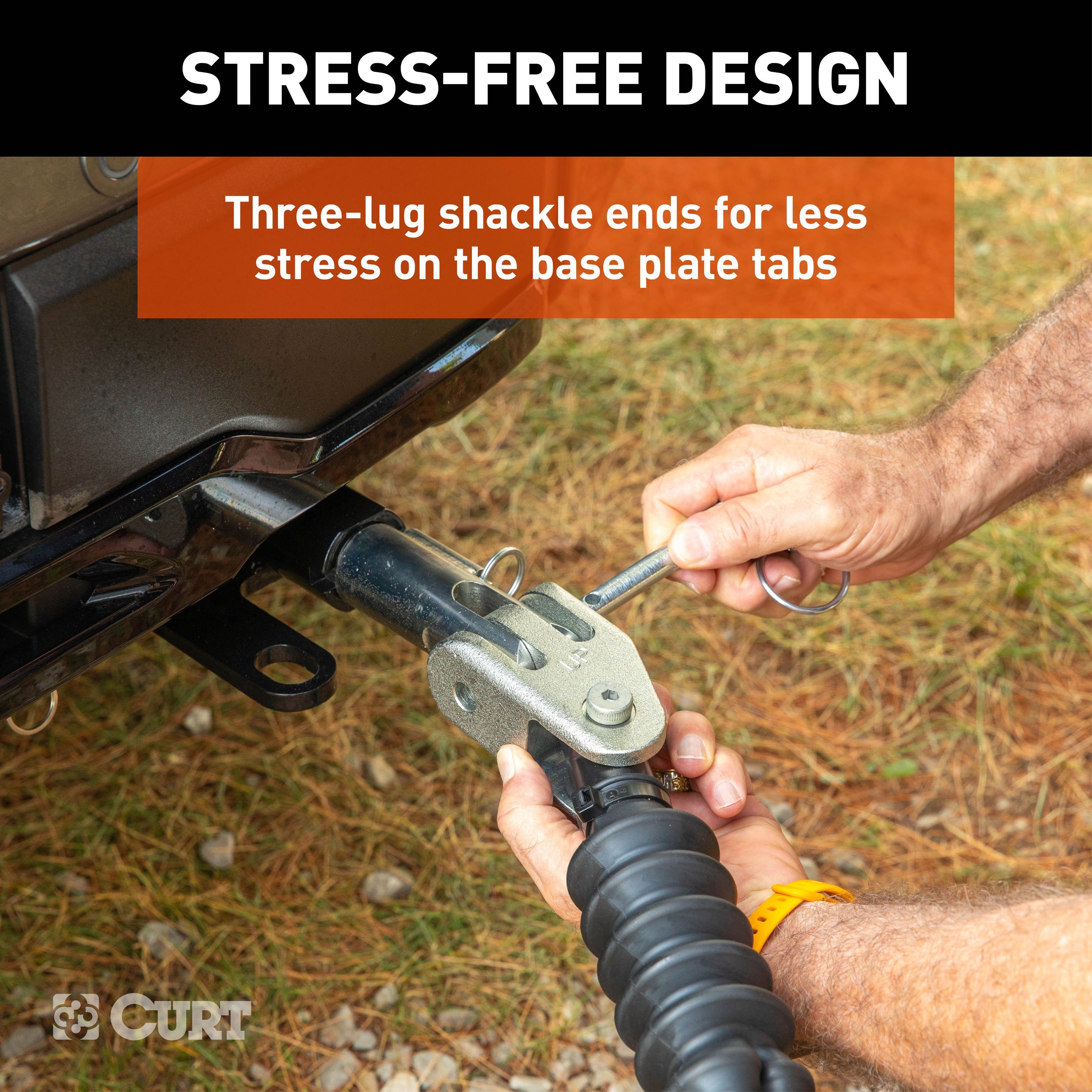
Three-lug shackle ends for less stress on the base plate tabs

Innovative sleeve automatically locks for hands-free operation on uneven ground
Material: Carbon Steel
Shipping Weight: 44.000 lbs
Finish: CARBIDE BLACK POWDER COAT
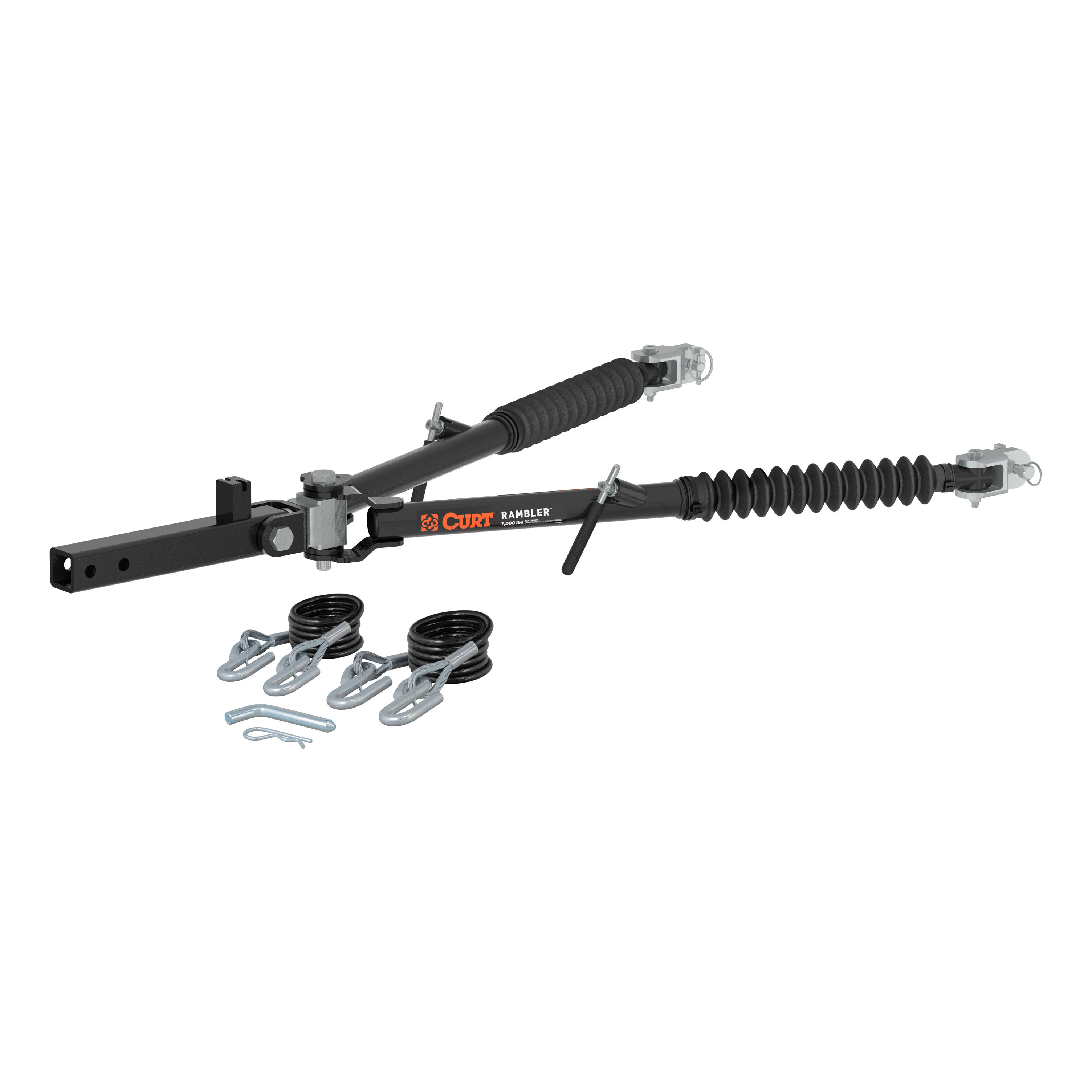
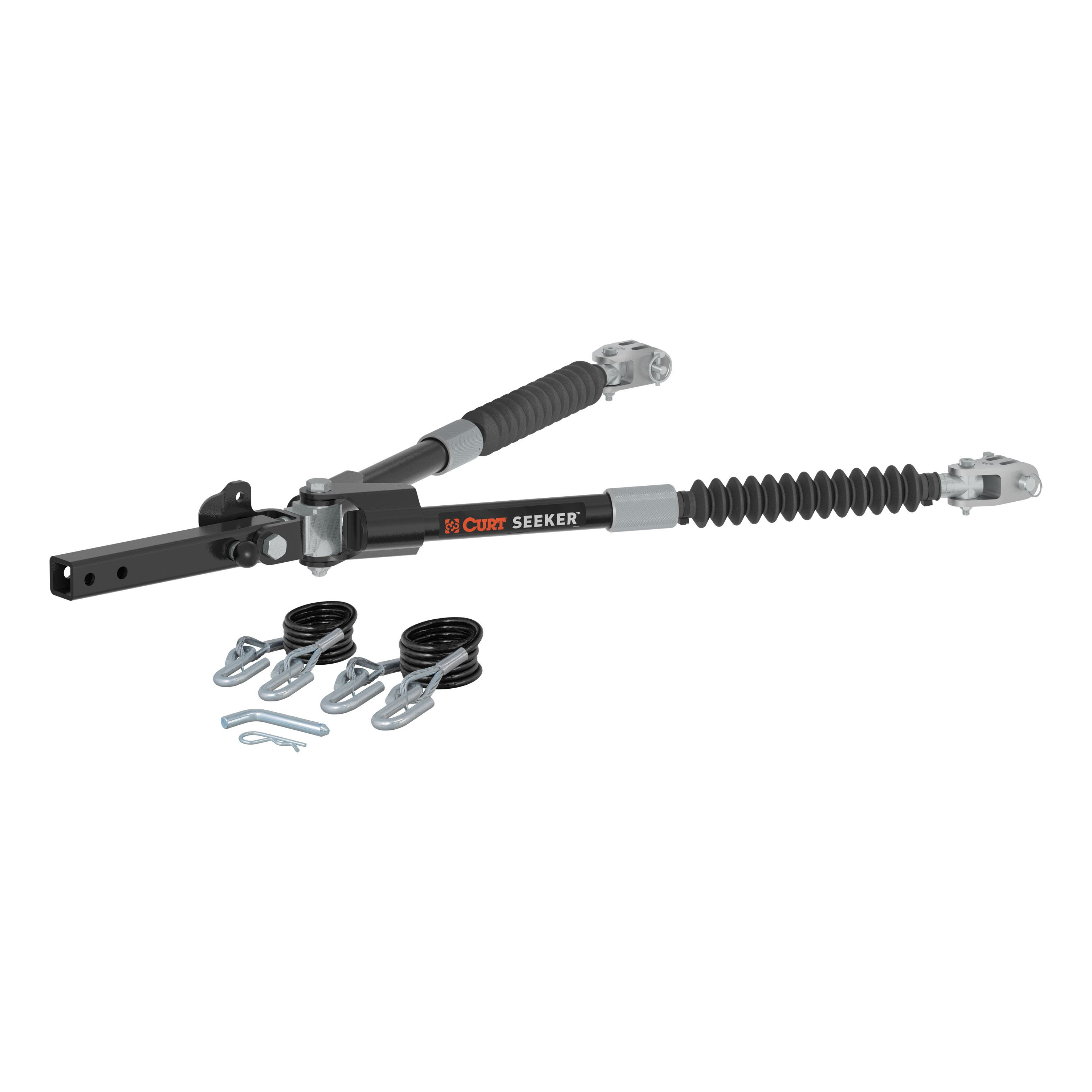
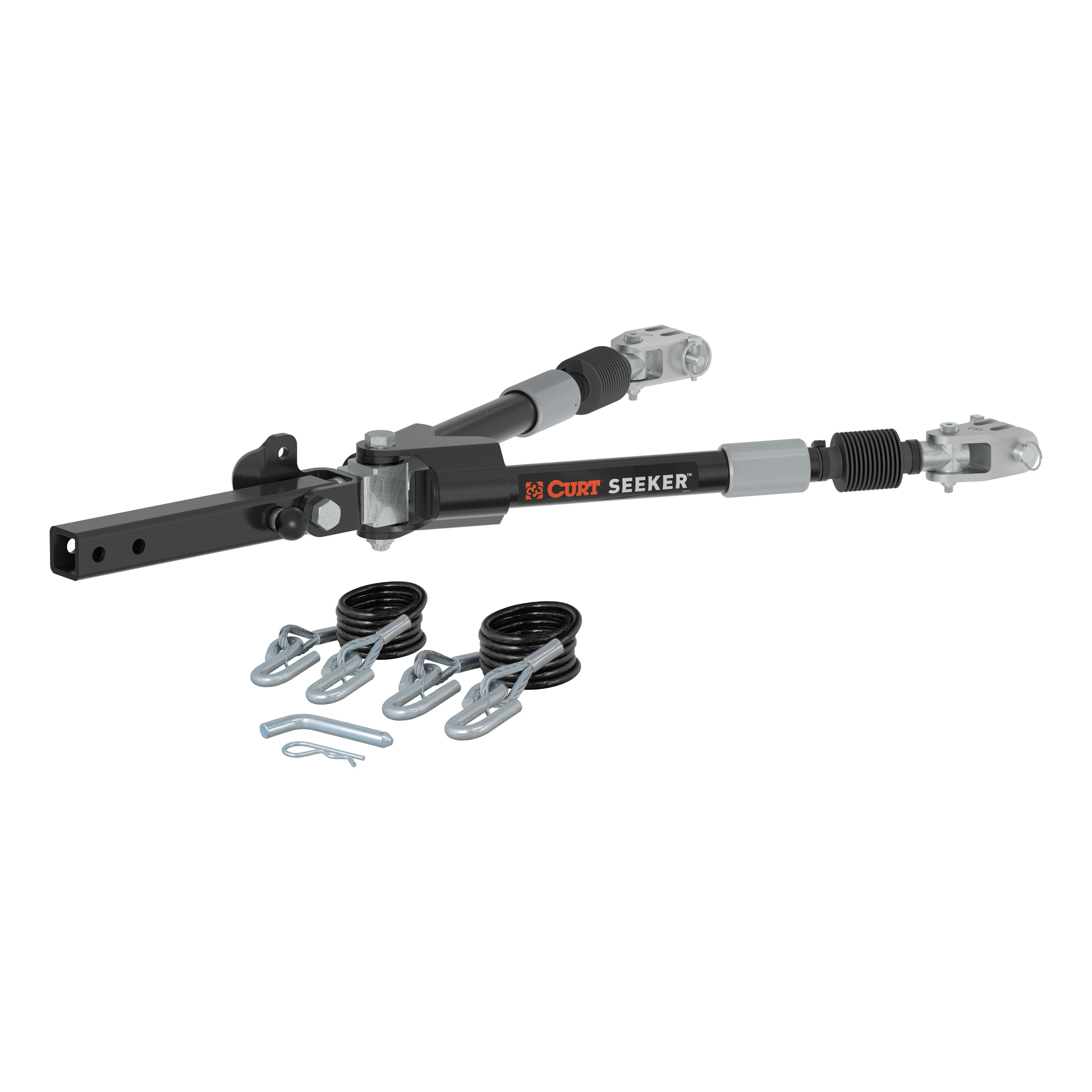
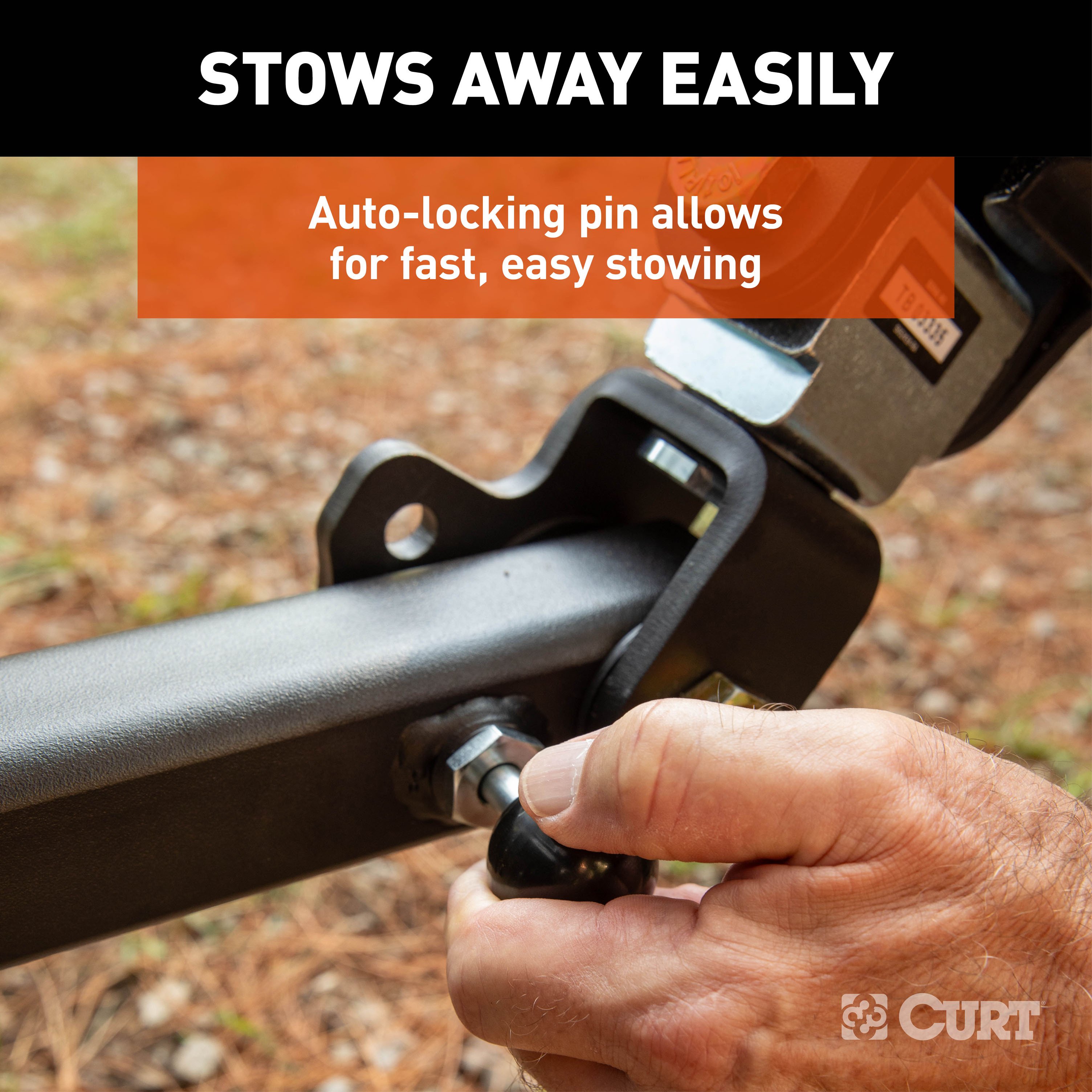
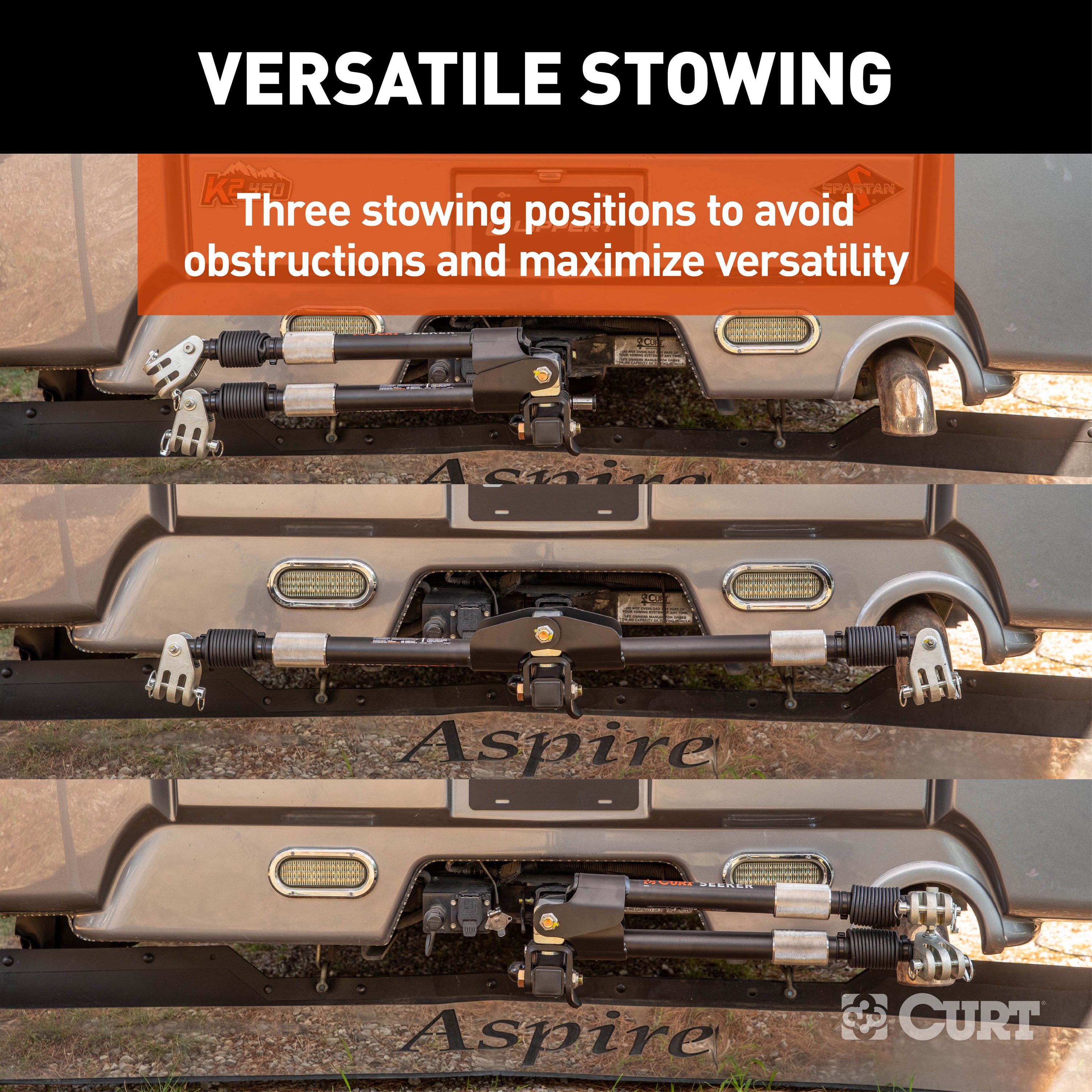
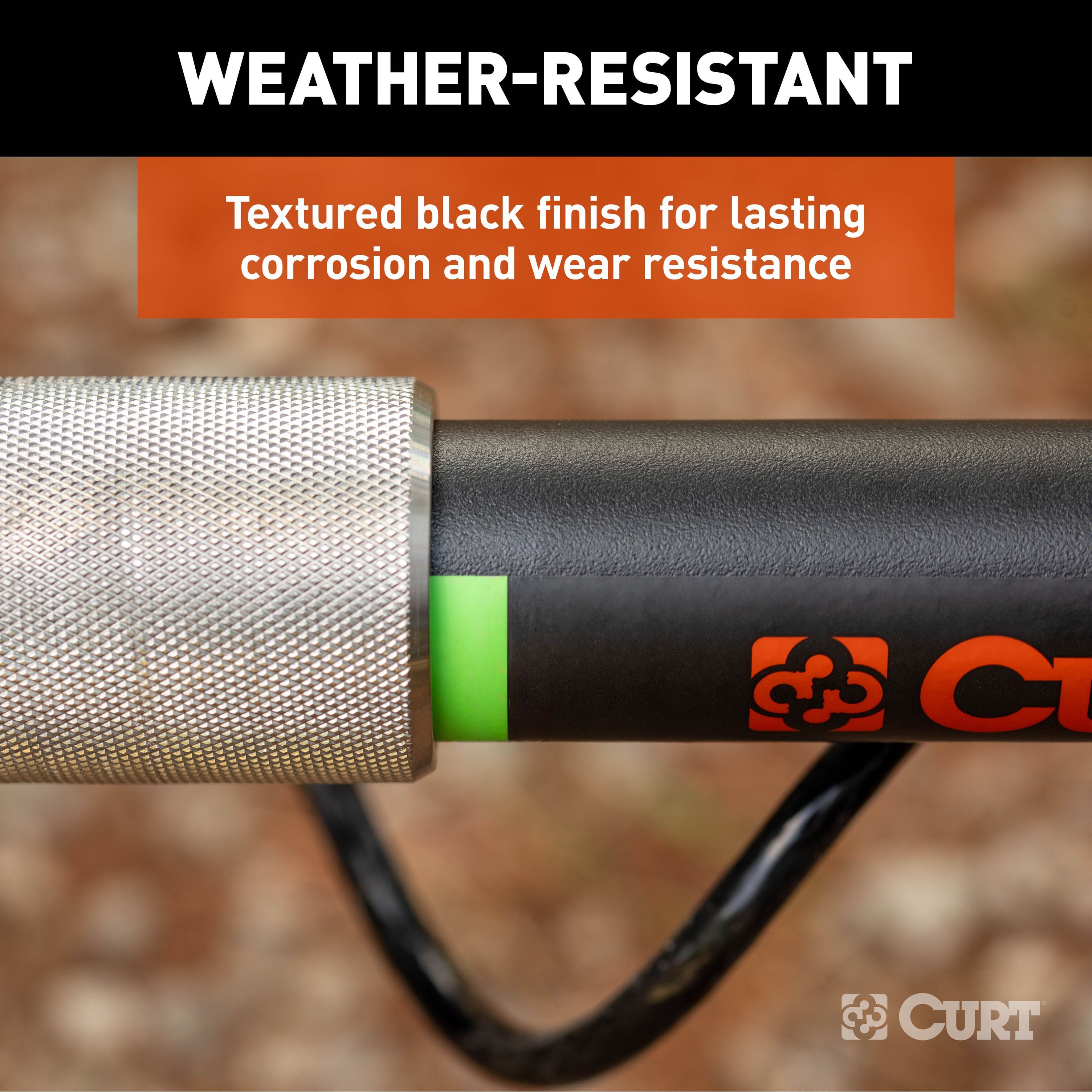
The CURT Seeker tow bar makes towing easy and stress-free, giving you more control over your adventures. Its designed to connect your vehicle to your RV effortlessly, even on rough ground. Thanks to its hands-free locking system, you wont have to struggle with hookups just connect and go. The three-lug shackle ends reduce wear and tear on your vehicles base plate, helping your gear last longer and making your trips smoother. Whether you're towing your car for a weekend getaway or your Jeep for an off-road adventure, the Seeker tow bar is built for reliable performance. Its extended arms give you more room to connect, no matter the terrain. Safety is a top priority, and this tow bar has been thoroughly tested for strength and reliability, so you can tow with confidence. Packing up at the end of the day is just as easy. The Seeker has an auto-locking pin that lets you stow the tow bar in seconds, and you can choose from three positions to avoid any obstructions. Youll also enjoy a quiet, smooth ride, thanks to advanced washers that prevent rattling. Whether youre on highways or dirt roads, the Seeker tow bar is built to handle the elements. Its fully sealed and protected with rubber sleeves and a corrosion-resistant finish, keeping out dirt and debris. Made from high-strength steel and rated for up to 10,000 lbs., the CURT Seeker is strong enough for towing cars, Jeeps, or Broncos. More than just a tool, its your dependable partner for all your adventures.

CURT offers a variety of high-quality trailer hitches and accessories for select vehicle models. Find the perfect fit for your towing needs at TowUniverse.
CURT, a Lippert brand, offers a complete line of towing products and is the leading manufacturer of custom-fit trailer hitches. We offer the broadest selection of custom-fit hitches, and each one is designed, welded, and coated in Wisconsin.
CURT is also a leader in flat towing products, as well as 5th wheel, gooseneck, and weight distribution hitches, ball mounts, electrical components, cargo solutions, and other towing accessories.
For everything from passenger cars and vans to full-size pickups and SUVs, CURT is 'The First Name in Towing Products®.'
Experts available to answer your questions
Call 888-634-9494Limited Lifetime
Quick Ship
In stock and ready to ship — order now!
FREE ShippingFREE SHIPPING
Estimated delivery Tue, Sep 22 - Fri, Sep 25
Order before 2 PM EST Monday–Friday for same-day processing
Guaranteed safe & secure checkout
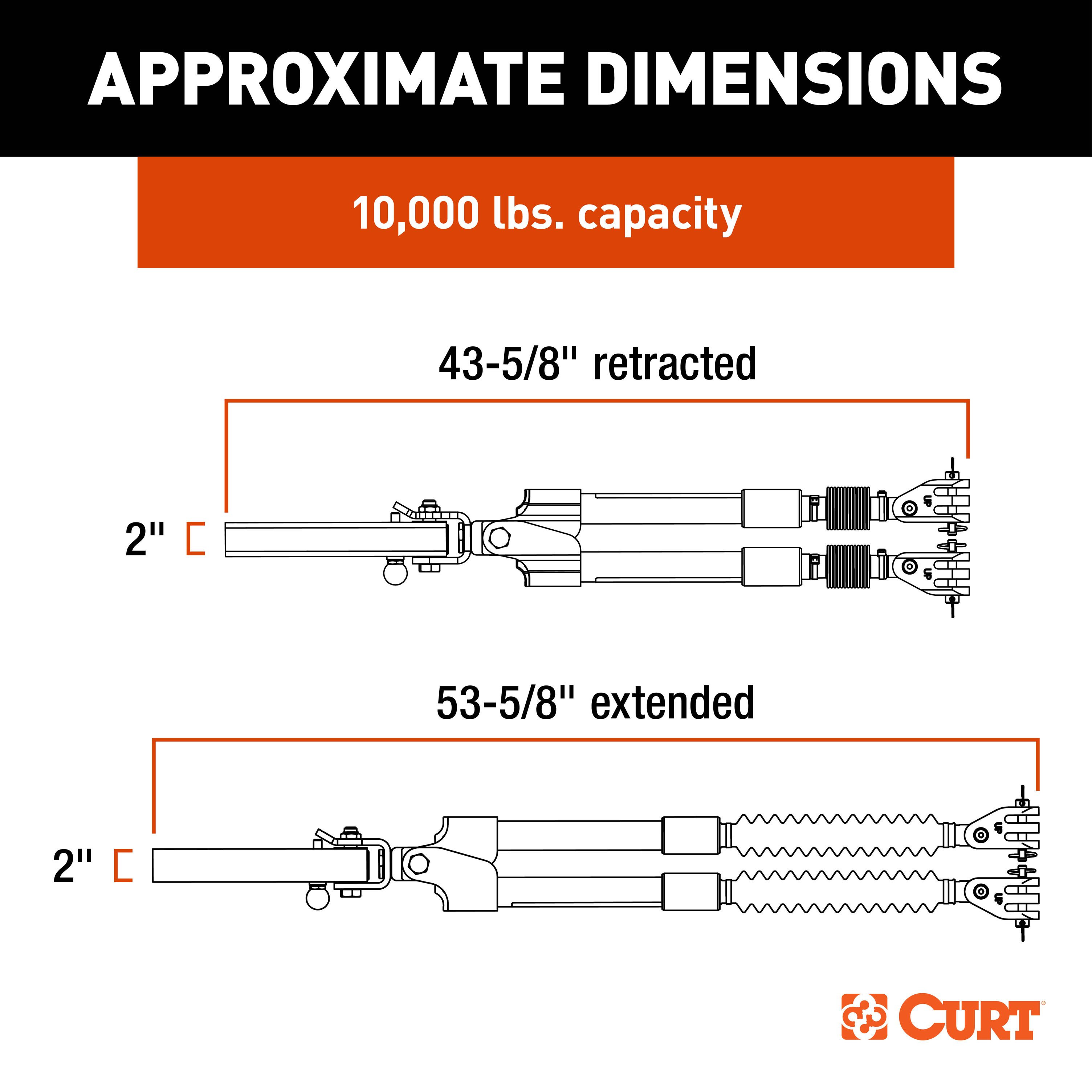
The Curt 70012 has a gross vehicle weight rating (GVWR) capacity of 10,000 lbs. Never exceed your vehicle manufacturer's recommended GVWR.
No tools are required for installation of the Curt 70012.
The receiver hitch of the towing vehicle and the mounting tabs of the towed vehicle must be within a 3" height difference above or below. Curt offers leveling adapters to help achieve proper alignment.
The tow bar shank has two pin positions. It is recommended to use the shortest position when possible.
Yes, always use the provided safety cables when towing. Ensure the safety cables are long enough to allow for turns without becoming entangled with the tow bar or latch handles. Safety cables becoming entangled with the latch handles could cause one or more arms to collapse, resulting in major damage, injury or death.
Re-torque fasteners after every 1,000 miles. Check fasteners before each use.
Remove the zip tie securing the rubber bellow and slide it back. Clean the inner rods with silicone spray or brake cleaner. Apply a light coating of multipurpose grease to each rod and actuate in and out until it slides smoothly. Re-secure each bellow with a UV-rated nylon zip tie. If the rubber bellows are cracked or damaged, replace them immediately.
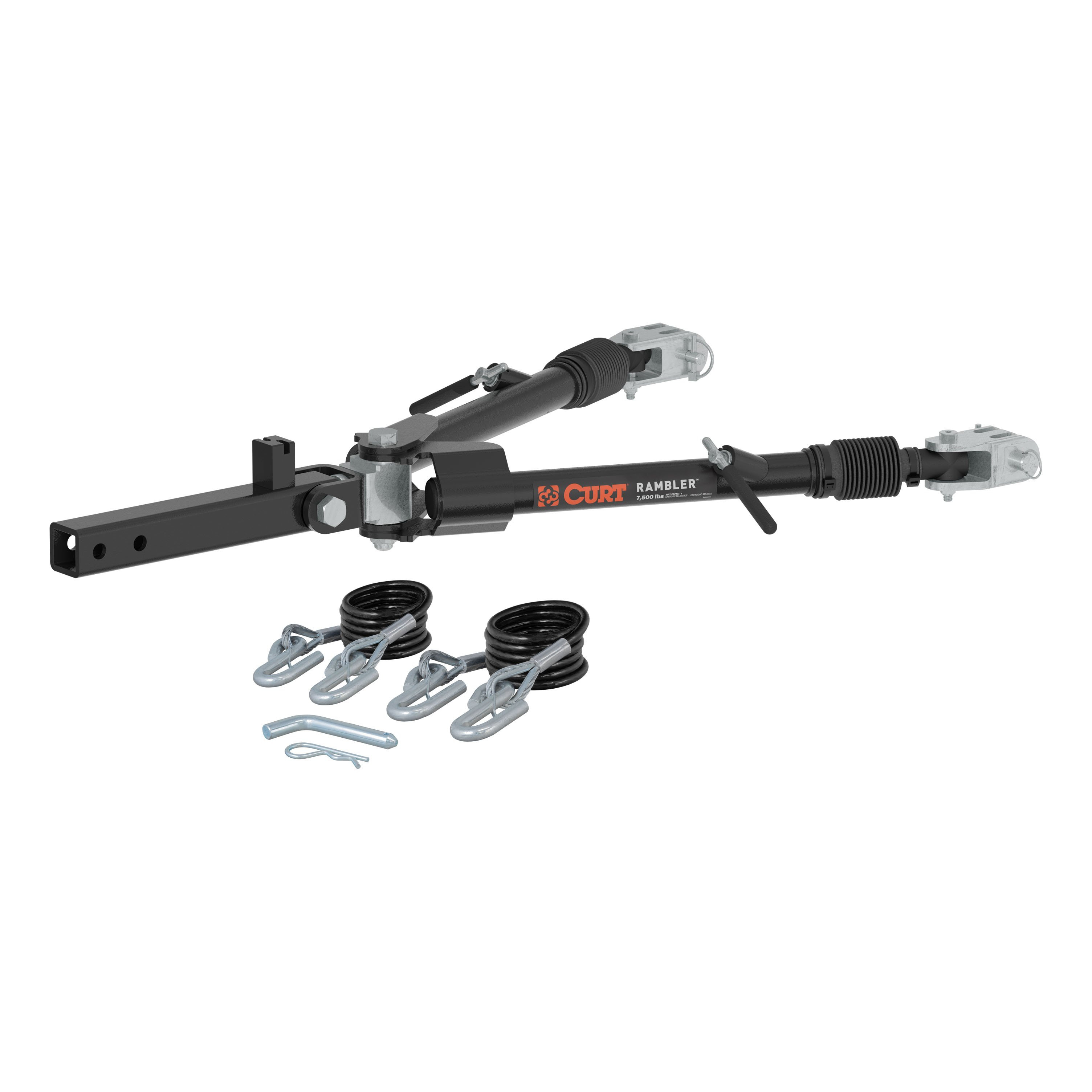
The Curt 70012 package includes: one tow bar, two safety cables (7' each), and one hitch pin with clip. No additional tools are required for installation.
The Curt 70012 is rated as an Easy installation.
The manual does not specify receiver hitch size compatibility. Contact Curt Manufacturing at 877-287-8634 or visit curtmfg.com to confirm fitment for your specific receiver hitch.
The Curt 70012 is designed for flat towing vehicles equipped with base plate tabs and a towing vehicle with a receiver hitch. Specific vehicle compatibility is not listed in the manual. Contact Curt Manufacturing at 877-287-8634 or visit curtmfg.com to confirm compatibility with your vehicles.
Yes. Any time you are hooking up or unhooking the tow bar, both vehicles should be in park.
Position the towed vehicle on a level surface squarely behind the towing vehicle in the approximate towing position. This will make hooking up safe and easy. When unhooking, park both vehicles on a level surface in a straight line.
Insert the tow bar shank into the receiver hitch tube of the towing vehicle and secure with the provided pin and clip. The tow bar has two pin positions on the shank; it is recommended to use the shortest position when possible.
The tow bar lugs must be facing upward when rotated into the towing position. Ensure that the lugs are oriented so the word "Up" is visible.
Pull the locking collar towards the towing vehicle and extend each arm to the vehicle tabs. Position the tow bar lug between the vehicle base plate tab and secure with the provided 1/2" pin and lynch pin. Ensure the lynch pin is in the proper orientation and the folding ring closes completely.
After the towed vehicle is set up for flat towing, pull forward slightly with the towing vehicle until one or both of the locking collars are engaged. Collars will snap rearward towards the towed vehicle when they are locked. Always verify both collars are in the locked position prior to towing. If only one locking collar is engaged, turn the towing vehicle's steering wheel towards the locked tow bar arm while slowly driving forward.
Attach the provided safety cables to the hitch's safety chain loops or plates, or a solid part of the towing vehicle's chassis. Cross the cables as you run them under the tow bar towards the towed vehicle. Attach the cables to the base plate convenience links or a solid part of the towed vehicle's chassis. Verify the cable hooks are fully seated and the safety springs are closed and snapped against the hooks. Safety cables must not be hooked on themselves, kinked or knotted.
On the towed vehicle, disengage the parking brake, set up the transmission for towing, and unlock the steering wheel. Follow your towed vehicle owner's manual for all steps needed to flat tow your vehicle.
Remove all parts from packaging and review the parts list to ensure you have all components. While supporting the tow bar shank, pull the lock handle out, then pull both arms upward 90° and rotate arms 90°.
Park both vehicles on a level surface in a straight line. Unhook the electrical and safety cables. Push and hold the locking collars towards the tow vehicle to disengage the arms. Remove the lynch pins and pull out the 1/2" pins from the tow bar tabs and lugs. While pulling up on the arm latches, retract each arm until it hits an internal hard stop. Place the 1/2" pins back into the tow bar lugs and secure with the lynch pins.
The tow bar has three torque specifications: the tow bar lug is torqued to 10 ft.-lbs. (3-4 threads showing), the clevis is torqued to 35 ft.-lbs. (1-2 threads showing), and the shank is torqued to 35 ft.-lbs. (1-2 threads showing). To help prevent damage to the product or vehicle, refer to these specified torque specifications when securing hardware during the installation process.
No. Never back up while flat towing a vehicle. Damage to both vehicles and towing system may occur.
Inspect the tow bar and towing system prior to every use. Check for cracked welds, loose, worn or damaged parts. Do not tow with a damaged or worn tow bar or towing system. Verify adequate clearances between both vehicles and your towing system in all maneuvering situations. Ensure that your towing vehicle is of adequate size to properly control your towed vehicle. Be sure towing and towed vehicles are aligned with proper tire air pressure.
The receiver hitch of the towing vehicle and the mounting tabs of the towed vehicle must be within a 3" height difference above or below. Never exceed more than one point of connection between the towing vehicle and the tow bar. Using a leveling adapter between the towing vehicle and tow bar is acceptable. Using a leveling adapter and extension is dangerous and not acceptable.
Never exceed the vehicle manufacturer's recommended gross vehicle weight rating (GVWR). Never back up while flat towing. Avoid rough terrain and sharp turns, as severe bumps can damage your towing system. Never use the towed vehicle for storage, as this may cause you to exceed the capacity of the tow bar or your towing system. Follow your vehicle's owner's manual for all flat towing steps and limitations.
Safety or electrical cables becoming entangled with the latch handles could cause one or more arms to collapse, resulting in major damage, injury or death. Ensure the safety cables are long enough to allow for turns without making hard contact with the tow bar or locking collars. Never wrap the safety cables around the tow bar arms. Inspect the safety cables prior to towing and never use damaged safety cables.
Clean the tow bar after each use with warm soapy water and dry with towels. Periodically inspect the locking collars and lubricate with a white lithium or other sprayable multipurpose grease. We recommend the tow bar be removed from the vehicle or covered when not in use.
Check your towing system after any unusual event and periodically on a long trip. Check fasteners before each use. After every 1,000 miles re-torque fasteners.
The tow bar can be stored in three positions: laying both arms to the passenger side, laying both arms to the driver side, or laying one arm in each direction. While holding the tow bar arms horizontal, push them inward towards each other. Lift both arms to the vertical position, making sure the pivot block is square to the storage block. Check to ensure the locking pin is fully engaged and arms are fully seated on the pivot block to prevent them from dislodging during travel.
Pulling the locking collar towards the towing vehicle eases moving the arms in and out and aids in maneuvering. When disengaging the arms, push and hold the locking collars towards the tow vehicle. The collar snaps rearward towards the towed vehicle when in the locked position.
If the rubber bellows are cracked or damaged, replace them immediately.
When operating the tow bar, ensure you are in a safe position from vehicle movement and pinch points. When disengaging the arms, ensure you are in a safe position from vehicle roll and pinch points.
Rear lighting is required on the towed vehicle. Go to curtmfg.com for RV harnesses and other lighting options.
If only one locking collar is engaged, turn the towing vehicle's steering wheel towards the locked tow bar arm while slowly driving forward. This will help engage the second locking collar.
No reviews have been added for this product.