
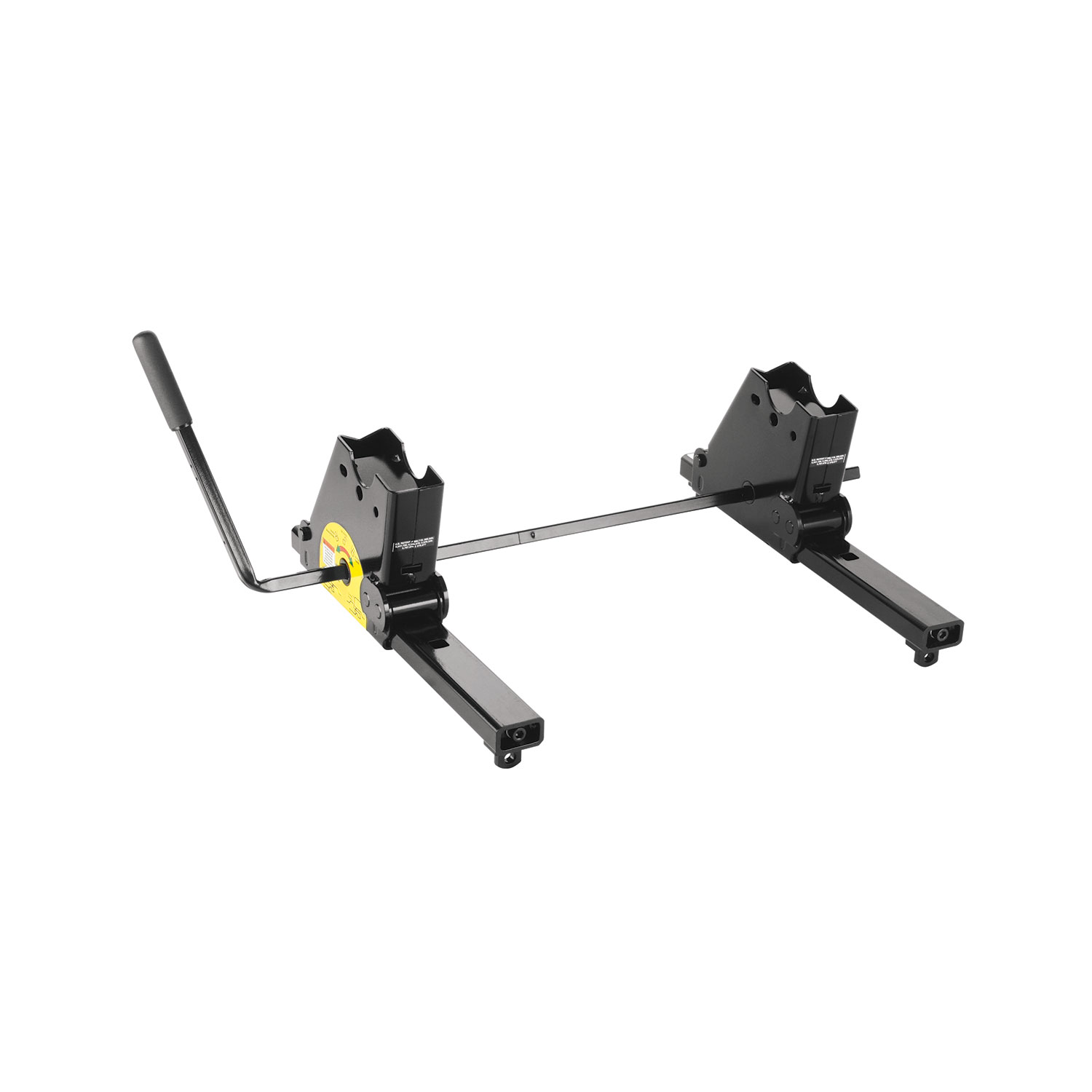
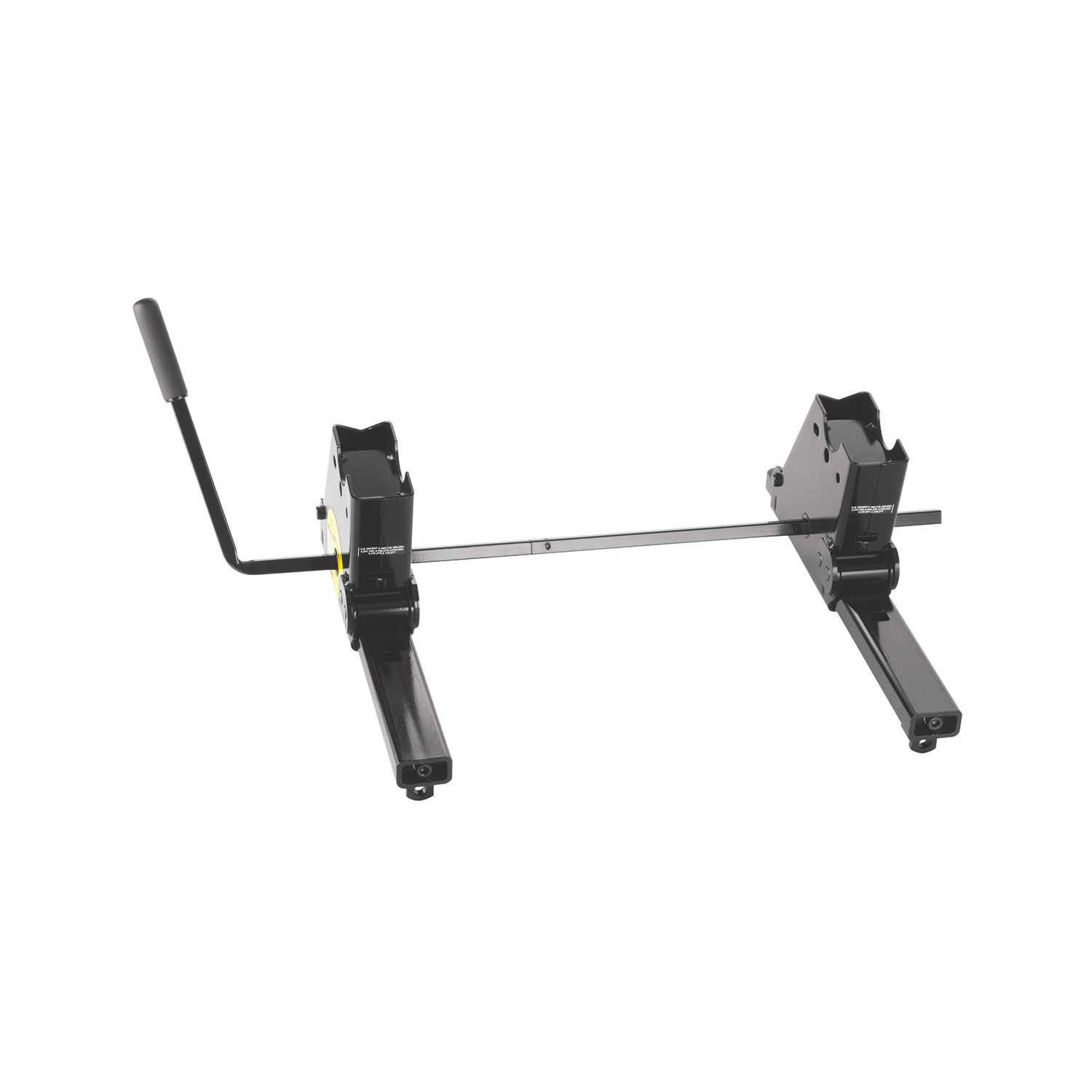
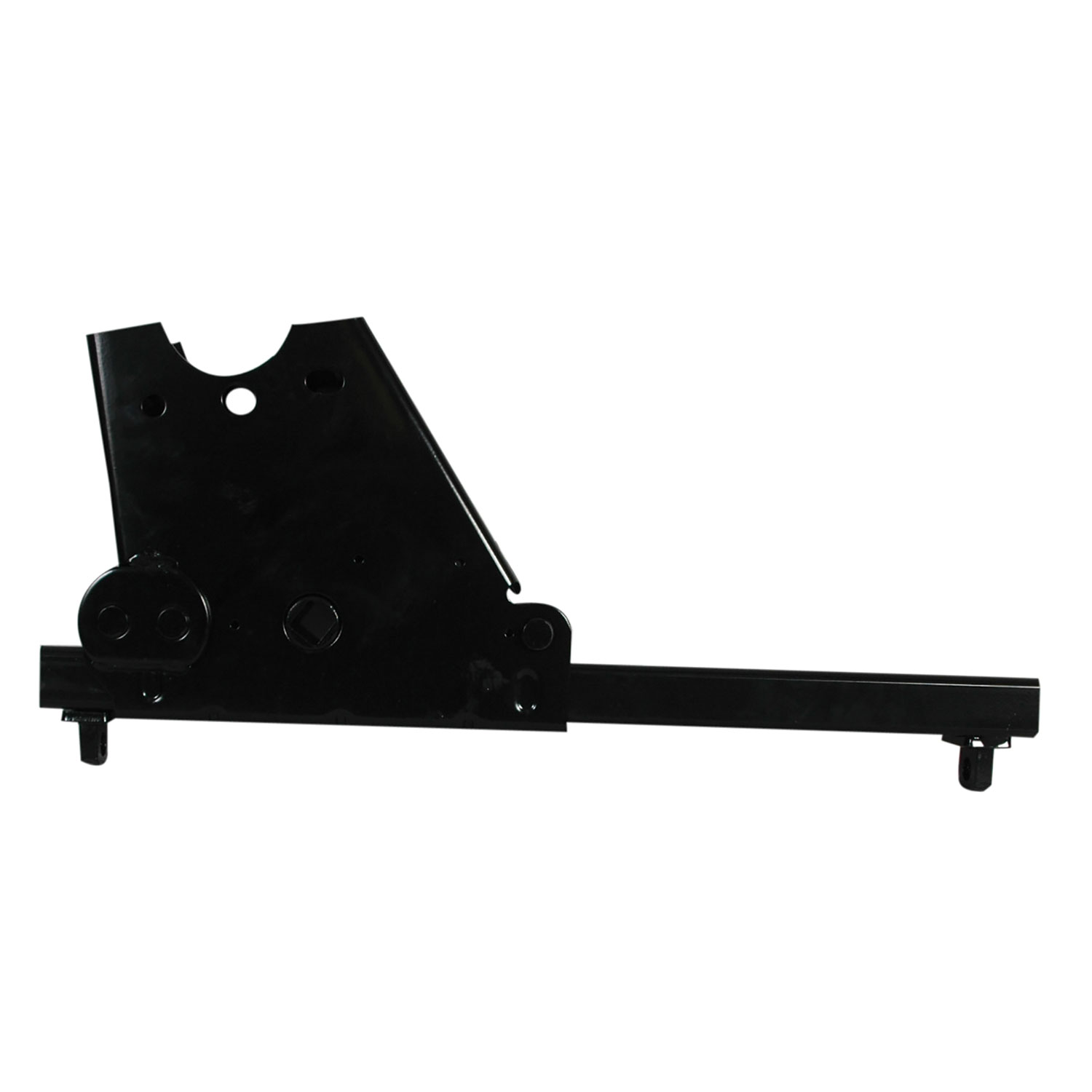
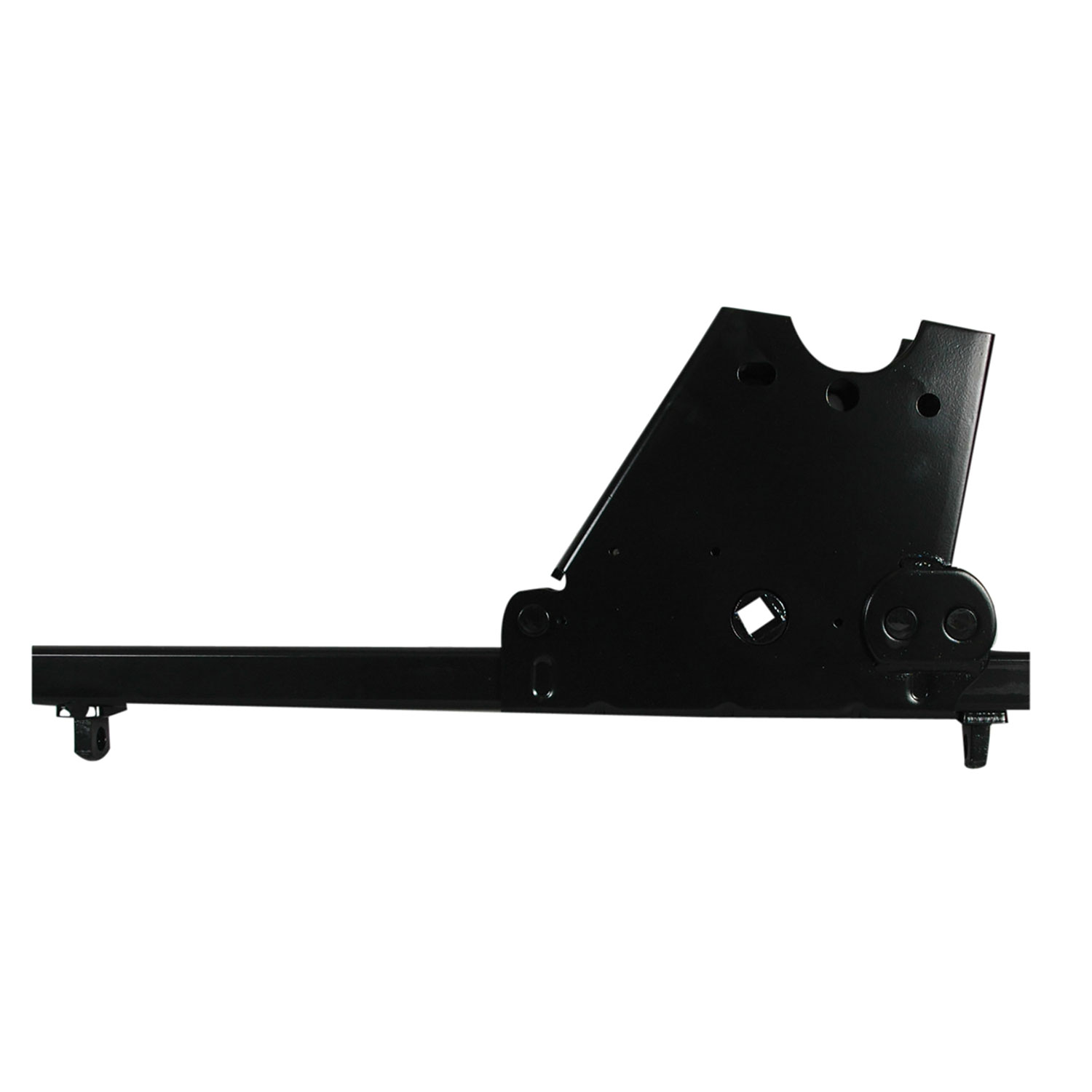
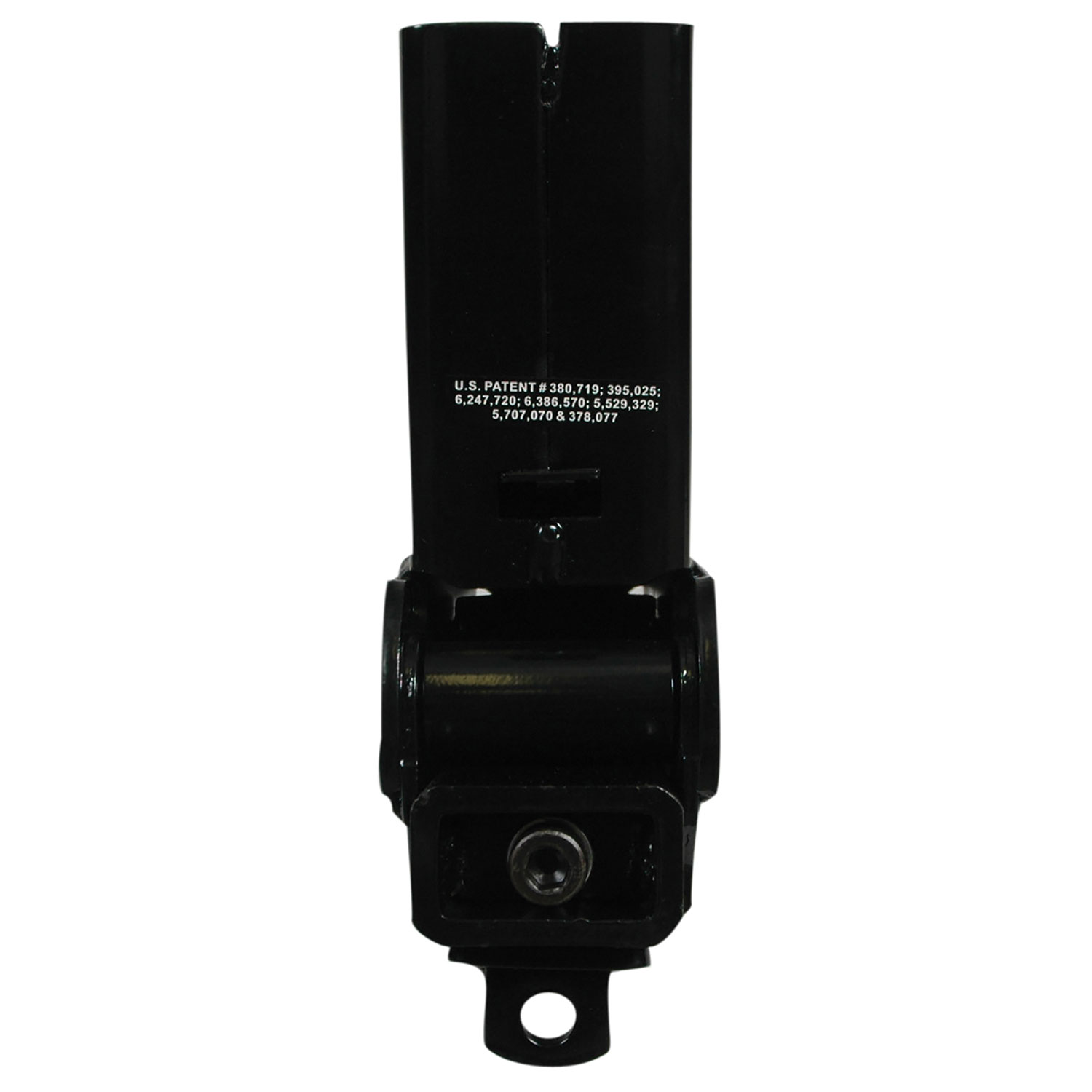
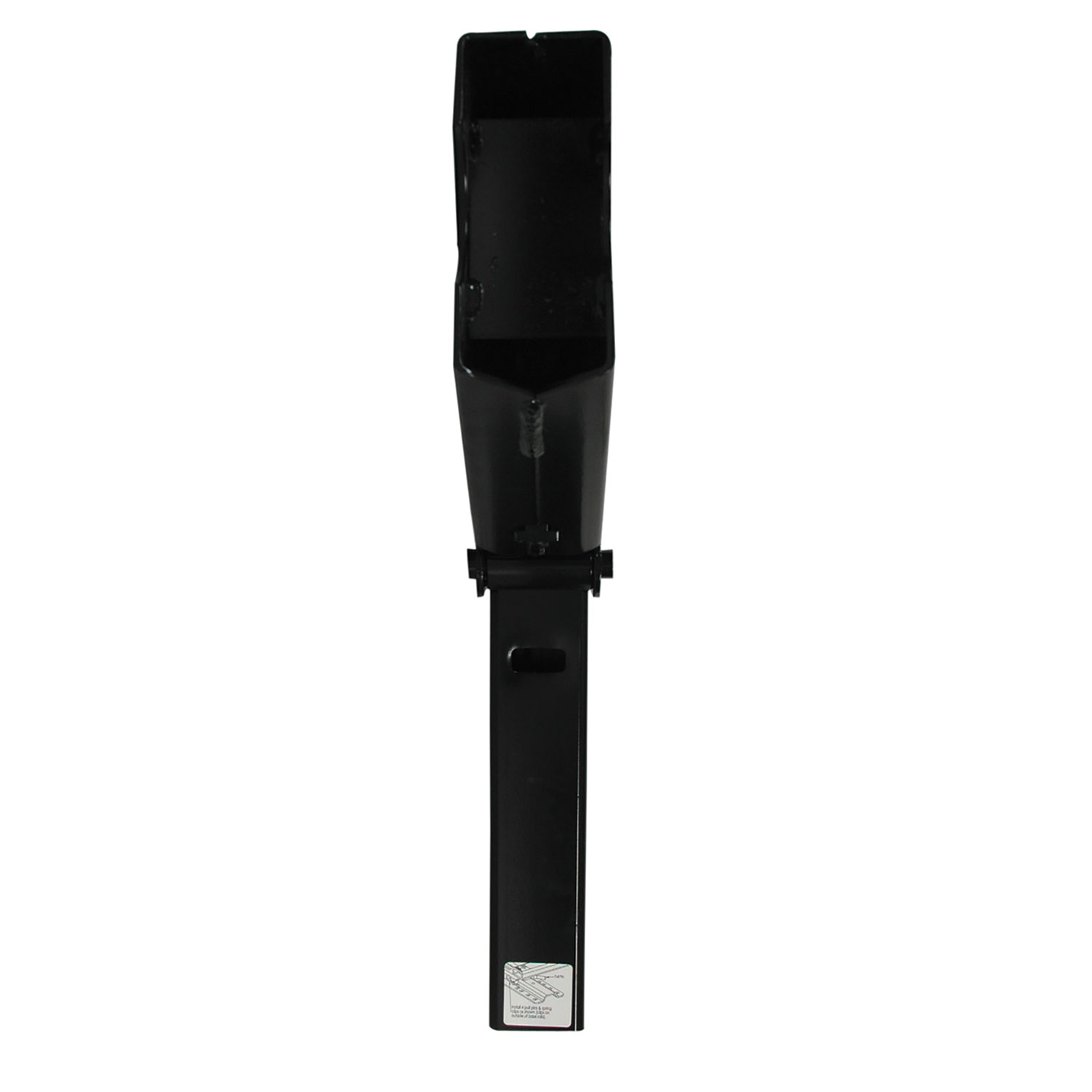
Reese Fifth Wheel Round Tube Slider Unit, 20,000 lbs. CapacityReeseOriginal price was $676.25. Current price is $515.14.Out of Stock
View productOur in-house experts typically reply within one business day.

Reese

Always the correct part
We know our products
Quality Products
Free Shipping!

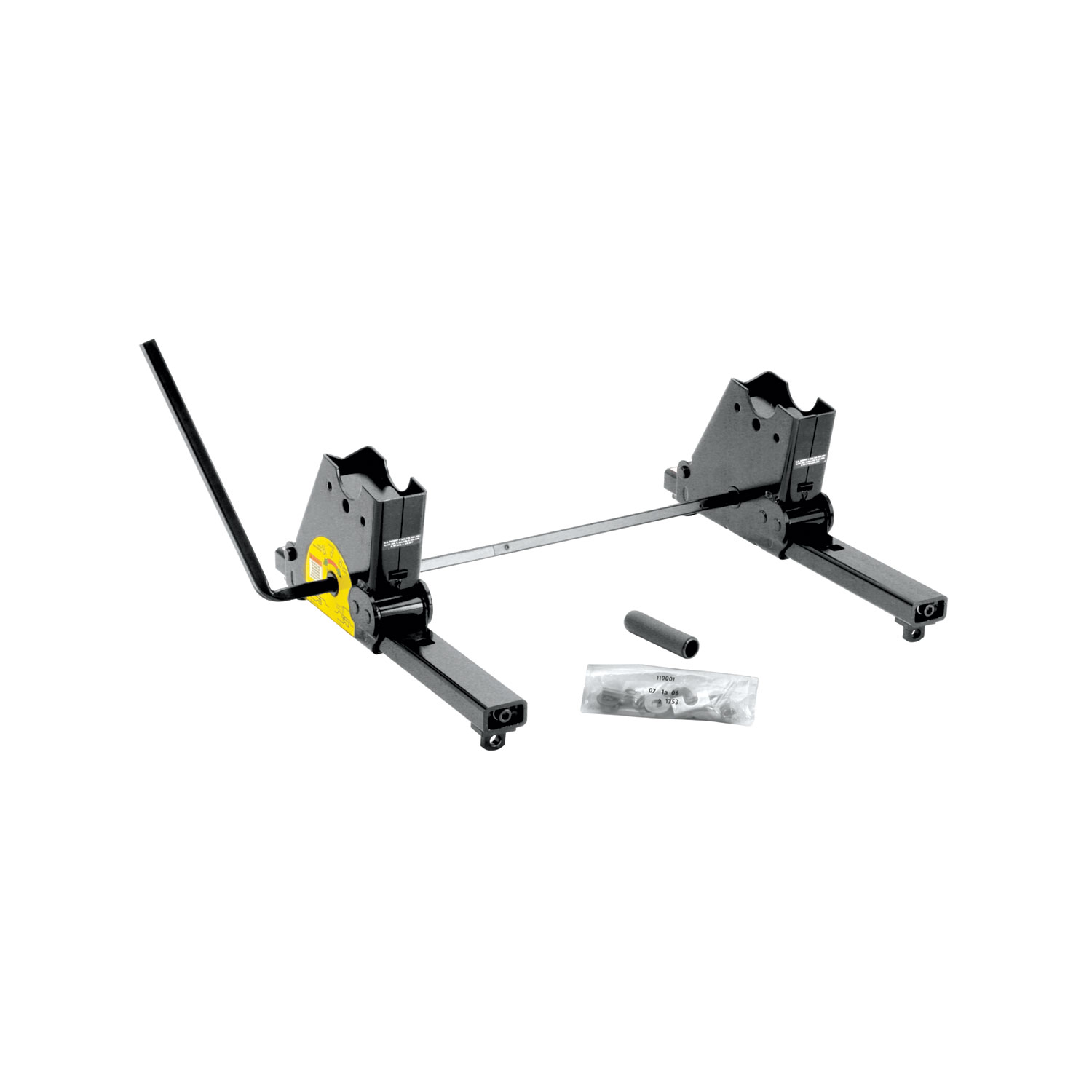
While it is true that you can tow with any pickup truck, you may need some extra equipment to pull a fifth wheel trailer with it. Why you ask? Well, aside from the size and pulling capacity of each truck, pickups also come with varying bed sizes, which can make turning and maneuvering a bit of a challenge for those with a shorter bed. REESE sliders works by moving or sliding - your fifth wheel hitch toward the rear of your truck, so the pin position is moved temporarily behind the rear axle, to provide more room for tighter maneuvering at low speeds. Without a slider, the front or nose of your trailer could hit and potentially damage your truck cab when youre trying to turn. Therefore, a slider is recommended for any short-bed pickup, so you can enjoy the journey as much as the destination.
| BRAND: | REESE |
| PART NUMBER: | 30048 |
| WARRANTY: | LIMITED LIFETIME WARRANTY |
| WEIGHT: | 65.2 LBS |
| CAPACITY: | 20,000 LBS. |
| COLOR: | BLACK |
| MOUNTING HARDWARE INCLUDED: | NO |
| MATERIAL: | STEEL |
| LOCKABLE: | YES |
| FINISH: | BLACK POWDER COAT |

Reese has designed towing equipment since 1952 and remains a benchmark for heavy-duty towing. The line covers fifth wheel hitches such as the modular M5, gooseneck couplers including the Goose Box, air-ride and short-bed pin boxes, weight distribution systems with active sway control, and the accessories that connect them, all built to exceed published industry standards.
Reese has been pioneering towing performance since 1952, when Margaret Reese asked her husband TJ to stop travel trailers rocking every time somebody walked through them. His answer, the first pair of stabilising jacks, was simple and effective enough to change the RV industry. From that starting point Reese grew into a designer and manufacturer of complete towing systems, and today it anchors the heavy-duty end of the Horizon Global towing portfolio.
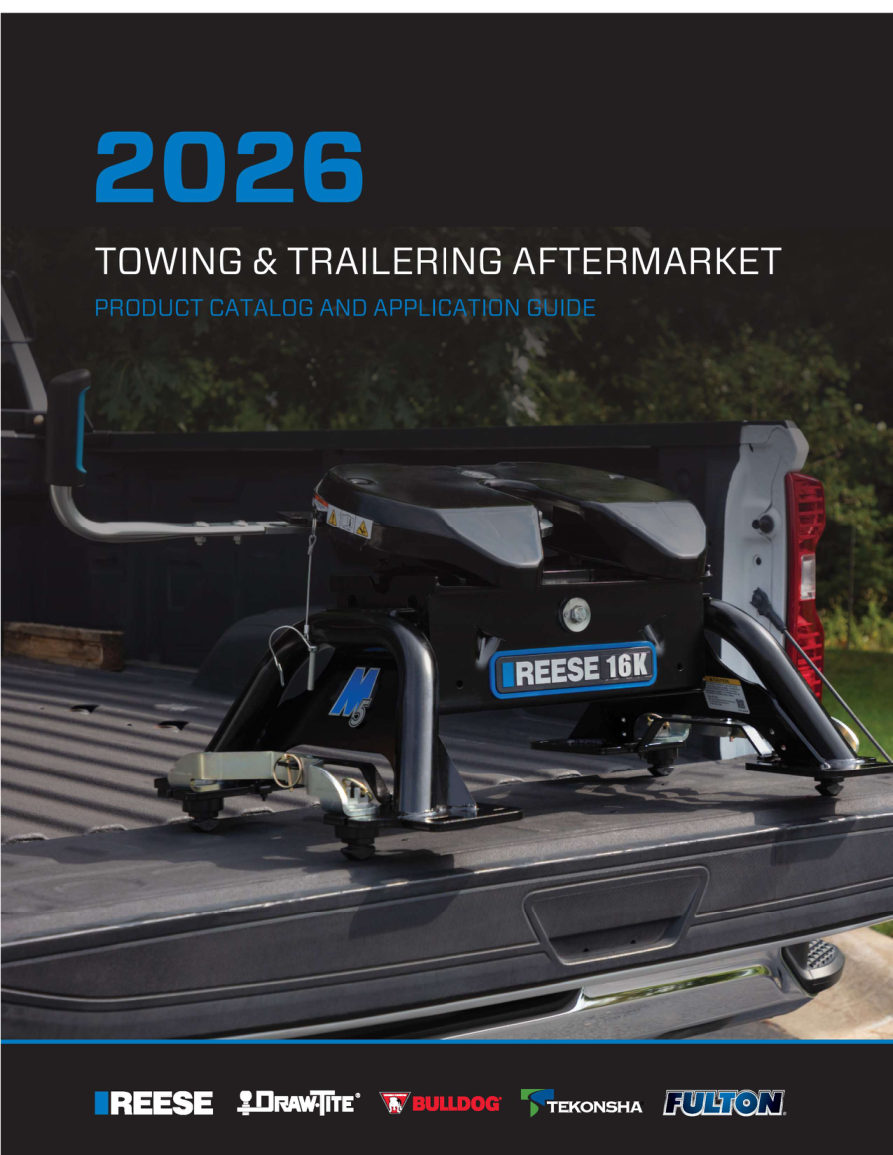
Fifth wheel towing is where the brand's engineering is most visible. The M5 fifth wheel hitch uses a modular design that breaks into manageable sections for assembly, with a wider stance, tighter tolerances and a shock absorption system aimed at the jolts that travel up through a truck bed. For owners who would rather tow from a gooseneck coupler and keep the bed clear, the Goose Box 20K replaces the trailer's king pin with a gooseneck connection carrying its own air-ride cushioning.
Pin boxes are a Reese speciality. The 5th Airborne uses air-ride technology to dampen road shock and reduce the chucking motion that makes fifth wheel towing tiring, while the Sidewinder was designed for short-bed pickups, pivoting the connection point so the trailer can turn sharply without the front cap meeting the cab.
For conventional towing, Reese weight distribution systems restore load to the tow vehicle's front axle and control sway. The Pro Round Bar distributes weight evenly while damping sway, and the Pro Dual Cam II uses active cam-based sway control that works harder the stronger the sway force becomes. Complete kits pair bars, head and shank to a rated tongue weight, and dedicated sway control kits can be added to existing setups. The products suit RV owners, horse and livestock haulers and anyone towing near the upper end of a vehicle's rating.
Experts available to answer your questions
Call 888-634-9494Lifetime
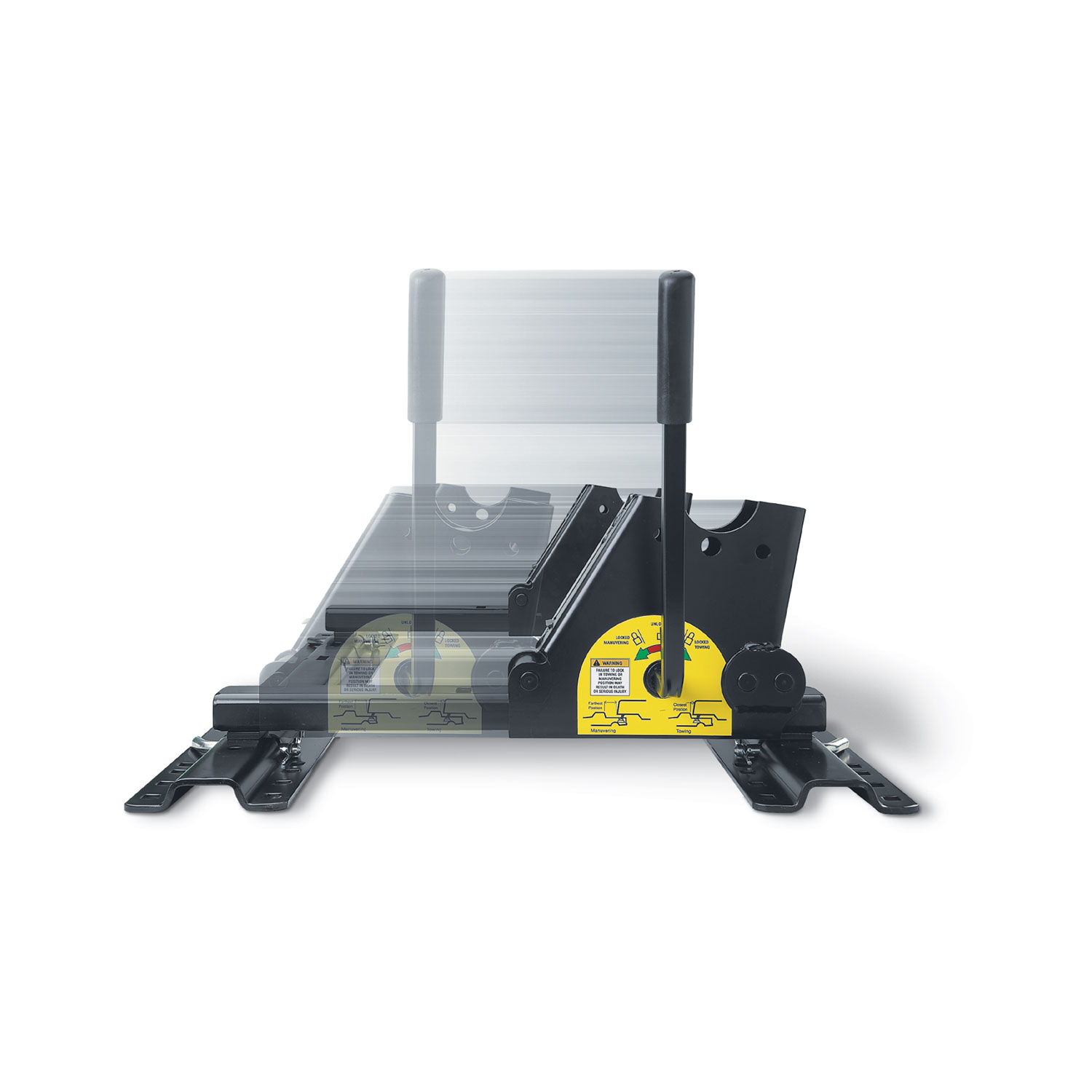
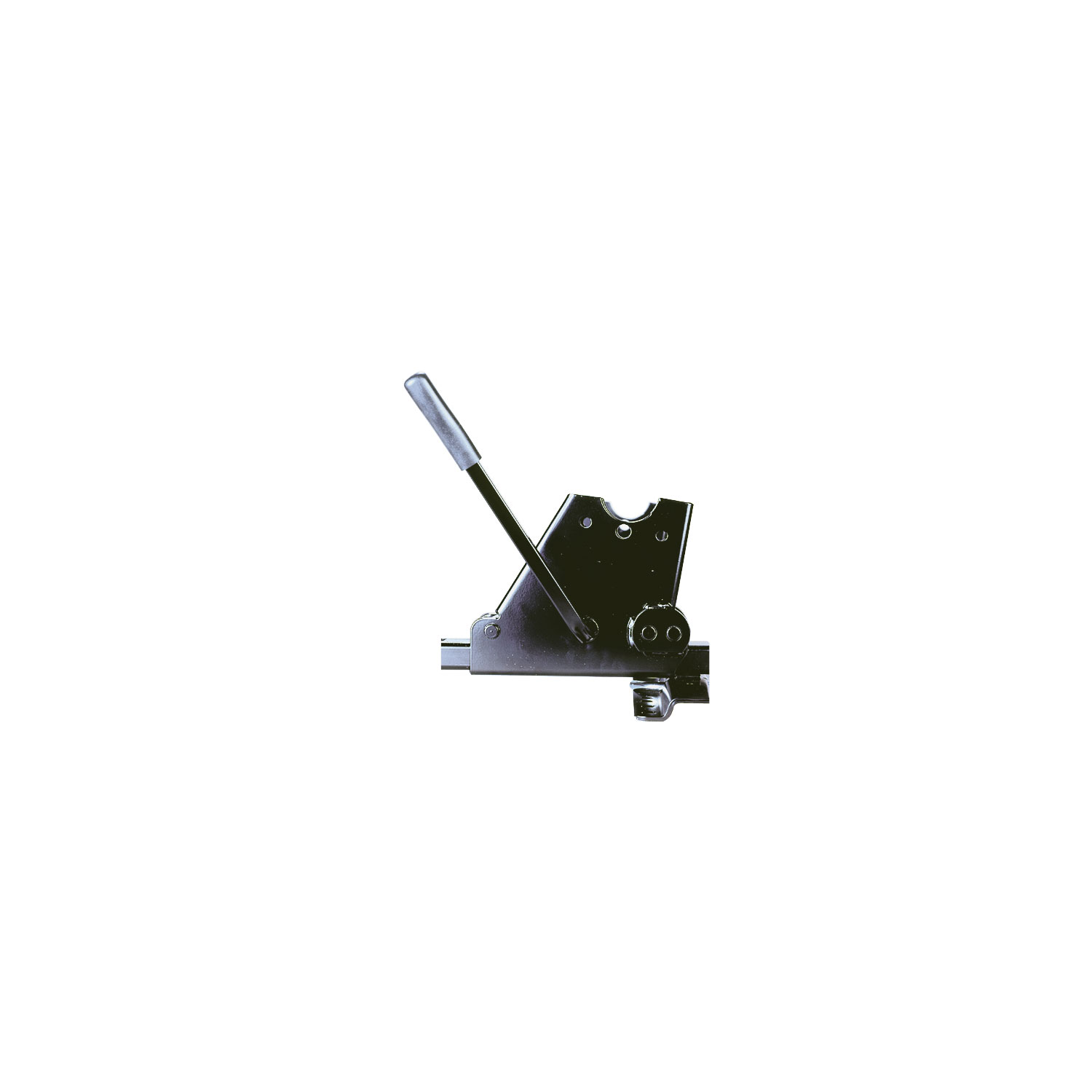
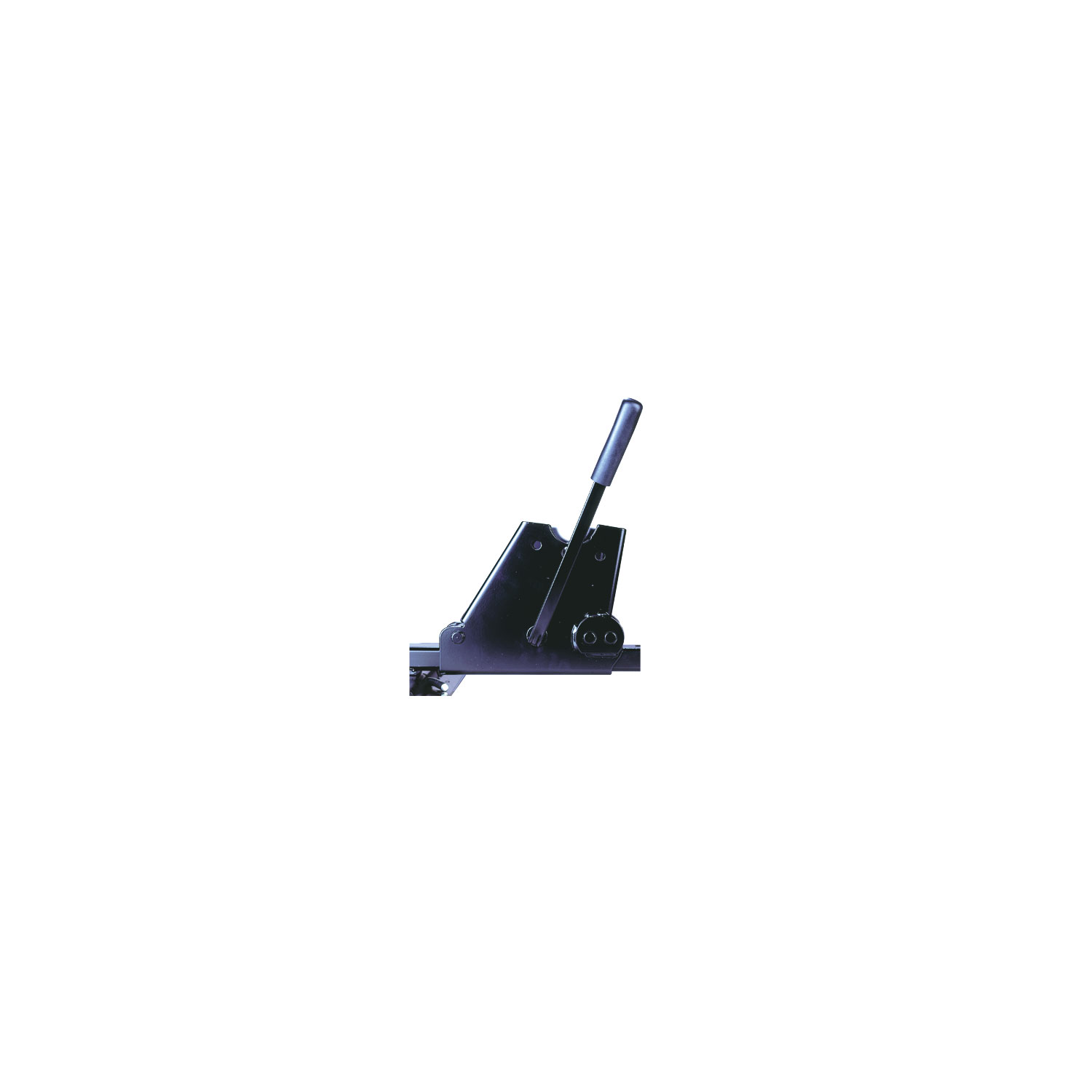
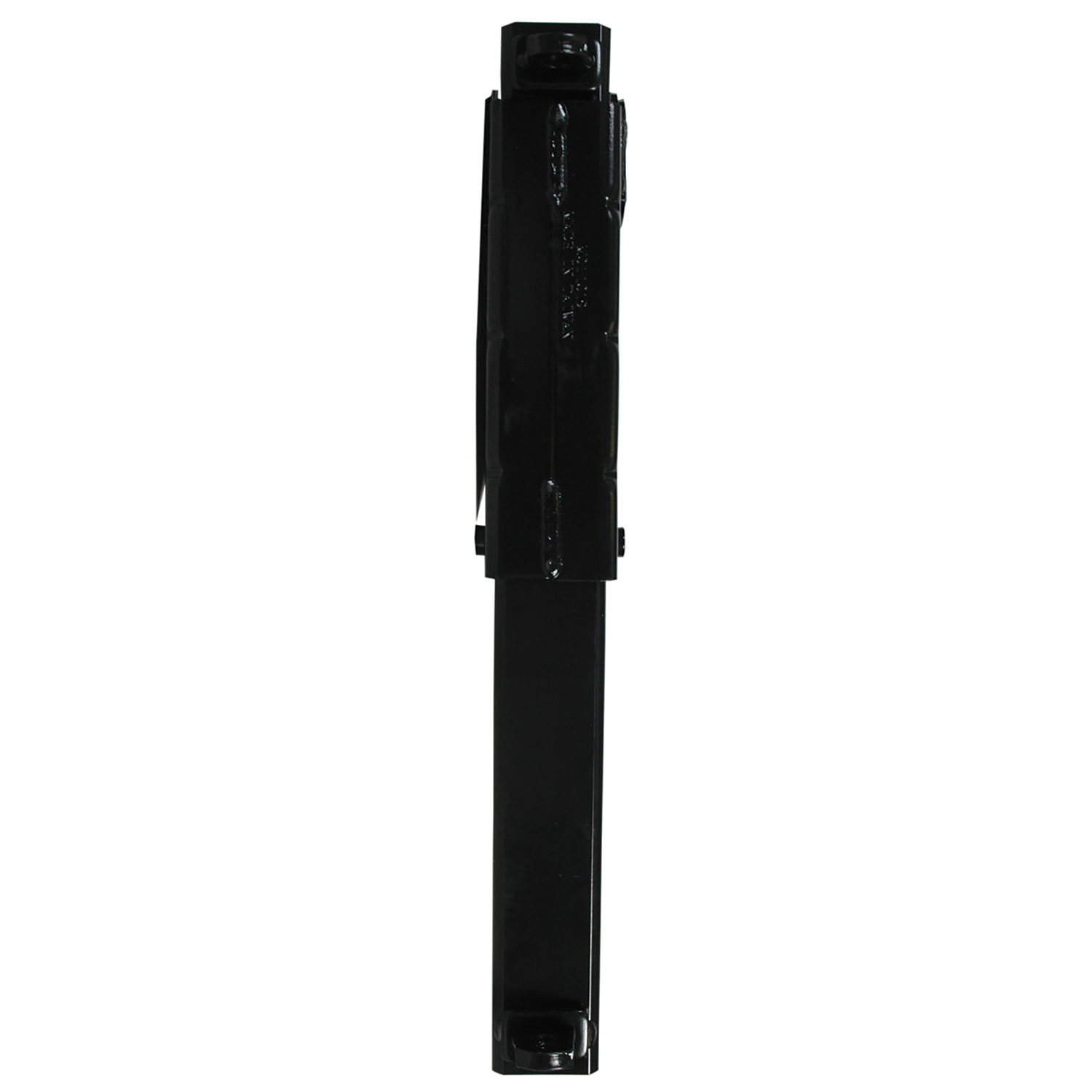
The 5th Wheel Kwik Slide (P/N 30048) is a sliding hitch assembly that allows you to move your 5th wheel trailer between two positions: a Towing Position for highway use and a Maneuvering Position for low-speed, off-highway maneuvers such as backing into a campsite. It slides 10 inches rearward from the Towing Position to the Maneuvering Position, providing additional turning clearance when needed.
Yes, the Kwik Slide can be used with short bed trucks (6 to 8 feet), but Towing Products recommends using a minimum 13-inch pin box extension to provide adequate turning clearance and avoid truck cab or trailer damage during normal turns. Contact your trailer manufacturer for pin box extension options. Always monitor truck cab and trailer clearance during turns.
The 5th Wheel Kwik Slide is designed to be used only with Towing Products 5th wheel base rail mounting kits. The specific installation instructions are described in the Towing Products INSTALLATION INSTRUCTIONS BASE RAIL MOUNTING KIT (P/N 30035), which specifies the exact placement of the base rails in relation to the rear truck axle for most current pickup trucks.
Yes, the Kwik Slide can be used with the PRO-SERIES 15k head assembly. When using this assembly, insert the handle through the right hand slide assembly (passenger side of towing vehicle) first, then through the left hand side slide assembly. With standard assemblies, insert the handle through the left hand slide assembly (driver's side) first.
You will need: a 3/16 inch drill bit and a 17/32 inch drill bit (sharp bits recommended), a wrench or socket set for 1/2 inch bolts, white lithium grease (aerosol with spray nozzle extension recommended), and all-purpose grease or teflon lube. The manual does not specify whether a torque wrench is required, but torque specifications are provided for final assembly.
Yes. Before installing the 5th Wheel Kwik Slide into the truck bed, the leaf spring must be greased using white lithium grease or equivalent. For best results, use aerosol white lithium grease with a spray nozzle extension and make sure the entire underside of the spring is coated. Repeat this application monthly during use.
The base rails must be installed so that the centerlines of each rail are 21.94 inches (21 15/16 inches) apart. The diagonal dimensions (labeled 'x' and 'y') should be within 0.1 inch (1/8 inch) of each other. If this alignment is not met, loosen the hardware and realign the base rails, then retorque the hardware per the base rail installation instructions (P/N 30035).
Yes. You must drill 2 holes identified in figure 6 of the manual (after checking for obstructions). Drill all holes with a 3/16 inch drill bit and enlarge them with a 17/32 inch drill bit. Always use sharp drill bits. These holes are for the two additional 1/2 inch carriage bolts, which are in addition to the 8 bolts used when installing the base rails per instructions P/N 30035.
Install 1/2 inch carriage bolts into the two drilled holes. Install a slotted spacer above or below the truck bed to fill corrugations in the bed floor. Below the bed, add a bolt plate with washers and a nut. These bolts are in addition to the 8 bolts used when installing the base rails according to instructions P/N 30035.
Torque all 1/2 inch bolts to 85 lb-ft. Use a two-step procedure: first snug all hardware starting at a point and noting the sequence (including connections under the bed at the frame), then using the same start point and sequence, torque all hardware to 85 lb-ft.
1. Grease the leaf spring with white lithium grease. 2. Attach the handle shaft to the handle elbow. 3. Insert the handle assembly through the left hand slide assembly (driver's side) and then through the right hand slide assembly (or through the right side first if using PRO-SERIES 15k head assembly). 4. Set the Kwik Slide into the base rails and pin it in position with the Kwik Slide in the middle of the tubes. 5. Loosely assemble the head support at desired height. 6. Install cotter pins to trap the handle in place and install the indicator pin. 7. Coat the slide tube and roller holes with all-purpose grease or teflon lube. 8. Snug and then torque all hardware.
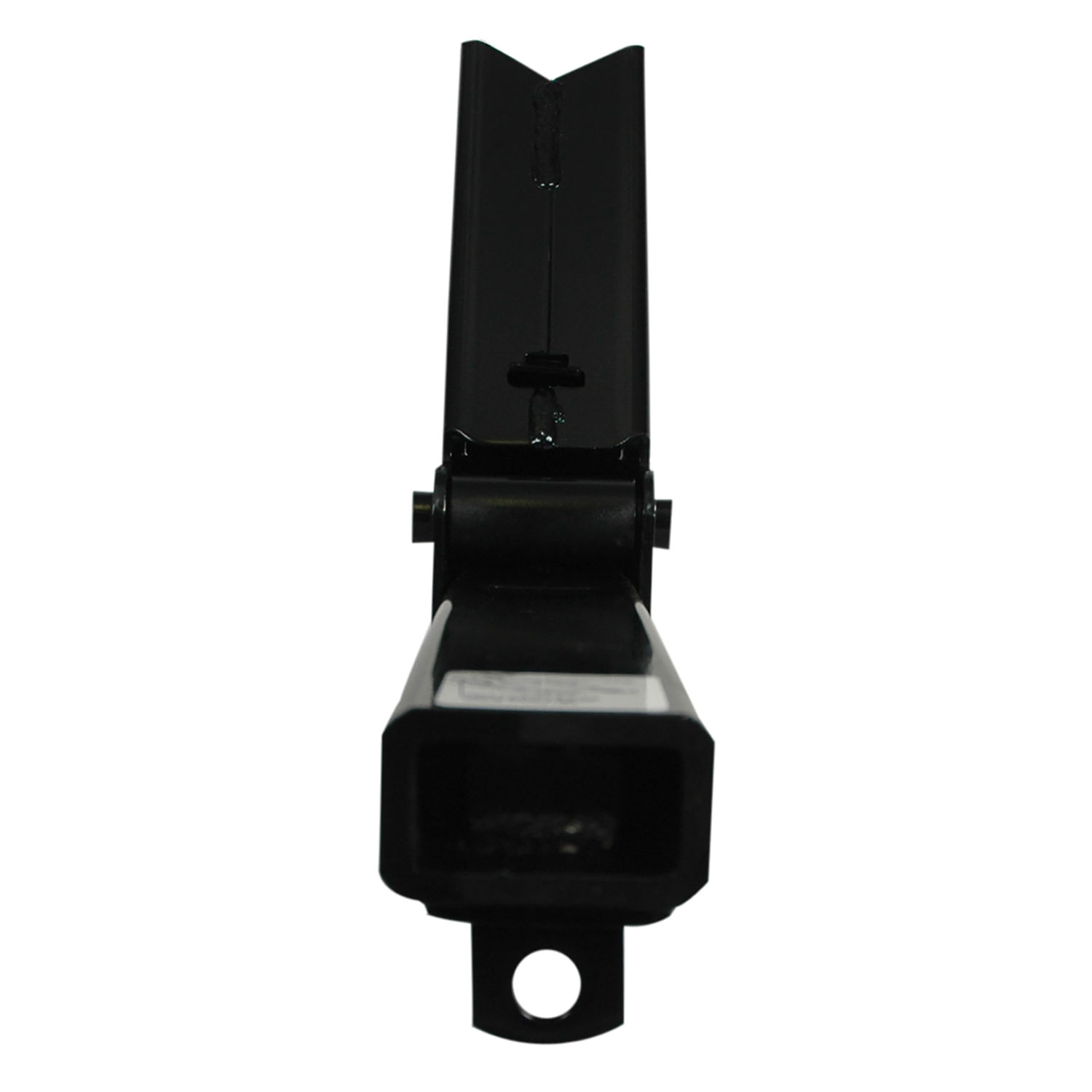
The pull pin spring clips must be on the outside of the base rail. If spring clips are installed on the inside of the base rail, the Kwik Slide will not slide far enough to lock properly. Improperly locked Kwik Slides can suddenly move and cause serious injury or death.
1. Position truck and trailer in a straight line on a flat, level area. 2. Place truck in Park with emergency brake on. 3. Block front and back of all trailer wheels. 4. Lower trailer landing gear so it rests on firm ground. 5. Pull the handle forward; the indicator pin should be over the red unlocked range near the green locked maneuvering range. 6. Return to truck, release emergency brake, manually engage trailer brake, and pull truck forward until the Kwik Slide stops at the bolt in the foot and the latch engages in maneuvering position. 7. Perform the Push Test: manually engage trailer brakes, back truck into trailer against wheel blocks, and verify the Kwik Slide does not move. 8. Place truck in Park with emergency brake on and verify the indicator pin is over the green range on the left side of the warning label. 9. Raise trailer landing gear and remove wheel blocks.
1. Position truck and trailer in a straight line on a flat, level area. 2. Place truck in Park with emergency brake on. 3. Block front and back of all trailer wheels. 4. Lower trailer landing gear so it rests on firm ground. 5. Push the handle rearward; the indicator pin should be over the red unlocked range near the green locked towing range. 6. Return to truck, release emergency brake, manually engage trailer brake, and back truck rearward until the Kwik Slide stops at the welded foot and the latch engages in towing position. 7. Perform the Pull Test: manually engage trailer brakes, pull truck and trailer forward against wheel blocks, and verify the Kwik Slide does not move. 8. Place truck in Park with emergency brake on and verify the indicator pin is over the green range on the right side of the warning label. 9. Raise trailer landing gear and remove wheel blocks.
Never place any part of your body in the truck bed or between the truck and trailer unless all of the following conditions are met: the truck is in Park with the emergency brake on, the trailer landing gear is down and resting on firm ground, and all trailer wheels are blocked on each side of each wheel. Even when these conditions are met, always perform a push or pull test to verify the Kwik Slide is properly locked before working near the hitch.
No. Never tow trailers in highway or high-speed conditions with the Kwik Slide in the Maneuvering Position (rearward of the rear axle). Towing with the trailer king pin rearward of the rear truck axle can affect weight distribution and may interfere with the towing vehicle's handling and response characteristics, which could result in death or serious injury. The Maneuvering Position should only be used at low speed when high maneuverability is needed.
The trailer king pin should always be directly above or slightly forward of the rear truck axle when towing. Trailers should never be towed with the trailer king pin rearward of the rear truck axle in highway conditions. The Kwik Slide is designed to position the king pin forward of the rear axle in Towing Position and rearward in Maneuvering Position (for low-speed use only).
The Push Test verifies that the Kwik Slide is properly locked in Maneuvering Position. Perform it as follows: 1. Manually engage the trailer brakes from the truck cab. 2. Back the truck into the trailer against the trailer wheel blocks. 3. If the Kwik Slide does not move, the latch has engaged the tubes and the Kwik Slide is locked in maneuvering position. 4. If the Kwik Slide does move, the latch has not engaged the tubes and you should not tow. Repeat the positioning steps. Always perform this test before moving to maneuvering position.
The Pull Test verifies that the Kwik Slide is properly locked in Towing Position. Perform it as follows: 1. Manually engage the trailer brakes from the truck cab. 2. Pull the truck and trailer forward against the trailer wheel blocks. 3. If the Kwik Slide does not move, the latch has engaged the tubes and the Kwik Slide is locked in towing position. 4. If the Kwik Slide does move, the latch has not engaged the tubes and you should not tow. Repeat the positioning steps. Always perform this test before moving to towing position.
The indicator pin shows whether the Kwik Slide is properly locked. When in Towing Position, the indicator pin should be over the green range on the right side of the warning label. When in Maneuvering Position, the indicator pin should be over the green range on the left side of the warning label. If the indicator pin is over the red range on the warning label, the latch has not engaged the tubes and you should not tow. Repeat the positioning steps.
Grease the leaf spring and the slide tube and roller holes monthly during use. Use white lithium grease (aerosol with spray nozzle extension recommended) for the leaf spring, making sure to coat the entire underside. Use all-purpose grease or teflon lube for the slide tube and roller holes (6 places in each slider assembly).
Never remove the Kwik Slide warning decal. If it is damaged, contact Towing Products at 1-800-326-1090 for a free replacement decal.
Towing Products warrants the 5th Wheel Kwik Slide for 5 years from the date of purchase against defects in material and workmanship under normal use and service (ordinary wear and tear excepted) to the original consumer purchaser when a Towing Products mounting kit is used. Products used by professional haulers are subject to a limited 1-year warranty. Defective parts will be replaced free of charge when presented to any Towing Products dealer or warehouse, or when returned to the factory with transportation charges prepaid. The warranty covers defective parts replacement only; labor charges, installation damage, and incidental or consequential damages are excluded. Damage resulting from misuse, abuse, neglect, accident, improper installation, or use violating the instructions will void the warranty.
The Kwik Slide works with pickup trucks using Towing Products 5th wheel base rail mounting kits (P/N 30035). It fits both long bed (8 foot) and short bed (6-8 foot) trucks, though short bed trucks require a minimum 13-inch pin box extension. Consult the P/N 30035 instructions for your specific truck model.
You need two 1/2 inch carriage bolts, a slotted spacer, a bolt plate, washers, and a nut (for the two additional holes). You also need white lithium grease for the leaf spring and all-purpose grease or teflon lube for the slide tube. The manual does not specify whether these are included in the kit.
Yes. You must drill 2 holes using a 3/16 inch drill bit, then enlarge them with a 17/32 inch drill bit. These holes are for two additional 1/2 inch carriage bolts in addition to the 8 bolts used for base rail installation.
Torque all 1/2 inch bolts to 85 lb-ft using a two-step procedure: snug all hardware first (noting the sequence), then torque all hardware to 85 lb-ft using the same sequence.
No. Never tow at highway or high-speed conditions with the Kwik Slide in Maneuvering Position. This position is for low-speed, off-highway maneuvering only. Always use Towing Position for highway towing.
Perform the Push Test (for Maneuvering Position) or Pull Test (for Towing Position) by engaging the trailer brakes and attempting to move the truck. If the Kwik Slide does not move, it is locked. Also verify the indicator pin is over the green range on the warning label, not the red range.
Grease the leaf spring and slide tube/roller holes monthly during use. Use white lithium grease for the leaf spring and all-purpose grease or teflon lube for the slide tube and roller holes.
Due to the heavy-duty nature of the assembly, it may not slide by hand, especially if the base rails are not securely installed and parallel. Check that the centerlines of each rail are 21.94 inches (21 15/16 inches) apart and that the diagonal dimensions are within 0.1 inch (1/8 inch) of each other. If alignment is incorrect, loosen the hardware, realign the base rails, and retorque per the base rail installation instructions (P/N 30035). Also ensure the leaf spring is properly greased and the slide tube and roller holes are coated with all-purpose grease or teflon lube.
The indicator pin being over the red range means the latch has not engaged the tubes and the Kwik Slide is not properly locked. Do not tow. Repeat the positioning steps (either Move to Maneuvering Position or Move from Maneuvering to Towing Position) to properly engage the latch. Verify that the indicator pin moves to the green range on the appropriate side of the warning label before towing.
If the Kwik Slide moves during the Push Test (when moving to Maneuvering Position) or the Pull Test (when moving to Towing Position), the latch has not engaged the tubes. Do not tow. Repeat all positioning steps (1-7) to properly engage the latch. Ensure the truck is in Park with the emergency brake on, the trailer landing gear is down on firm ground, and all trailer wheels are blocked before attempting to reposition.
If the pull pin spring clips are installed on the inside of the base rail, the Kwik Slide will not slide far enough to lock properly. The spring clips must be on the outside of the base rail. Reposition the spring clips to the outside of the base rail. An improperly locked Kwik Slide can suddenly move and cause serious injury or death.
On Sale Today
Original price was $470.00. Current price is $438.32.You save $31.68 (7%)
Free Shipping
Ships free on all orders
 Authorized Dealer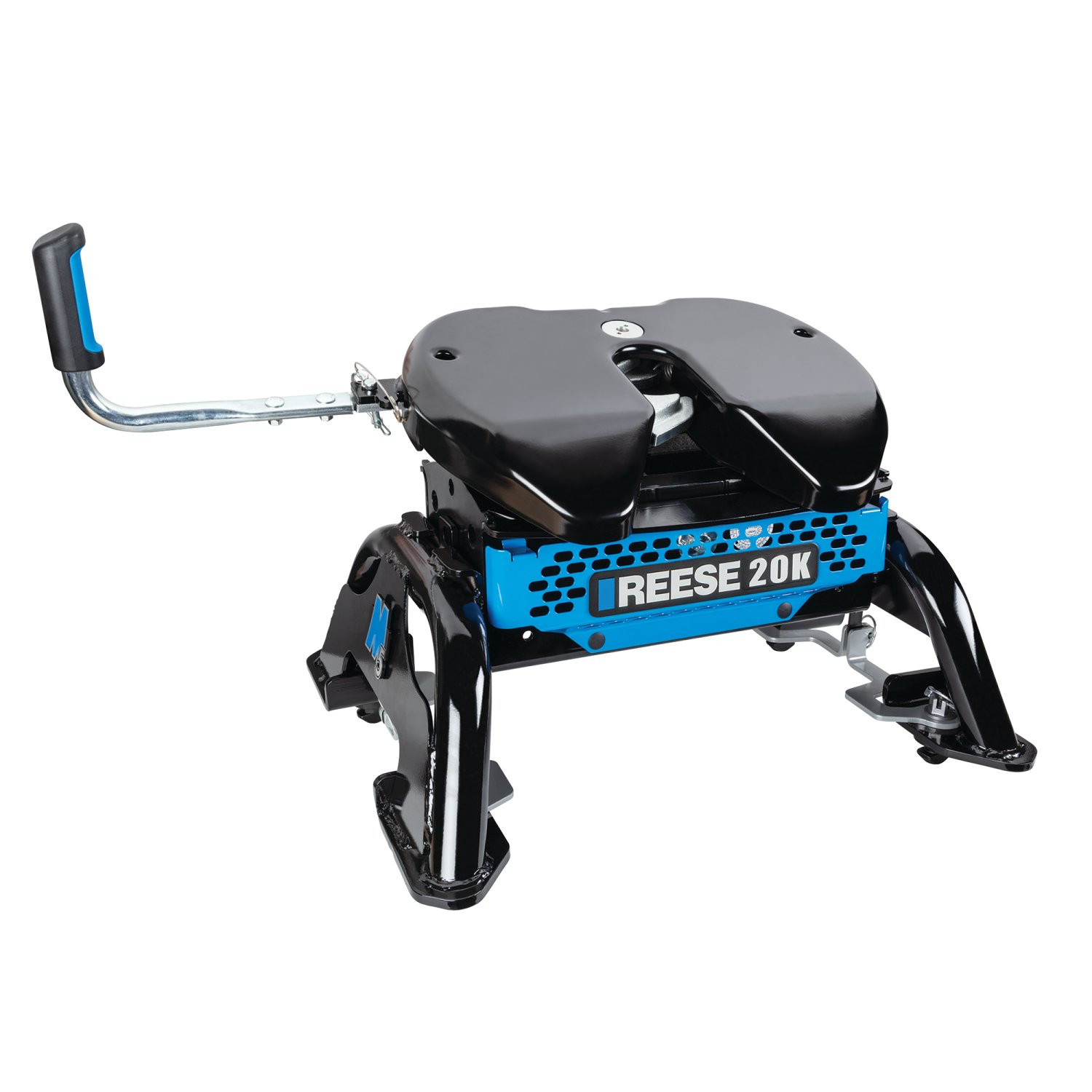


Quick Ship
In stock and ready to ship — order now!
FREE ShippingFREE SHIPPING
Estimated delivery Tue, Sep 22 - Fri, Sep 25
Order before 2 PM EST Monday–Friday for same-day processing
Guaranteed safe & secure checkout
Matt
Ordered online. Shipment arrived on time and with all the correct parts. Great customer service and friendly staff. Also, pricing was great!
May 22, 2023