

BlueOx Tow Bar Base Plate, Front Mount, RV Flat Towing for Select, FORD EXPLORER SPORTBlue OxOriginal price was $699.99. Current price is $609.00.Out of Stock
View productOur in-house experts typically reply within one business day.

Blue Ox


Always the correct part
We know our products
Quality Products
Free Shipping!
Always the correct part
We know our products
Quality Products
Free Shipping!

{'1. Custom Fit': 'The Blue Ox BX2144 Tow Bar Bracket is custom designed for each specific towed vehicle, ensuring a flawless fit and superior performance.
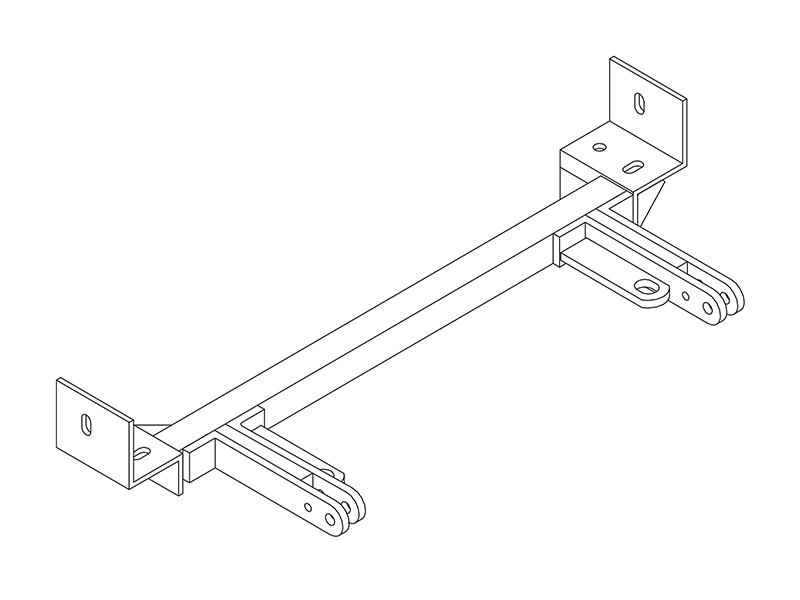
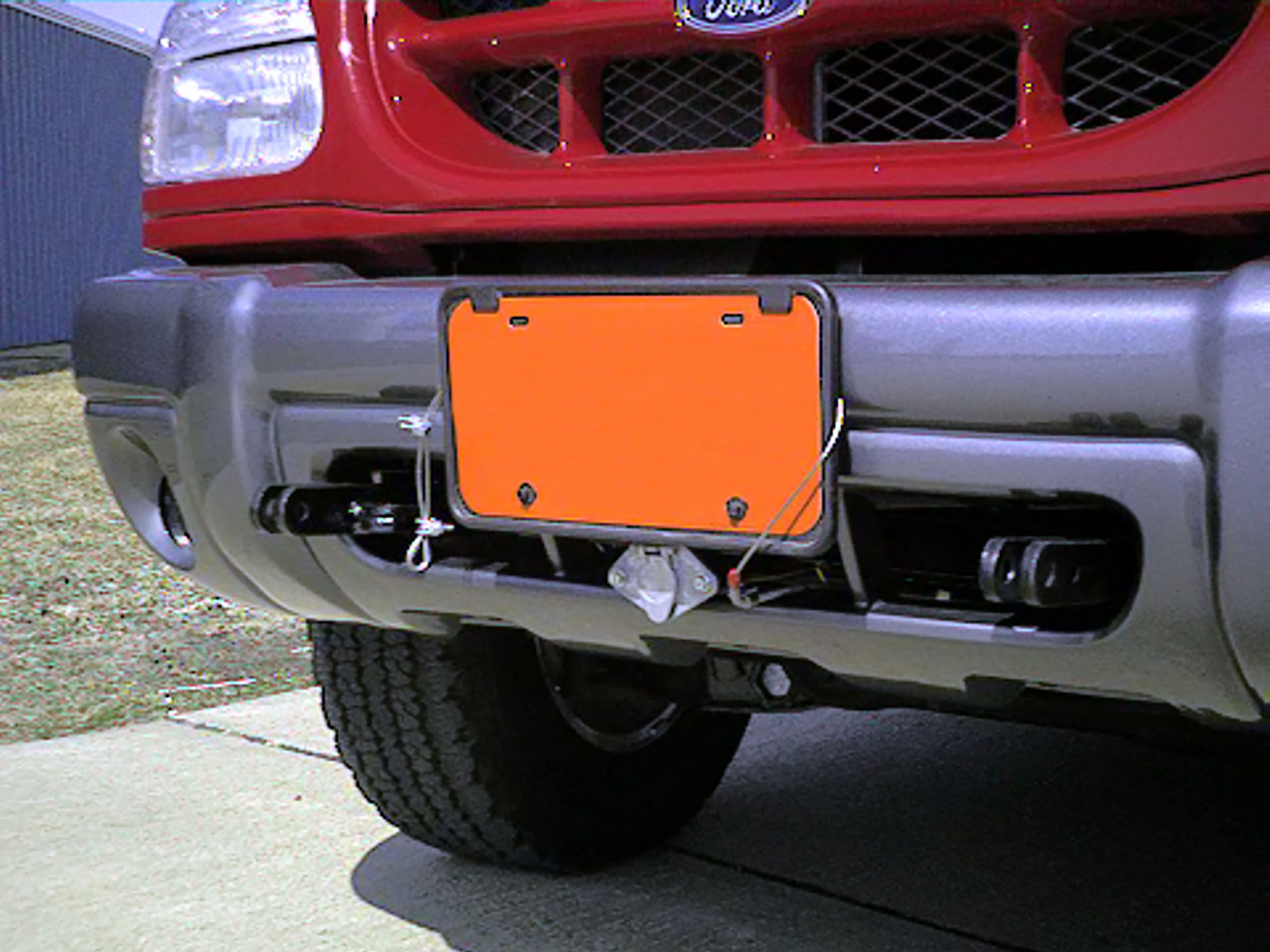
Material: Steel
Color: Black
Finish: Powder Coat
Mounting Type: Bolt On
Mounting Hardware Included Yes/No: Yes
Experience unparalleled reliability and convenience with the Blue Ox BX2144 Tow Bar Bracket. This exceptional product is custom-made for each specific towed vehicle, ensuring a perfect fit and match for superior towing performance. Crafted with robust steel and finished with a black powder coat, this tow bar bracket is designed to resist wear and tear, providing durability and long-lasting service. The bolt-on mounting type ensures easy installation, and with all necessary hardware included in the package, setting up is a breeze. Whether you're planning an adventure or need dependable equipment for everyday towing, the Blue Ox BX2144 Tow Bar Bracket is your ultimate solution.

Blue Ox is known internationally for recreational and commercial towing products, manufacturing in Pender, Nebraska since 1925. The line covers tow bars and vehicle-specific baseplates for flat towing behind a motorhome, sway control and weight distributing hitches, supplemental braking accessories and towing wiring, backed by patented designs and long-standing customer service.
Blue Ox has manufactured since 1925 and is recognised internationally for towing products and customer service. The company operates from Pender, Nebraska, where it grew out of Automatic Manufacturing Co., a business that started with cattle oilers and developed into agricultural equipment, tractor accessories and trailer towing hardware. That agricultural engineering heritage still shows in how the towing products are built, and the company holds patents across weight distribution, fifth wheel and tow bar designs.
Flat towing is the discipline Blue Ox is best known for. Towing a car with all four wheels on the ground behind a motorhome demands a system that stays rigid under braking, articulates properly over uneven ground, and connects to the towed vehicle at points strong enough to take the load. Blue Ox tow bars handle the first two, with self-aligning arms that latch under tension and release without a struggle when the load is off them. Vehicle-specific baseplates handle the third, engineered per make and model to tie into structural mounting points behind the fascia.
The wider flat towing range covers supplemental braking systems, safety cables and the accessories that make a complete legal setup, along with baseplate wiring and dinghy towing harnesses that pass lighting signals to the towed vehicle without back-feeding its electrical system.
For conventional trailer towing, Blue Ox weight distributing hitches with integrated sway control transfer tongue load onto the tow vehicle's front axle and resist the yaw that crosswinds and passing trucks induce.
The company describes its foundation as customer service, designing around what owners actually ask for, and it runs an RV park adjacent to the factory where customers can stay. Sister operations at the same Nebraska site include Automatic grain roller mills and MAD-RAMPS pivoting ramp systems.
Experts available to answer your questions
Call 888-634-94943 Years
Yes, the BX2144 baseplate is designed for all 1999–2001 Ford Explorer models. However, the manual notes that dimensional variations between otherwise identical cars can be considerable, so some filing of holes may be necessary during installation.
The manual specifies the BX2144 is designed for 1999–2001 Ford Explorer models only. Fitment on other model years is not addressed in this manual and should be confirmed with the manufacturer before purchase.
You must remove the lower plastic bumper, the lower rock guard under the radiator, and trim the side rock deflectors. Step 1 requires removing four nuts from frame brackets behind the bumper molding and disconnecting the running lights before pulling off the bumper. Step 2 requires removing the black plastic rock guard and trimming the two plastic vertical rock deflectors outboard of the radiator.
Yes. Half-inch holes must be drilled. The rear holes on the baseplate are drilled using the baseplate itself as a template (Step 4). The manual also requires trimming of the side rock deflectors: notch out a 2½ inches up and 5 inches back piece for the baseplate's cross tube (Step 2, Diagram 1).
Required tools are: 10 mm wrench, 3/4" wrench, 18 mm wrench, 1/2" drill bit, drill, utility knife, and Loctite. These tools are listed on page 2 of the manual.
The kit includes: one baseplate (61-5282), four nut plates with wire (61-5281), two weldments with 1/2" nut wire (61-4029), six 1/2-13 x 2 hex bolts Grade 5 (201-0283), four 1/2" flat washers (203-0005), six 1/2" lock washers (203-0012), two 36" Class III baseplate safety cables (226-0046), and four 1/2" zinc-plated quicklinks (229-0359).
1. Remove the four nuts from frame brackets behind the bumper molding, disconnect running lights, and remove the bumper. 2. Remove the black plastic rock guard and trim the side rock deflectors (notch 2½ inches up and 5 inches back). 3. Insert nut plates through the front of the frame rails over the slotted holes and bolt the baseplate with 1/2" bolts, lock washers, flat washers, and nut plates; apply Loctite and tighten to torque specifications. 4. Drill the rear holes using the baseplate as a template and bolt with 1/2" bolts and wire nuts; apply Loctite and tighten. 5. Replace the bumper and rock guard. 6. Install the tow bar and safety cables per their instructions.
Yes. Some models have hoses extending up in front of the radiator. During installation (Step 3), push these hoses back carefully, making sure not to bend the machined fitting or tubing on the lower piece of the hoses. The manual also warns that improper installation against wires, hoses, or brake lines could cause fluid leaks or electrical shorts after installation.
The manual states that bolts should be torqued 'according to the torque guide included in the General Instruction Sheet.' The specific torque values are not provided in this installation manual. Contact the manufacturer or refer to the General Instruction Sheet that should accompany your kit.
The baseplate uses 1/2-13 x 2 hex bolts Grade 5 (six total), 1/2" flat washers (four), 1/2" lock washers (six), and 1/2" nut plates with wire (four). The rear holes use 1/2" bolts and 1/2" wire nuts. All bolts should be secured with Loctite.
Yes. The manual strongly recommends using Loctite on all bolts to ensure they do not loosen while the car is being towed. Loctite should be applied to bolts in Step 3 (front mounting) and Step 4 (rear holes). The manual specifies using Loctite Red on all bolts.
Permanent baseplate safety cables are strongly recommended. The kit includes two 36" Class III baseplate safety cables (226-0046). These cables must be connected from the baseplate to the frame rail or cross member and prevent the towed vehicle from breaking loose if the baseplate connection fails. Permanent safety cables are in addition to, not a replacement for, legally required safety cables attaching the towed vehicle to the towing vehicle.
The cables must be connected from the baseplate to the frame rail or cross member of the vehicle's frame. Do not mount the cables against wires, hoses, or brake lines, as improper installation could cause fluid leaks or electrical shorts. The manual provides recommended arrangements in illustrations on page 3.
Before each towing trip, inspect all towing equipment for cracked welds, missing or worn parts, and loose bolts. Ensure all bolts are tightened to the recommended specifications and secured with Loctite Red.
Yes. Blue Ox strongly recommends registering your baseplate online at www.blueox.com. Registration ensures you are alerted of product offerings, updates, upgrades, maintenance and safety bulletins, and recalls.
Yes. After the baseplate is installed, you replace the bumper molding and lower rock guard (Step 5). The manual does not indicate these parts are damaged or need replacement.
The manual notes that dimensional variations between otherwise identical cars can be considerable. While the baseplate holes were designed to allow for easy installation, it may be necessary to file a hole slightly to achieve proper alignment.
Do not substitute other devices if the tow bar pin and clip are lost. Contact the manufacturer for replacement parts.
Yes, the BX2144 is designed for all 1999–2001 Ford Explorer models.
Yes. You must drill half-inch holes for the rear baseplate mounting using the baseplate as a template. You must also trim the side rock deflectors (notch 2½ inches up and 5 inches back).
You need: 10 mm wrench, 3/4" wrench, 18 mm wrench, 1/2" drill bit, drill, utility knife, and Loctite.
Remove the lower plastic bumper, disconnect the running lights, remove the lower rock guard under the radiator, and trim the side rock deflectors.
The baseplate uses 1/2-13 x 2 hex bolts Grade 5, 1/2" flat washers, 1/2" lock washers, and 1/2" nut plates. All bolts must be secured with Loctite.
Yes. Two 36" Class III baseplate safety cables are included and strongly recommended. They must be connected from the baseplate to the frame rail or cross member.
Inspect all towing equipment for cracked welds, missing or worn parts, and loose bolts. Ensure all bolts are tightened to specifications and secured with Loctite Red.
On Sale Today
Original price was $699.99. Current price is $609.00.You save $90.99 (13%)
Free Shipping
Ships free on all orders
 Authorized Dealer


FREE ShippingFREE SHIPPING
Estimated delivery Sun, Sep 6 - Wed, Sep 9
Order before 2 PM EST Monday–Friday for same-day processing
Guaranteed safe & secure checkout
Total for 0 items:
$0.00
No reviews have been added for this product.