
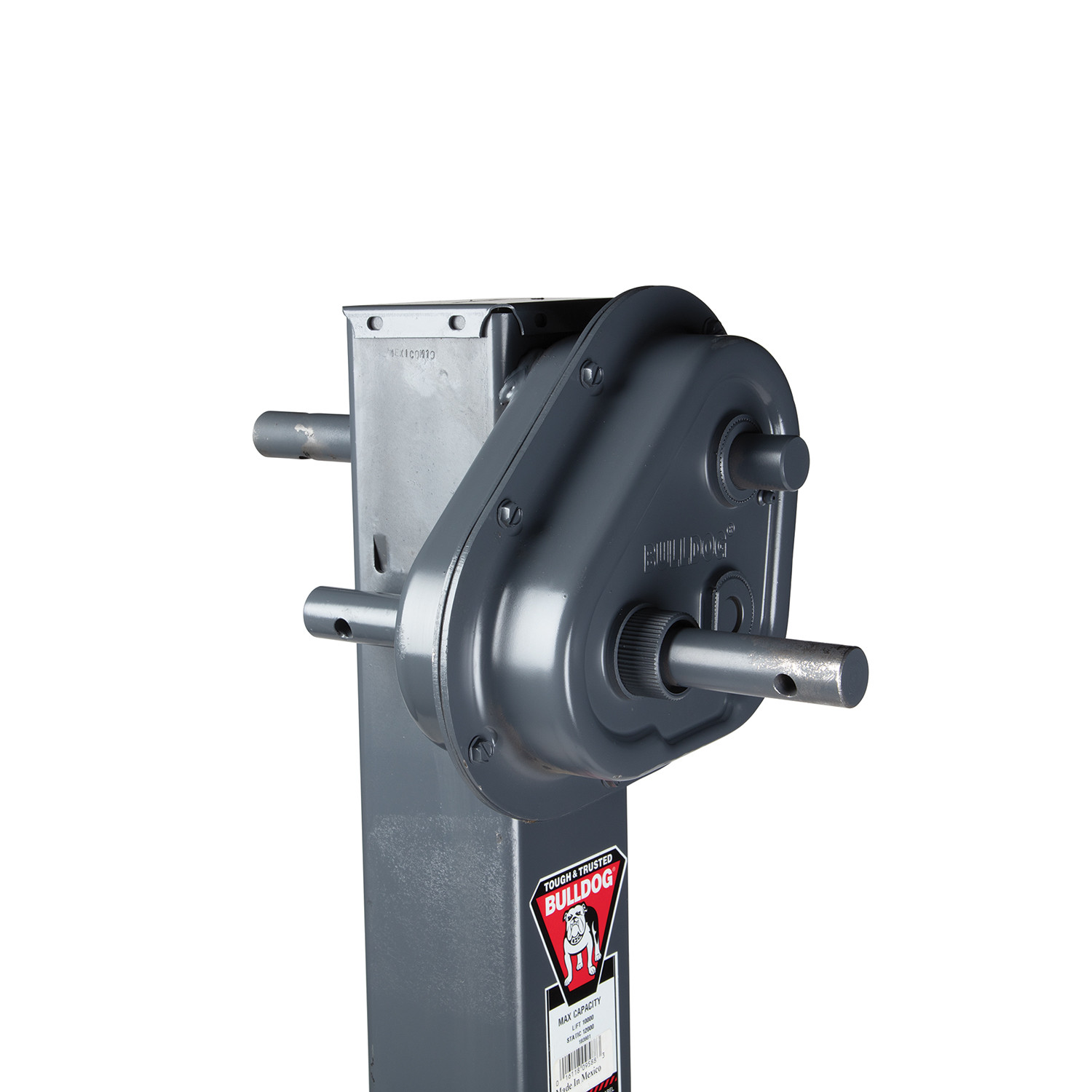
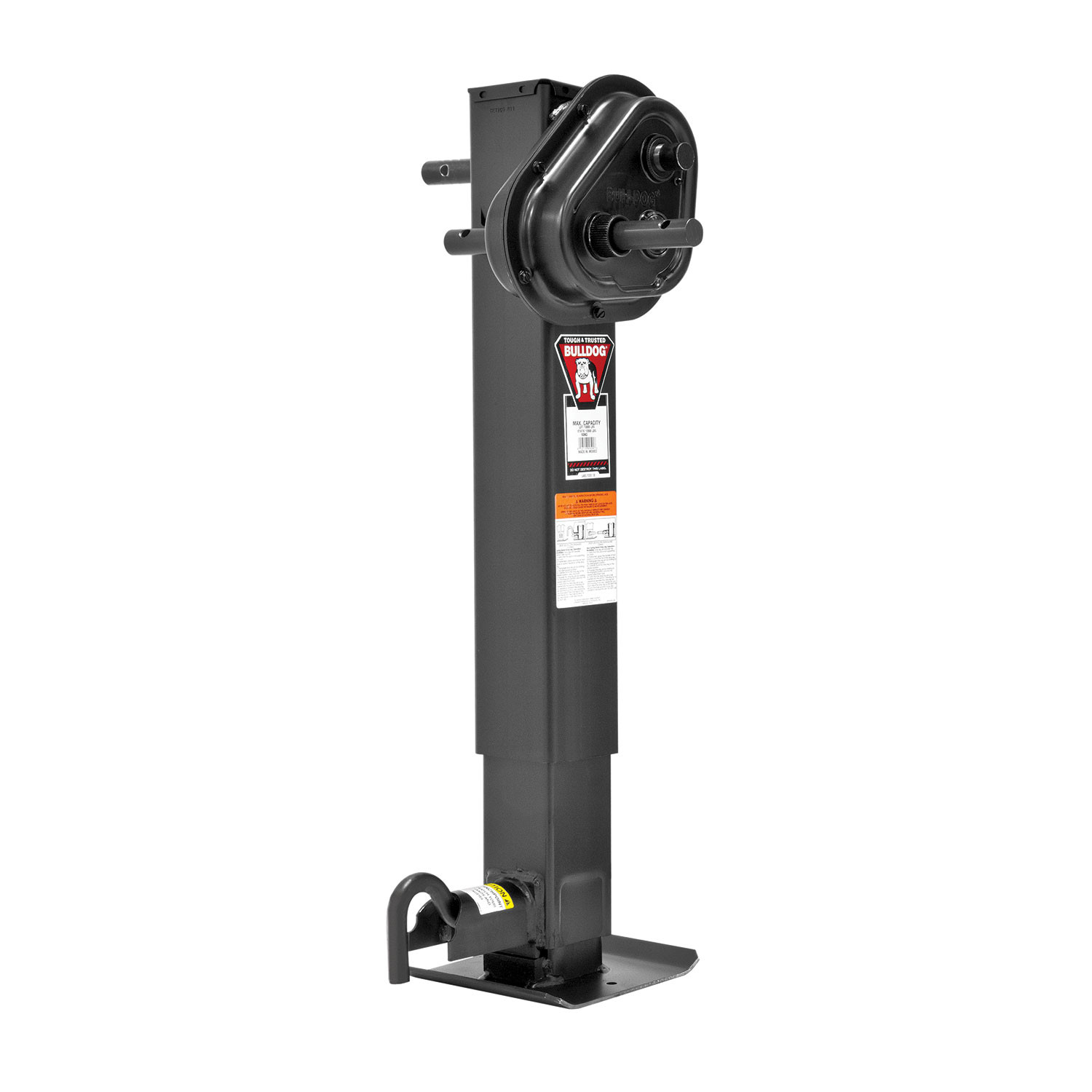
Bulldog Two-Speed Square Trailer Jack, 12,000 lbs. Lift Capacity, Side Wind, 12-1/2 in. Travel BD183416BulldogOriginal price was $437.50. Current price is $313.95.Out of Stock
View productOur in-house experts typically reply within one business day.

Bulldog


Always the correct part
We know our products
Quality Products
Free Shipping!
Always the correct part
We know our products
Quality Products
Free Shipping!

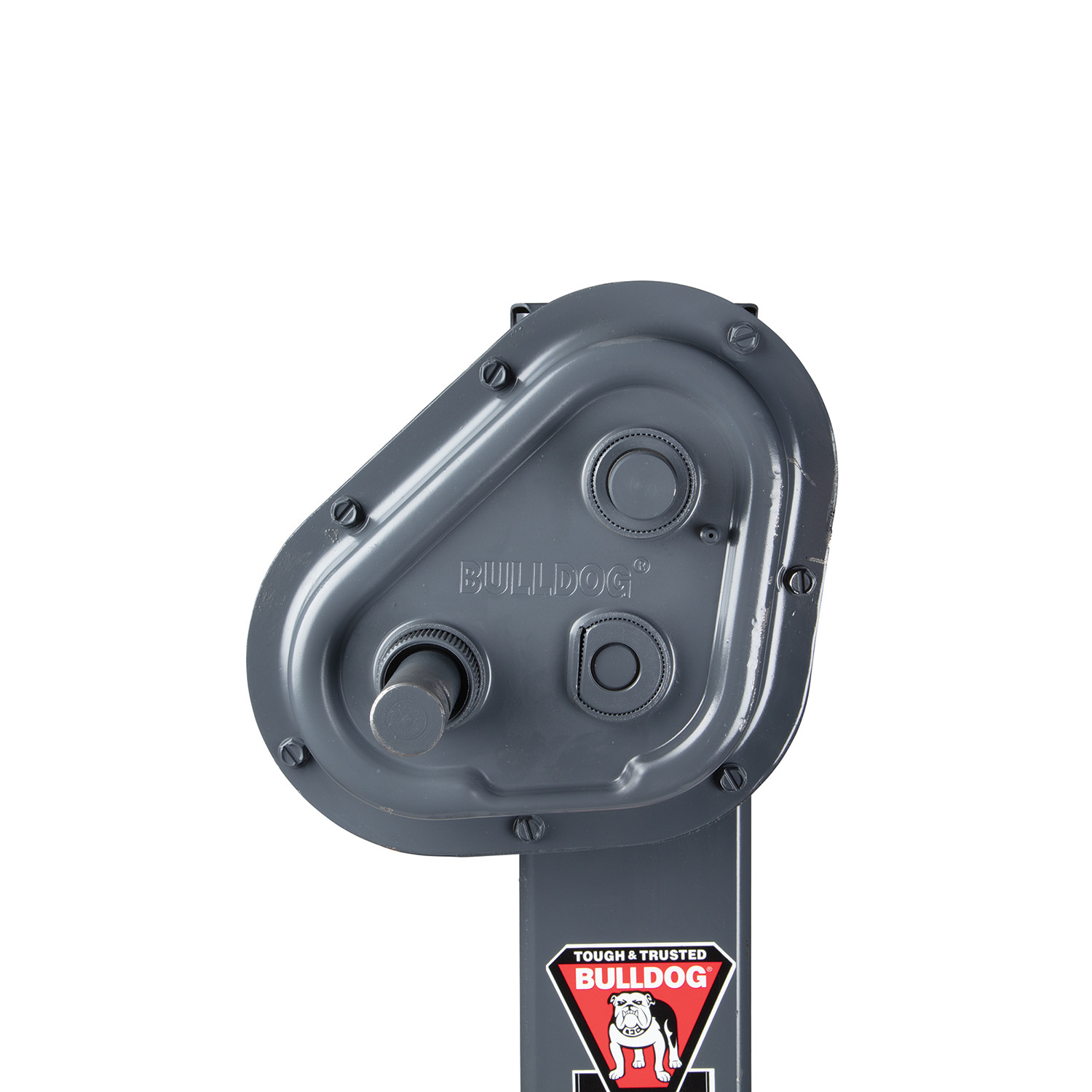
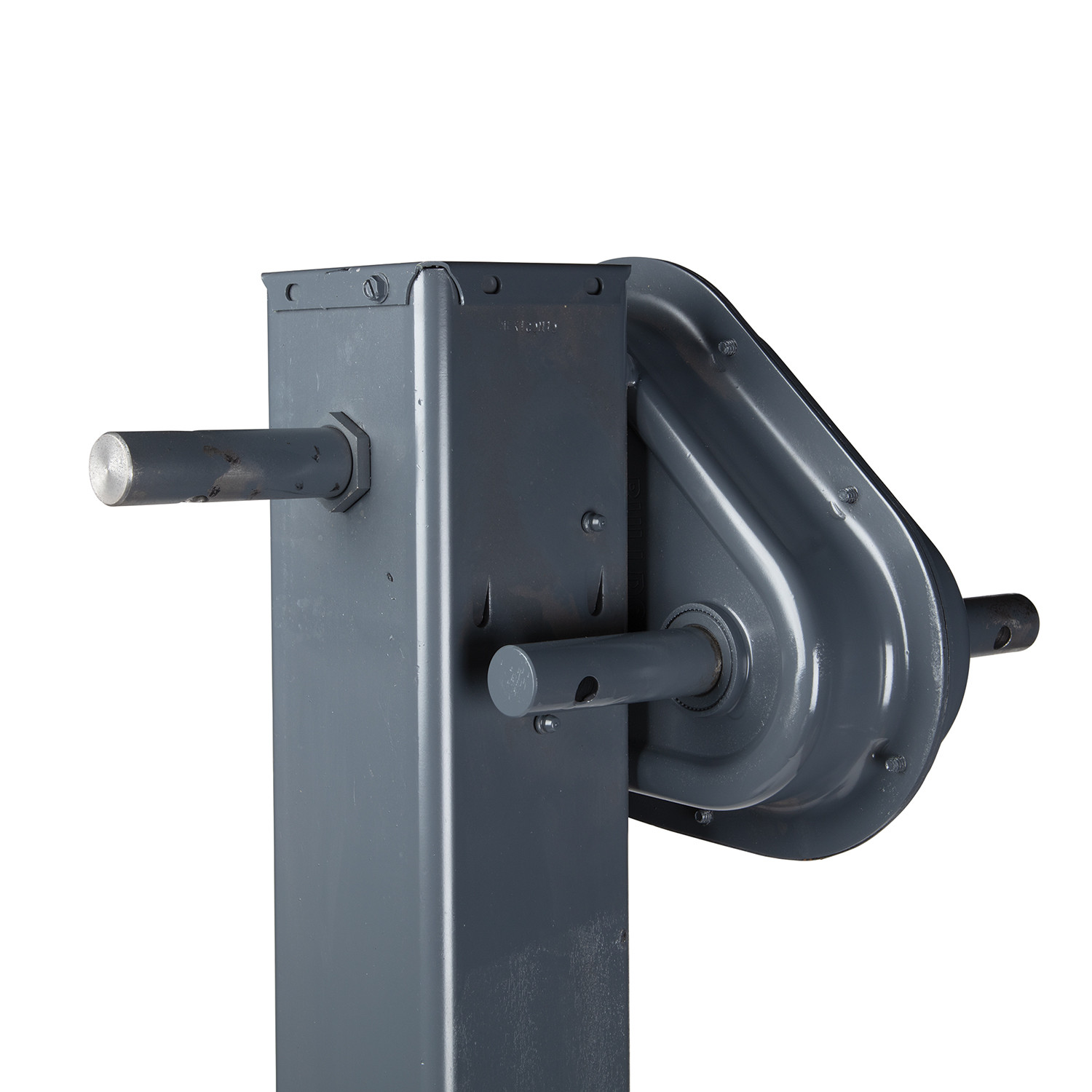
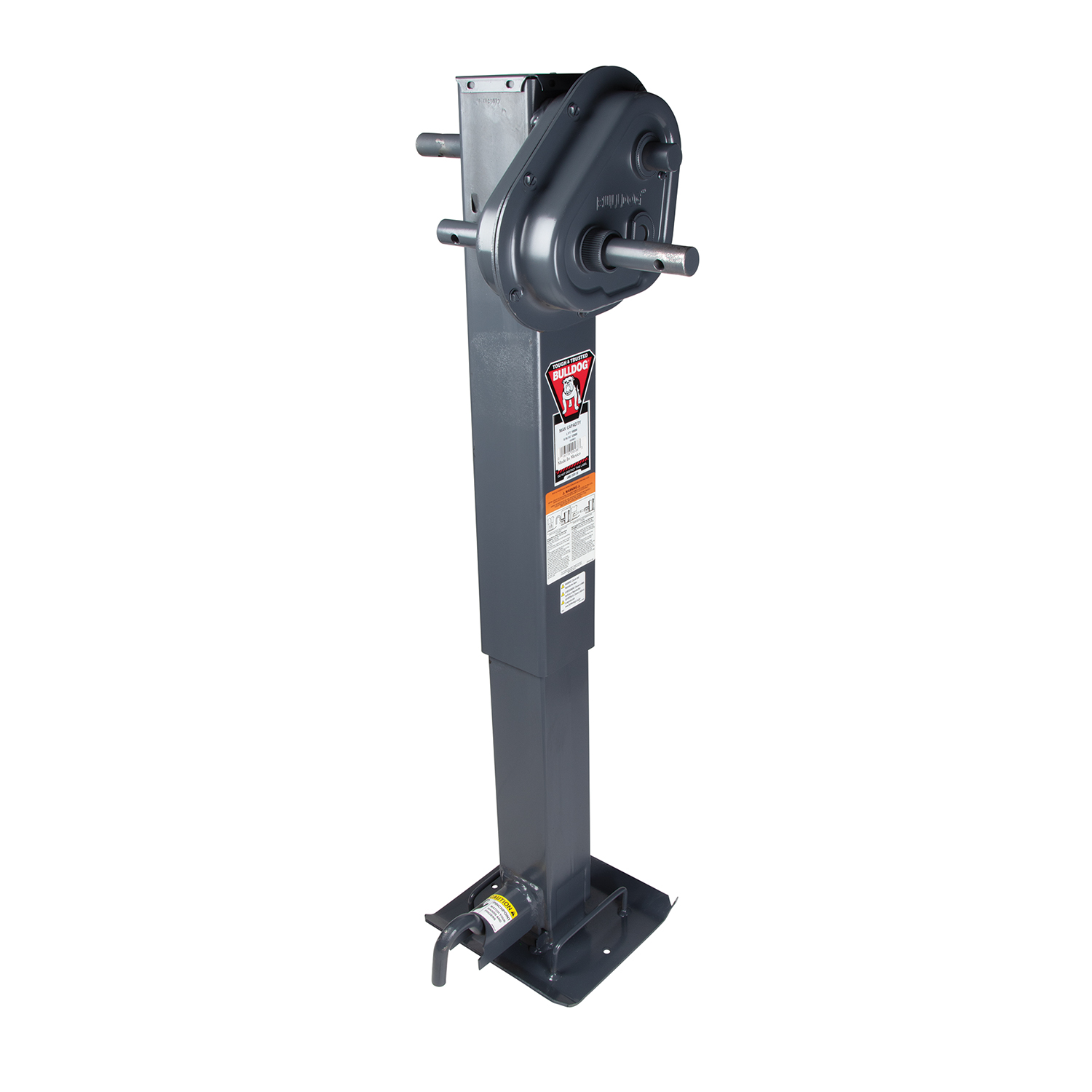
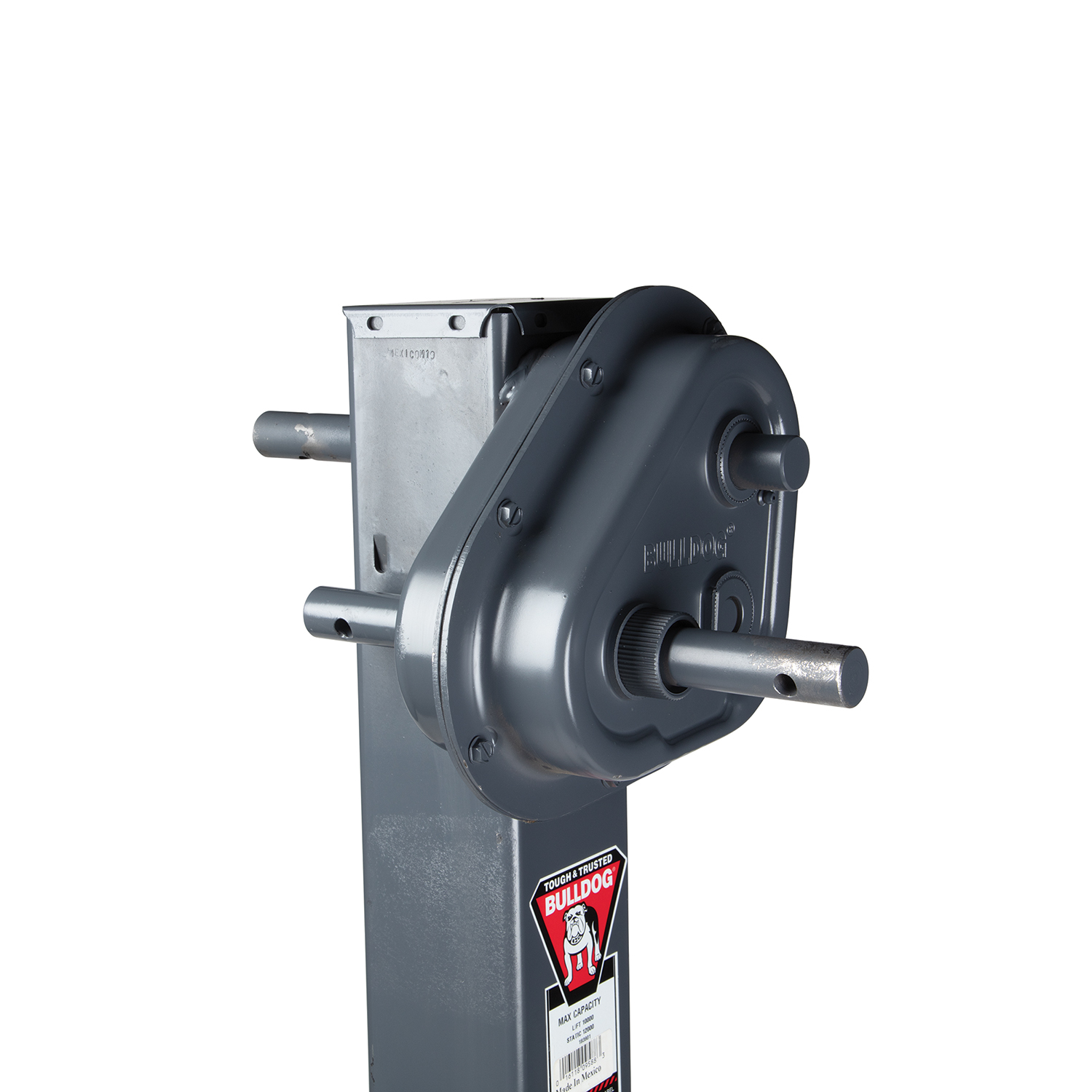
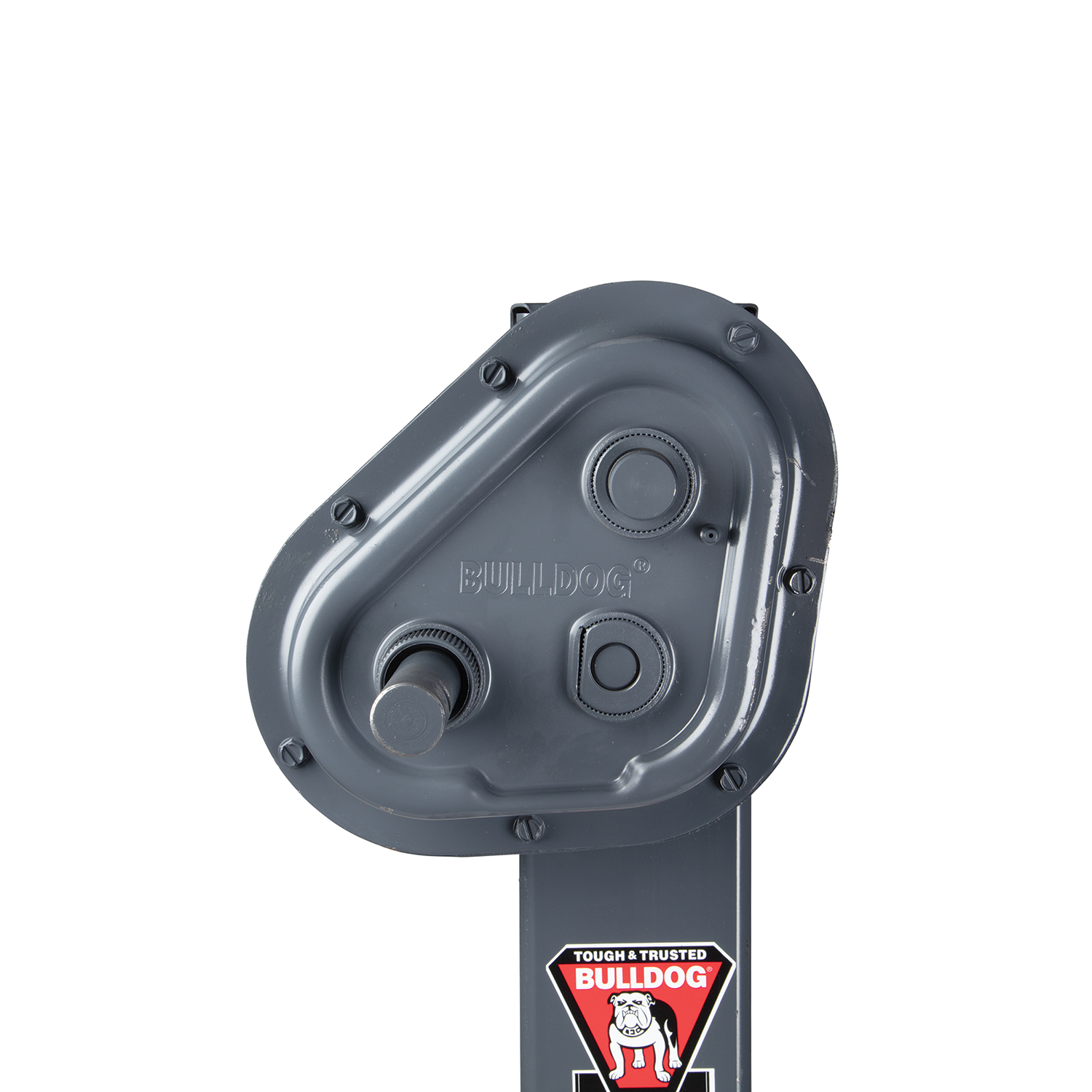
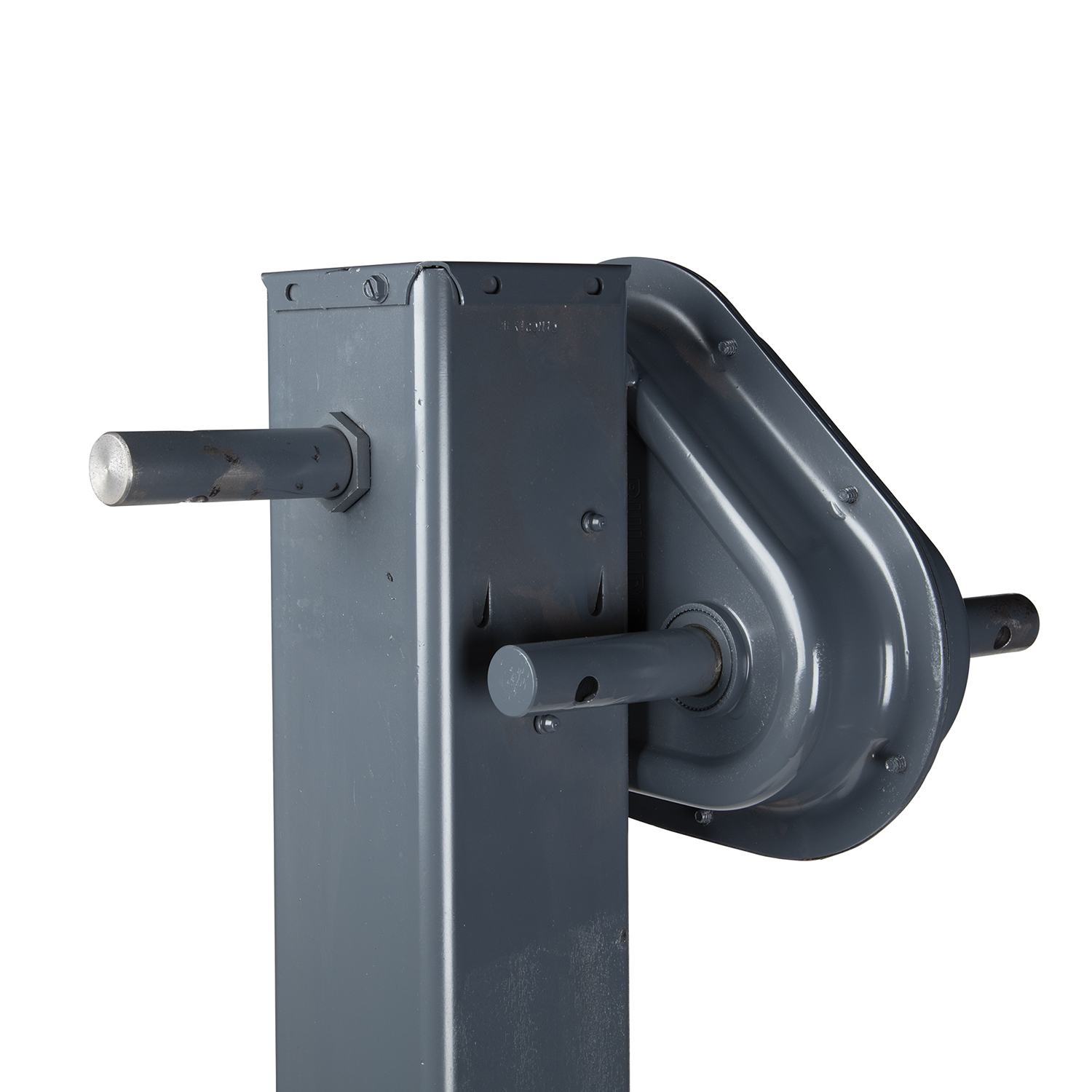
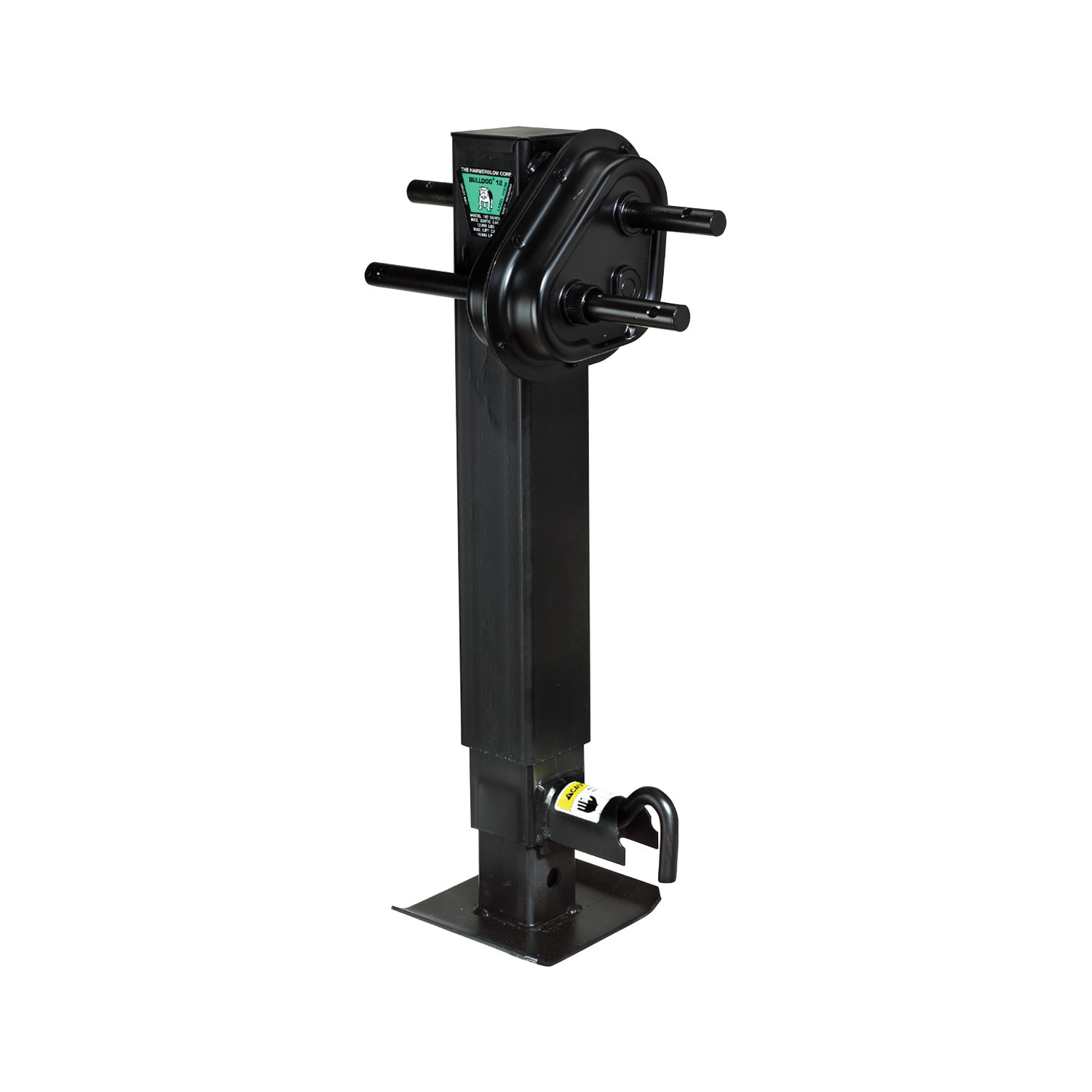
The First 2-Speed Gearbox Designed with a Drop Leg Jack in Mind. BULLDOG's 2-speed 12,000 lbs. support capacity square jack makes cranking easier when fully loaded and faster when unloaded. In low gear, the ratio delivers full lifting power at a super-smooth, easy-lifting 27 turns per 1" (planetary) and 29 turns per 1" (traditional) of travel. In high gear, the cranking ratio is a speedy 9 turns per 1" of travel, the fastest in its weight class.
| BRAND: | BULLDOG |
| PART NUMBER: | 183901 |
| WARRANTY: | LIMITED 5 YEAR WARRANTY |
| WEIGHT: | 83 LBS |
| CAPACITY: | 12,000 LBS. |
| TRAVEL: | 12.5 IN. |
| RETRACTED: | 29.5 IN. |
| EXTENDED: | 55.6 IN. |
| MODEL NUMBER: | SWQ 180 DL-BX T |
| HANDLE STYLE: | TRADITIONAL |
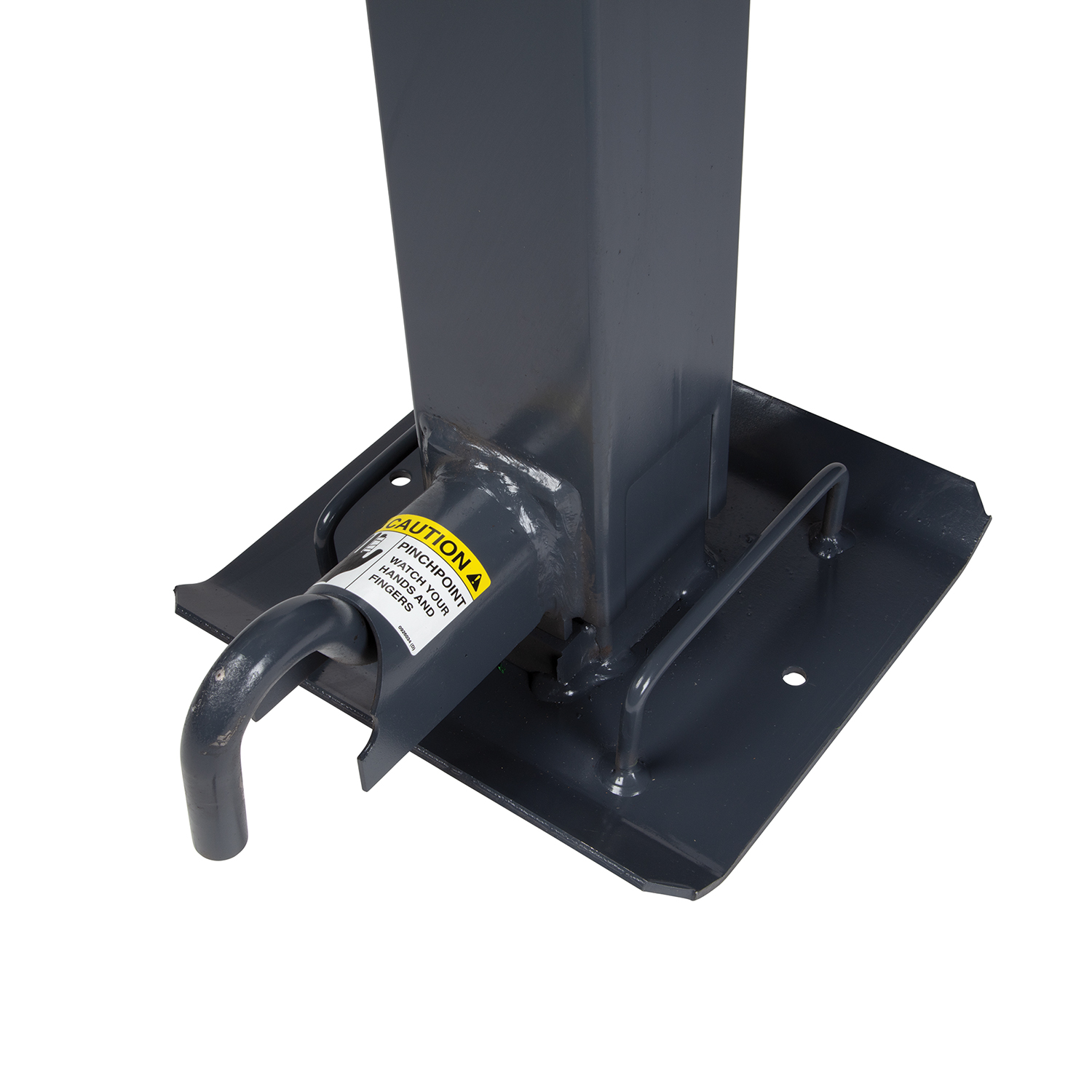
| FOOT PLATE SIZE: | 10 IN. X 9.7 IN. |
| FOOT LENGTH: | 10 IN. |
| FOOT WIDTH: | 9.7 IN. |
| MATERIAL: | STEEL |
| SPEEDY LIFT: | NO |

Founded in 1920, Bulldog has become the standard for heavy-duty trailer connection hardware in agricultural, military and utility service. The line covers gooseneck hitches and couplers, A-frame and channel-mount trailer couplers with the Wedge-Latch mechanism, and heavy-duty jacks, built for unmatched strength, reliability and safety under demanding loads.
Bulldog was founded in 1920 and has spent more than a century supplying the connection hardware that heavy trailers depend on. Its market has always been the demanding end: agricultural, military and utility applications where a coupler failure is not an inconvenience but a serious incident. The brand summarises its position as Tough and Tested, and it sits within the Horizon Global towing group alongside Reese, Draw-Tite, Fulton, Tekonsha, Bargman and Wesbar.
Gooseneck equipment is the brand's signature. Gooseneck hitches mount in the truck bed over the rear axle, which places the load where the chassis can carry it properly and allows far tighter turning than a receiver hitch permits. Matching gooseneck couplers attach at the trailer end, in round tube and square configurations across the capacity range used by livestock, equipment and flatbed trailers.
The conventional trailer coupler range is built around the Wedge-Latch mechanism, which uses a wedge to take up wear between coupler and ball rather than relying on a fixed clamp that loosens over time. That matters on a trailer accumulating hard miles, where slack in the coupling shows up as noise and shock loading. Couplers are offered in A-frame form for standard tongues and in channel-mount form for straight tongue and fabricated frames, with adjustable channel versions that let a coupler be positioned to suit the tongue height.
Heavy-duty jacks complete the line, sized for the tongue weights that gooseneck and equipment trailers generate. Across the range the emphasis is consistent: forged and heavy-section components, load ratings backed by testing, and hardware specified for agricultural, military and heavy-duty commercial use rather than occasional recreational towing.
Experts available to answer your questions
Call 888-634-94945 Years
How to Maintain Your BULLDOG® Square Tube Jack
The jack has a rated capacity of 12,000 lb, but the actual capacity is limited to the lesser of the jack, footplate, or caster wheel capacity. Always refer to the stamped markings or decals on the product to obtain the rated capacity. If uncertain, contact Cequent Performance Products at 1-800-521-0510 or www.cequentgroup.com.
The jack handle moves 5/8″–3/4″ while shifting between gears. High gear is engaged when the shaft is pushed in; low gear is engaged when the shaft is pulled out. This clearance must be accounted for during installation to ensure the handle can move freely without interference.
No. These jacks are designed for mounting to flat surfaces only. Before mounting, confirm there will be no interference from the tow vehicle, tongue, ground, and any other mounted accessories while stationary or in motion. Check for interference in all positions including handle swing (in both gears, if applicable) and swivel positions if applicable. Check for interference again after installation is complete.
No. These jacks are designed for vertical loading only. Excessive side forces may cause jack failure and must be avoided.
The jack must be fully retracted and/or rotated before towing.
Secure the load, vehicle and trailer from rolling by blocking the wheels when operating the jack or coupling the trailer. Never position any part of your body under any portion of the product or the load being supported. Do not allow children to play on or around the product or the load being supported.
The jack can be mounted using two methods: (1) Direct Mount to Load-Bearing Member, or (2) Weld-on Pivot Tube Mounting. Both methods require welding by an AWS certified welder.
All welding must be performed by an AWS certified welder. Three 2″ long 1/4″ fillet welds must be placed on both sides of the jack along the contacting surface. The welds should be as far apart as possible to maximize strength under load. Alternatively, place 3″ of weld in 2 locations on both sides of the jack using a 1/4″ fillet weld.
All welding must be performed by an AWS certified welder. The non-beveled side of the pivot tube is welded to the tongue. Place the weld-on pivot tube against the tongue and weld all around with a 1/4″ fillet weld. Align one set of pivot mount holes vertically. Then mate the jack to the pivot tube and secure with the supplied pin.
Make certain the pivot pin is fully inserted through both sides on the pivot tube and the pivot mount.
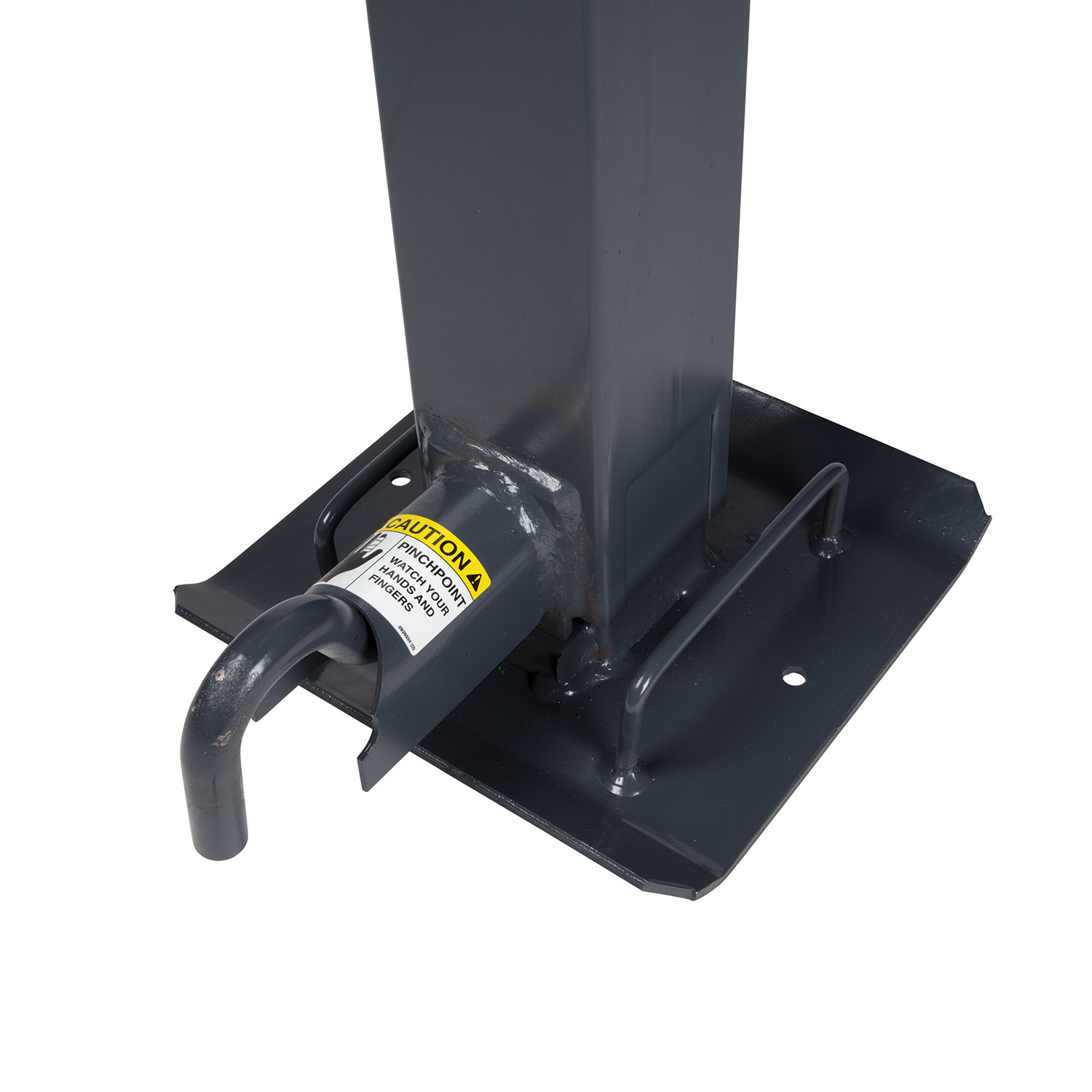
When using the drop leg, make certain the drop leg pin is fully inserted before using the jack. Verify that the drop leg pin is fully inserted into the jack by checking for no clearance between the drop leg pin and housing. If you see clearance, you must adjust the drop leg to fully seat the pin into the hole location. If you are unable to fully seat the pin, do not use the jack.
If the drop leg pin does not fully seat (you see clearance between the drop leg pin and housing), you may need to lubricate the drop leg pin assembly as described in the maintenance section. Adjust the drop leg to fully seat the pin into the hole location. If you are unable to fully seat the pin, do not use the jack.
If mounting in a tandem application, align the jacks carefully so they raise and lower together and share the load equally.
1) Verify that the jack is not supporting any load. 2) If extended, place your foot on the foot plate to control the return of the drop leg. 3) Disengage the drop leg pin by rotating to the disengaged position. 4) Carefully move the drop leg to the desired position using your foot. 5) Engage the drop leg pin by rotating it to the engaged position and into the desired adjustment hole. 6) Verify that the drop leg pin is fully inserted into the jack by checking for no clearance between the drop leg pin and housing. Warning: The drop leg will naturally retract very quickly.
1) Verify that the jack is not supporting any load. 2) If retracted, grasp the handle of the foot plate to control the fall of the drop leg. 3) Disengage the drop leg pin by rotating to the disengaged position. 4) Carefully move the drop leg to the desired position. 5) Engage the drop leg pin by rotating to the engaged position and into the desired adjustment hole. 6) Verify that the drop leg pin is fully inserted into the jack by checking for no clearance between the drop leg pin and housing. Warning: The drop leg will naturally fall.
Keep clear of the pinch point at the drop leg pin. The drop leg will naturally drop or retract very quickly depending on model. Keep clear of holes in the drop leg. Never attempt to adjust the drop leg when the jack is under load.
The following procedures should be performed at least annually: The gears, bushings, and screw of the jack must be kept lubricated. For side-wind models, apply a small amount of automotive grease with a grease gun at the lubrication points found on the side of the jack near the input shaft, then rotate the jack handle to distribute the grease evenly. A lightweight oil must be applied to the input shaft bushings at both sides of the jack or gearbox. For top-wind models, the screw-stem should be lubricated with a lightweight oil. If equipped, the drop leg pin and spring must be kept clean and lubricated with a lightweight oil.
Automotive grease should be applied at the lubrication points on side-wind models. A lightweight oil must be applied to the input shaft bushings and, for top-wind models, to the screw-stem. The drop leg pin and spring should be lubricated with a lightweight oil.
No. The purchaser/owner must not alter or modify the product. Installation of the product must conform to the mounting instructions only. Always replace bent, broken, or worn parts before using the product.
Never allow anyone unfamiliar with the operating instructions to use the product. Read, understand and follow all instructions before installing and using the product.
The jack is designed for flat surfaces only. Before installing, check for interference with the tow vehicle, tongue, ground, and accessories in all positions including handle swing and swivel positions. Confirm compatibility with your specific trailer before purchase.
Yes. All mounting methods require welding by an AWS certified welder. Direct mounting requires three 2″ long 1/4″ fillet welds on both sides. Pivot tube mounting requires a 1/4″ fillet weld all around the pivot tube.
The jack must be fully retracted and/or rotated before towing.
The jack is rated for 12,000 lb, but actual capacity is limited to the lesser of the jack, footplate, or caster wheel capacity. Never exceed the maximum rated capacity. Refer to stamped markings or decals on the product.
The jack handle moves 5/8″–3/4″ while shifting. This clearance must be accounted for during installation to ensure the handle can move freely.
Maintenance should be performed at least annually. Side-wind models require automotive grease at lubrication points near the input shaft. All models require lightweight oil on input shaft bushings. Top-wind models require oil on the screw-stem. Drop leg pins and springs require lightweight oil.
Never position any part of your body under the product or load. Block wheels to secure the load, vehicle and trailer from rolling. Keep clear of the drop leg pinch point and holes. Do not adjust the drop leg under load. Do not allow children to play on or around the product.
| Part Number | Model Number | Support Capacity (lbs.) | Lift Capacity (lbs.) | Gearbox Style | Travel (in.) | A Retracted (in.) | B Extended (in.) | Pin Location | Companion |
|---|---|---|---|---|---|---|---|---|---|
| Non-Spring Return | |||||||||
| 183401 | SWQ 183 DL-BX | 12,000 | 10,000 | Planetary | 12.50 | 28.50 | 54.60 | Side | 182411 |
| 183416 | SWQ 183 DL-BX | 12,000 | 10,000 | Planetary | 12.50 | 29.50 | 55.60 | Front | 182415 |
| 183901 | SWQ 180 DL-BX T | 12,000 | 10,000 | Traditional | 12.50 | 29.50 | 55.60 | Front | 182415 |
| Spring Return | |||||||||
| 183816 | SWQ 183 DL-BX w/SR | 12,000 | 10,000 | Planetary | 12.50 | 29.50 | 55.60 | Front | 182815 |
| 183902 | SWQ 180 DL-B w/SRT | 12,000 | 10,000 | Traditional | 12.50 | 28.50 | 54.60 | Side | 182805 |
| 183903 | SWQ 180 DL-BX w/SR T | 12,000 | 10,000 | Traditional | 12.50 | 29.50 | 55.60 | Front | 182815 |
Sam
The staff was able to quickly assist me with locating the correct product I needed. Shipping was really fast. Item arrived in 2 days. Will be using TowUniverse again!!
May 22, 2023
On Sale Today
Original price was $525.00. Current price is $352.74.You save $172.26 (33%)
Free Shipping
Ships free on all orders
 Authorized Dealer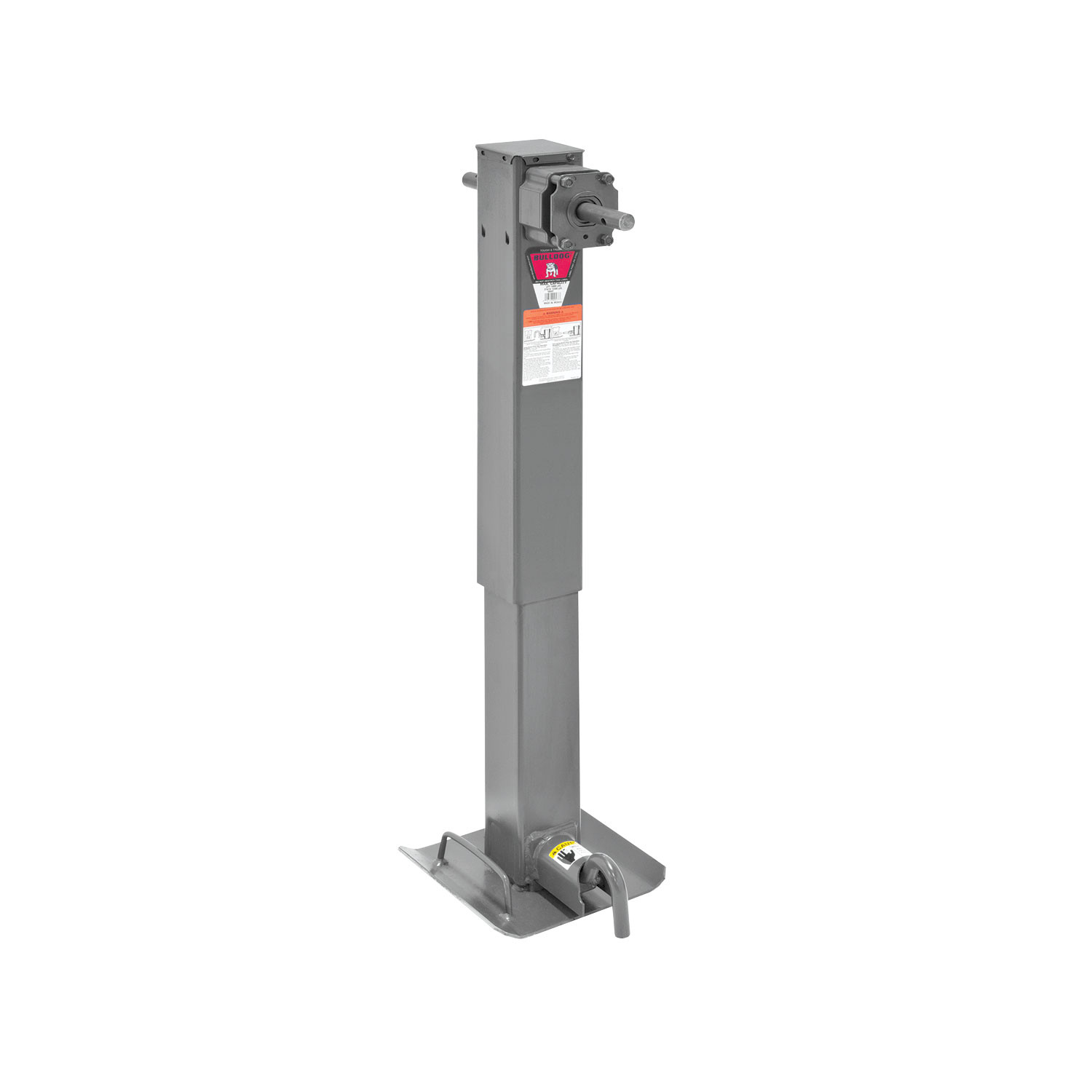

FREE ShippingFREE SHIPPING
Estimated delivery Tue, Oct 13 - Fri, Oct 16
Order before 2 PM EST Monday–Friday for same-day processing
Guaranteed safe & secure checkout