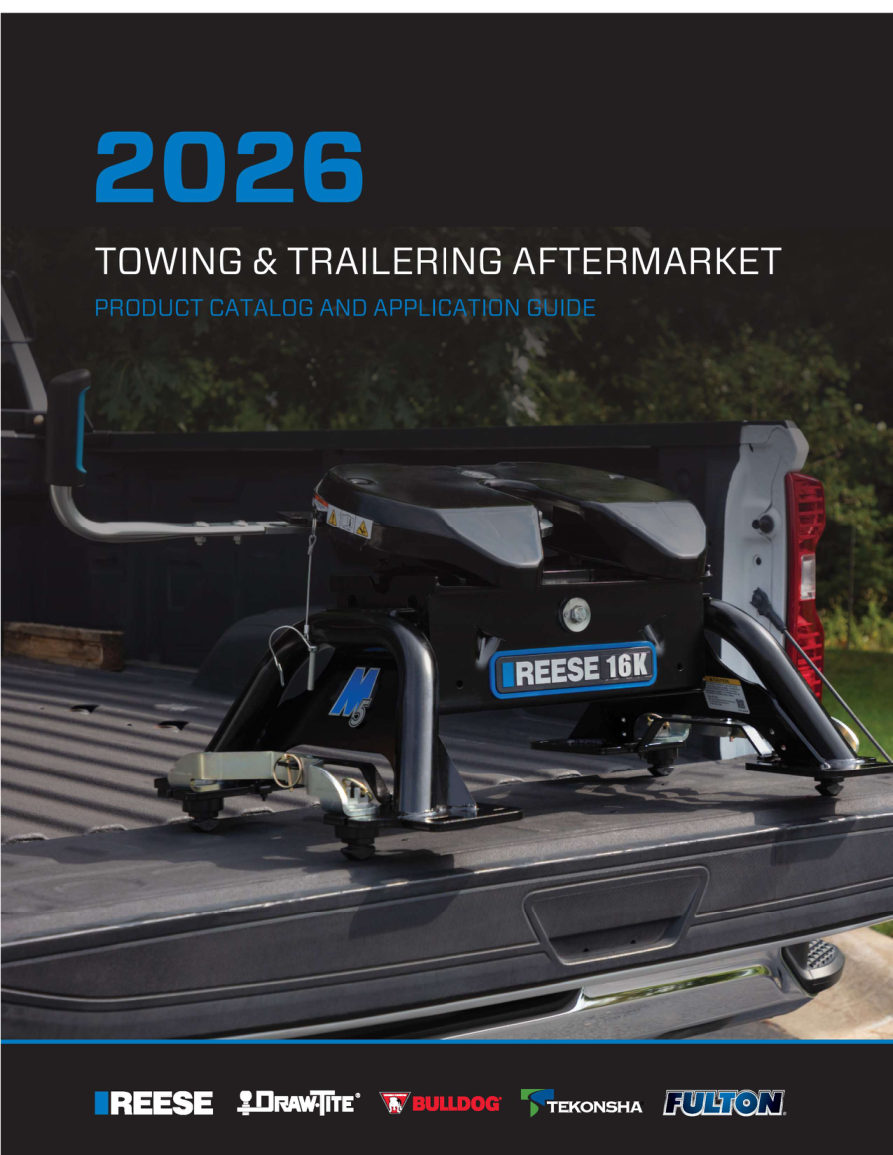

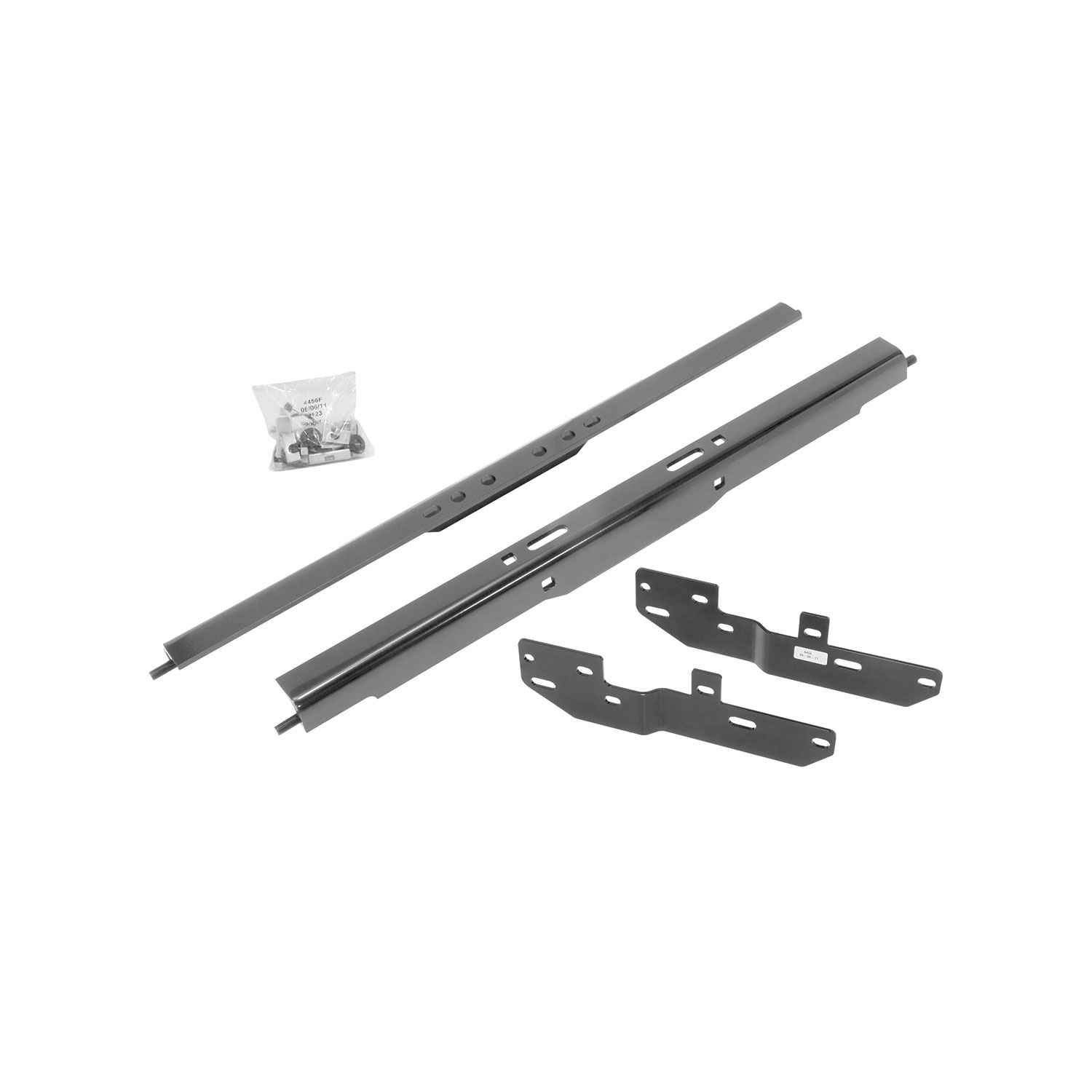
Draw-tite Gooseneck Rail Kit, Chevrolet & GMC 4454Draw-titeOriginal price was $390.00. Current price is $277.87.Out of Stock
View productOur in-house experts typically reply within one business day.

Draw-tite
Verify Fitment
Select your vehicle to confirm this part fits.
2011 - 2019 Chevrolet Silverado 2500 HD
Confirmed to Fit
2011 - 2019 Chevrolet Silverado 3500 HD
Confirmed to Fit
2011 - 2019 GMC Sierra 2500 HD
Confirmed to Fit
2011 - 2019 GMC Sierra 3500 HD
Confirmed to Fit


Always the correct part
We know our products
Quality Products
Free Shipping!
Always the correct part
We know our products
Quality Products
Free Shipping!

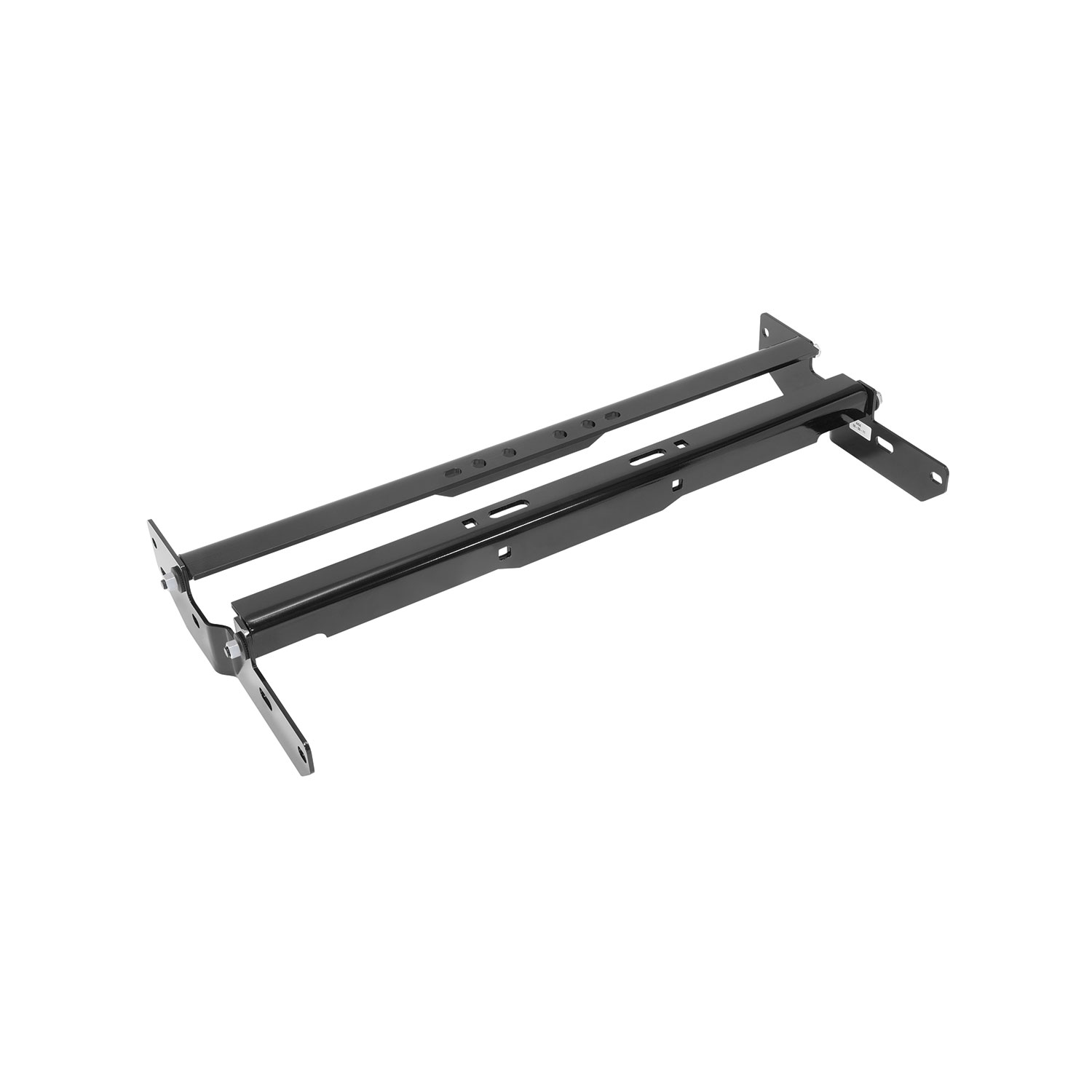
Draw-Tite gooseneck hitch systems conveniently allow unrestricted use of the pick up bed. All the rail framework resides under the bed, with only the ball exposed above the bed of the truck. Stronger and able to utilize the full suspension of the truck, Draw-Tite gooseneck hitch systems are rated up to the full towing capacity of the vehicle as determined by the manufacturer. Draw-Tite gooseneck hitch systems utilize a unique set of mounting rails, specific to each vehicle, that will accommodate any of the hitch heads available.
| BRAND: | DRAW-TITE |
| PART NUMBER: | 4456 |
| WARRANTY: | LIMITED LIFETIME WARRANTY |
| WEIGHT: | 58 LBS |
| GROSS TOWING WEIGHT: | 22,000 LBS. |
| UNIVERSAL OR SPECIFIC FIT: | SPECIFIC |
| DRILLING REQUIRED: | YES |
| PIN WEIGHT CAPACITY: | 5,500 LBS. |
| WELDING REQUIRED: | NO |
| MATERIAL: | STEEL |
| MOUNTING HARDWARE INCLUDED: | YES |
| COLOR: | BLACK |

Draw-Tite has designed custom-fit trailer hitches since 1946 and is one of North America's most widely fitted hitch brands. Receiver hitches use solid all-welded construction and low-profile designs that follow modern vehicle contours, install with minimal bumper cutting or drilling, meet or exceed V5 CSA and SAE J684 standards, and carry a limited lifetime warranty.
Draw-Tite has been leading custom-fit trailer hitch design and engineering since its founding in 1946, and it remains one of the most widely fitted hitch brands in North America. The company's stated approach is straightforward: every hitch is tested rigorously so that it performs well beyond published industry standards, a philosophy it markets as Tested Tough. It sits within the Horizon Global towing group alongside Reese, Fulton, Bulldog, Tekonsha, Bargman and Wesbar.
Custom fit is the defining characteristic. Rather than adapting a universal design, Draw-Tite engineers a trailer hitch for a specific make, model and model year, so it bolts to existing frame locations with minimal bumper cutting or drilling. Low-profile designs follow the rear contours and aerodynamic styling of modern vehicles, which matters more than it once did now that rear fascias are shaped and sensor-equipped. Construction is solid all-welded steel for maximum strength, and every hitch meets or exceeds V5 CSA and SAE J684 standards and is backed by a nationwide limited lifetime warranty.
The range spans receiver sizes and classes to suit different loads, from 1-1/4 inch receivers for bike racks, cargo carriers and light trailers up through 2 inch receivers for heavier towing. Front mount hitches add a receiver at the front of the vehicle for winch mounts, snow plows, spare carriers and precise trailer positioning.
The Hidden Hitch series takes concealment further by mounting behind the vehicle's rear fascia, so the vehicle keeps its factory appearance until a removable receiver is fitted. Each is custom designed per make and model for a no-drill installation that does not compromise ground clearance, rated for up to 3,500 pounds gross trailer weight and 350 pounds tongue weight. Matching plug-and-play wiring completes the towing system.
Experts available to answer your questions
Call 888-634-9494Lifetime
4 compatible vehicles
| Year | Make & Model | Notes |
|---|---|---|
| 2011 - 2019 | Chevrolet Silverado 2500 HD | Gooseneck Trailer Hitch Rail Kit Uses all existing holes. No Drilling required Install Time is 45 minutes |
| 2011 - 2019 | Chevrolet Silverado 3500 HD | Gooseneck Trailer Hitch Rail Kit Uses all existing holes. No Drilling required Install Time is 45 minutes |
| 2011 - 2019 | GMC Sierra 2500 HD | Gooseneck Trailer Hitch Rail Kit Uses all existing holes. No Drilling required Install Time is 45 minutes |
| 2011 - 2019 | GMC Sierra 3500 HD | Gooseneck Trailer Hitch Rail Kit Uses all existing holes. No Drilling required Install Time is 45 minutes |
Yes, the Draw-tite Gooseneck Rail Kit, Chevrolet & GMC 4456 (Part #DT4456) is designed to fit the 2011-2019 Chevrolet Silverado 2500 HD.
The Draw-tite Gooseneck Rail Kit, Chevrolet & GMC 4456 (Part #DT4456) fits the following vehicles: 2011-2019 Chevrolet Silverado 2500 HD; 2011-2019 Chevrolet Silverado 3500 HD; 2011-2019 GMC Sierra 2500 HD; 2011-2019 GMC Sierra 3500 HD. Always verify your specific year, make, and model before ordering.
The Draw-tite Gooseneck Rail Kit, Chevrolet & GMC 4456 (Part #DT4456) fits 2011-2019 Chevrolet Silverado 2500 HD models. The 2019 model year is the last year covered by this part number. For newer models, check for an updated version.
The Draw-tite Gooseneck Rail Kit, Chevrolet & GMC 4456 (Part #DT4456) Refer to the included instructions for installation details. Basic hand tools are typically all you need.
The Gooseneck Mounting Kit 4456 is a frame-mounted installation system for gooseneck hitch heads on Chevrolet and GMC 2500/3500 heavy-duty trucks with short (6'-6") or long (8') beds. It includes cross members, frame brackets, and fasteners that allow you to securely mount either a 9465/9475 Hide-A-Goose Hitch head or a 6300/630044/8339 Gooseneck Hitch head to your truck frame.
The kit is designed for Chevrolet and GMC 2500/3500 heavy-duty trucks with either a short bed (6'-6") or long bed (8'). Verify your truck's bed length and that it is a 2500 or 3500 model before purchasing. The kit is compatible with both 9465/9475 Hide-A-Goose Hitch heads and 6300/630044/8339 Gooseneck Hitch heads, but you will follow different installation procedures depending on which hitch head you are installing.
Some trucks come with optional plastic inner fender liners. To install the gooseneck mounting kit, the inner fender liners will either have to be removed or trimmed. Check with your customer or verify your truck's configuration before proceeding with installation.
The Fastener Kit 4456F includes: (10) 5/8-11 hex nuts, (10) 5/8" conical toothed washers, (6) 5/8 X 2.50 carriage bolts (GR5), (2) 5/8 X 2.00 carriage bolts (GR8), (2) hex head bolts 5/8-11 x 2.50 (GR5), (4) blocks 1/4 X 1.13 x 3.00, (2) blocks 5/8 X 1.50 X 2.13, (4) shims 5/16 X 2.00 X 1.00, and (2) flat washers 5/8 DIA. The kit also includes cross members and frame brackets.
Required tools include: wrenches (15/16" and 15/16" crowfoot adaptor), a drill with 1/4" and 5/8" drill bits, and a reciprocating saw. If you choose to raise the truck bed to install the rails, you will also need an 18mm socket with a 15" extension. A hole saw is needed to enlarge the pilot hole in the truck bed for Hide-A-Goose hitch installations.
The manual does not specify whether the battery must be disconnected. However, the manual warns that fuel lines, brake lines, and electrical wiring are located along the vehicle frame where the rail kit installs, so you should carefully examine these systems before installation. Consult the vehicle manufacturer's service manual or a qualified technician if you are uncertain.
From underneath the passenger's side of the vehicle, you must remove or cut out the section of heat shield located under the bed, above the exhaust, and between the two bed supports. On short bed models, you must cut the heat shield on the gas tank or bend the top edge about 1" down to make room for the hitch. On 6'-6" bed models with the 6300/630044/8339 hitch, the section of heat shield located between the rear bed support and the spare tire must also be removed.
On models with gasoline engines, you must temporarily detach the fuel vapor pump from the back of the gas tank during installation. This is done in the early stages of installation and the pump is reinstalled after the hitch is secured. Diesel models do not have a fuel vapor pump.
Yes, as an optional step you can loosen or remove the (8) truck bed bolts to raise the bed above the top of the truck frame. This allows more room to slide the rail kits in place without notching the sheet metal flange. Use an 18mm socket with a 15" extension to loosen or remove the bolts from below the bed, and keep the bed in the raised position with wood blocks during installation. After the hitch bolts are torqued and the rails are in place, you will drop the bed back down and reinstall and torque the bed bolts.
Yes, drilling is required. For Hide-A-Goose hitch installations, you must drill a 1/4" pilot hole in the truck bed at a specific distance from the rear (44-7/8" for 6'-6" bed or 45-3/8" for 8' bed), centered between the wheel wells, then enlarge it with a hole saw to the final diameter specified in the Hide-A-Goose hitch instruction sheet. For 6300/630044/8339 hitch installations, you must drill 5/8" diameter holes through the truck bed using the outer slots in the rearward cross member as a template. A wood or metal shield must be placed between the frame and fuel tank to prevent puncturing the fuel tank when the drill breaks through the bed.
If you do not raise the truck bed, you must notch the sheet metal flange on the passenger's side from the wheel well. The notch is made forward of the hat section on the sheet metal flange. After notching, the cut steel surfaces should be touched up with paint to prevent rusting. Alternatively, you can avoid notching by raising the truck bed using the optional procedure with an 18mm socket and 15" extension.
On short bed trucks with overload springs, you must remove the front overload spring bumper bracket and keep all hardware for reinstallation. After the hitch is installed, you will reinstall the spring bumper bracket with a 1/4" thick, square holed spacer block placed between the frame and the spring bumper bracket.
Yes. You must drill 1/4" pilot holes, then cut out the truck bed and the bed hat section on 6'-6" bed models from underneath the bed of the vehicle and file edges as needed. If the vehicle is equipped with a bed liner, a section of the bed liner must be cut away so that the gooseneck platform can contact the bed corrugations. A template (provided with the gooseneck hitch or available separately) is used to mark the cutting area.
For Hide-A-Goose hitch installations: Torque the GR8 fasteners on the horizontal leg of the rearward rail to 210 ft.-lb (285 N·m). Using a crowfoot adapter, torque the GR8 fasteners on the vertical leg of the rearward rail to 150 ft.-lb (203 N·m). Torque the GR5 fasteners for the forward rail vertical leg attachment to 150 ft.-lb (203 N·m). Torque the GR5 fasteners attaching the crossmembers to the frame brackets to 150 ft.-lb (203 N·m). Torque the GR5 fasteners attaching the frame brackets to the vehicle frame rails to 150 ft.-lb (203 N·m).
For 6300/630044/8339 hitch installations: Torque all 5/8-11 GR5 fasteners on the bracket to 150 ft.-lb (203 N·m). Torque the 5/8 X 2.50 GR5 carriage bolts through the hitch, shims, and cross members to 150 ft.-lb (203 N·m). For U-bolt installations, tighten the 5/8" jam nuts until (3) threads are visible past the bottom of the jam nut.
The hole patterns for frame bracket attachment differ by bed length. For 8' bed models and 6'-6" bed models, specific hole patterns are shown in Figure 6 (for Hide-A-Goose hitch) and Figure 11 (for 6300/630044/8339 hitch). Refer to these figures in the manual for the exact hole locations on your truck bed length.
The hole location depends on your truck bed length. For a 6'-6" bed, drill the 1/4" pilot hole 44-7/8 inches from the rear of the bed. For an 8' bed, drill it 45-3/8 inches from the rear of the bed. The hole must be centered between the wheel wells.
Under no circumstances should you exceed the tow vehicle manufacturer's recommended vehicle towing capacity. The kit is designed to safely mount a gooseneck hitch head, but the maximum towing capacity is determined by your truck's manufacturer specifications, not the kit itself. Always consult your truck's owner's manual for the maximum towing capacity.
Before installing the hitch, check for adequate clearance between the gooseneck trailer and the rear of the cab and the rear of the truck box. Additionally, carefully examine the location of fuel lines, brake lines, and electrical wires along the vehicle frame where the rail kit will install, and ensure you do not damage these systems when positioning the hitch components. Be careful when drilling holes, cutting sheet metal, and tightening fasteners to avoid limiting the integrity of these systems.
A wood or metal shield must be placed between the frame and the fuel tank to prevent puncturing the fuel tank when the drill breaks through the bed. The fuel tank and other vehicle components are located below some of the holes, so this protection is critical.
After installation, always make sure the ball is fully locked before towing. Keep the ball and ball sleeve (or ball pocket for 6300/630044/8339) well lubricated. Check the ball, hitch coupler, safety chains, and other connections for proper operation every time you tow. Periodically re-torque all the hitch fasteners to ensure they remain secure.
Keep the ball and ball sleeve (or ball pocket) well lubricated. Periodically re-torque all the hitch fasteners. Check the ball, hitch coupler, safety chains, and other connections for proper operation every time you tow. The manual does not specify the exact retorque interval, so consult the hitch head manufacturer's instructions or your truck's service manual for recommended maintenance schedules.
Yes, if you have a Chevrolet or GMC 2500/3500 heavy-duty truck with a short (6'-6") or long (8') bed. The kit is compatible with 9465/9475 Hide-A-Goose Hitch heads and 6300/630044/8339 Gooseneck Hitch heads.
You need a drill with 1/4" and 5/8" bits, a reciprocating saw, wrenches (15/16" and 15/16" crowfoot adaptor), and a hole saw. If raising the bed, you'll also need an 18mm socket with a 15" extension.
Yes. For Hide-A-Goose hitches, you drill a 1/4" pilot hole in the bed at 44-7/8" (6'-6" bed) or 45-3/8" (8' bed) from the rear. For 6300/630044/8339 hitches, you drill 5/8" holes through the bed. You must also remove or cut heat shield sections and may need to notch the frame flange unless you raise the bed.
For Hide-A-Goose: 210 ft.-lb (285 N·m) for horizontal rearward rail fasteners; 150 ft.-lb (203 N·m) for all other GR5 fasteners. For 6300/630044/8339: 150 ft.-lb (203 N·m) for all GR5 fasteners. U-bolt jam nuts are tightened until 3 threads are visible.
Never exceed your truck manufacturer's recommended towing capacity. Always ensure the ball is fully locked before towing, keep it lubricated, and check all connections every time you tow. Periodically re-torque all fasteners.
On gasoline engines only, yes—temporarily detach it from the back of the gas tank during installation and reinstall it after the hitch is secured. Diesel models do not have one.
If you cannot fit the cross members without interference, you have two options: (1) Notch the sheet metal flange on the passenger's side from the wheel well, forward of the hat section, and touch up the cut steel surfaces with paint to prevent rusting, or (2) Loosen or remove the (8) truck bed bolts using an 18mm socket with a 15" extension, raise the bed above the top of the truck frame, keep it in position with wood blocks, and then install the rails. After torquing the hitch bolts, drop the bed back down and reinstall and torque the bed bolts.
This indicates that the U-block shims were not installed before the carriage bolts were tightened. The shims (5/16 X 2.00 X 1.00) must be placed between the hitch and the bed and between the cross members and the bottom of the bed to prevent the bed corrugations from collapsing. If this has already occurred, you may need to loosen the bolts, install the shims, and retighten.
The manual states that a wood or metal shield must be placed between the frame and the fuel tank to prevent puncturing the fuel tank when the drill breaks through the bed. If the fuel tank has been damaged, stop work immediately and consult a qualified technician or your vehicle manufacturer. Do not attempt to repair a fuel tank yourself, as this is a serious safety hazard.
For Hide-A-Goose hitch: Verify that the hole was drilled at the correct distance from the rear of the bed (44-7/8" for 6'-6" bed or 45-3/8" for 8' bed) and is centered between the wheel wells. For 6300/630044/8339 hitch: Ensure the template is properly oriented toward the front of the vehicle and that the holes previously drilled through the bed align with the template holes. If misalignment persists, you may need to re-drill or enlarge the hole, but consult the hitch head manufacturer's instructions first.
On Sale Today
Original price was $402.50. Current price is $287.52.You save $114.98 (29%)
Free Shipping
Ships free on all orders
 Authorized Dealer


FREE ShippingFREE SHIPPING
Estimated delivery Sat, Oct 17 - Tue, Oct 20
Order before 2 PM EST Monday–Friday for same-day processing
Guaranteed safe & secure checkout
Jennifer
Ordered online. Shipment arrived on time and with all the correct parts. Great customer service and friendly staff. Also, pricing was great!
May 22, 2023