Ask a Question About This Product
Our in-house experts typically reply within one business day.
Our in-house experts typically reply within one business day.

Reese



Always the correct part
We know our products
Quality Products
Free Shipping!
Always the correct part
We know our products
Quality Products
Free Shipping!

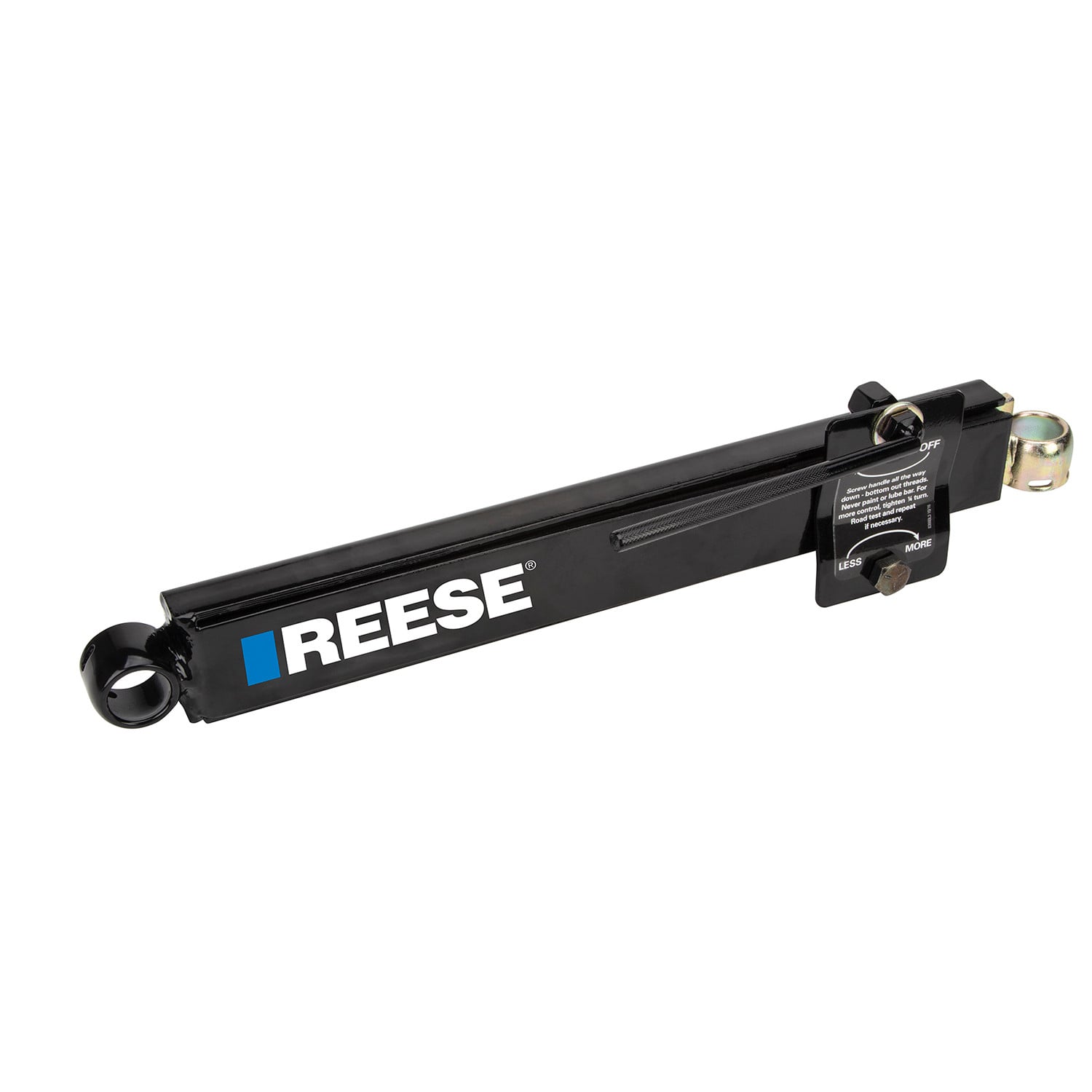
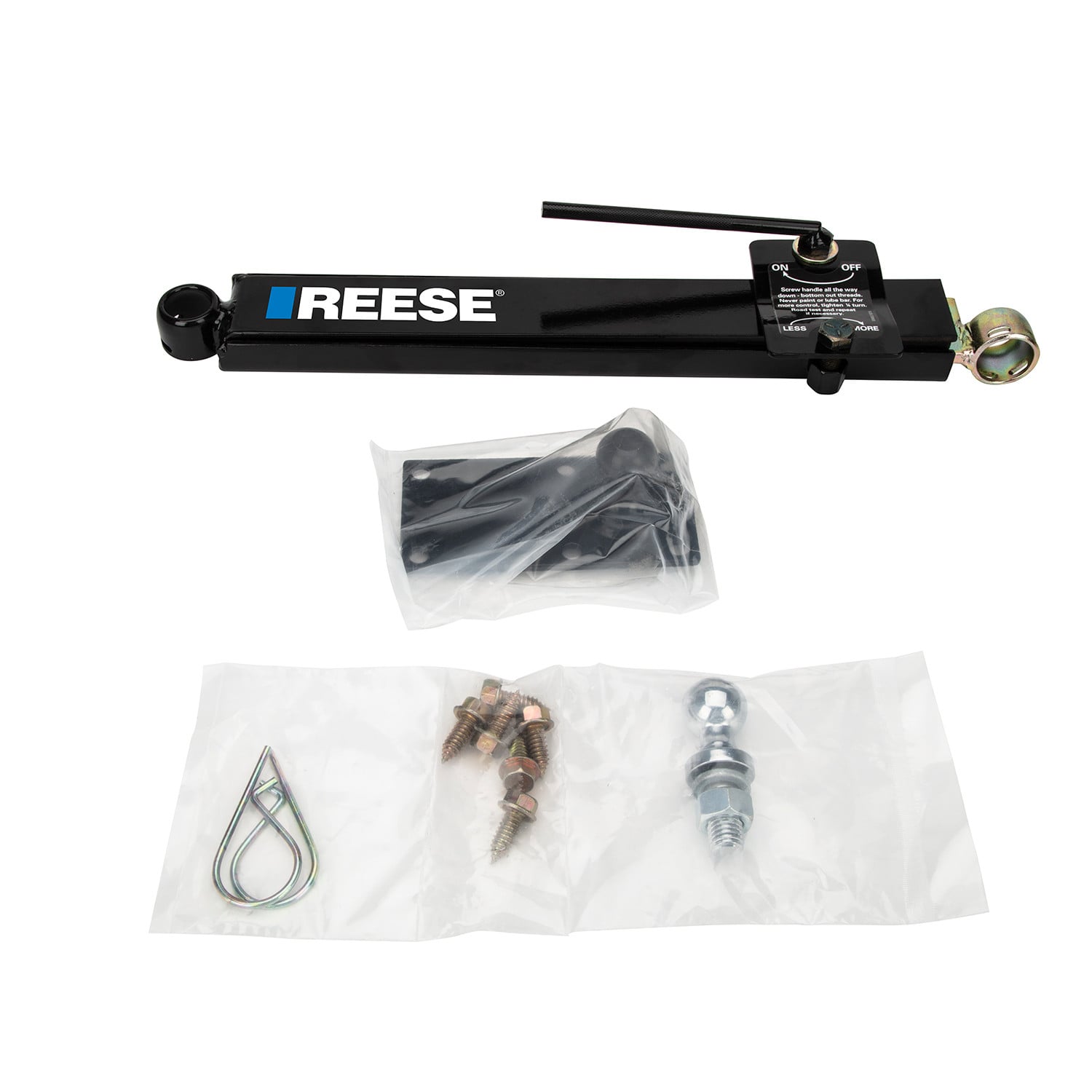
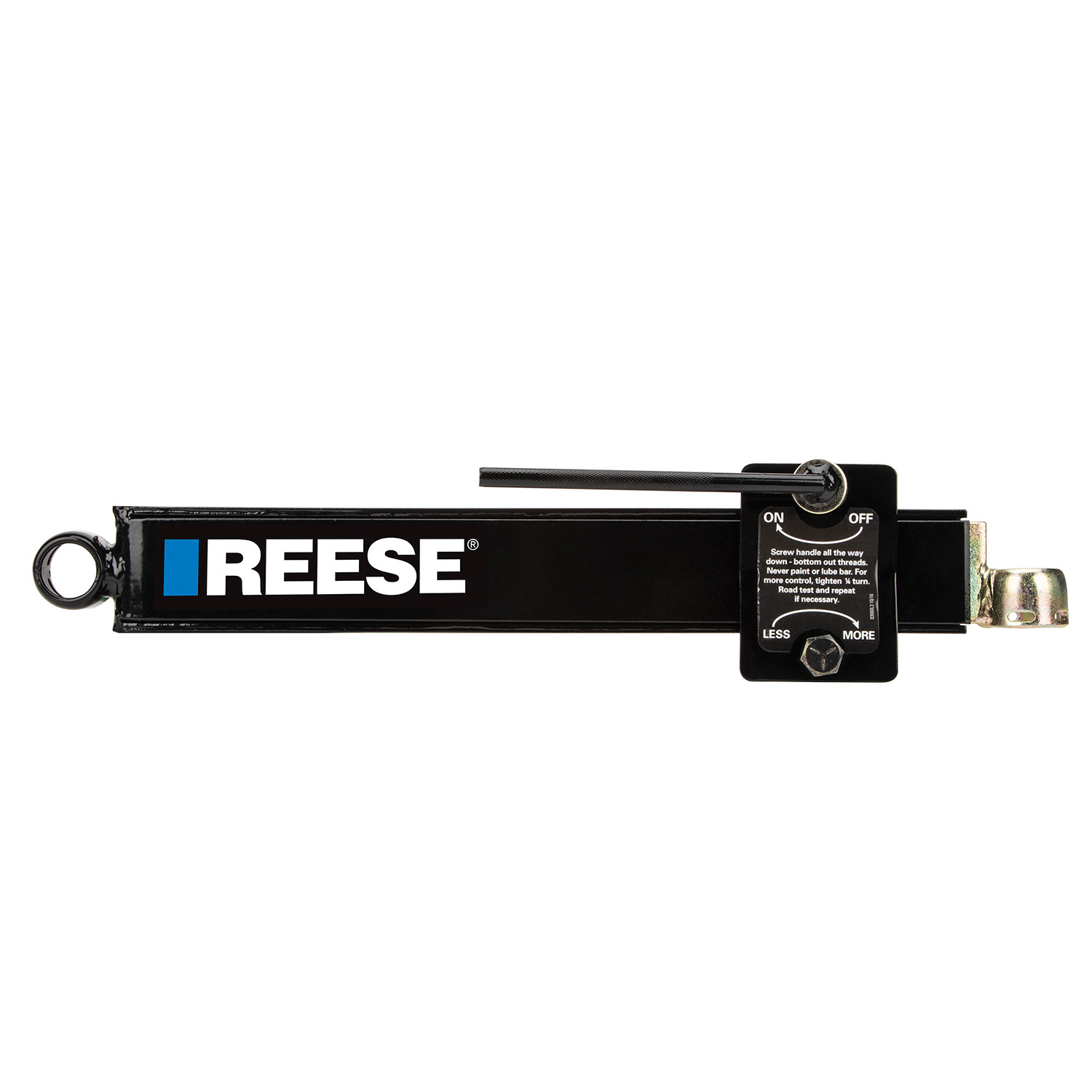
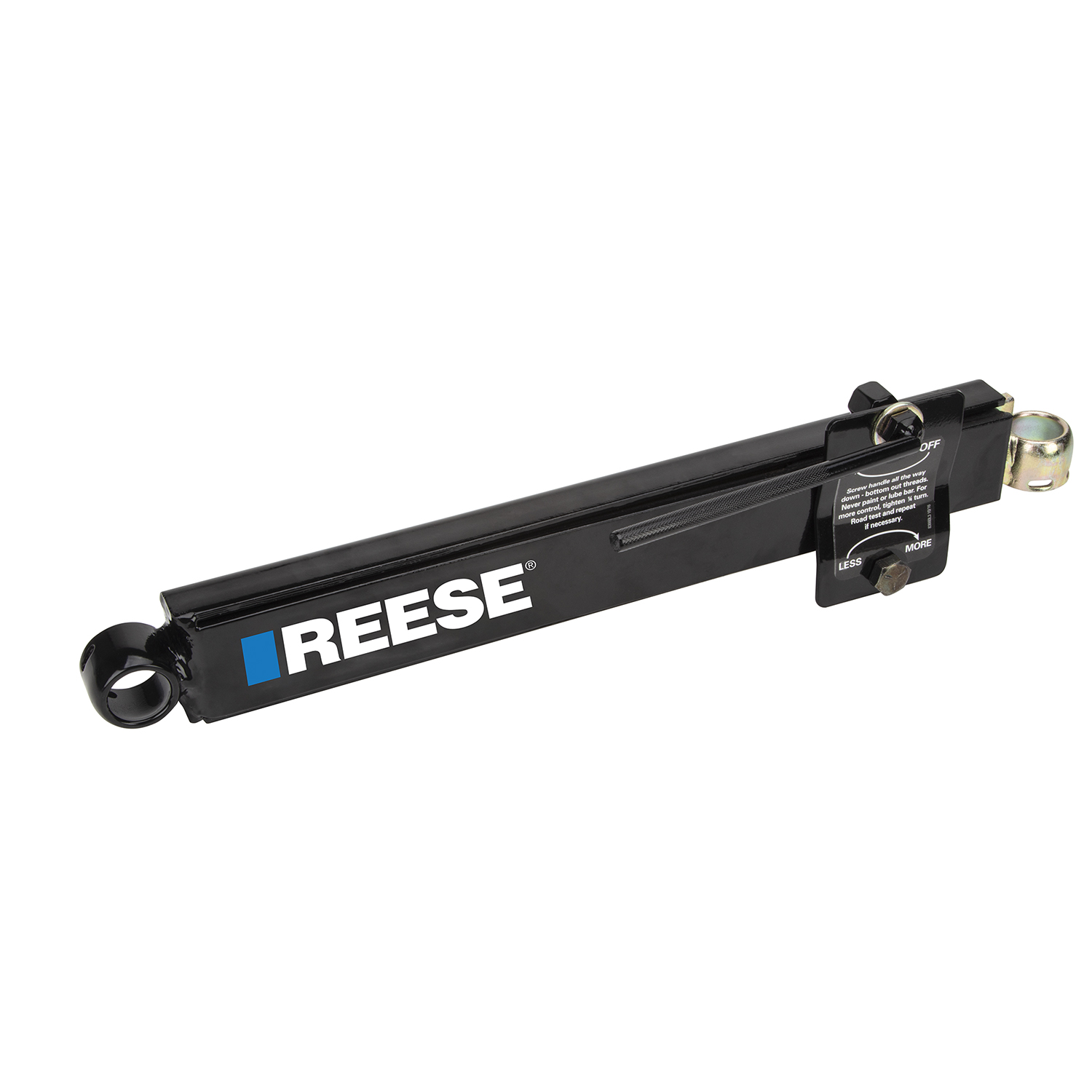
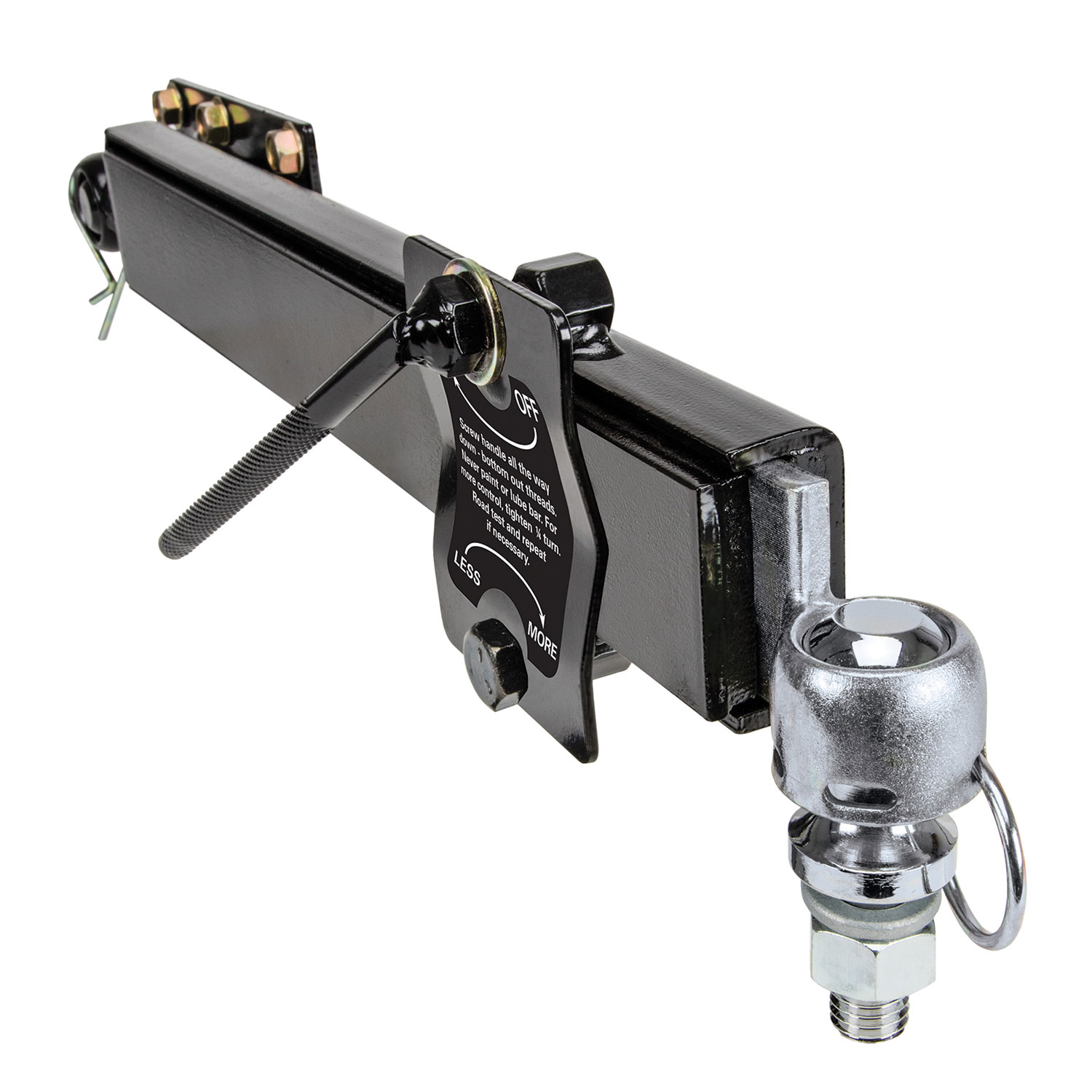
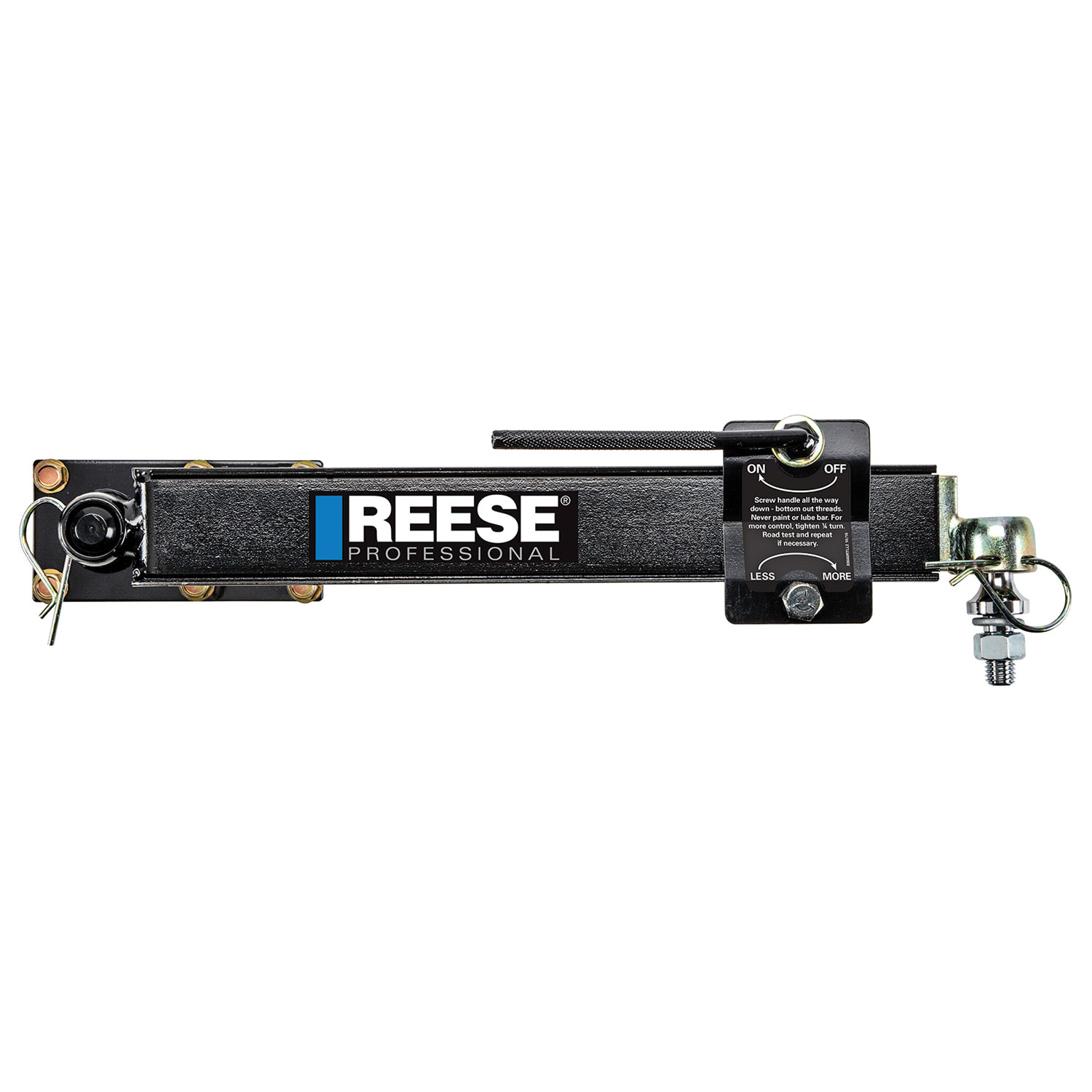
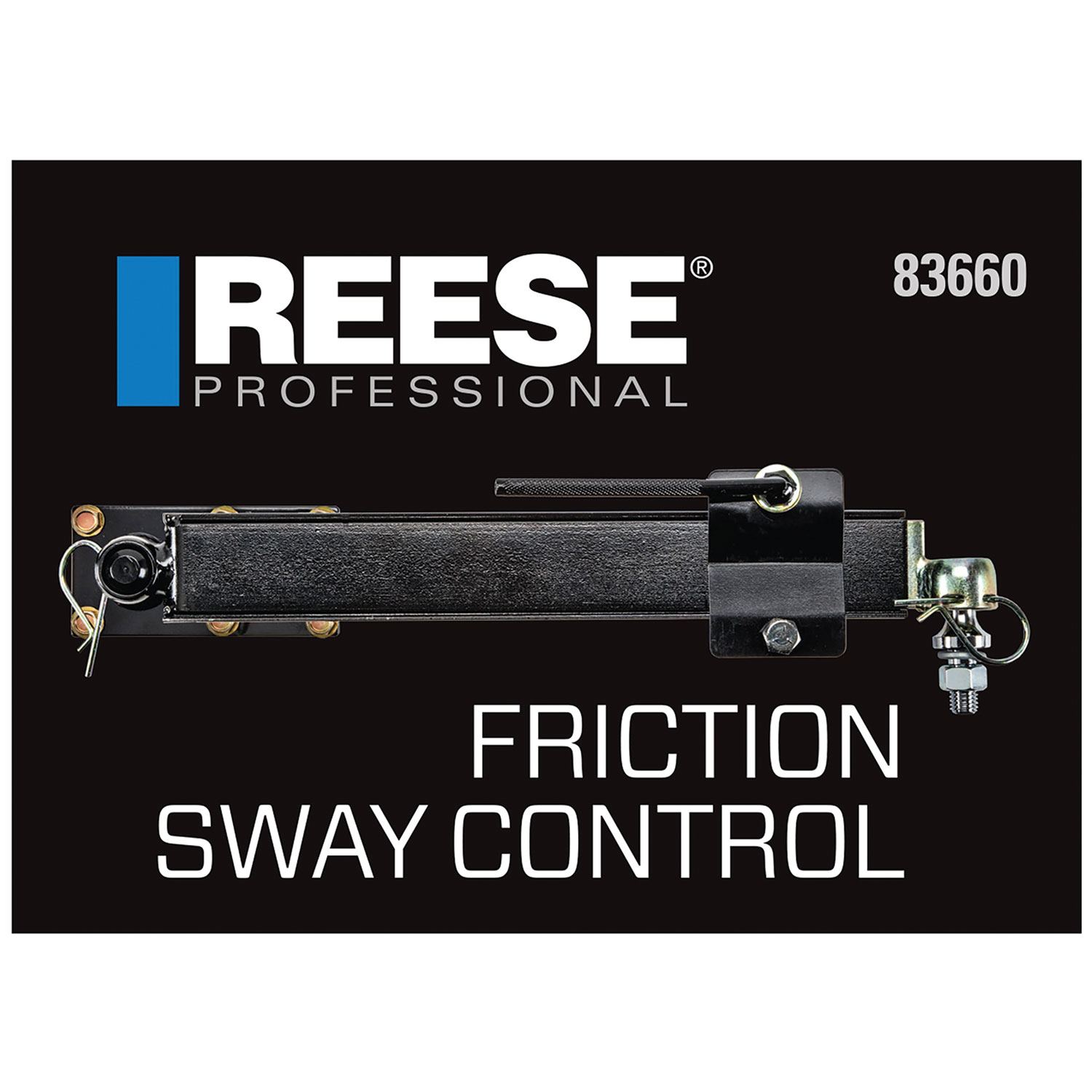
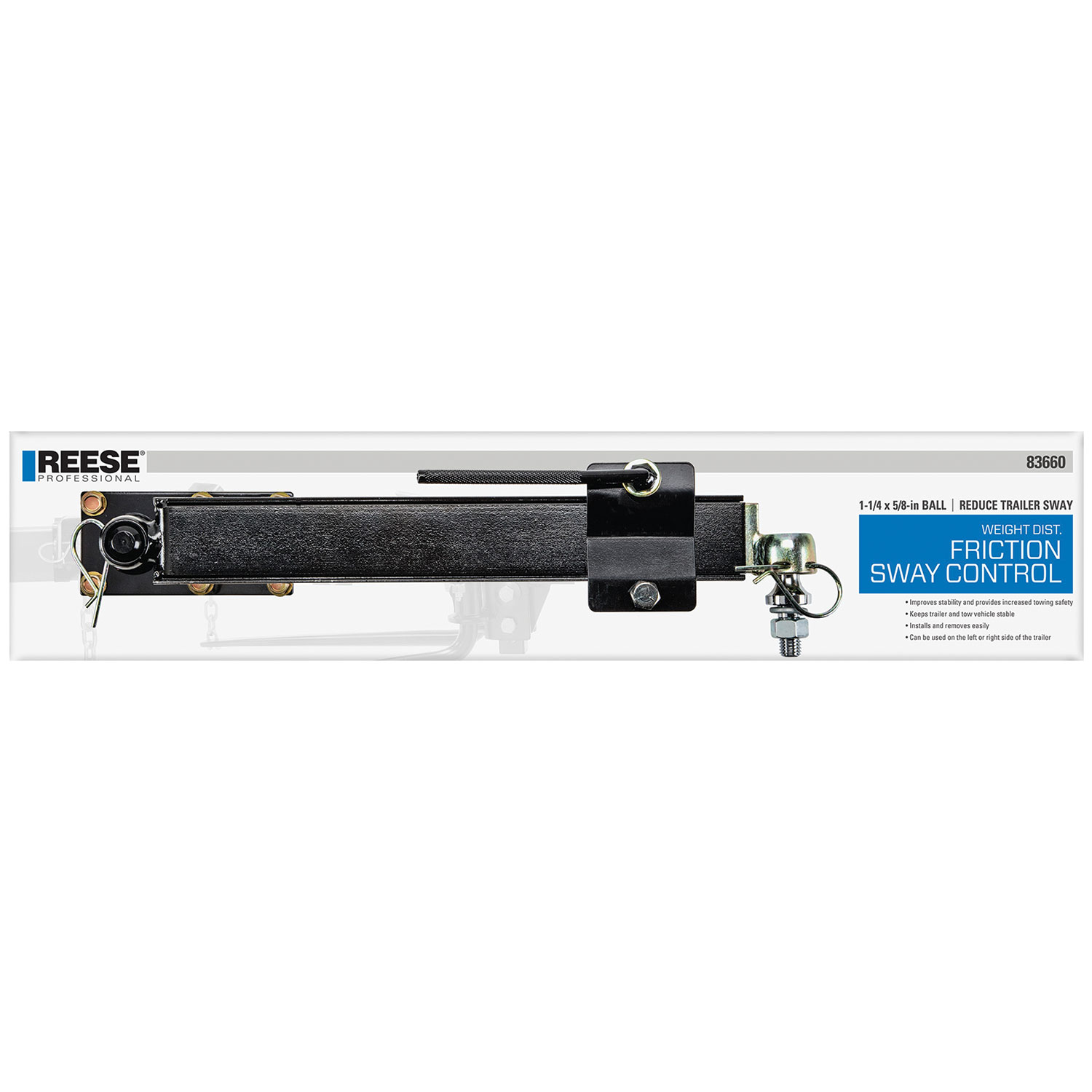
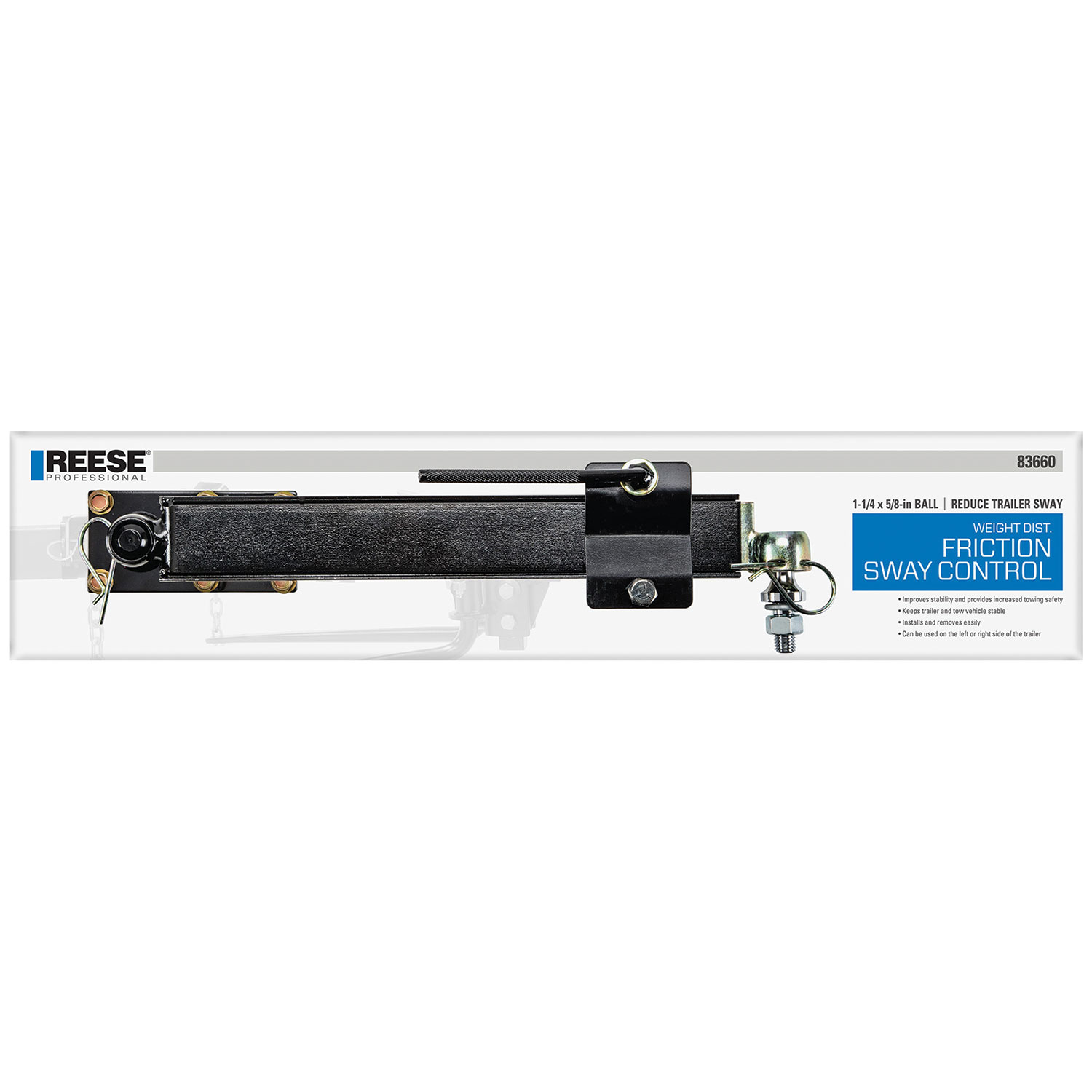
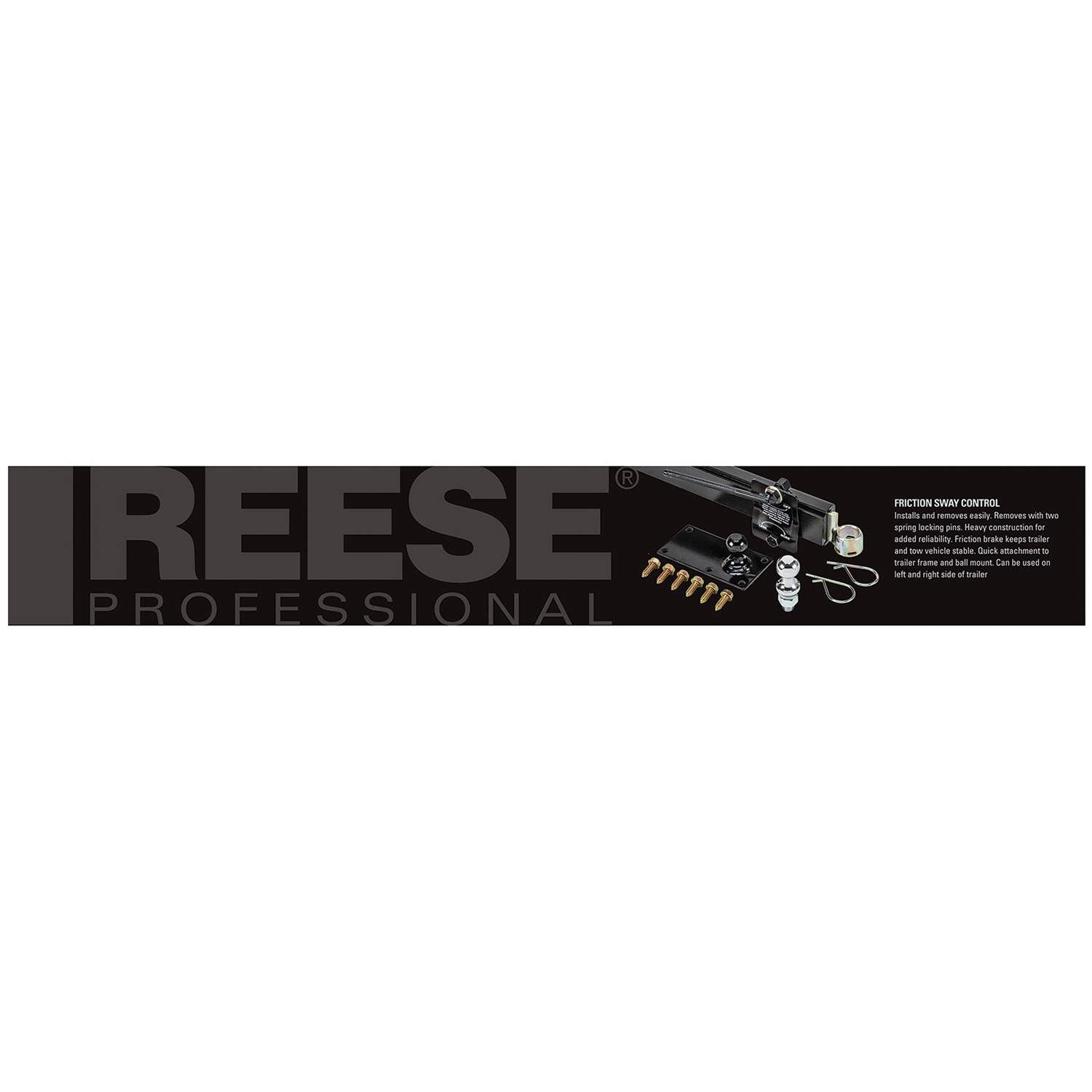
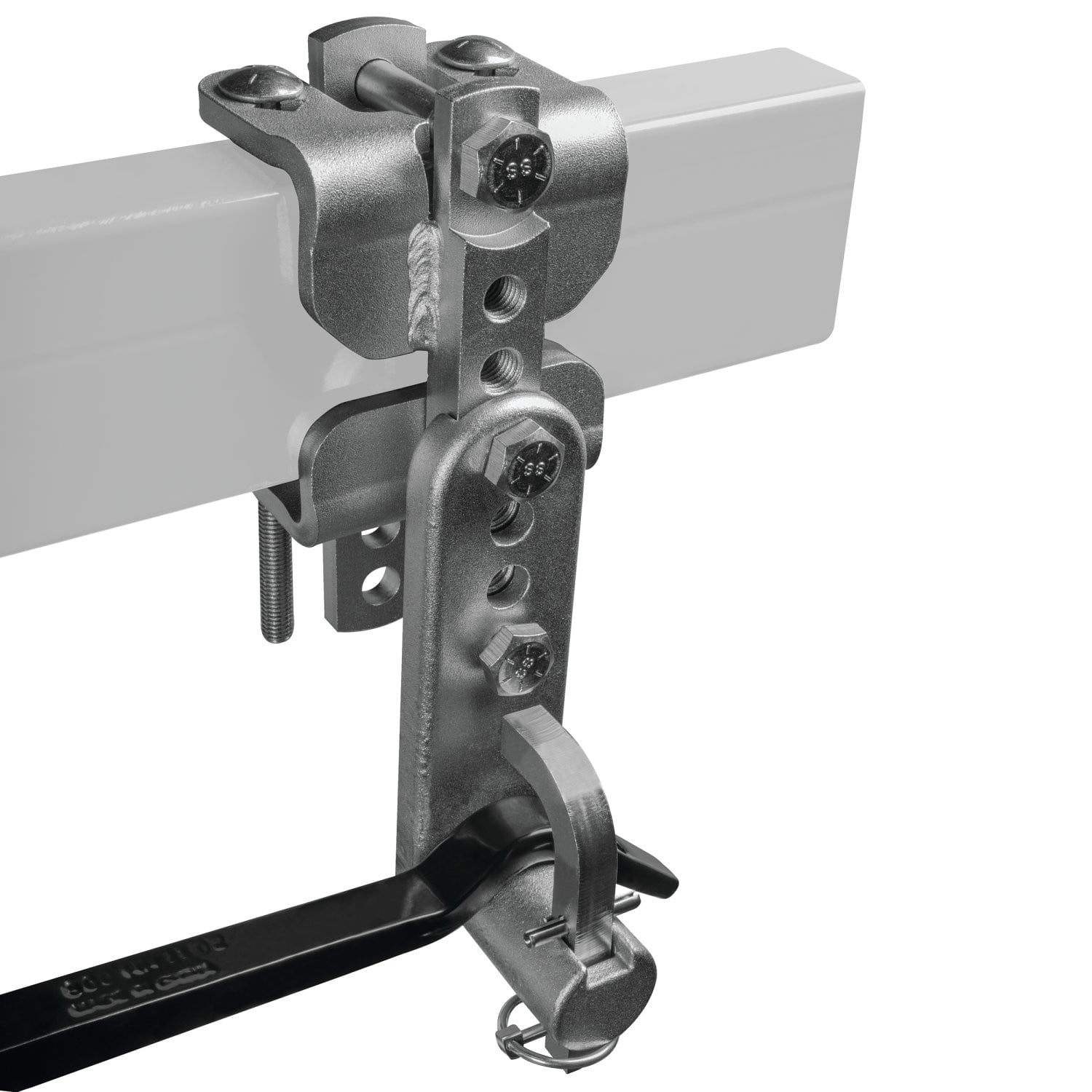
Friction Sway Control uses friction to resist pivotal movement and thereby works against the effects of induced sway. It operates on the principle of "stiffening" the coupling between the tow vehicle and trailer. The degree of "stiffening" or friction is adjusted to suit various trailer weights and towing conditions. Its operation is simple and uncomplicated. It doesn't prevent the generation of sway; it simply works to resist the forces once they have started.
| BRAND: | REESE |
| PART NUMBER: | 83660 |
| WARRANTY: | LIMITED 10 YEAR WARRANTY |
| WEIGHT: | 13.35 LBS |
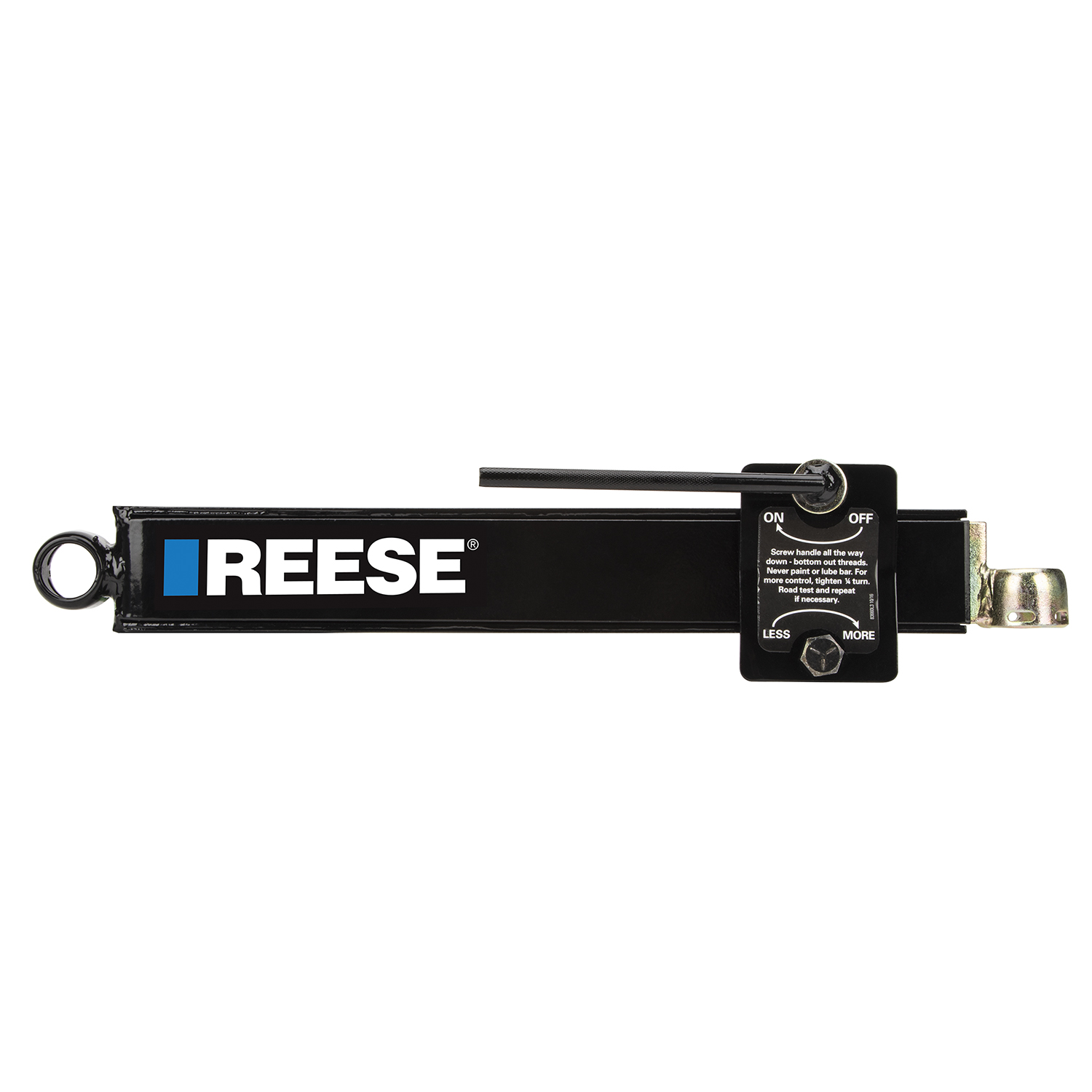
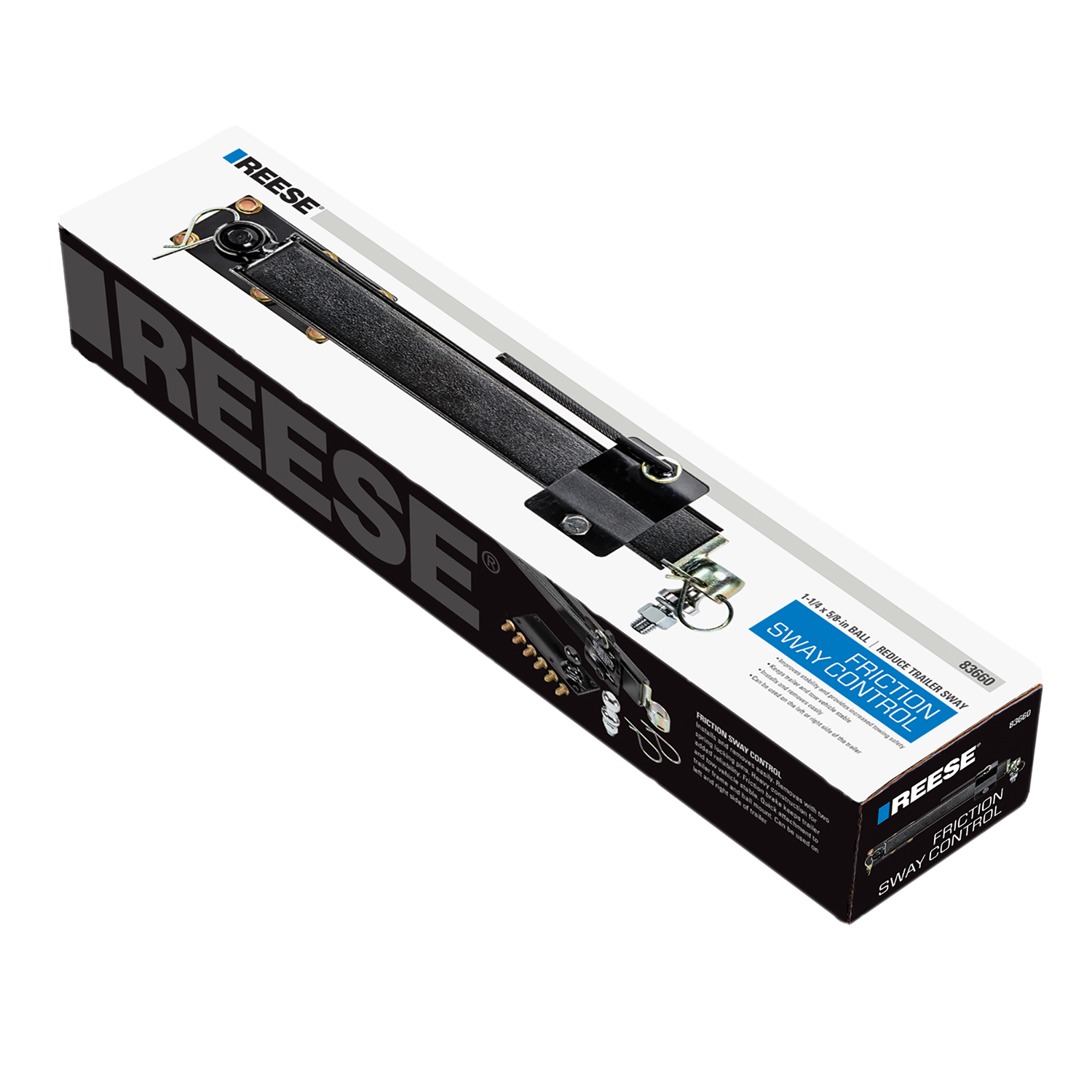

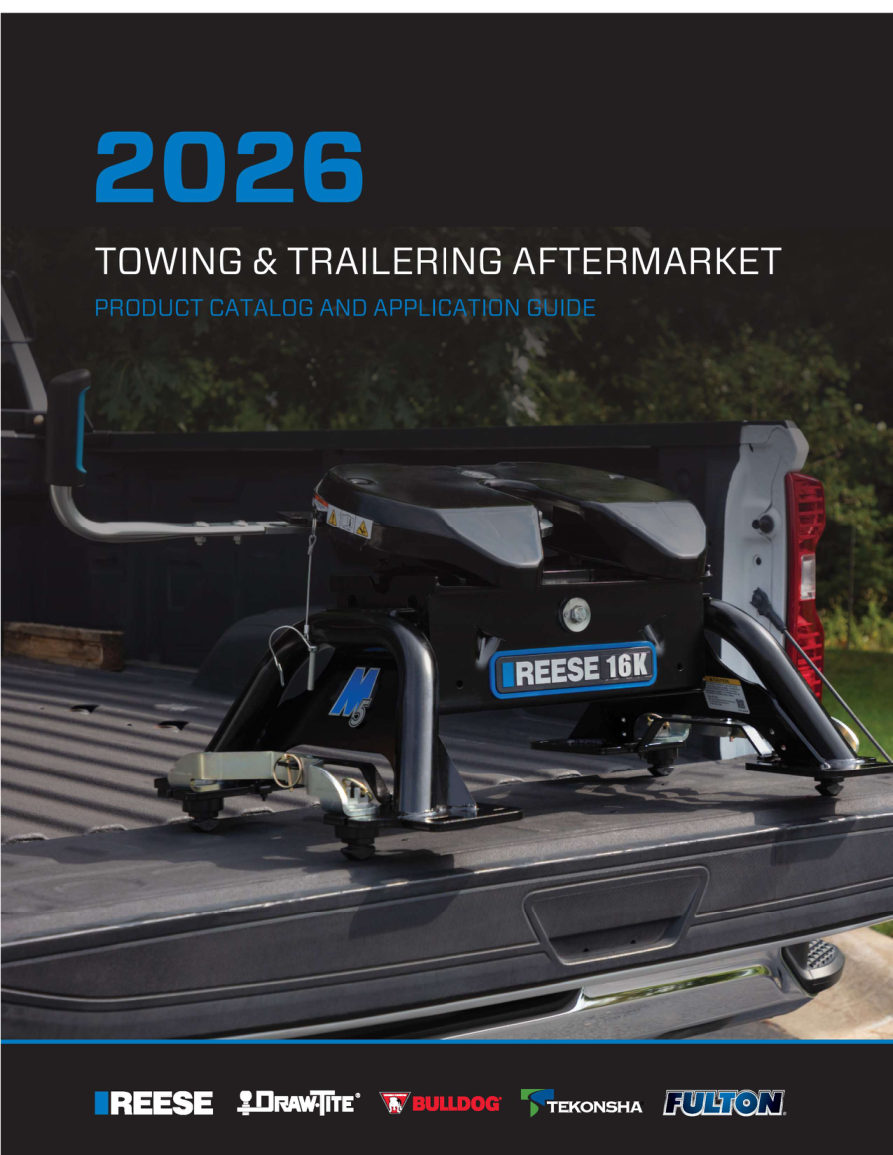
Reese has designed towing equipment since 1952 and remains a benchmark for heavy-duty towing. The line covers fifth wheel hitches such as the modular M5, gooseneck couplers including the Goose Box, air-ride and short-bed pin boxes, weight distribution systems with active sway control, and the accessories that connect them, all built to exceed published industry standards.
Reese has been pioneering towing performance since 1952, when Margaret Reese asked her husband TJ to stop travel trailers rocking every time somebody walked through them. His answer, the first pair of stabilising jacks, was simple and effective enough to change the RV industry. From that starting point Reese grew into a designer and manufacturer of complete towing systems, and today it anchors the heavy-duty end of the Horizon Global towing portfolio.
Fifth wheel towing is where the brand's engineering is most visible. The M5 fifth wheel hitch uses a modular design that breaks into manageable sections for assembly, with a wider stance, tighter tolerances and a shock absorption system aimed at the jolts that travel up through a truck bed. For owners who would rather tow from a gooseneck coupler and keep the bed clear, the Goose Box 20K replaces the trailer's king pin with a gooseneck connection carrying its own air-ride cushioning.
Pin boxes are a Reese speciality. The 5th Airborne uses air-ride technology to dampen road shock and reduce the chucking motion that makes fifth wheel towing tiring, while the Sidewinder was designed for short-bed pickups, pivoting the connection point so the trailer can turn sharply without the front cap meeting the cab.
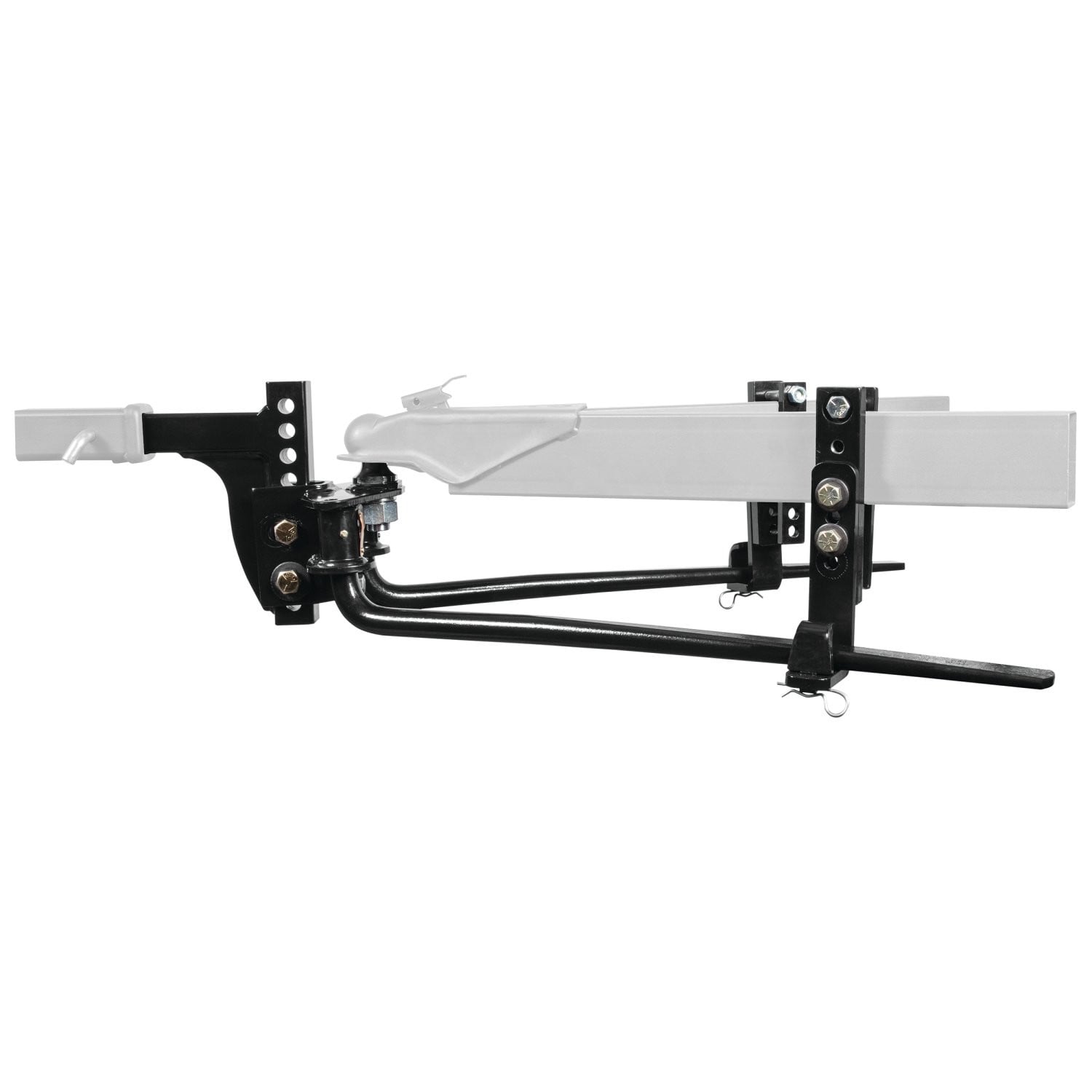
For conventional towing, Reese weight distribution systems restore load to the tow vehicle's front axle and control sway. The Pro Round Bar distributes weight evenly while damping sway, and the Pro Dual Cam II uses active cam-based sway control that works harder the stronger the sway force becomes. Complete kits pair bars, head and shank to a rated tongue weight, and dedicated sway control kits can be added to existing setups. The products suit RV owners, horse and livestock haulers and anyone towing near the upper end of a vehicle's rating.
Experts available to answer your questions
Call 888-634-949410 Years
Reese® and Pro Series™ Weight Distribution & Sway Control Hitches
No. The manual explicitly states that sway control cannot be used on trailers with surge brakes. Do not use this product on surge brake systems.
No. The manual states do not use sway control on Class I hitches. This product is designed for Class II or higher hitch classes.
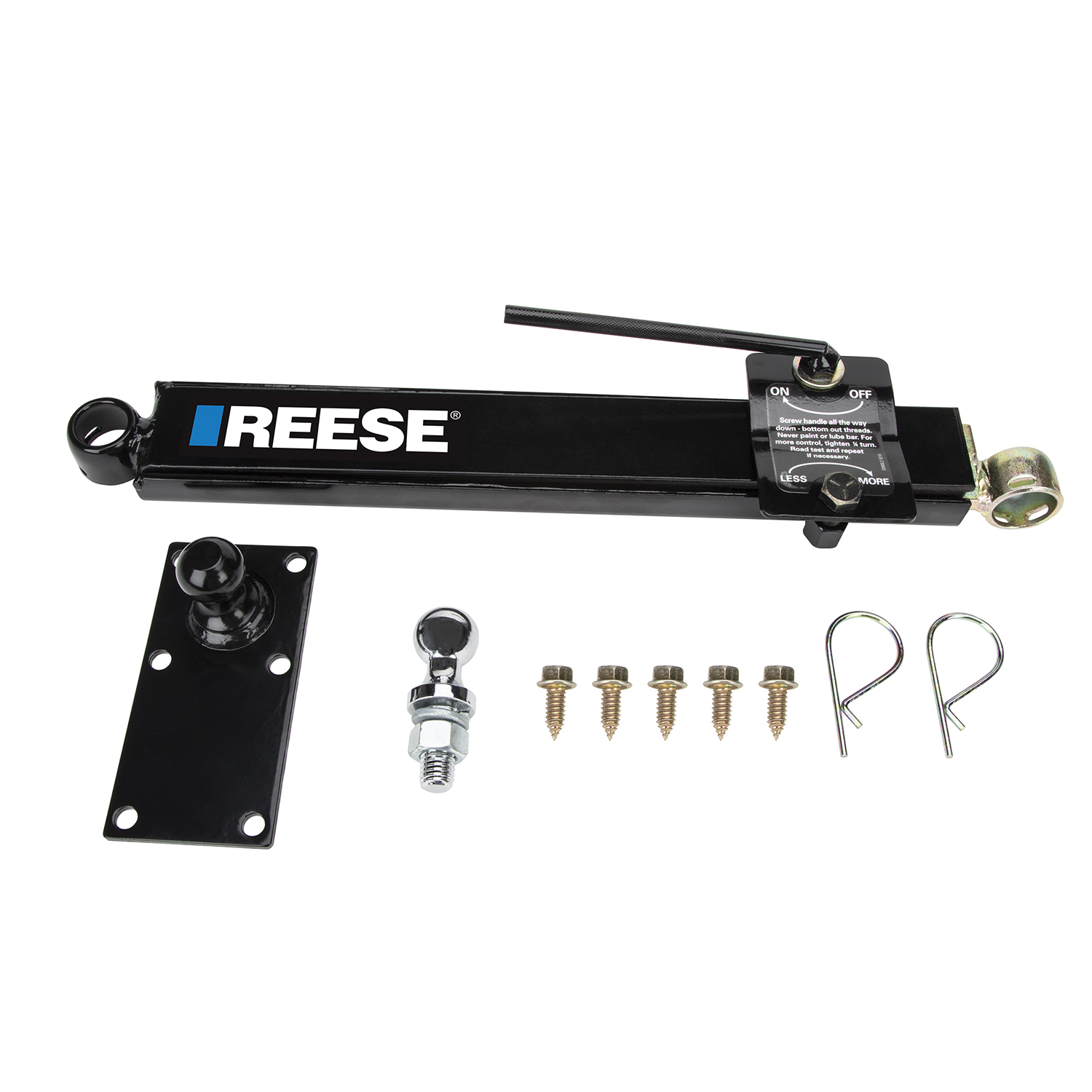
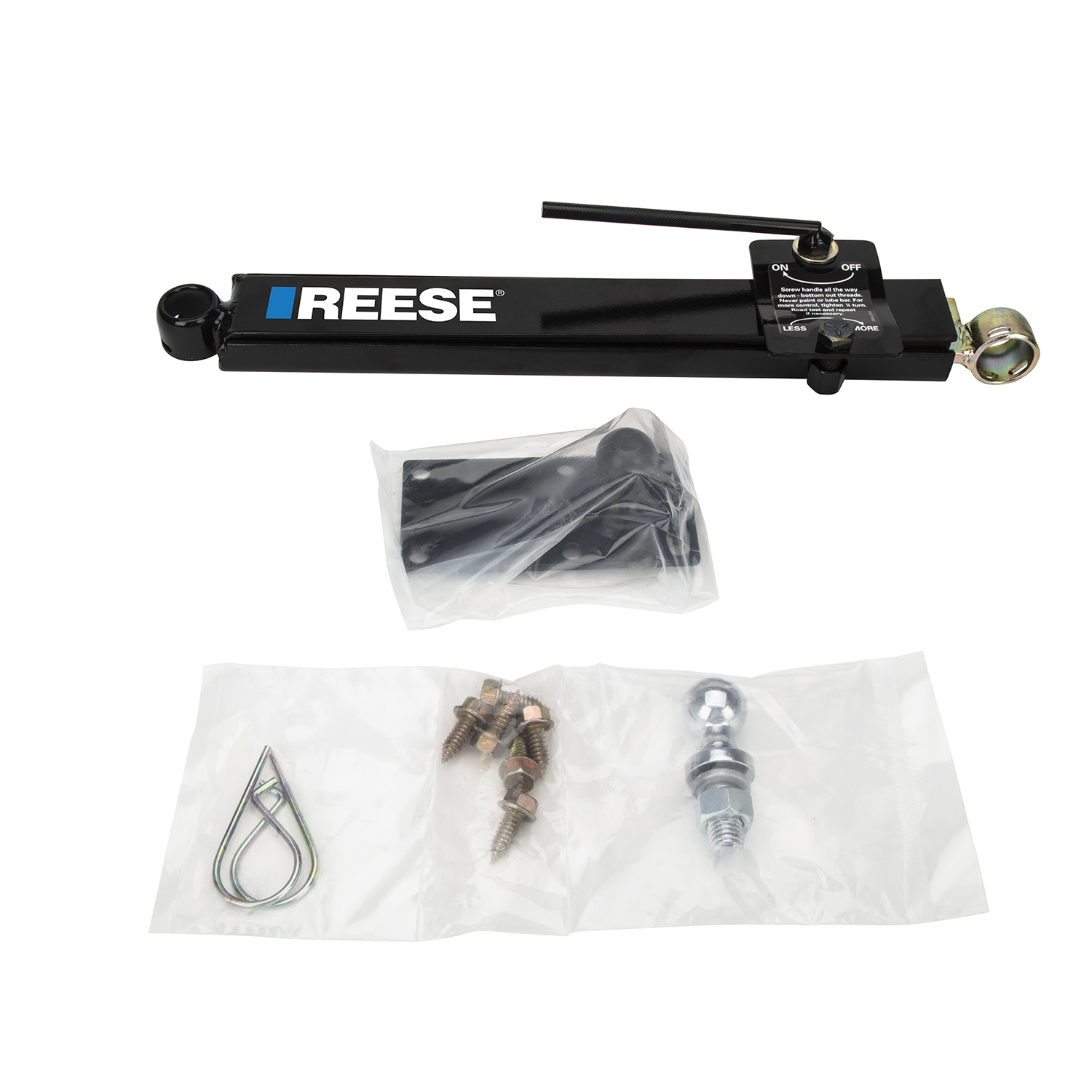
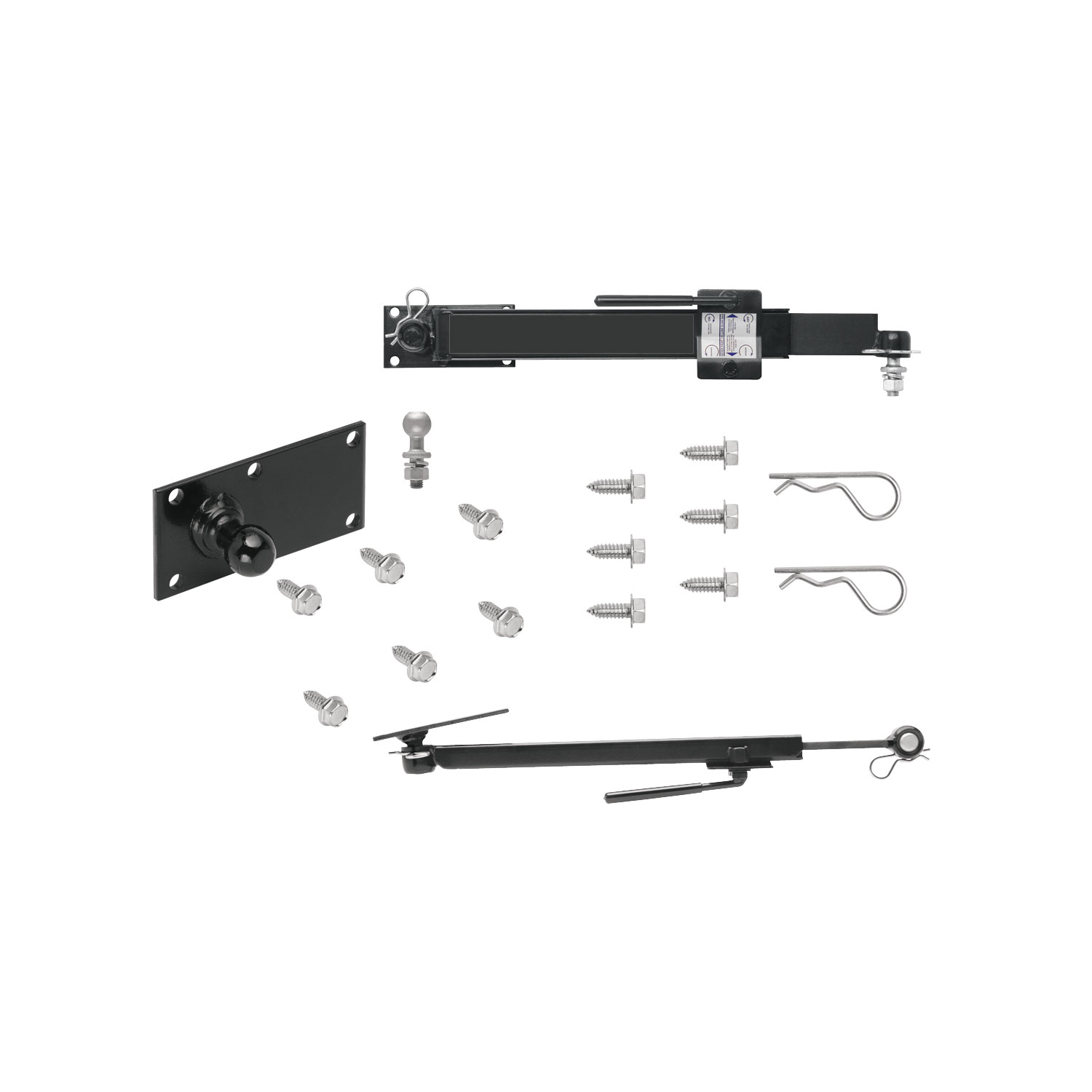
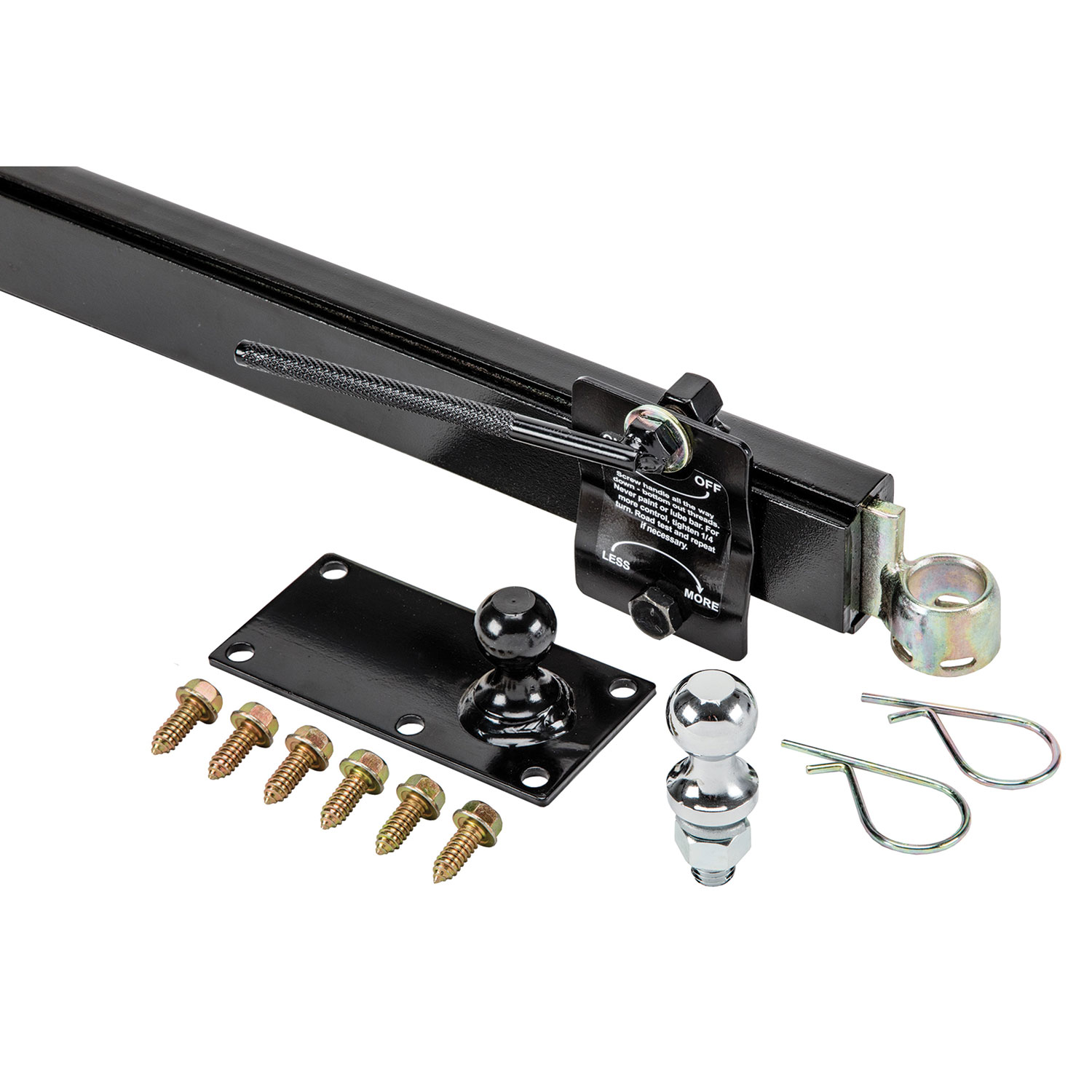
The kit includes: one ball assembly (with ball, hex nut 5/8-11, and lock washer), one fastener kit (six self-tapping screws 24-9 X 1 and two clips), one ball/plate assembly, one handle (on/off), one slide bar, one bolt (tension adjusting), one compression plate assembly, one hardened washer, and one main body assembly. The ball mounting bar is sold separately.
No. The ball mounting bar is sold separately and must be purchased in addition to the sway control kit.
You will need: a drill with 11/32" (.343) or 9/32" (.281) drill bits (depending on trailer tongue thickness), a center punch, a wrench or socket for the 5/8-11 hex nut, a torque wrench, grease, and a wire brush. If the ball mounting bar requires notching and welding, a qualified welding shop must perform that work.
Yes. You must drill four holes in the trailer tongue. Use an 11/32" (.343) drill bit if the trailer tongue material is 1/8" (.125) or thicker, or a 9/32" (.281) drill bit if the material is thinner. The holes are positioned 24" from the center of the hitch ball.
Only if necessary. The manual states that if necessary, the ball mounting bar (4) should be notched and welded into position. Any welding must be done by a qualified welding shop. Not all installations require welding.
The sway control ball (1a) must be torqued to 100 lb.-ft. using the hex nut (1b) and lock washer (1c).
Measure and mark a point on the trailer tongue 24" from the center of the hitch ball. Align the center of the ball of the ball/plate assembly with this mark.
1. Lubricate both balls with a small amount of grease. 2. Place the socket of the slide bar (6) over the ball (1) and secure with a clip (2b). 3. Loosen the handle (5) until the slide bar can be moved. 4. Extend the sway control assembly and place the socket over the ball on the trailer, securing with the other clip (2b). 5. Retighten the handle until it stops; the handle should be in its original level position.
Yes. For left-hand installation, remove the slide bar (6) and reinstall it upside down.
Release tension by turning the on/off handle (5) counterclockwise until all tension is removed when towing during slippery conditions such as wet, icy, or snow-covered roads or on loose gravel. Failure to do so could prevent the tow vehicle and trailer from turning properly.
Do not speed up; sway increases with speed. Do not continue to operate a swaying vehicle. Check trailer loading, sway control adjustment, and all other equipment until the cause of sway has been determined and corrected.
Tongue weight should be about 10-15 percent of gross trailer weight for most trailers. Too low a percentage of tongue weight can cause sway. Load the trailer heavier in front, with heavy items placed on the floor in front of the axle. The load should be balanced side-to-side and secured to prevent shifting.
Slowly back the vehicle into a jackknife position while someone watches. Do not allow the slide bar to contract completely (bottom out) or the bumper to contact the sway control. If contact will be made or the sway control will bottom out, the sway control must be removed before backing the trailer.
After about 1000 miles of towing, remove the slide bar from the sway control and clean the friction surfaces with a wire brush. Repeat this cleaning procedure about every 10,000 miles.
No. Never paint or lubricate the slide bar (6). However, you should lubricate the balls with a small amount of grease during hook-up.
Turn the adjusting bolt (7) in 1/4 turn increments in the direction shown on the label. Increase or decrease tension based on road tests with the loaded trailer. Trailer configurations, loading, road and weather conditions, towing speed, tire condition and pressure, and center of gravity all affect the adjustment needed.
For large trailers, it may be necessary to install a second sway control unit to achieve maximum control benefits.
1. Release tension by turning the on/off handle counterclockwise. 2. Remove both clips (2b). 3. Remove the sway control.
No. This product is not compatible with Class I hitches. It is designed for Class II or higher hitch classes.
No. Sway control cannot be used on trailers with surge brakes.
No. The ball mounting bar is sold separately and must be purchased in addition to the kit.
Yes. You must drill four holes using an 11/32" drill bit for tongue material 1/8" or thicker, or a 9/32" drill bit for thinner material, positioned 24" from the hitch ball center.
Torque the sway control ball to 100 lb.-ft. using the hex nut and lock washer.
After about 1000 miles of towing, remove the slide bar and clean friction surfaces with a wire brush. Repeat this cleaning about every 10,000 miles.
Tongue weight should be about 10-15 percent of gross trailer weight. Load the trailer heavier in front with heavy items on the floor in front of the axle.
This indicates potential damage during extremely sharp turning maneuvers. The sway control must be removed before backing the trailer. Check the installation position and ensure the sway control has adequate clearance during jackknife maneuvers.
Free Shipping
Ships free on all orders
 Authorized Dealer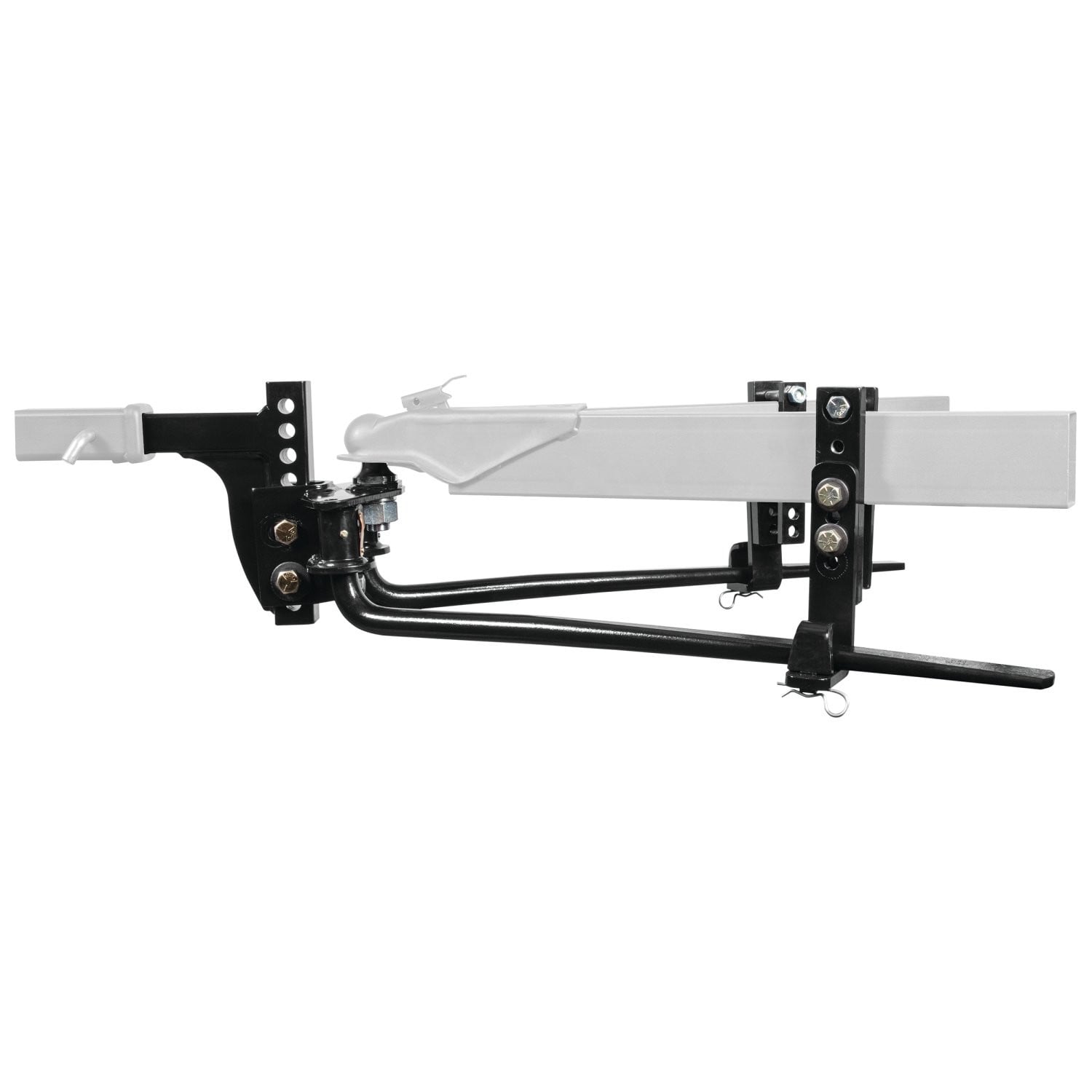

FREE ShippingFREE SHIPPING
Estimated delivery Tue, Oct 20 - Fri, Oct 23
Order before 2 PM EST Monday–Friday for same-day processing
Guaranteed safe & secure checkout
Sam
The staff was able to quickly assist me with locating the correct product I needed. Shipping was really fast. Item arrived in 2 days. Will be using TowUniverse again!!
May 22, 2023