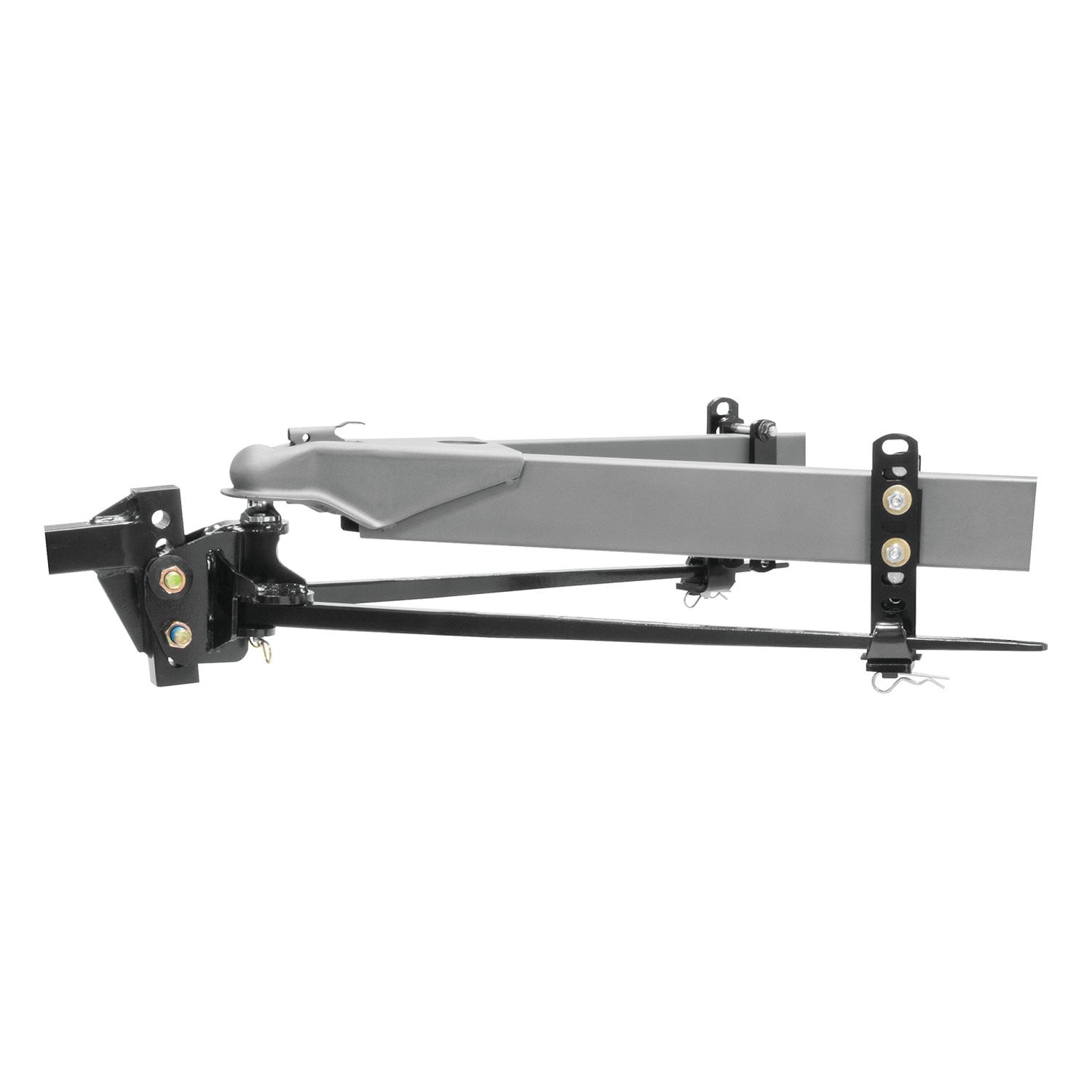
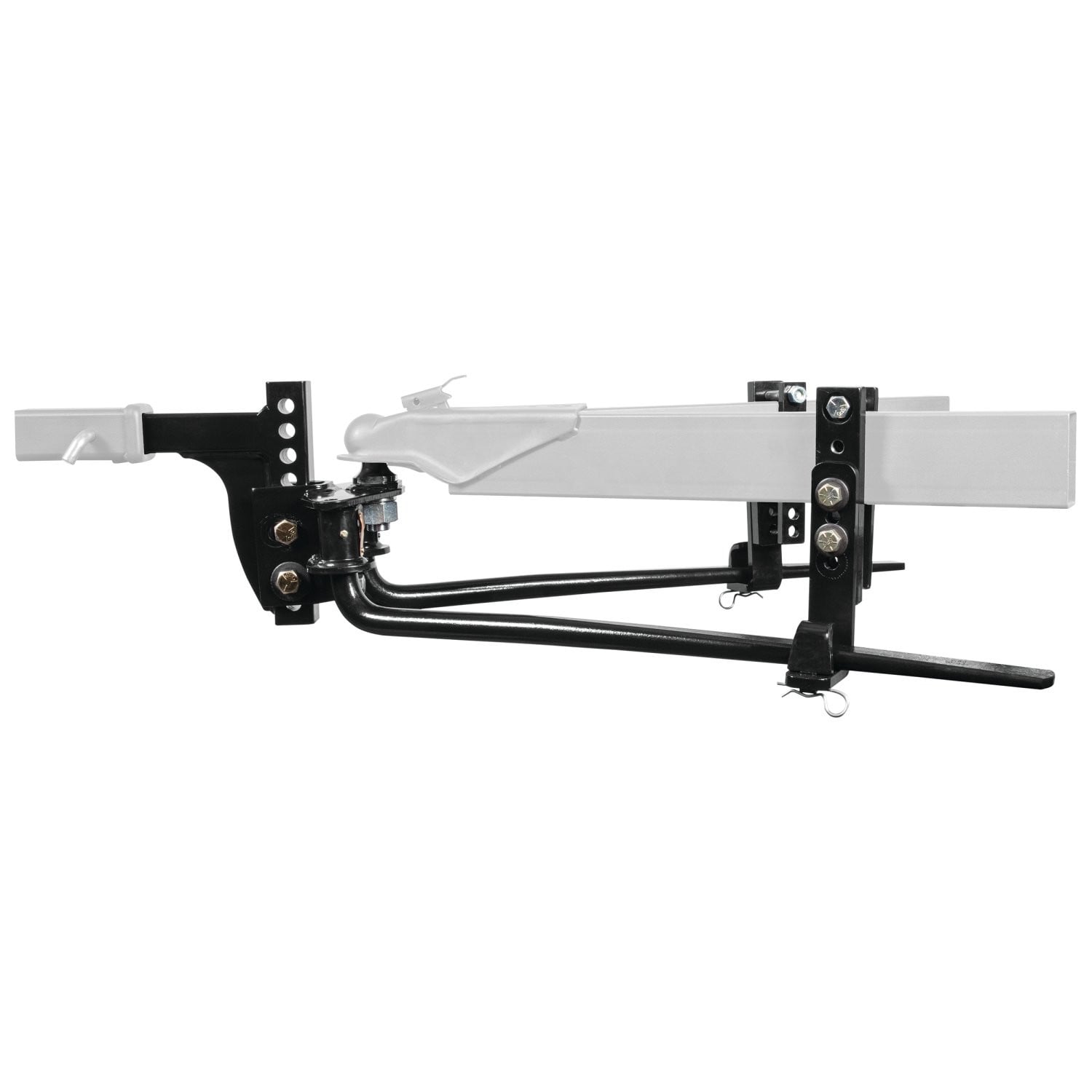
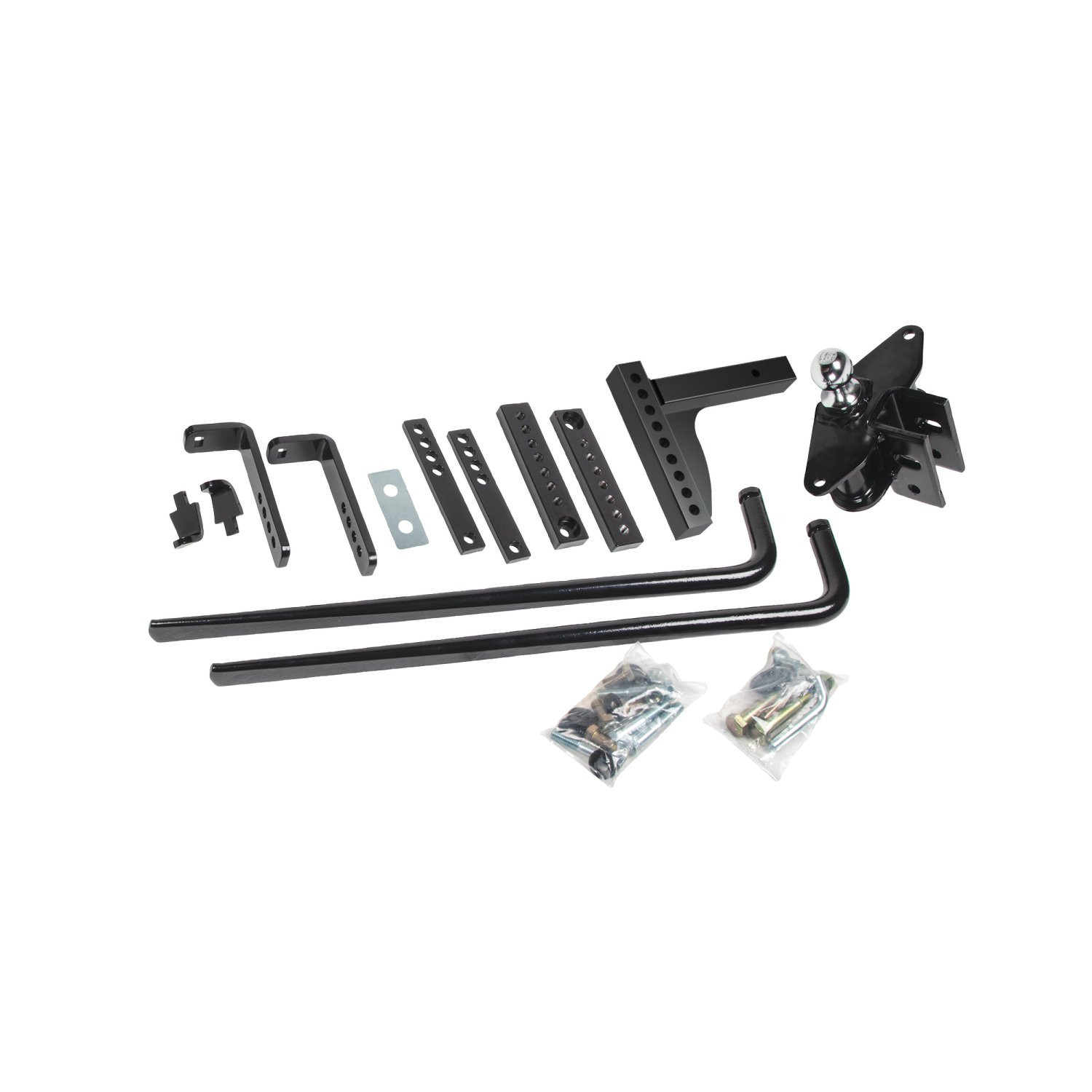
Reese Steadi-Flex Integrated Sway Control Weight Distribution Kit, 6,000 lbs. Capacity, Shank IncludedReeseOriginal price was $975.00. Current price is $809.68.In Stock
View productOur in-house experts typically reply within one business day.

Reese




Always the correct part
We know our products
Quality Products
Free Shipping!
Always the correct part
We know our products
Quality Products
Free Shipping!

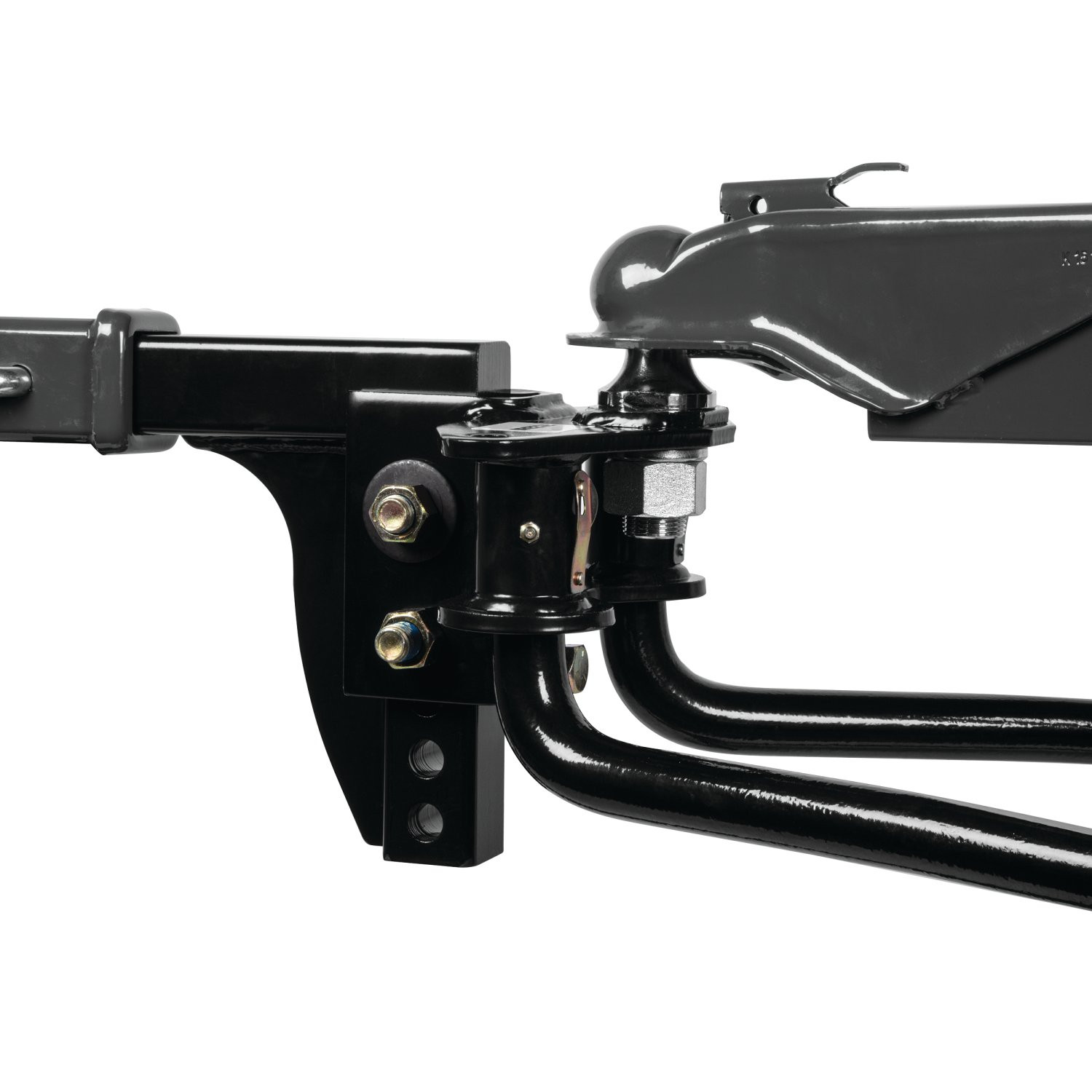
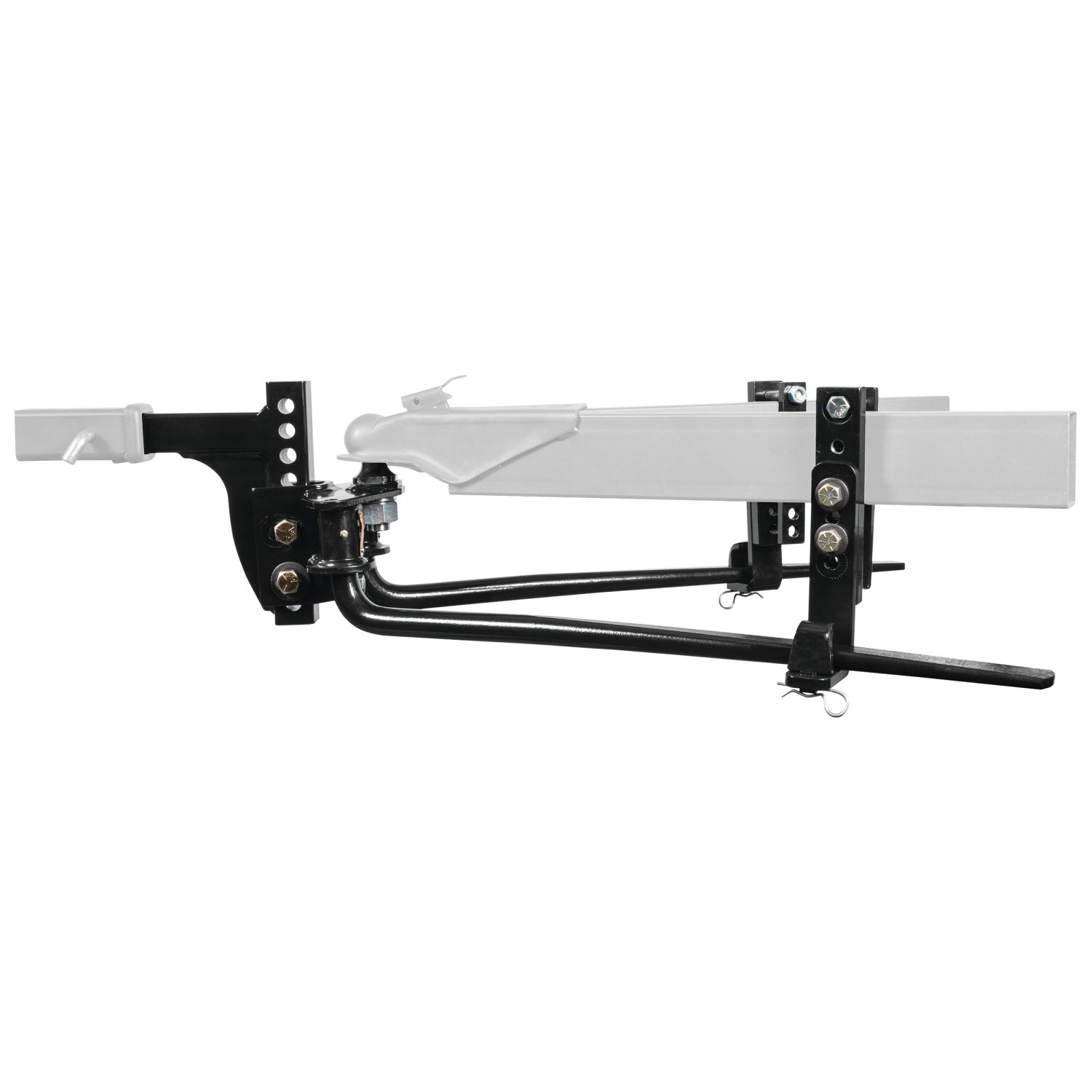
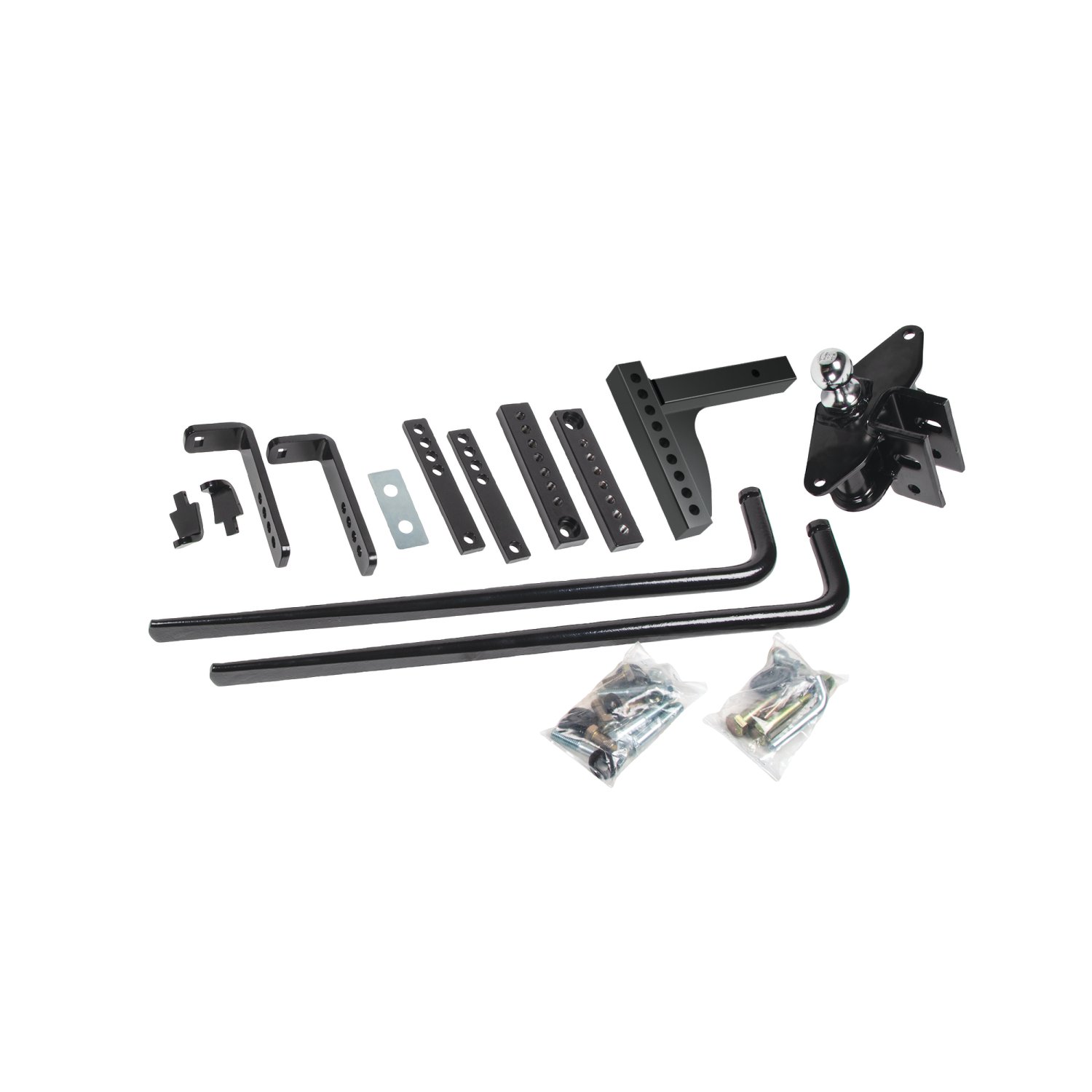
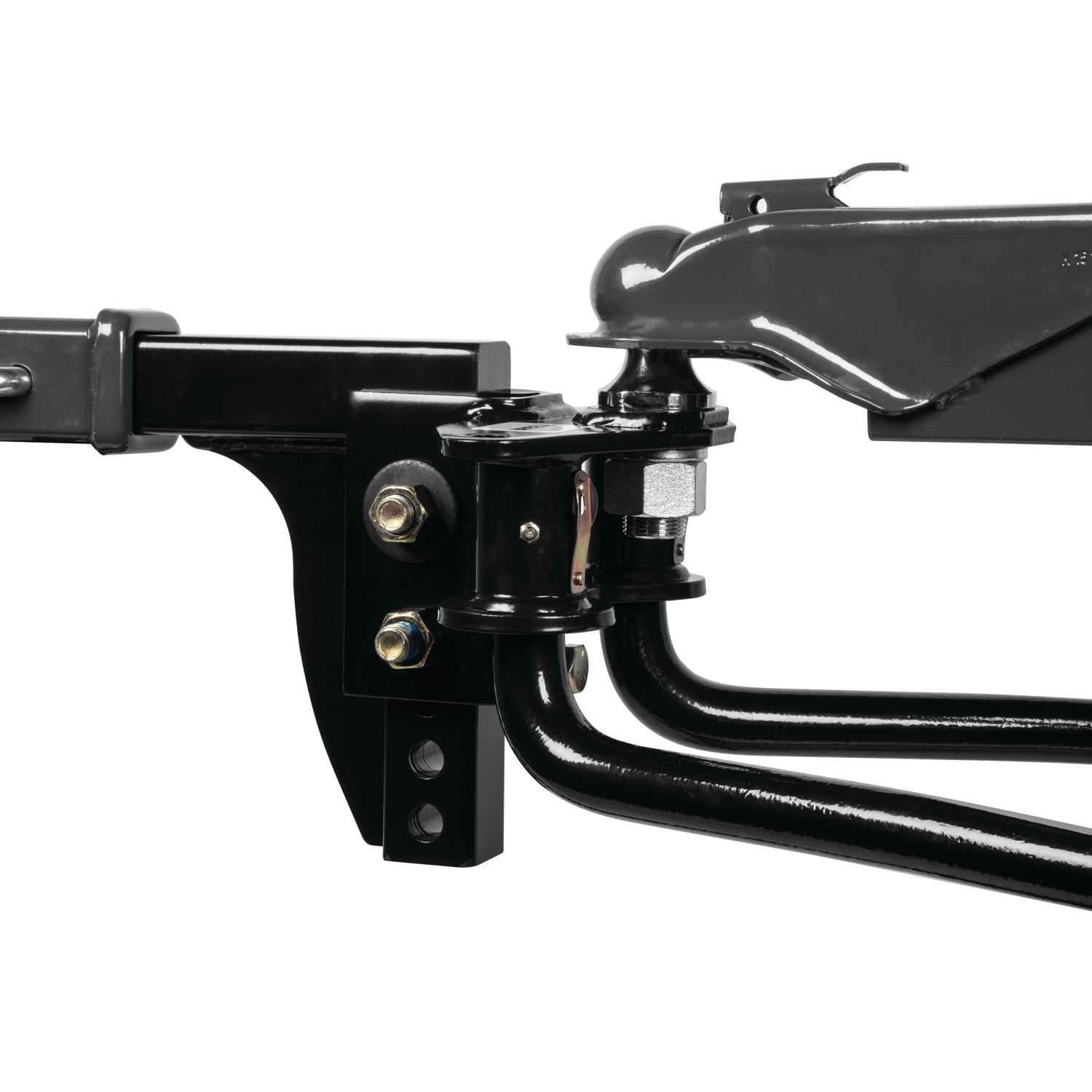
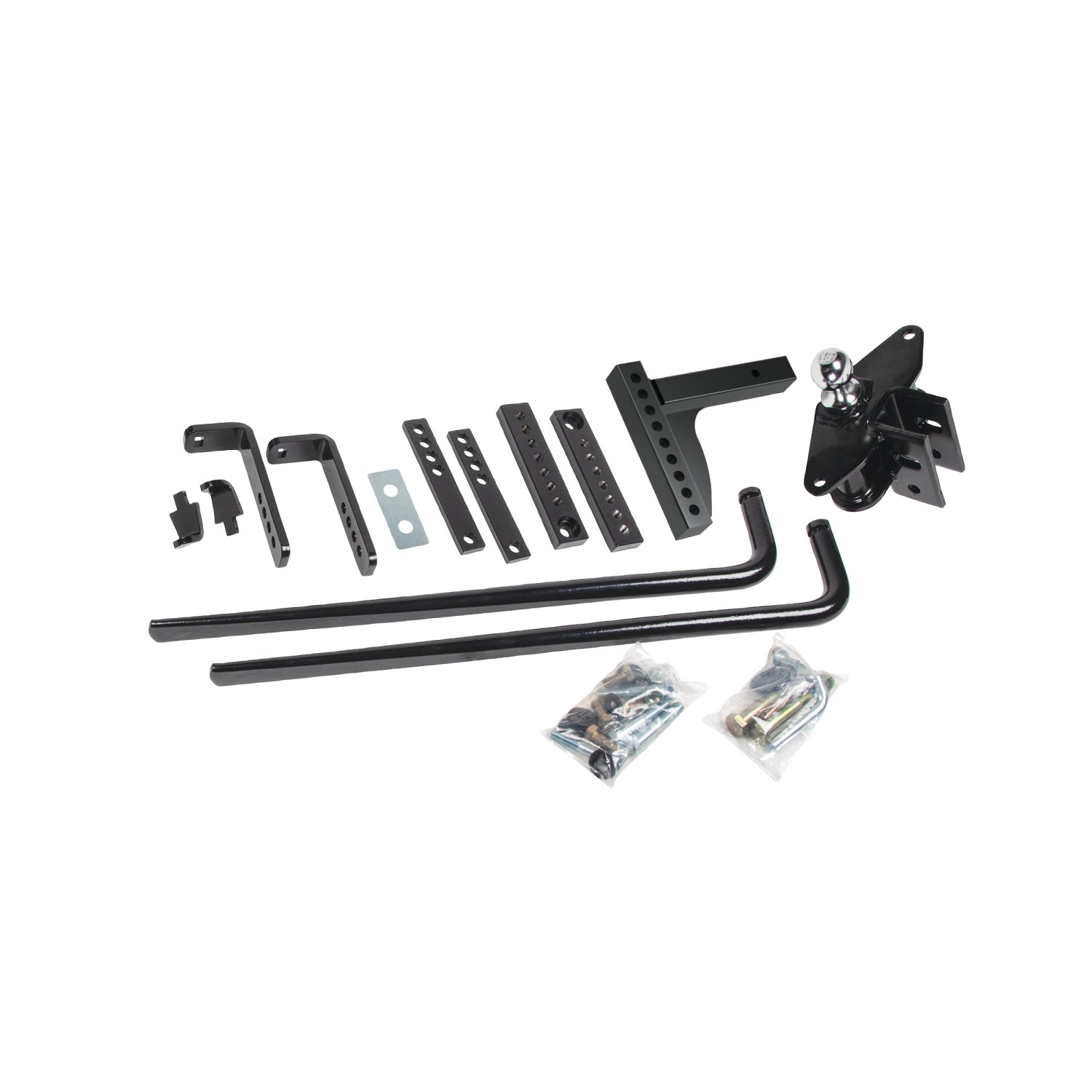
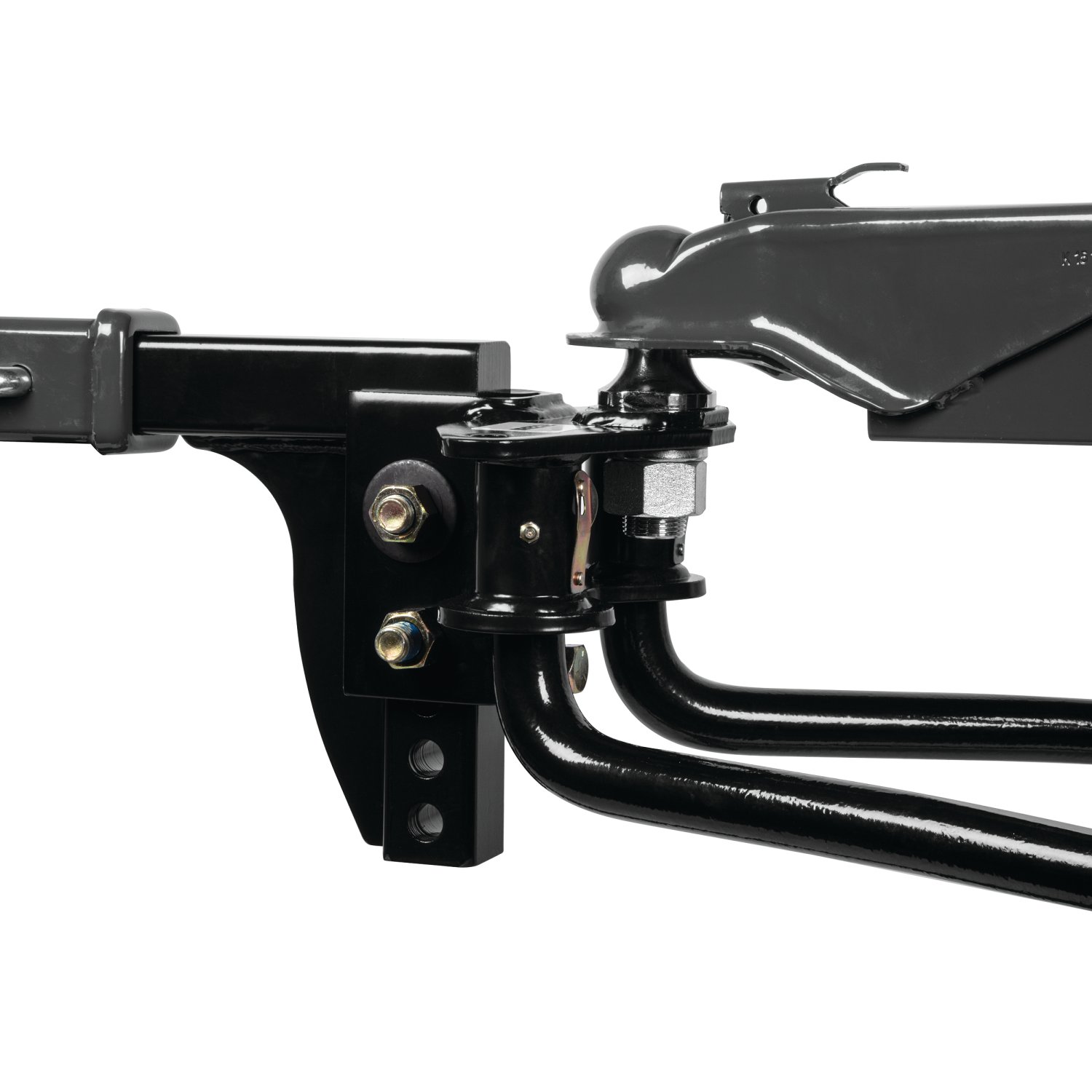
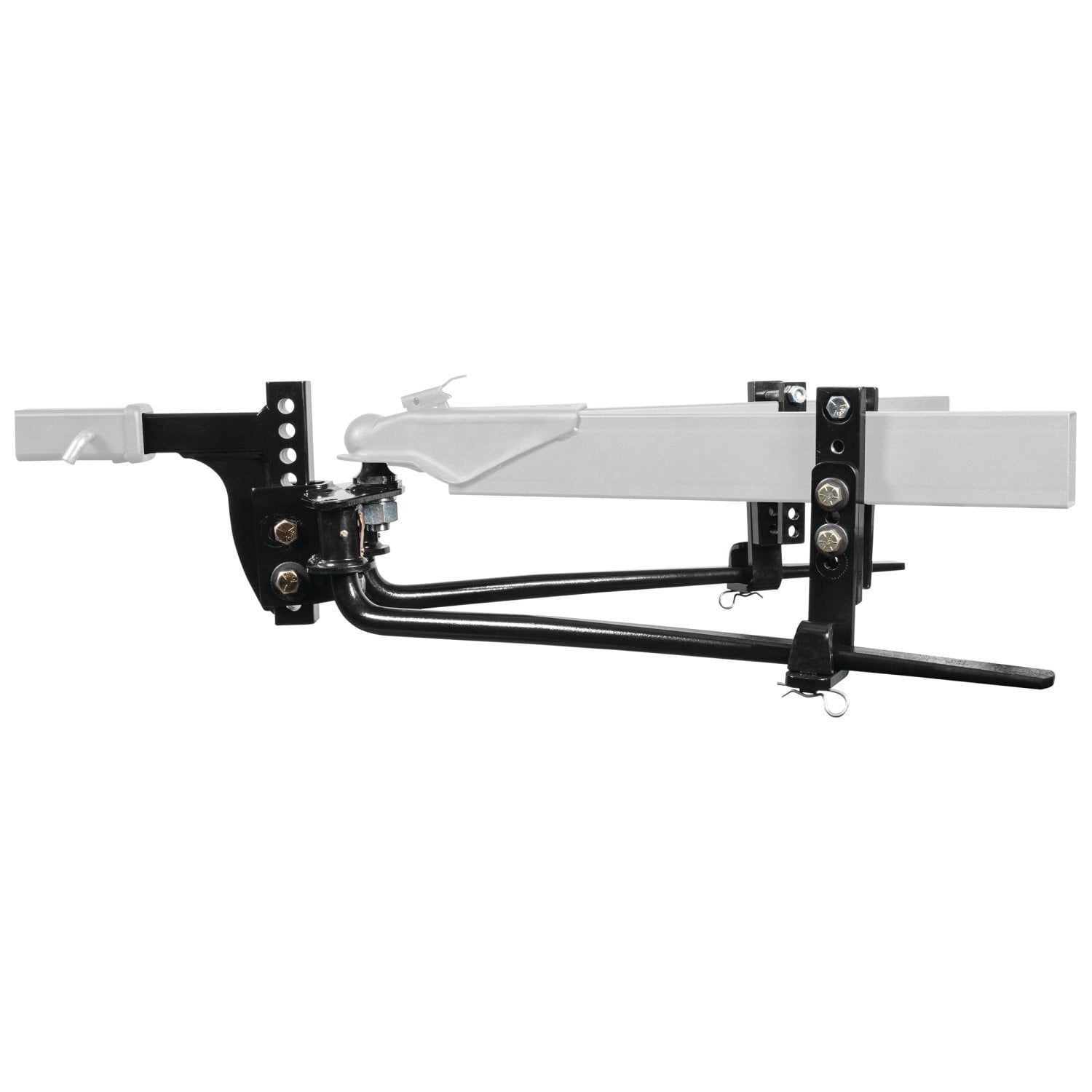
The REESE Pro Round Bar weight distribution system is engineered to provide more features and superior ride performance to other systems. Designed to evenly distribute weight and reduce trailer sway.
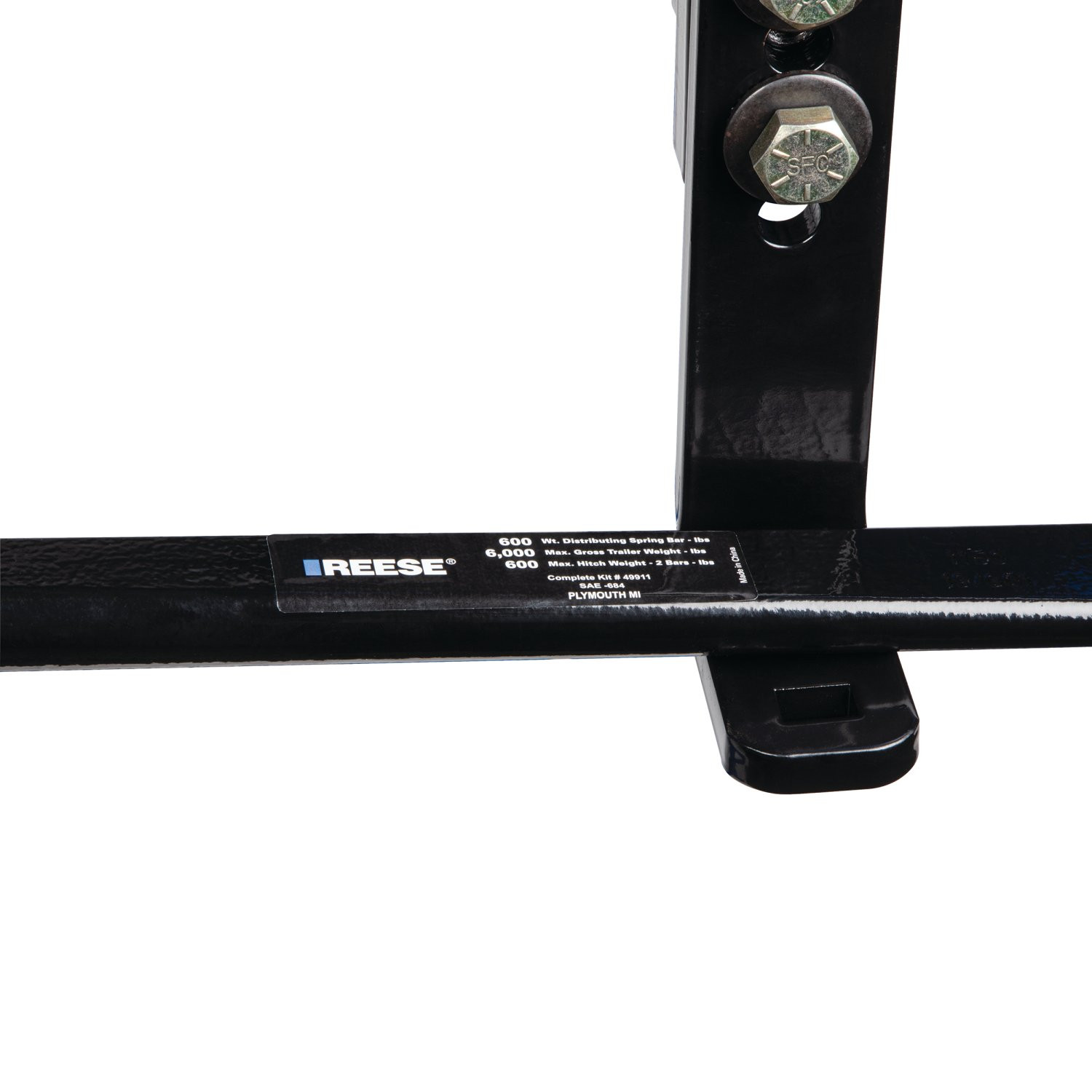
| BRAND: | REESE |
| PART NUMBER: | 49911 |
| WARRANTY: | LIMITED LIFETIME WARRANTY |
| WEIGHT: | 99 LBS |
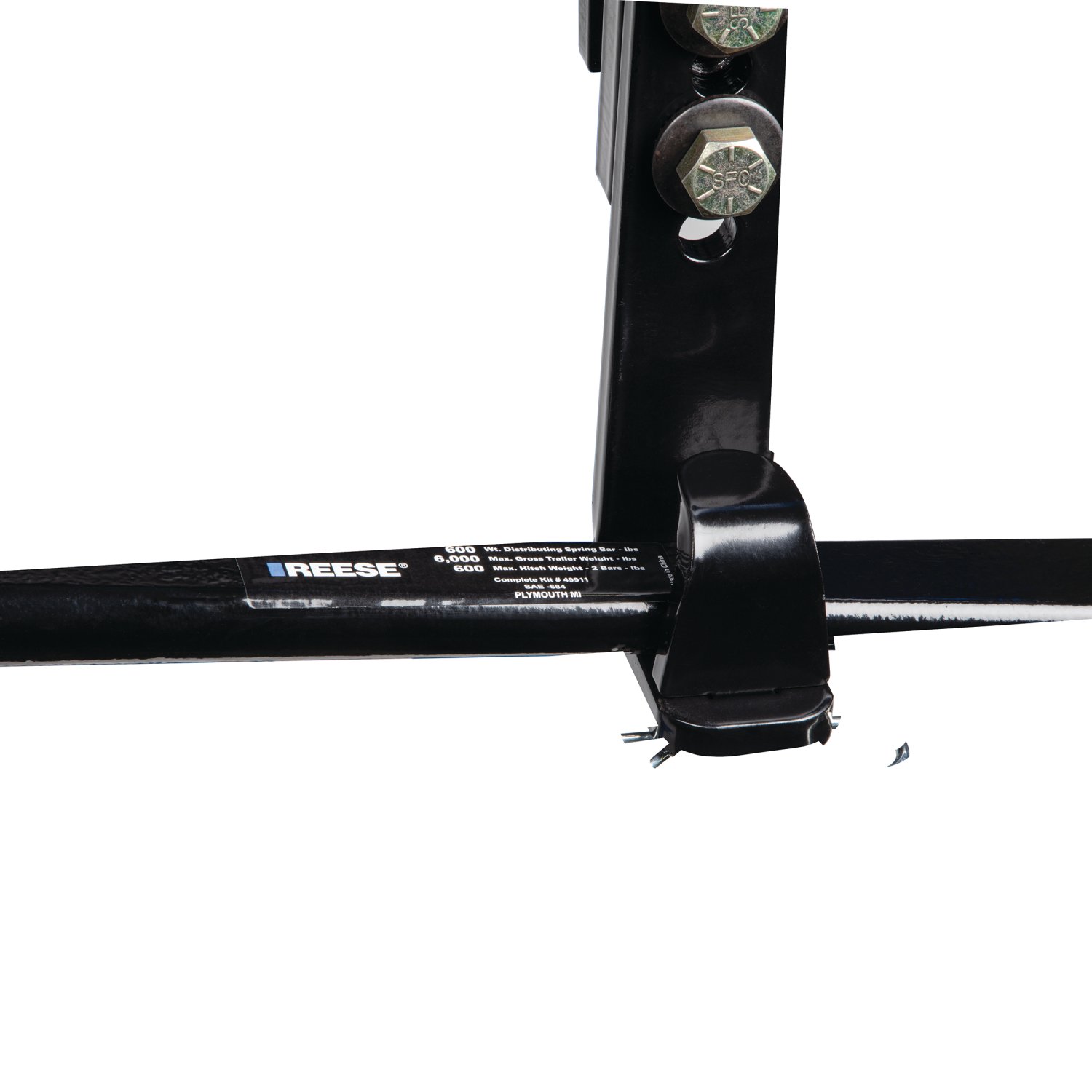
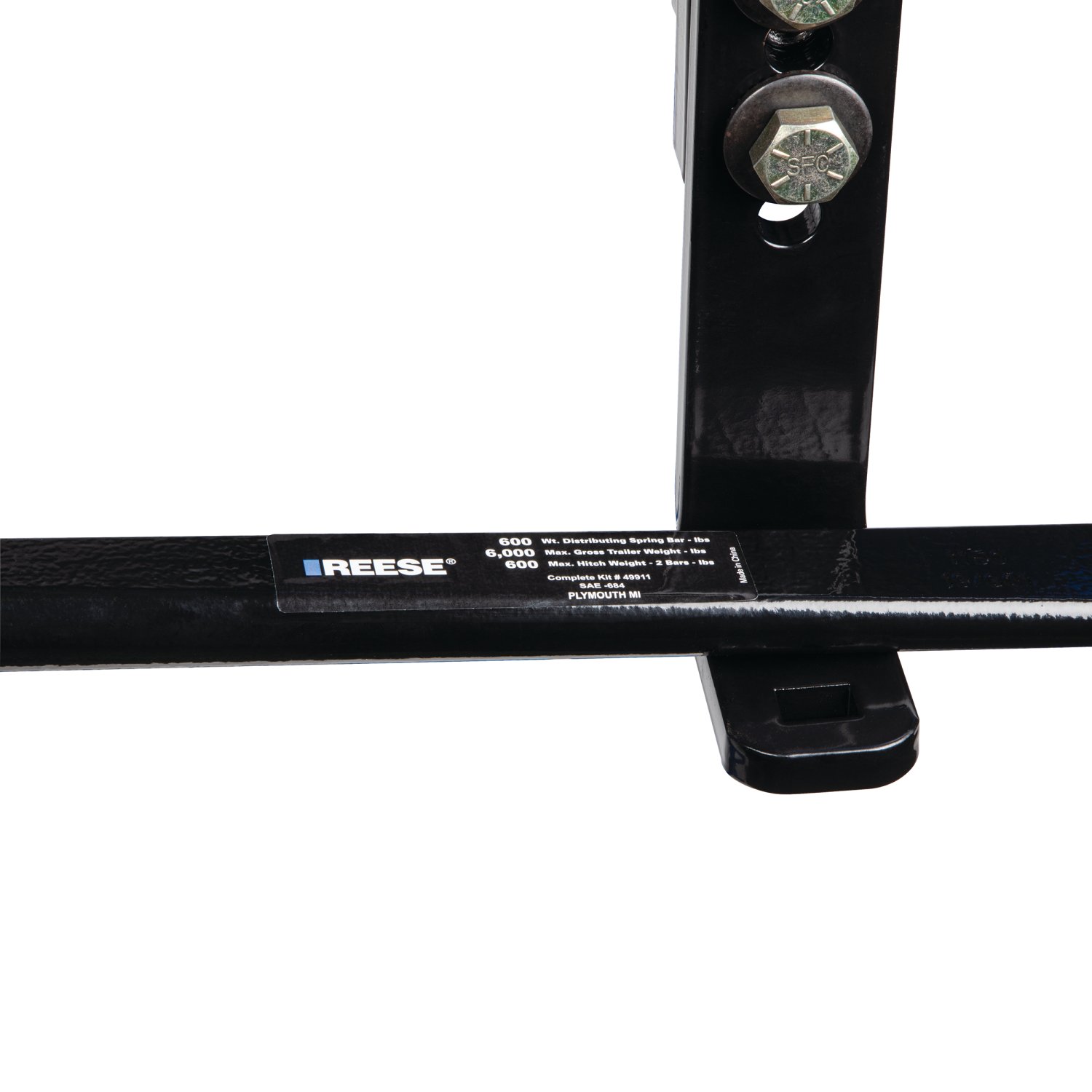
| CAPACITY: | 6,000 LBS. |
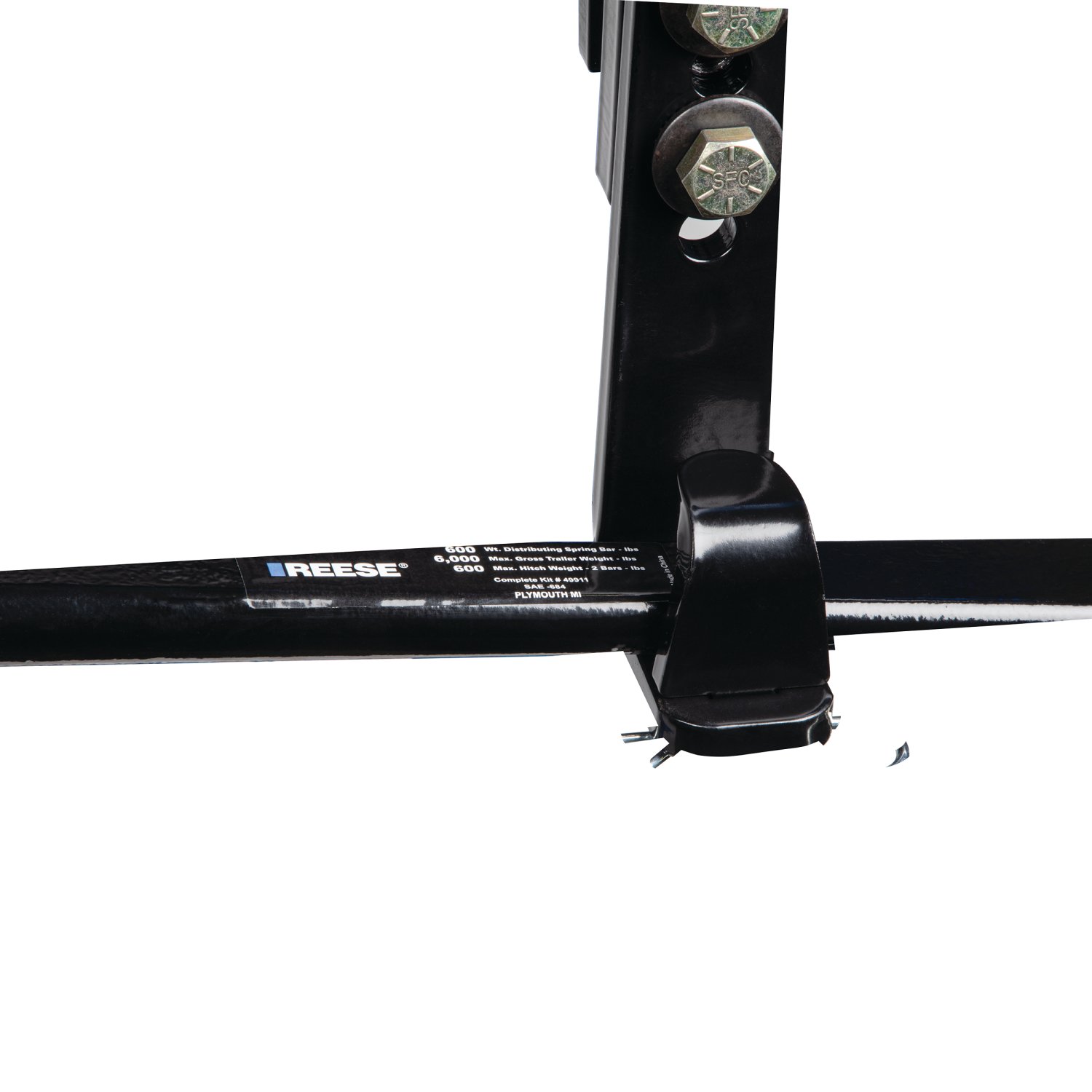
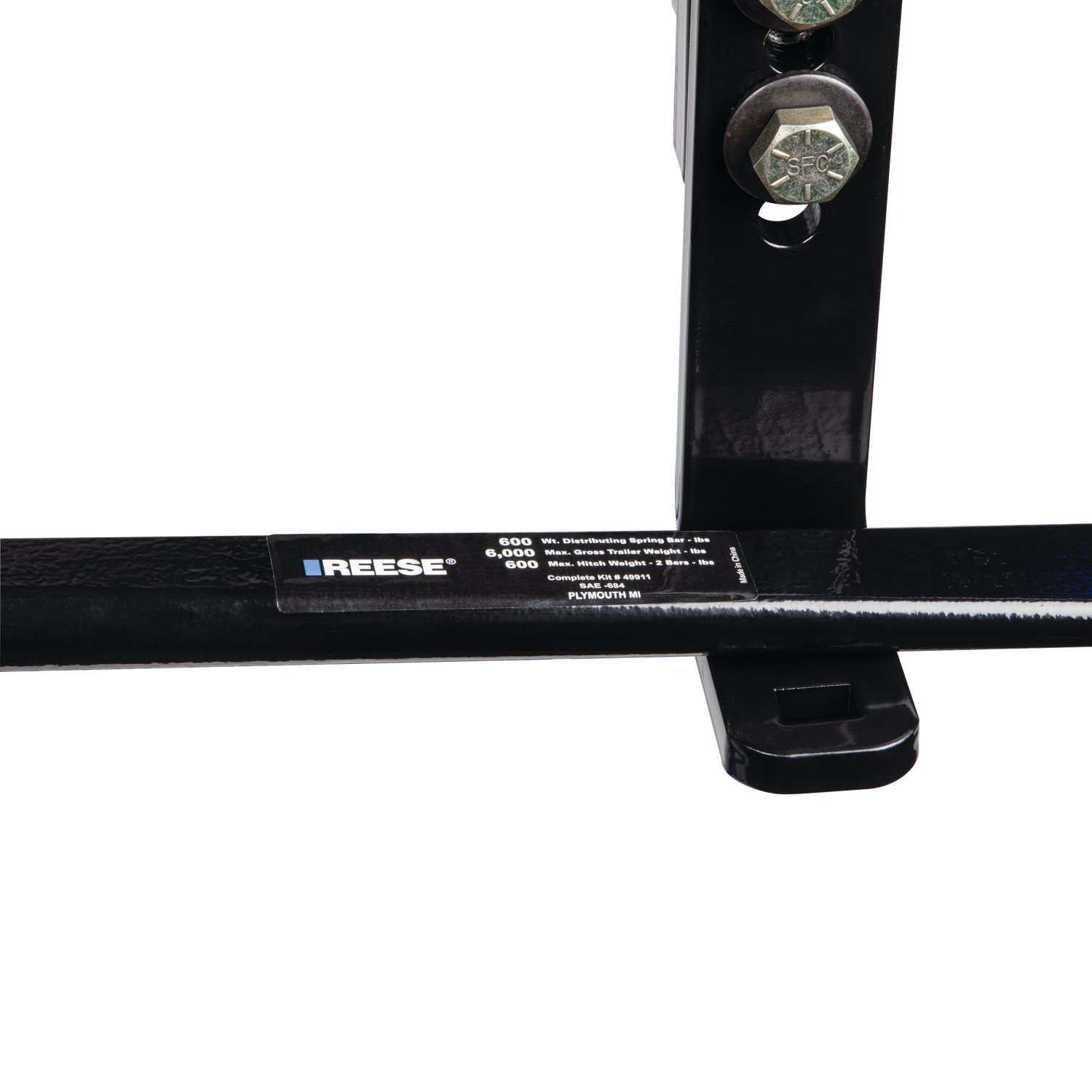
| GROSS TONGUE WEIGHT: | 600 LBS. |
| INCLUDES SWAY CONTROL: | YES |
| UNIVERSAL OR SPECIFIC FIT: | UNIVERSAL |
| BALL DIAMETER: | 2.313 IN. |
| LENGTH: | 35 IN. |
| SAFETY CHAINS INCLUDED: | NO |
| MATERIAL: | STEEL |
| MOUNTING HARDWARE INCLUDED: | YES |
| ADJUSTABLE ARMS: | YES |
| MOUNTING BRACKET POSITION: | 24.5 IN. TO 27.5 IN. |
| COLOR: | BLACK |
| BOLT GRADE: | Grade 5 & Grade 8 |

Reese has designed towing equipment since 1952 and remains a benchmark for heavy-duty towing. The line covers fifth wheel hitches such as the modular M5, gooseneck couplers including the Goose Box, air-ride and short-bed pin boxes, weight distribution systems with active sway control, and the accessories that connect them, all built to exceed published industry standards.
Reese has been pioneering towing performance since 1952, when Margaret Reese asked her husband TJ to stop travel trailers rocking every time somebody walked through them. His answer, the first pair of stabilising jacks, was simple and effective enough to change the RV industry. From that starting point Reese grew into a designer and manufacturer of complete towing systems, and today it anchors the heavy-duty end of the Horizon Global towing portfolio.
Fifth wheel towing is where the brand's engineering is most visible. The M5 fifth wheel hitch uses a modular design that breaks into manageable sections for assembly, with a wider stance, tighter tolerances and a shock absorption system aimed at the jolts that travel up through a truck bed. For owners who would rather tow from a gooseneck coupler and keep the bed clear, the Goose Box 20K replaces the trailer's king pin with a gooseneck connection carrying its own air-ride cushioning.
Pin boxes are a Reese speciality. The 5th Airborne uses air-ride technology to dampen road shock and reduce the chucking motion that makes fifth wheel towing tiring, while the Sidewinder was designed for short-bed pickups, pivoting the connection point so the trailer can turn sharply without the front cap meeting the cab.
For conventional towing, Reese weight distribution systems restore load to the tow vehicle's front axle and control sway. The Pro Round Bar distributes weight evenly while damping sway, and the Pro Dual Cam II uses active cam-based sway control that works harder the stronger the sway force becomes. Complete kits pair bars, head and shank to a rated tongue weight, and dedicated sway control kits can be added to existing setups. The products suit RV owners, horse and livestock haulers and anyone towing near the upper end of a vehicle's rating.
Experts available to answer your questions
Call 888-634-9494Lifetime
Installation: REESE® Pro Weight Distribution System
The Round Bar Pro is a weight distributing hitch system designed to distribute trailer tongue weight across the towing vehicle's frame, improving stability and handling. It uses spring bars that flex under load to level the vehicle and trailer combination. The system is available in three models (49911, 49912, 49913) with different weight capacities.
The Round Bar Pro works on trailer frames that are 1.5" to 2" wide and 4" to 7" tall, with either top or bottom mount couplers.
Some surge brakes will not work with weight distributing hitches. You must check your trailer and surge brake operating instructions for any special requirements regarding weight distributing hitches. Do not use sway control with surge brakes.
If your trailer has a straight tongue instead of an A-frame tongue, you will need to use a pole tongue adapter. This adapter attaches to the trailer tongue and provides a place to attach the snap-up brackets.
Model 49911: 6,000 lb max gross trailer weight (weight distributing), 5,000 lb (weight carrying ball mount), 600 lb max tongue weight. Model 49912: 8,000 lb max gross trailer weight (weight distributing), 5,000 lb (weight carrying ball mount), 800 lb max tongue weight. Model 49913: 11,500 lb max gross trailer weight (weight distributing), 5,000 lb (weight carrying ball mount), 1,150 lb max tongue weight.
Weigh your loaded trailer tongue to determine the proper system size. Choose a system with a tongue rating at or above the actual trailer tongue weight. The tongue rating of the hitch must meet or exceed the measured tongue weight of your trailer. Total trailer gross weight rating must never exceed your towing vehicle's rated gross tow rating.
You will need wrenches in sizes 7/8", 3/4", and 1-1/8", and a torque wrench capable of reading 260 ft.-lbs.
Line up your towing vehicle and trailer on level pavement in a straight-ahead position, uncoupled. Level the trailer and measure the distance from the ground to the top of the coupler. Record this measurement—it is used to determine the correct ball height. Ensure both the vehicle and trailer are loaded as they will be when towing before final leveling.
Apply grease to the ball mount ends of the spring bars. The spring bars can be inserted into either side of the ball mount (there is no 'right' or 'left' bar). To insert and lock a spring bar in the socket, hold the bar under the socket and push up. The spring bar will automatically be locked into position by the spring bar locking device. Check that the bar is locked by moving it up and down at the frame bracket end.
To remove spring bars, swing the bar around under the bumper and it will drop free.
The ball height should be approximately 3/4" to 1" greater than the coupler height (measured in the initial setup step) to compensate for vehicle squat. For vehicles with air springs, air shocks, or an automatic leveling system, check your vehicle owner's manual. Unless otherwise specified, adjust the ball mount and do the trailer setup with the trailer and vehicle loaded as they will be when towing.
Yes. The hitch bar may be used in either the up or down position. Some installations may require a longer hitch bar if extended bumper guards, pickup truck caps, or rear-mounted spare tires limit turn angles. Individual hitch bars are available in various sizes.
Tighten both the 3/4" top bolt and the 3/4" bottom bolt to 260 ft.-lbs. torque. Tighten the top bolt once the head angle is set, then secure the lower bolt to 260 ft.-lbs. torque.
Torque both bolts on the frame brackets to 130 ft.-lbs. Position the inner and outer frame brackets 27.5" from the center of the trailer coupler.
Torque the bolts securing the L-bracket to the outer frame bracket to 80 ft.-lbs. The bolts should be spaced with either 1 or 2 open holes between them; do not place both bolts directly next to each other.
A rivet and 7 spacer washers are supplied to gain the correct downward angle of the spring bars. For an initial fitment, try 4 spacer washers for top-mounted couplers and 3 spacer washers for bottom-mounted couplers. Each washer lowers the bracket end of the spring bar approximately 1.5". Insert the rivet and use the least amount of washers necessary to establish the correct angle. Adjust the ball mount height on the hitch bar if necessary when adjusting the number of spacer washers.
After retracting the jack, re-measure the front wheel well reference point. The front wheel well height should be equal to or lower than the original measurement. If the front wheel well height is higher than originally measured, increase the load on the spring bars by raising the L-bracket position or adding spacer washers. If the front wheel well is lower than originally measured, reduce the load by lowering the L-bracket position or removing spacer washers, then recheck. If the original height is not achievable, it is preferred that the wheel well height be lower after the spring bars are loaded.
Extend the trailer jack until the spring bar ends are above the L-brackets. Adding a 6" x 6" block or support under the jack will make extension and raising the trailer faster and protect the jack from being extended to maximum travel. The higher you raise the trailer, the easier it is to install or remove spring bars. Swing the spring bars onto the L-brackets as close to the trailer frame as possible. Secure the spring bars by dropping in the covers, then secure the covers using the pins as shown in the manual.
It is recommended that you use the trailer jack to raise and lower the trailer for application and removal of spring bars. The lifting handle included can be used to pry spring bars onto the L-brackets or off again if there is an issue. Caution should be used so the spring bars do not hit people or property. Stand clear of the lift bar and spring bars. Do not use the lifting handle for any other purpose.
Use heavy lubrication such as fiber-type wheel bearing grease on the hitch ball and on the spring bars. Lubrication is recommended every day. Keep the hitch painted to prevent rust and check the tightness of bolts regularly. Clean out old grease and do not let it harden inside the ball mount. Keep the sockets in the head assembly free of dirt and well lubricated. Keep the head assembly exterior clean, especially the spring bar sockets. Do not allow dirt or stones to lodge between the spring bar and head.
At the beginning of every towing day: (1) Clean the ball and coupler socket and coat the ball lightly with grease. (2) Check spring bar brackets and spring bars for wear. (3) Check that all bolts are properly tightened and the hitch pin and clip are securely in place. (4) Check that electrical hookups are in working order and that safety chains are connected.
After the first day of towing, check the ball mount set screw for tightness.
Loaded ball height should not be greater than uncoupled ball height. Front wheel overload and loss of rear wheel traction can result, leading to unstable handling, reduced braking ability, and a tendency to 'jackknife' when turning and braking at the same time. If loaded ball height is greater than uncoupled height, reduce take-up on the spring bars and re-measure until proper height is obtained.
No. Do not attempt to tow any type of trailer behind another trailer. Towing multiple trailers may cause severe instability, loss of control and/or structural failure, and may result in vehicle accident, property damage and personal injury. Towing multiple trailers is illegal in many jurisdictions.
No. Do not attempt to hook up or tow with the rear wheels of a front-wheel-drive towing vehicle removed. Severe structural damage to the towing vehicle, hitch, and trailer may result. A towing vehicle/trailer combination cannot be controlled adequately unless the towing vehicle's rear wheels are carrying their share of the load.
No. Trailers should not be occupied while being towed, under any circumstances.
Always hook up trailer lights, turn signals, electric brakes, and break-away switch connection (if equipped) even for short trips.
Yes. Remove the hitch from the towing vehicle receiver when not towing to prevent contamination of head sockets, reduce the chance of striking the hitch on driveway ramps or other objects, and minimize damage in the event of a rear-end collision.
If any part of your towing system bottoms out, or if you suspect damage may have occurred in any other way, pull over and make a thorough inspection. Correct any problems before resuming travel.
Tongue weight should be about 10–15 percent of the gross trailer weight for most trailers. Too low a percentage of tongue weight will often produce a tendency to sway. Excess weight on the tongue can also lead to sway and damage the hitch and/or towing vehicle.
A sway control system can help minimize the effects of sudden maneuvers, wind gusts, and buffeting caused by other vehicles. Use of a sway control is recommended for trailers with large surface areas, such as travel trailers. An optional Reese friction sway bar #83660 can be added to the Round Bar Pro. However, do not use sway control with surge brakes.
Unless specified otherwise by the towing vehicle or trailer manufacturer, tires should be inflated to their maximum recommended pressure.
Some truck and trailer combinations can be prone to sway, such as short wheelbase tow vehicles towing long trailers. Ensure your vehicle tow ratings meet or exceed the trailer GVWR. Ensure proper trailer loading to maintain 10% to 15% tongue weight. Upgrade tow vehicle tires to heavier load ratings. When additional sway control may be required, an optional Reese friction sway bar #83660 can be added to the Round Bar Pro.
The Round Bar Pro fits trailer frames 1.5" to 2" wide and 4" to 7" tall with top or bottom mount couplers. Verify your trailer frame dimensions match these specifications.
You need wrenches (7/8", 3/4", 1-1/8") and a torque wrench capable of reading 260 ft.-lbs. A trailer jack is also required for spring bar installation and removal.
The manual does not mention battery disconnection. The Round Bar Pro is a mechanical hitch system with no electrical components requiring battery disconnection.
The manual does not specify drilling requirements for the towing vehicle. Frame bracket installation on the trailer uses existing holes or requires drilling into the trailer frame, but this is not detailed in the manual provided.
Ball mount bolts: 260 ft.-lbs. Frame bracket bolts: 130 ft.-lbs. L-bracket bolts: 80 ft.-lbs. Use a torque wrench capable of reading 260 ft.-lbs.
Loaded ball height must not exceed uncoupled ball height. This prevents front wheel overload and loss of rear wheel traction, which can cause unstable handling and jackknifing.
Lubrication is recommended every day. Use heavy fiber-type wheel bearing grease on the hitch ball and spring bars. Clean out old grease regularly and do not let it harden inside the ball mount.
Clean and grease the ball, check spring bars and brackets for wear, verify all bolts are tight, and confirm the hitch pin and clip are secure. Also check that electrical hookups and safety chains are connected.
If the front wheel well height is higher than the original measurement after loading the spring bars, increase the load on the spring bars. Do this by either raising the L-bracket position or adding spacer washers. Then re-measure the front wheel well to verify the height is now equal to or lower than the original measurement.
If the front wheel well height is lower than the original measurement after loading the spring bars, reduce the load on the spring bars. Do this by either lowering the L-bracket position or removing spacer washers. Then re-measure the front wheel well. If the original height is not achievable, it is preferred that the wheel well height be lower after the spring bars are loaded.
To lock the spring bar in the socket, hold the bar under the socket and push up firmly. The spring bar will automatically be locked into position by the spring bar locking device. Check that the bar is locked by moving it up and down at the frame bracket end. If it moves freely, it is not properly locked and must be reseated.
Excessive wear in the ball mount sockets may indicate overload or inadequate lubrication. Keep the sockets in the head assembly free of dirt and well lubricated. If wear is severe, the system may be overloaded and you should verify that your trailer weight does not exceed the hitch rating.
Keep the head assembly exterior clean, especially the spring bar sockets. Do not allow dirt or stones to lodge between the spring bar and head. If debris is present, remove it immediately to prevent damage to the locking mechanism and ensure proper spring bar operation.
On Sale Today
Original price was $441.25. Current price is $388.35.You save $52.90 (12%)
Free Shipping
Ships free on all orders
 Authorized Dealer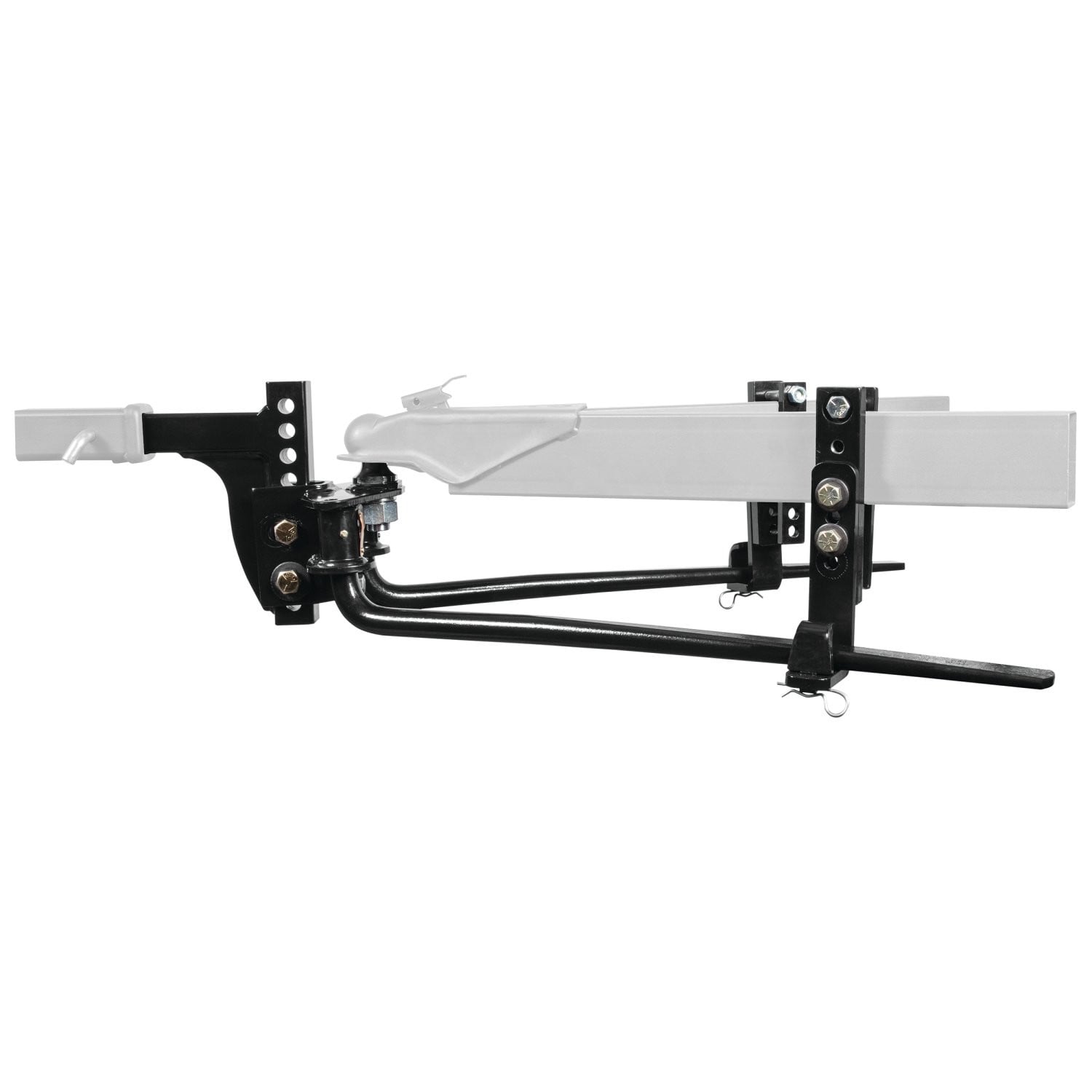


FREE ShippingFREE SHIPPING
Estimated delivery Thu, Sep 17 - Sun, Sep 20
Order before 2 PM EST Monday–Friday for same-day processing
Guaranteed safe & secure checkout
Sam
The staff was able to quickly assist me with locating the correct product I needed. Shipping was really fast. Item arrived in 2 days. Will be using TowUniverse again!!
May 22, 2023