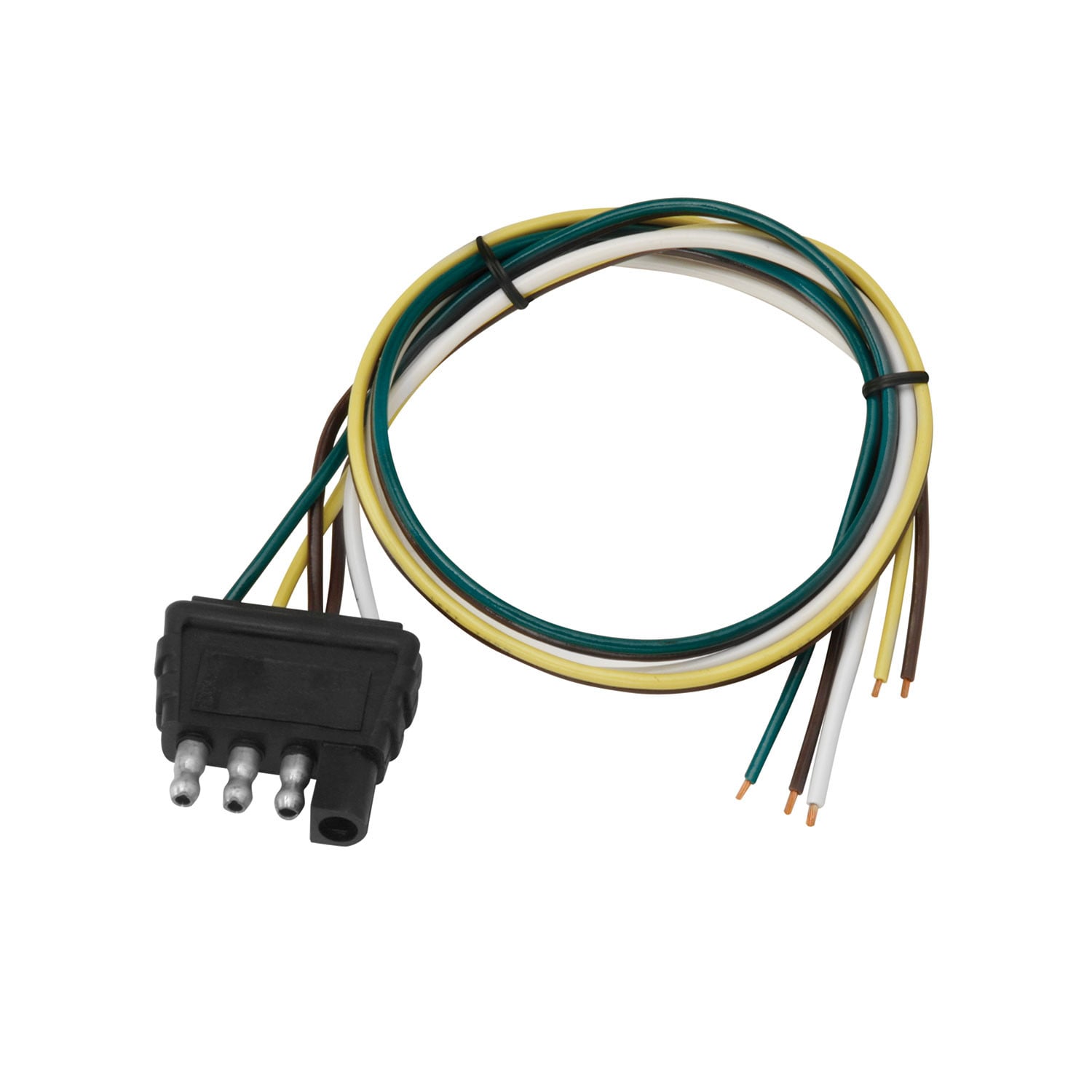
CURT Dual-Output Electrical Adapter (Adds 7-Way RV Blade to 4-Way Flat) Trailer Wiring Adapter ConnectorCURTOriginal price was $54.95. Current price is $47.99.In Stock
View productOur in-house experts typically reply within one business day.

Tekonsha
Verify Fitment
Select your vehicle to confirm this part fits.
2019 - 2025 Subaru Ascent
Confirmed to Fit





Always the correct part
We know our products
Quality Products
Free Shipping!
Always the correct part
We know our products
Quality Products
Free Shipping!
On Sale Today
Original price was $176.25. Current price is $138.20.You save $38.05 (22%)
Free Shipping
Ships free on all orders
 Authorized Dealer

FREE ShippingFREE SHIPPING
Estimated delivery Wed, Sep 16 - Sat, Sep 19
Order before 2 PM EST Monday–Friday for same-day processing
Guaranteed safe & secure checkout

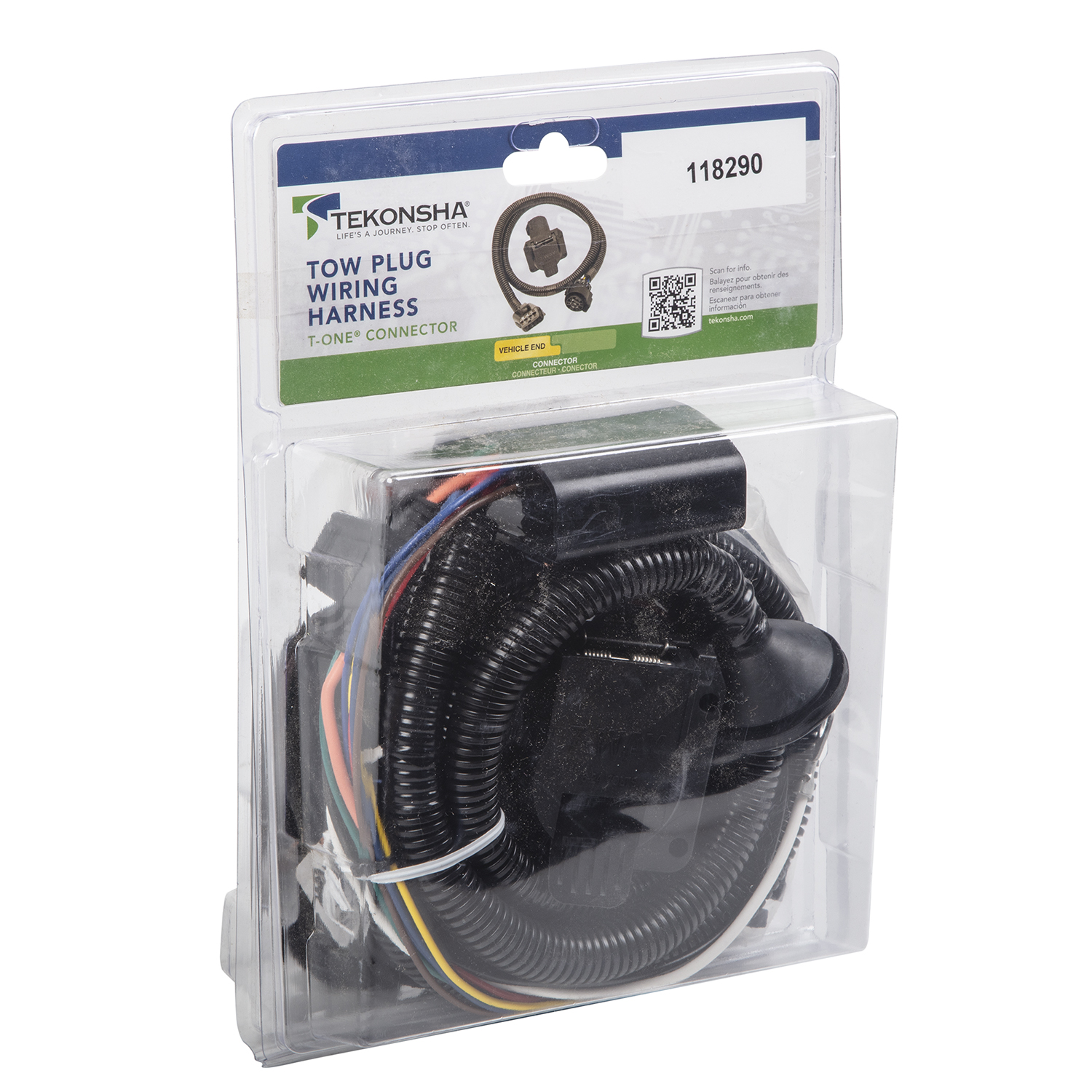
Tekonsha Tow Harnesses are the replacement for your factory electrical connector to the back of your vehicle. These harnesses are used to link the wiring from your vehicle to the trailer when towing. Tekonsha Tow Harnesses feature custom designs to fit each vehicle make and model based on manufacturer specifications. Plus, the Plug & Play connectors on the end of the wires make it easy to install. No cutting or splicing!
Tekonsha offers the largest, most complete line of Replacement Tow Harnesses. Hit the road with the peace of mind only Tekonsha can provide. Life's a Journey. Stop Often.
| BRAND: | TEKONSHA |
| PART NUMBER: | 118290 |
| WARRANTY: | LIMITED 1 YEAR WARRANTY |
| WEIGHT: | 1.5 LBS |
| UNIVERSAL OR SPECIFIC FIT: | SPECIFIC |
| CIRCUIT PROTECTED: | YES |
| HARNESS TYPE: | MALE FEMALE |
| TERMINAL QUANTITY: | 7 |
| WIRE COLORS: | BROWN, GREEN, YELLOW, WHITE |
| WIRE QUANTITY: | 7 |
| WIRE GAUGE: | 18 AWG, .85 AVSS |
| POWER LEAD REQUIRED: | YES |
| ELECTRICAL SYSTEM TYPE: | 3-WIRE SYSTEM |
| HARDWARE INCLUDED: | YES |
| AMPERAGE: | 30 A |

Tekonsha is a leading manufacturer of electronic trailer brake controllers, pioneering the category in the 1970s. The lineup spans proportional units such as the Prodigy P3 and Prodigy iD, time-delayed controllers, the wireless Prodigy RF, plus vehicle-specific wiring harnesses, adapters and trailer brake components engineered for smooth, predictable stopping at any speed.
Tekonsha Engineering Company began in 1964 building RV steps and mirrors. Within a few years it had found its real calling, and by the 1970s Tekonsha was pioneering the manufacture of electronic trailer brake controllers, the product category that still defines the brand. More than half a century later it remains the reference name in trailer braking and is part of the Horizon Global group alongside Reese, Draw-Tite, Fulton, Bulldog and Wesbar.
A brake controller is the component that tells a trailer's electric brakes how hard to work and when, and getting that right is the difference between a controlled stop and a shove from behind. Tekonsha builds both major types. Proportional controllers use an internal accelerometer to sense how quickly the tow vehicle is slowing and apply trailer braking to match, so light braking stays light and hard braking is immediate. Time-delayed controllers ramp to a preset output over a fixed interval, a simpler and more economical approach that suits occasional towing.
The current brake controller range covers most of that ground. The Prodigy iD pairs with a phone through Tekonsha's EDGE technology for setup and monitoring, the P3 offers storable settings for multiple trailers and a trilingual colour LED display, the Prodigy P2 adds a dimmable display and boost mode for heavier loads, and the Voyager keeps operation simple and dependable. The Prodigy RF mounts to the trailer itself and controls wirelessly, which suits rental fleets and drivers who swap tow vehicles.
Installation is supported by vehicle-specific brake control harnesses that plug into a factory connector rather than requiring cut-and-splice wiring, along with mounting brackets and adapters. Matched controller bundles pair a unit with the correct harness. Products are tested to meet and often exceed published industry standards.
Experts available to answer your questions
Call 888-634-94941 Year
1 compatible vehicles
| Year | Make & Model | Notes |
|---|---|---|
| 2019 - 2025 | Subaru Ascent | Tow Harness Wiring Package Drilling Required Install Time is 120 minutes |
The 2019-2022 Subaru Ascent Tekonsha Plug & Play T-Connector Adapter Trailer Wiring 118290 (Part #TK118290) fits the following vehicles: 2019-2025 Subaru Ascent. Always verify your specific year, make, and model before ordering.
Yes, the 2019-2022 Subaru Ascent Tekonsha Plug & Play T-Connector Adapter Trailer Wiring 118290 (Part #TK118290) is designed to fit the 2019-2025 Subaru Ascent.
The 2019-2022 Subaru Ascent Tekonsha Plug & Play T-Connector Adapter Trailer Wiring 118290 (Part #TK118290) fits 2019-2025 Subaru Ascent models. The 2025 model year is the last year covered by this part number. For newer models, check for an updated version.
The 2019-2022 Subaru Ascent Tekonsha Plug & Play T-Connector Adapter Trailer Wiring 118290 (Part #TK118290) Drilling is required for installation. Basic hand tools are typically all you need.
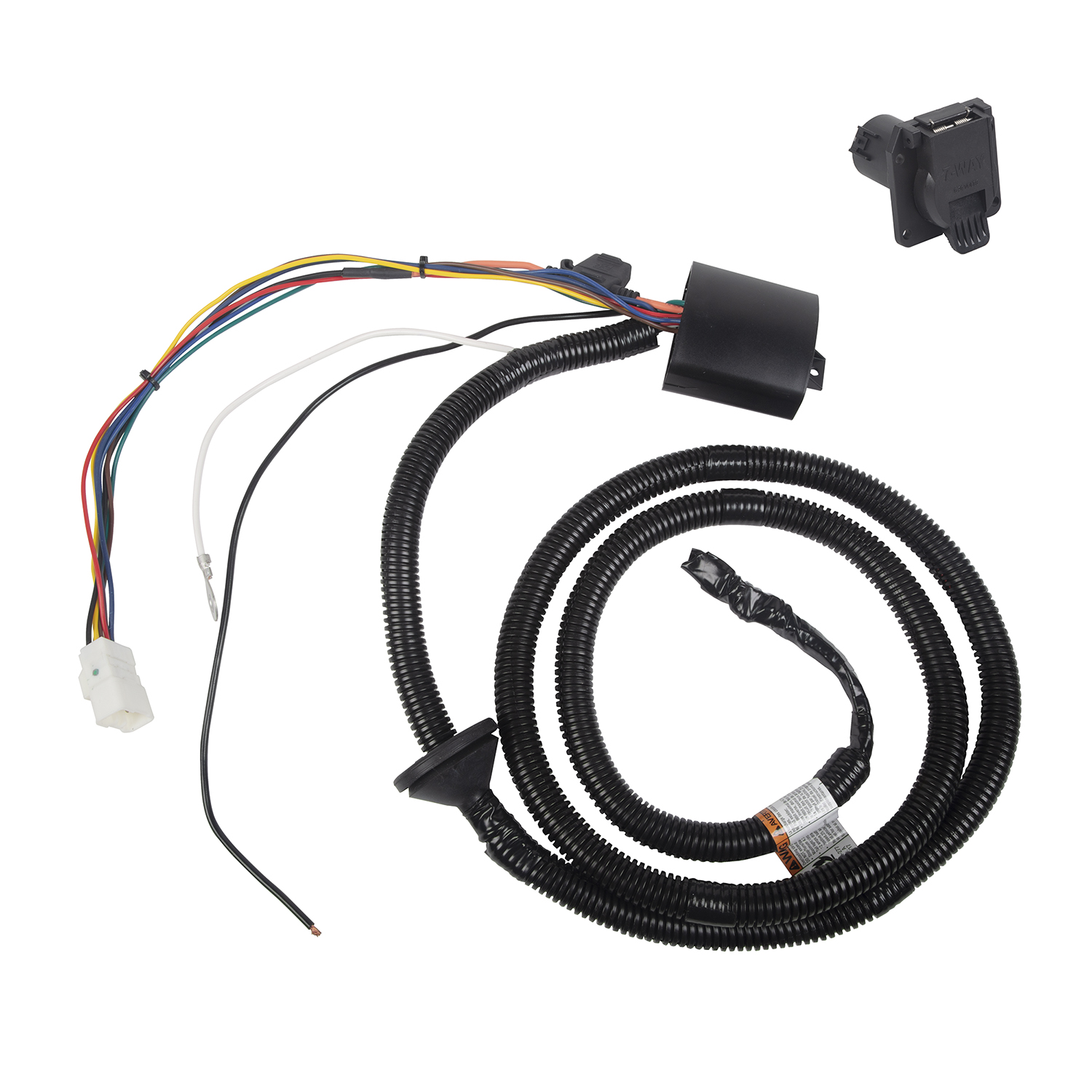
The T-One® T-Connector is a towing harness adapter that connects a vehicle's factory 8-pin connector to a 7-way trailer connector. It includes a black box-module, wiring harness with 7 wires (green tail, brown right/stop, red left/stop, white ground, blue trailer brakes, yellow backup, black +12V battery), an 8-pin tow-plug adapter, a 30 amp fuse holder, ring terminal, yellow butt connector, cable ties, and a grommet. The system allows you to connect a trailer to your vehicle's electrical system.
The manual shows the T-One® T-Connector installed on a Subaru Ascent. The manual does not list other compatible vehicles. Contact the manufacturer or check the product fitment database to confirm compatibility with your specific vehicle model and year.
Yes. The T-One® T-Connector requires a vehicle's factory 8-pin connector located behind the rear interior trim panel. The 8-pin tow-plug adapter inserts into this connector and locks into place. If your vehicle does not have this factory connector, the T-One® T-Connector cannot be installed.
Required tools are: trim panel remover, 10 mm socket and ratchet or 10 mm wrench, drill with 3/32" drill bit, 1/4" socket, Phillips head screwdriver, test-probe, 2" hole saw and drill, and metal primer paint.
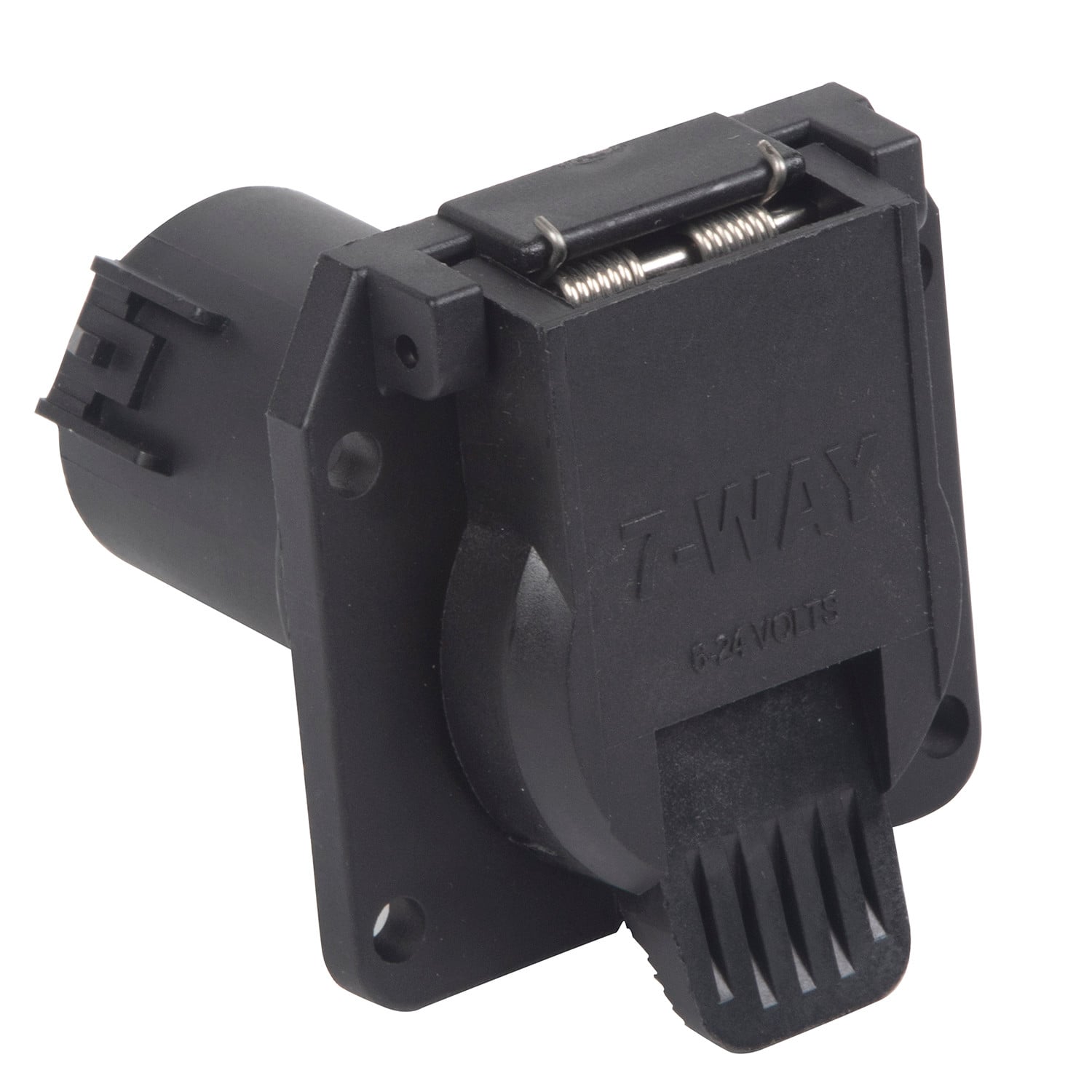
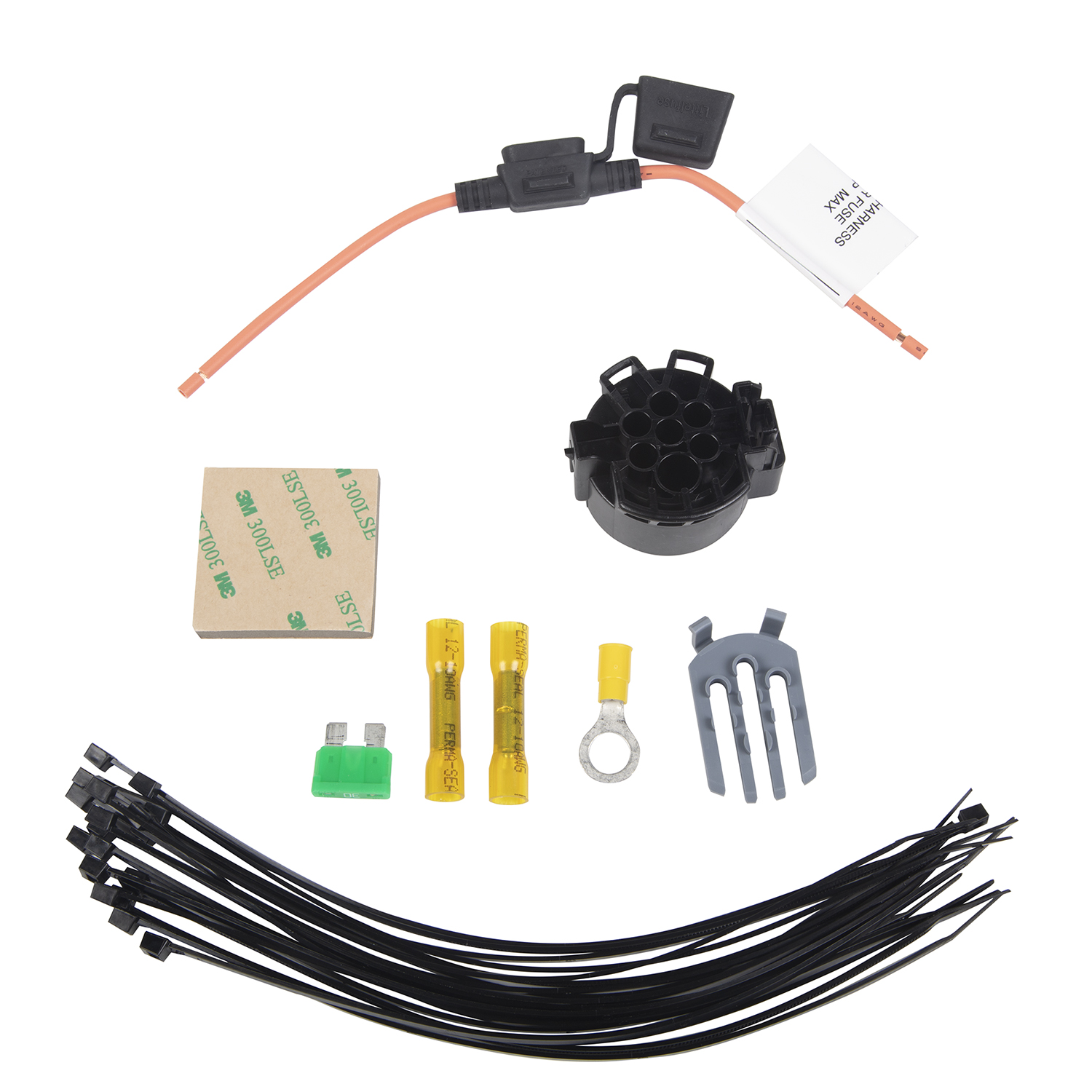
The kit includes: 8-pin tow-plug adapter, black 12 ga. power wire, screw eyelet for ground connection, 30 amp fuse, fuse holder, ring terminal, yellow butt connector, cable ties, and a grommet. The 7-way socket and mounting bracket are not included and must be purchased separately.
Yes. You must disconnect the vehicle's negative (−) battery cable before connecting the wiring to the positive (+) battery terminal. After the ring terminal is attached to the positive cable and the fuse holder is connected to the black 12 ga. wire using the yellow butt connector, reconnect the negative battery cable and install the 30 amp fuse.
On the driver's side, you must remove the access panels, threshold, trunk floor panels, and trays. You also need to pull back the interior trim panel on the driver's side to access the 8-pin connector and the existing ground stud. Set aside all removed items carefully to avoid damage, and reinstall them at the end of installation.
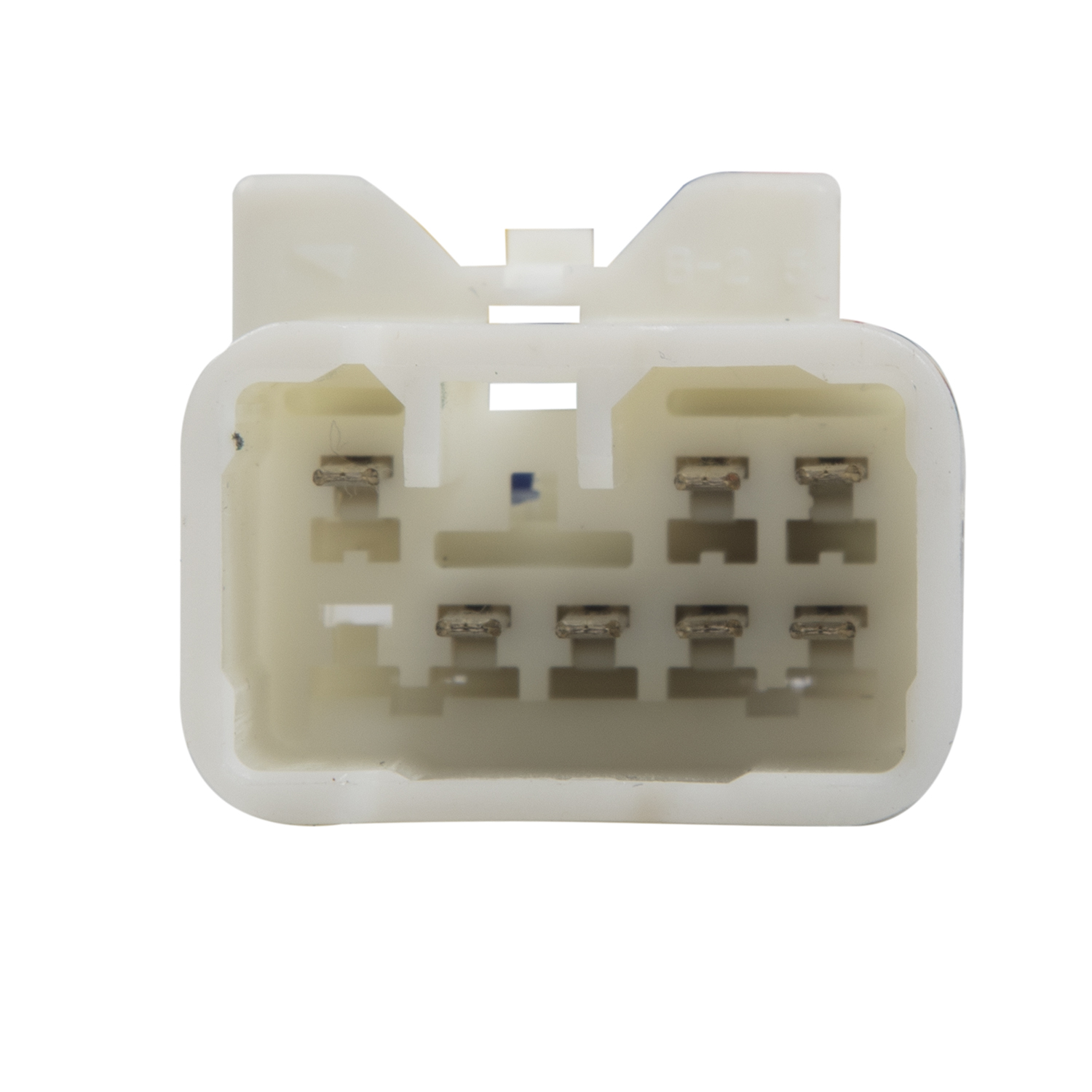
Locate the vehicle's 8-pin connector behind the rear interior trim panel on the driver's side. Insert the 8-pin tow-plug adapter into the connector and lock it into place. This adapter serves as the interface between the vehicle's factory connector and the T-One® harness.
On the driver's side, locate the existing ground stud behind the interior trim panel. Loosen the bolt on the stud, place the screw eyelet (provided) onto the stud, and re-tighten the bolt. Before doing this, ensure all other ground connections are secure, as you will be temporarily removing and reattaching the ground stud.
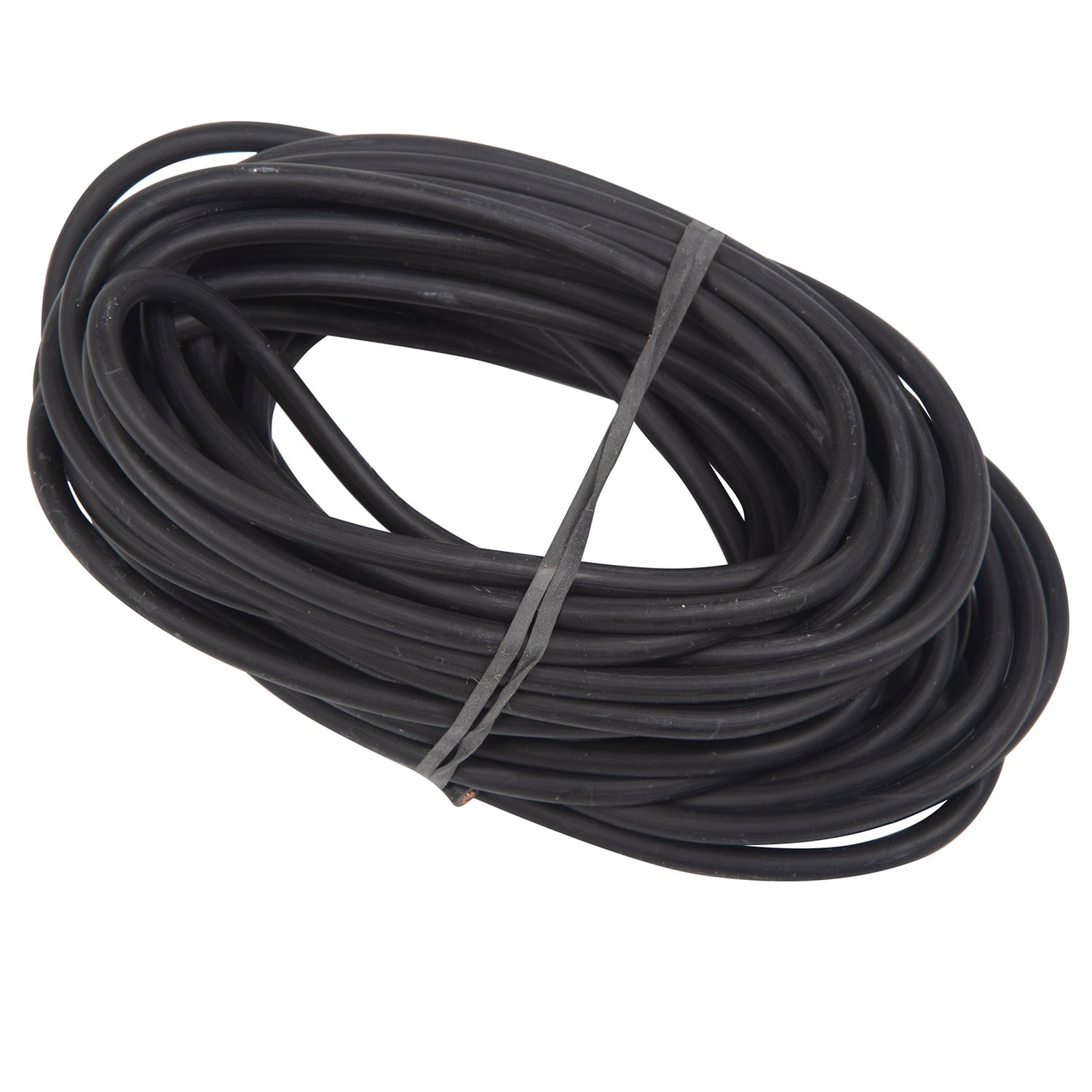
Locate the black 12 ga. power wire on the vehicle's wiring harness on the driver's side. Attach the black 12 ga. wire provided with the kit. Route the black wire along the exterior frame or follow existing wiring along the thresholds into the engine compartment up to the battery. Avoid areas that may pinch or break the wire, hot pipes, heat shields, the fuel tank, or any other points that could damage the wire.
After routing the black 12 ga. wire to the battery, disconnect the vehicle's negative (−) battery cable. Attach the ring terminal (provided) to the vehicle's positive (+) battery cable and secure it. Connect the other end of the fuse holder to the black 12 ga. wire using the yellow butt connector (provided). Then reconnect the negative battery cable and install the 30 amp fuse into the fuse holder.
Mount the black box-module on a flat surface in an out-of-the-way location to prevent damage or rattling. The manual does not specify which location is suitable; choose an area in the cargo or engine compartment that is secure and will not interfere with vehicle operation or maintenance.
Yes. Inside the cargo area, you must drill a hole near the connector using a 2" hole saw. Be sure to avoid drilling through additional materials beyond the intended hole. After drilling, deburr the hole and coat the exposed metal with primer paint to prevent rust.
Use a 2" hole saw to drill the hole in the cargo area near the connector. Be sure to avoid drilling through additional materials beyond the intended hole. After drilling, deburr the hole and coat the exposed metal with primer paint.
Route the 7-way harness end with the terminals over to the exposed hole drilled in step 8. Pass the 7-way harness through the hole and seat the grommet (provided) inside the hole. Then route the 7-way harness containing the 7 wires behind the rear bumper fascia and over the bumper support bracket towards the mounting location.
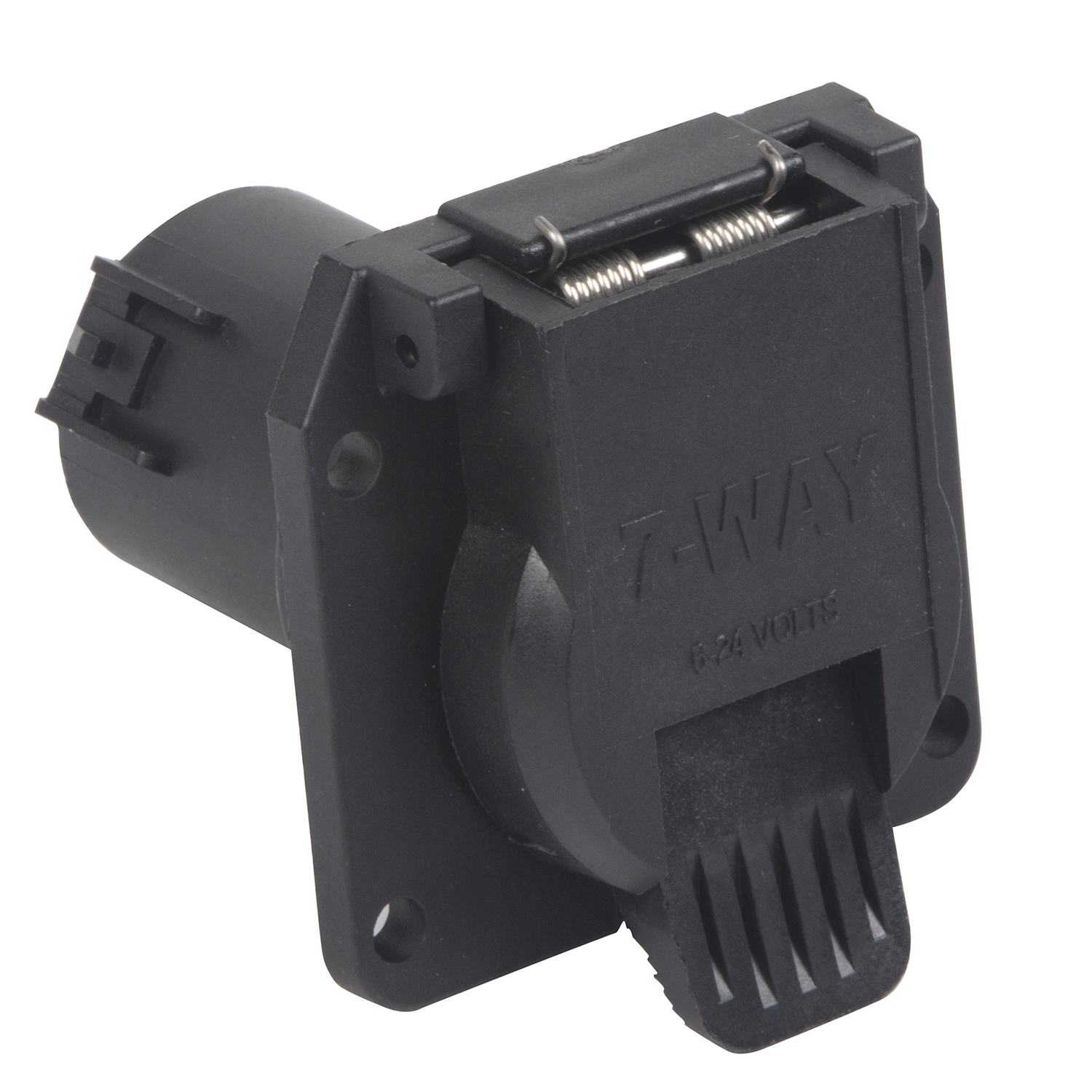
Determine the 7-way mounting location. Route the 7-way harness behind the rear bumper fascia and over the bumper support bracket towards the mounting location. Using the wire insertion detail, pin the 7-way connector. Connect the 7-way connector to the 7-way socket. Mount the 7-way connector (note: bracket is not included). All connections must be complete for the T-One® T-Connector to function properly.
The 7-way harness contains: green (tail), brown (right/stop), red (left/stop), white (ground), blue (trailer brakes), yellow (backup), and black (+12V battery). These wires connect to the corresponding trailer lighting and brake functions.
Secure the remainder of the T-One® T-Connector harness with the cable ties provided to prevent damage or rattling. Be careful to avoid any areas that would pinch, cut, or melt the wire. After securing the harness, reinstall all plastic trim panels, threshold, storage covers, floor covering, and other items that were removed during installation, being careful not to pinch or cut the wires.
Install a 30 amp fuse into the fuse holder after reconnecting the vehicle's negative battery cable. This fuse protects the circuit from overload.
The black power wire is 12 ga. (12 gauge). This wire carries the +12V battery power to the trailer connector and is protected by a 30 amp fuse.
Always wear safety glasses during installation. Read and follow all warnings and cautions printed on the tow vehicle's battery before working with electrical connections. Check behind any surface before drilling to avoid damage to the vehicle and personal injury. Do not drill exposed surfaces. Avoid routing wires through areas with hot pipes, heat shields, the fuel tank, or other points that may pinch or break the wire. Be careful not to pinch or cut wires when reinstalling trim panels.
After installation, test and verify the installation with a test light or trailer. For the initial test, reset the vehicle's electrical system by temporarily removing the key from the ignition. All connections must be complete for the T-One® T-Connector to function properly. If testing with a trailer, ensure the trailer lights and brakes operate correctly.
Do not exceed the lower of the towing manufacturer rating (including in your vehicle owner's manual) or the specific amperage ratings stated on the product. The manual references a 30 amp fuse but does not provide a specific product amperage rating. Consult the product label or the manufacturer for the exact amperage specification.
No. Overloading circuits can cause fires. Do not exceed the stated product ratings or the towing manufacturer rating in your vehicle owner's manual. The T-One® T-Connector is protected by a 30 amp fuse, which will interrupt the circuit if amperage exceeds this limit.
The manual confirms installation on a Subaru Ascent. For other vehicles, verify that your vehicle has a factory 8-pin connector behind the rear interior trim panel. Contact the manufacturer or check a fitment database for your specific vehicle model and year.
You need: trim panel remover, 10 mm socket/ratchet or wrench, drill with 3/32" bit, 1/4" socket, Phillips screwdriver, test-probe, 2" hole saw, and metal primer paint.
Yes. Disconnect the negative battery cable before connecting the wiring to the positive terminal. Reconnect the negative cable after the fuse holder is connected to the black wire and before installing the 30 amp fuse.
The T-One® T-Connector uses a 30 amp fuse installed in the fuse holder that connects to the black 12 ga. power wire.
Do not exceed the lower of your vehicle manufacturer's towing rating (in your owner's manual) or the product's amperage rating. The manual does not specify the product's amperage rating; check the product label or contact the manufacturer.
Verify that all connections are complete and secure. Check that the 8-pin tow-plug adapter is fully locked into the vehicle's factory 8-pin connector, the ground eyelet is tightened on the ground stud, the ring terminal is secure on the positive battery cable, the yellow butt connector is fully seated on the black wire and fuse holder, the 30 amp fuse is installed in the fuse holder, and the 7-way connector is fully connected to the 7-way socket. Reset the vehicle's electrical system by temporarily removing the ignition key. Test with a test light or trailer to verify operation.
A blown 30 amp fuse indicates an electrical overload or short circuit. Check that the black power wire is not pinched, cut, or touching any metal surfaces or hot components. Verify that the ring terminal on the positive battery cable is not loose or corroded. Ensure that the yellow butt connector is fully seated and not allowing moisture or corrosion. If the fuse continues to blow, there may be a short circuit in the harness or a trailer electrical fault. Disconnect the trailer and test the vehicle's electrical system independently.
Verify that all 7-way connector pins are fully inserted and the connector is fully seated. Check the wire colors: green (tail), brown (right/stop), red (left/stop), white (ground), blue (trailer brakes), yellow (backup), and black (+12V battery). Ensure the ground connection is secure on the ground stud. Test each wire with a test-probe to confirm voltage is present. If a specific wire has no voltage, check that the corresponding connection in the vehicle's wiring harness is secure and not damaged.
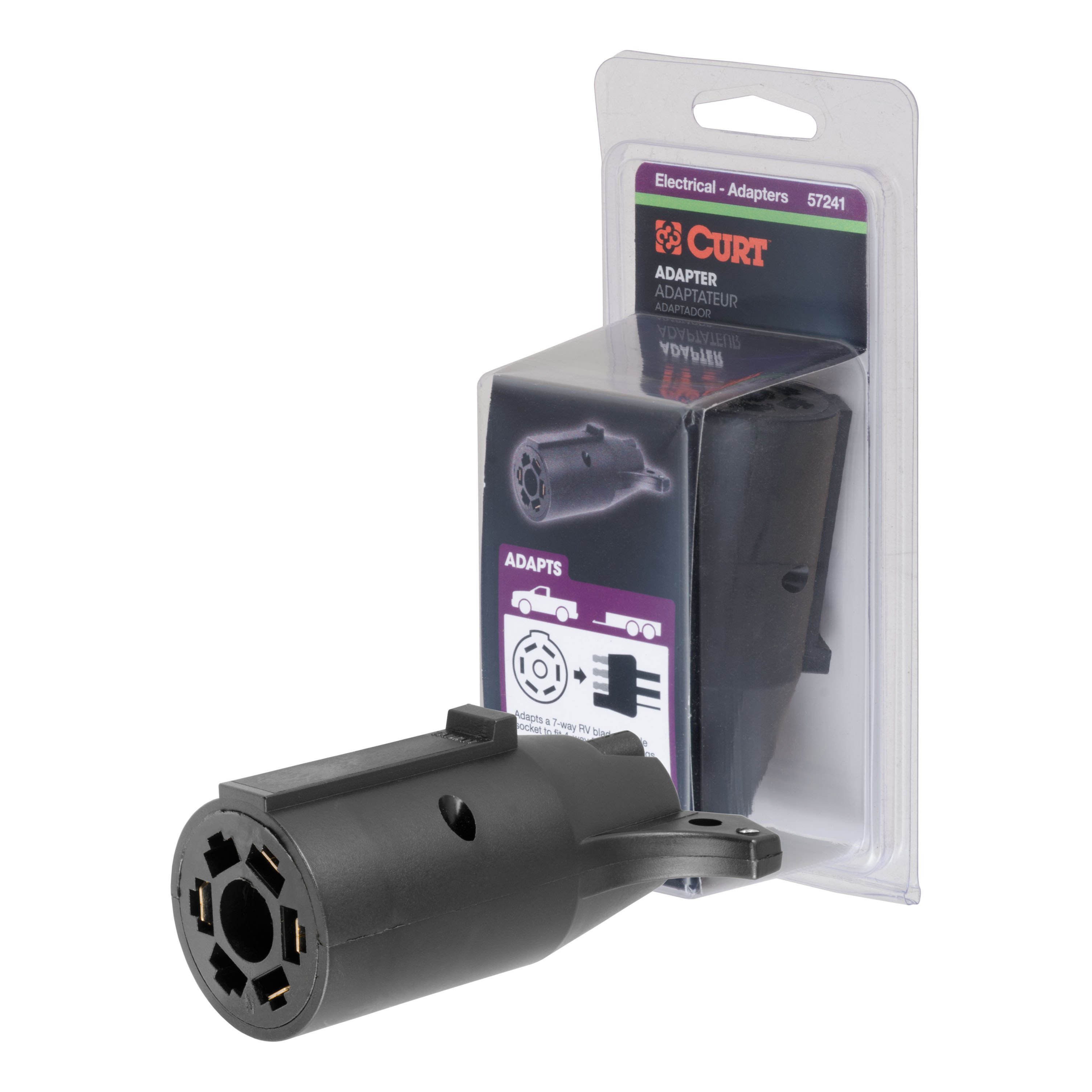
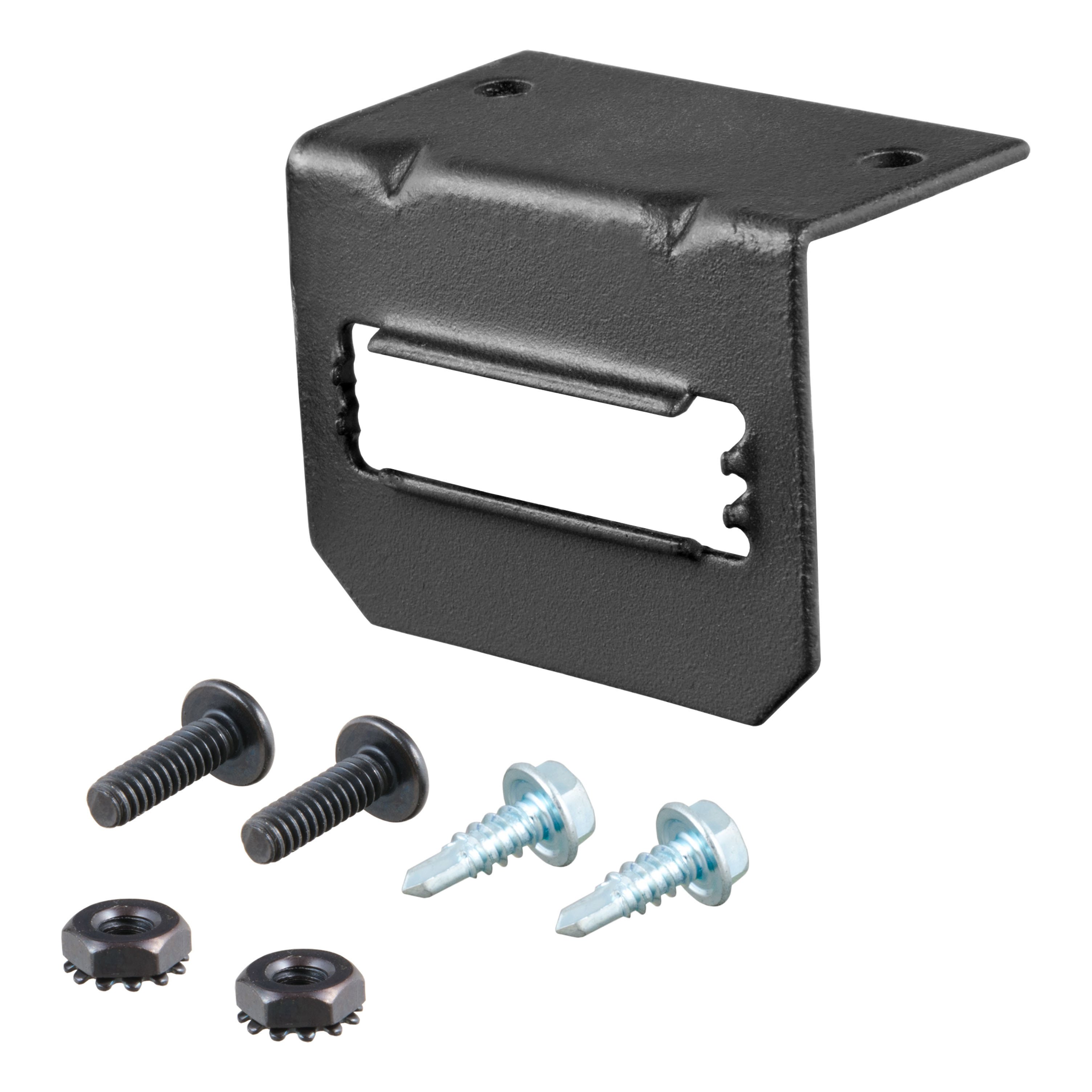
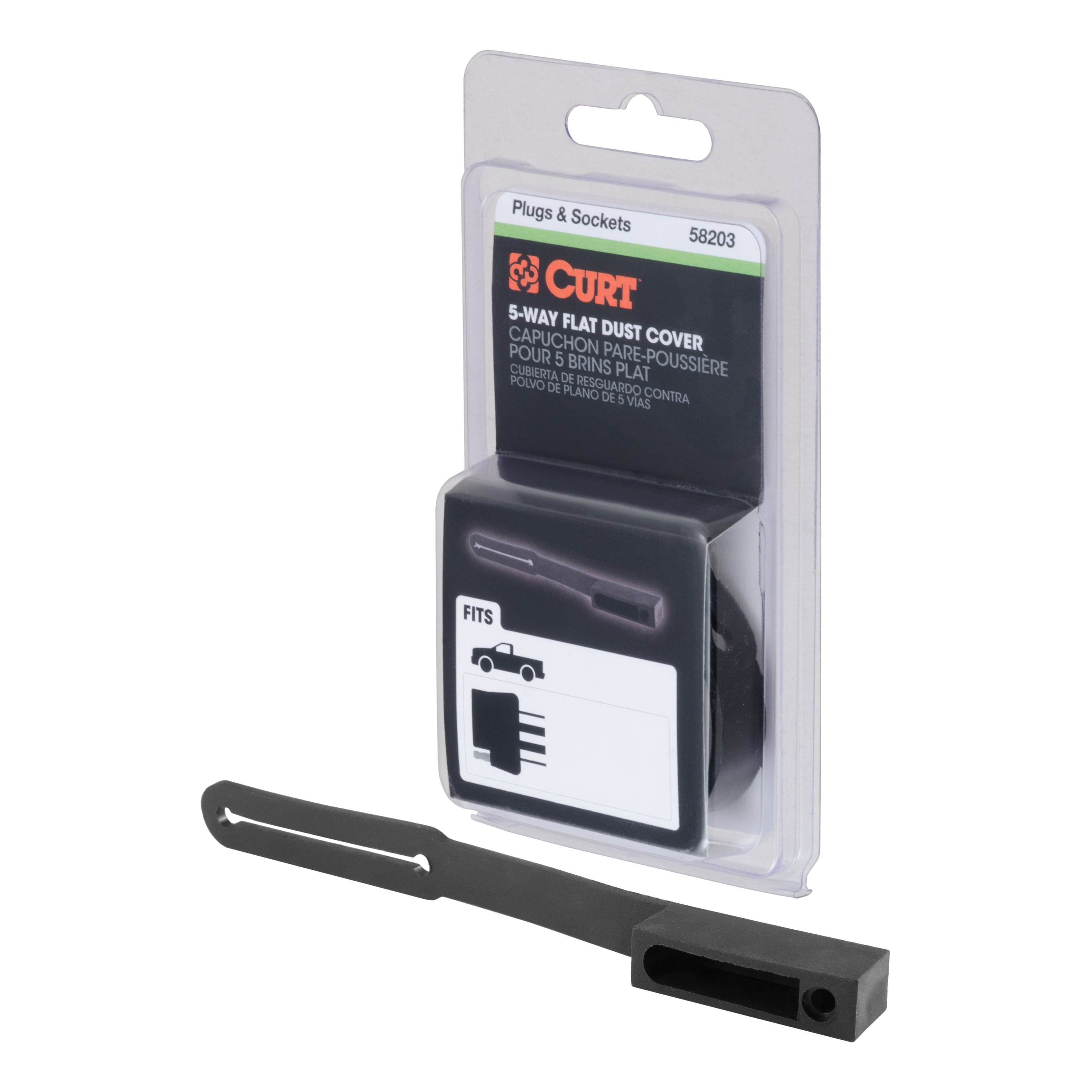
Total for 3 items:
$75.95
Ann
Ordered online. Shipment arrived on time and with all the correct parts. Great customer service and friendly staff. Also, pricing was great!
May 22, 2023