
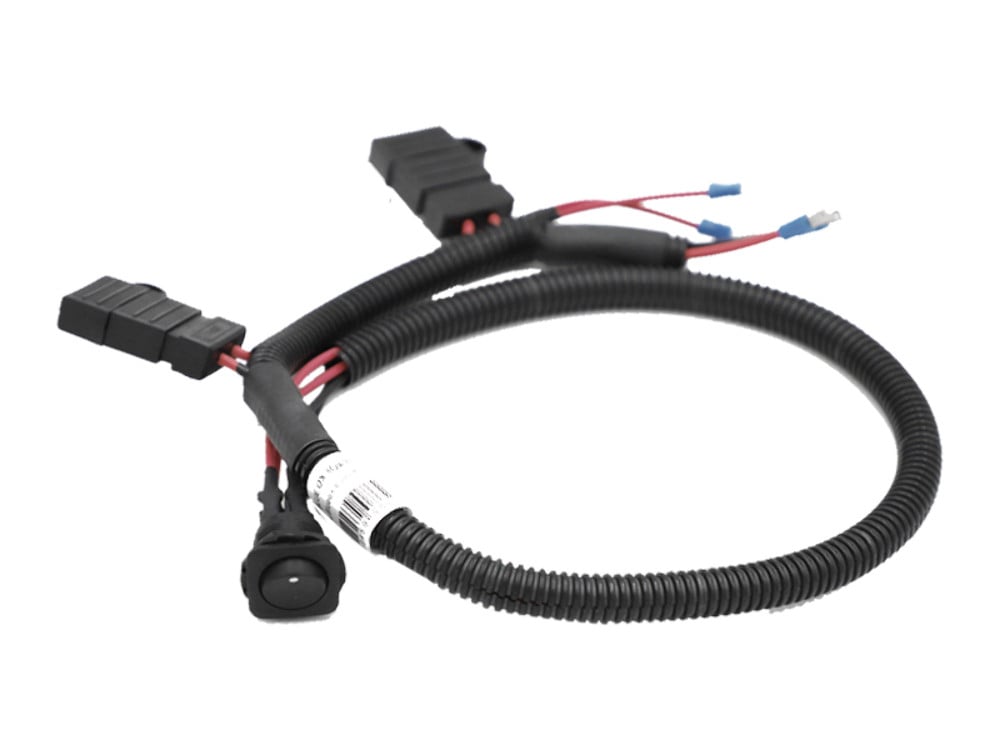
BlueOx Fuse Bypass Switch For Select ATC/ATO FUSE BYPASS BX88294Blue OxOriginal price was $699.99. Current price is $110.59.In Stock
View productOur in-house experts typically reply within one business day.

Blue Ox



Always the correct part
We know our products
Quality Products
Free Shipping!
Always the correct part
We know our products
Quality Products
Free Shipping!

Eliminates the need for constant fuse removal and re-installation, increasing efficiency and saving time.
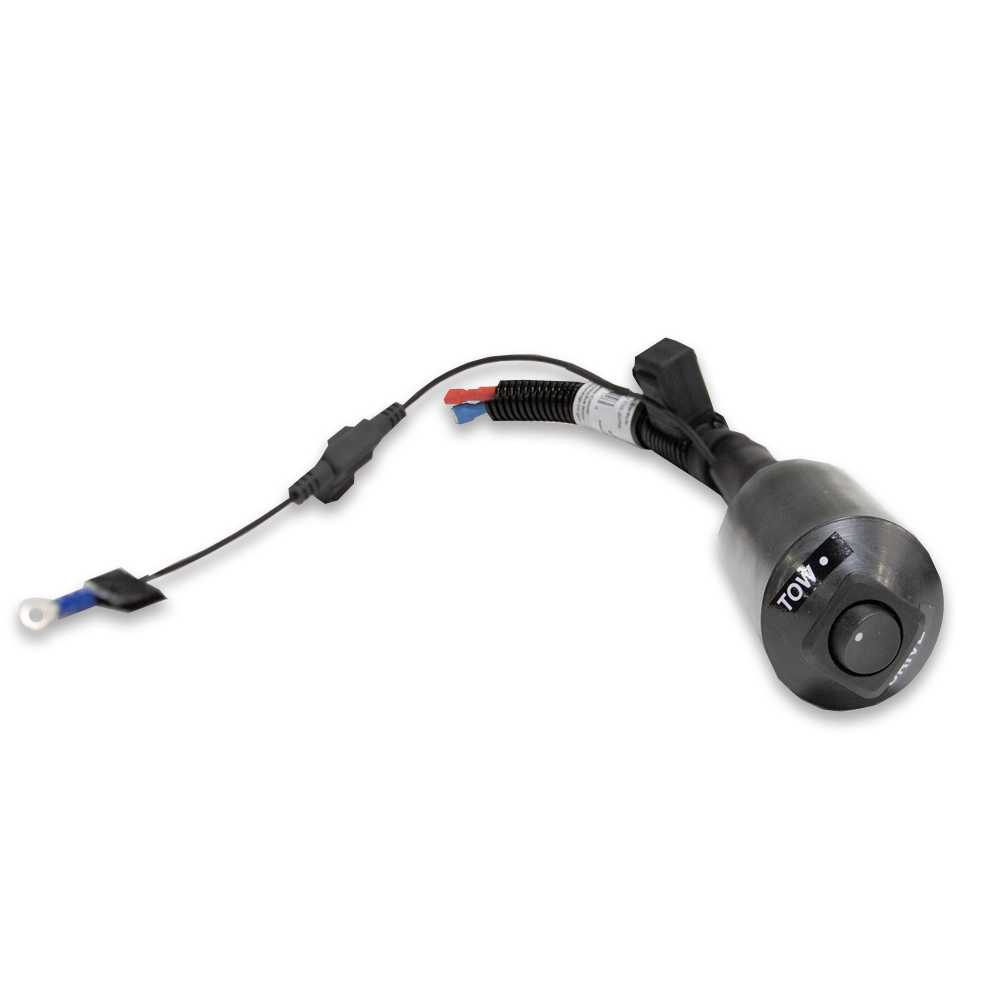
Installation Required Yes/No: Yes
On/Off Switch Included: Yes
Color: Black
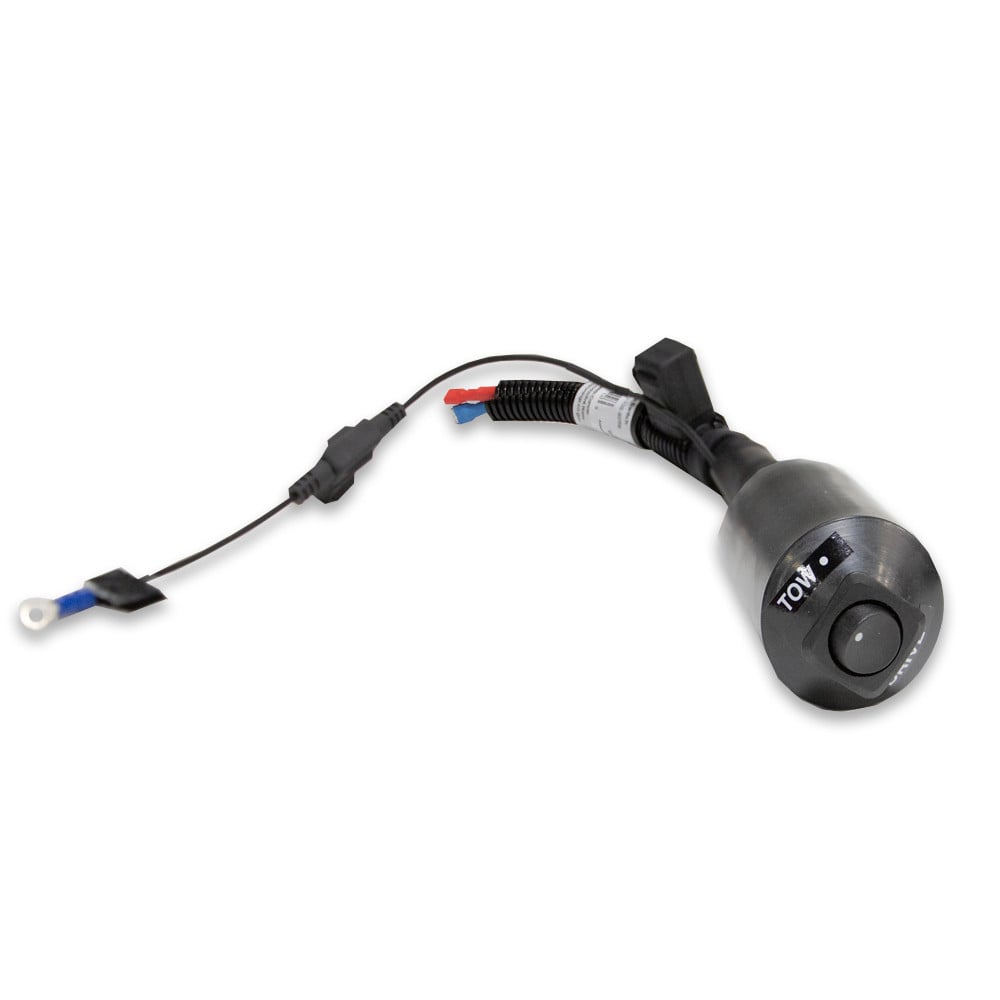
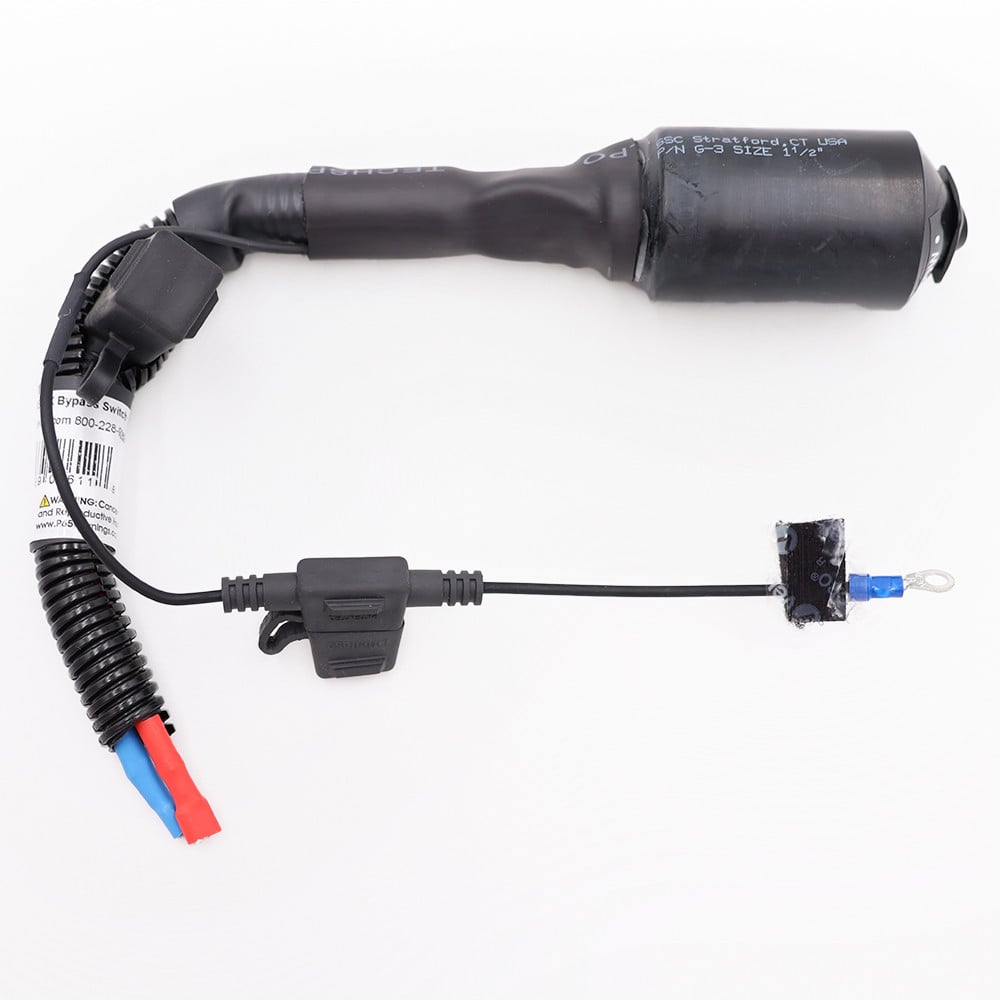
The Blue Ox BX88274 Fuse Bypass is a revolutionary solution designed to make towing easier and more efficient. No more pulling fuses each time you tow - this smart device allows you to disconnect your fuse with just a flip of a switch. It's available in four different models to cater to diverse needs, and offers a reliable, safer alternative to the constant removal and re-installation of the fuse when switching from towed mode to driving mode. The BX88274 Fuse Bypass comes in a sleek black color and includes an on/off switch. Installation is required.

Blue Ox is known internationally for recreational and commercial towing products, manufacturing in Pender, Nebraska since 1925. The line covers tow bars and vehicle-specific baseplates for flat towing behind a motorhome, sway control and weight distributing hitches, supplemental braking accessories and towing wiring, backed by patented designs and long-standing customer service.
Blue Ox has manufactured since 1925 and is recognised internationally for towing products and customer service. The company operates from Pender, Nebraska, where it grew out of Automatic Manufacturing Co., a business that started with cattle oilers and developed into agricultural equipment, tractor accessories and trailer towing hardware. That agricultural engineering heritage still shows in how the towing products are built, and the company holds patents across weight distribution, fifth wheel and tow bar designs.
Flat towing is the discipline Blue Ox is best known for. Towing a car with all four wheels on the ground behind a motorhome demands a system that stays rigid under braking, articulates properly over uneven ground, and connects to the towed vehicle at points strong enough to take the load. Blue Ox tow bars handle the first two, with self-aligning arms that latch under tension and release without a struggle when the load is off them. Vehicle-specific baseplates handle the third, engineered per make and model to tie into structural mounting points behind the fascia.
The wider flat towing range covers supplemental braking systems, safety cables and the accessories that make a complete legal setup, along with baseplate wiring and dinghy towing harnesses that pass lighting signals to the towed vehicle without back-feeding its electrical system.
For conventional trailer towing, Blue Ox weight distributing hitches with integrated sway control transfer tongue load onto the tow vehicle's front axle and resist the yaw that crosswinds and passing trucks induce.
The company describes its foundation as customer service, designing around what owners actually ask for, and it runs an RV park adjacent to the factory where customers can stay. Sister operations at the same Nebraska site include Automatic grain roller mills and MAD-RAMPS pivoting ramp systems.
Experts available to answer your questions
Call 888-634-94941 Year
The BX88274 is a fuse bypass switch that allows you to disconnect specific circuits in a towed vehicle when towing, then restore them when driving normally. It works by replacing a high amperage fuse (typically 50 amp) in the towed vehicle's fuse box with a switch that can toggle between drive and tow positions. In tow position, the circuit controlled by that fuse is disabled, mimicking the fuse being removed from the panel.
The BX88274 is designed for towed vehicles with high amperage fuses in under-hood fuse boxes. You must consult the owner's manual for your specific towed vehicle to determine which fuse must be removed from the fuse box. The colored connectors on the switch harness must match the pin sizes in the fuse box location where you removed the fuse. If your vehicle requires removal of additional mini fuses (typically 15 amp ECM fuse), you will need an additional mini version of the Fuse ByPass Switch.
You must match the amperage of the fuse in the Fuse ByPass Switch harness to the fuse you removed from the towed vehicle's fuse panel. Never install a fuse with more than a 50 amp rating in the Fuse ByPass Switch harness. The small black fuse holder receives a 2 amp fuse, and the larger rubber fuse holder receives the high current fuse (typically 50 amp) that you removed from the fuse box.
You will need: a test light or multimeter set to read 20 volts DC; a portable drill with a Phillips head screwdriver bit (for the self-drilling screw); a flat power auger (for drilling the 5/8" hole in the fuse box cover); and an alcohol swab for cleaning the mounting surface. The manual notes that a small amount of silicone seal (not supplied) may be used around the loom hole to reduce water entry.
First, consult the owner's manual for your towed vehicle to determine which fuse must be removed from the under-hood fuse box. Remove the large plastic fuse box cover and locate the high amperage fuse (typically 50 amp). Confirm that the colored connectors on the Fuse ByPass Switch wire (or adapter if supplied) match the pin sizes in the fuse box location where you removed the fuse. If your manual requires removal of another mini fuse (typically 15 amp ECM fuse), note that you will need an additional mini version of the Fuse ByPass Switch.
Use a test light or multimeter set to read 20 volts DC. Connect the multimeter probe or the clip connector from the test light to a suitable ground connection on the vehicle. Probe the two terminals in the fuse box location where you removed the fuse. The terminal that shows 12 volts (or lights the test light when touched) is the 12 volt terminal. This is often the one closest to the passenger compartment. Install the red connector of the Fuse ByPass Switch onto this 12 volt terminal, and install the remaining blue connector onto the other terminal.
You have two options: (1) Using a portable drill with a Phillips head screwdriver bit, install the ring connector from the small black fuse holder wire using the supplied self-drilling screw. Locate this screw on the inner fender area close to the fuse panel, ensuring sufficient wire remains to lay the Fuse ByPass Switch in a convenient location near the fuse panel. (2) Alternatively, loosen the large ground stud to the left of the fuse box and fully insert the terminal under the ring, then securely tighten to retain the ring terminal.
Install a 2 amp fuse into the small black fuse holder. Install the larger high current fuse (the one you removed from the towed vehicle's fuse box, typically 50 amp) into the larger rubber fuse holder in the Fuse ByPass Switch harness. Gently press the high current fuse into place and ensure it is fully seated. Cover it with the supplied rubber cap.
With the car engine and key turned fully off, flip the Fuse ByPass Switch to the tow position. All lights and operations controlled by the fuse in this circuit should be off. This mimics the fuse being removed from the fuse panel. Then check that when the button on the top of the Fuse ByPass Switch is in the drive position, the car dash lights and functions operate the same as they did before installation. If the switch operates as expected, continue with installation. If not, reference the Troubleshooting section.
You need to drill a 5/8" hole in the fuse box cover using a flat power auger. You have two methods: Method A involves measuring from the end and side of the fuse panel to the center over the removed fuse terminals, marking these dimensions on the cover, and drilling at the intersection. Method B involves drilling a 5/8" hole at the top left corner of the cover. After drilling, feed the Fuse ByPass Switch terminals through the hole, ensuring the black loom extends from the hole.
Find a suitable location next to the fuse box to mount the Fuse ByPass Switch using the hook and loop material supplied. Wipe the side of the Fuse ByPass Switch with an alcohol swab and clean the mounting area well before applying the hook and loop material. A small amount of silicone seal (not supplied) may be placed around the loom hole to reduce the chance of water entering the fuse box.
The BX88274 includes: the Fuse ByPass Switch harness with red and blue connectors; a small black fuse holder with a 2 amp fuse; a larger rubber fuse holder with a rubber cap; a self-drilling screw for grounding; hook and loop material for mounting; and labels for the mini fuse version (if applicable). An adapter may be supplied depending on your vehicle's fuse box configuration.
After testing the Fuse ByPass Switch and confirming it operates correctly, remove the Fuse ByPass Switch connectors and adapter (if supplied) from the fuse box. Note which terminal the red connector was installed in. You will then reinstall these connectors after drilling the access hole in the fuse box cover and routing the wiring through it.
After drilling the 5/8" hole and feeding the Fuse ByPass Switch terminals through it (ensuring the black loom extends from the hole), reinstall the connectors into the fuse box. Replace the fuse box cover, making sure it locks on using the plastic tabs.
The High Current Fuse ByPass Switch (BX88274) handles high amperage fuses (up to 50 amp) and uses a 5/8" hole. The Mini Fuse ByPass Switch is used for smaller circuits (typically 15 amp ECM fuse) and requires a 3/4" hole. Importantly, the drive and tow positions are opposite: on the High Current version, one position is drive and the other is tow; on the Mini version, the white dot side is depressed when driving and the black (unmarked) side is depressed when towing. If your vehicle requires removal of both a high amperage fuse and a mini fuse, you need both versions installed.
The Mini Fuse ByPass Switch should be located at the lower, center of the top cover of the fuse box. This is indicated by dotted lines in the images shown in the manual. The Mini version requires a 3/4" hole (compared to 5/8" for the High Current version).
The BX88274 fits towed vehicles with high amperage fuses in under-hood fuse boxes. You must consult your vehicle's owner's manual to identify which fuse to remove and verify that the switch's colored connectors match the pin sizes in your fuse box.
Yes. You must drill a 5/8" hole in the fuse box cover using a flat power auger to route the switch wiring out of the fuse panel. You can drill at the center over the removed fuse terminals (Method A) or at the top left corner (Method B).
With the engine off, flip the switch to tow position—all controlled lights and functions should turn off. In drive position, they should work normally. If not, check the Troubleshooting section.
Use a test light or multimeter set to 20V DC. Ground the probe and touch both fuse box terminals. The one showing 12 volts (or lighting the test light) is the 12V terminal. Connect the red connector there and the blue connector to the other terminal.
Check the following: (1) Verify you have the correct fuse to remove in the towed vehicle's fuse box by consulting the vehicle's owner's manual. (2) Verify the connectors are fully seated in the correct position and properly connected to the adapter (if supplied) in the fuse panel, and that they are not touching each other. If they are reversed, the switch will not function. (3) Make sure the correct fuse is correctly installed in each fuse holder and that neither fuse is blown. (4) Check that the small black wire is properly grounded to the vehicle body.
If the red and blue connectors are reversed in the fuse box, the Fuse ByPass Switch will not function. Ensure the red connector is installed on the 12 volt terminal (typically closest to the passenger compartment) and the blue connector is on the other terminal.
Visually inspect both fuses in the Fuse ByPass Switch: the 2 amp fuse in the small black fuse holder and the high current fuse (typically 50 amp) in the larger rubber fuse holder. A blown fuse will show a broken filament or discoloration inside the fuse. If either fuse is blown, replace it with the correct amperage fuse.
On Sale Today
Original price was $699.99. Current price is $296.00.You save $403.99 (58%)
Free Shipping
Ships free on all orders
 Authorized Dealer


Quick Ship
In stock and ready to ship — order now!
FREE ShippingFREE SHIPPING
Estimated delivery Mon, Sep 28 - Thu, Oct 1
Order before 2 PM EST Monday–Friday for same-day processing
Guaranteed safe & secure checkout
No reviews have been added for this product.