
CURT Replacement TruTrack 2P Weight Distribution Spring Bar (8-10K) Trailer HitchCURTOriginal price was $101.95. Current price is $91.94.In Stock
View productOur in-house experts typically reply within one business day.

CURT


Always the correct part
We know our products
Quality Products
Free Shipping!
Always the correct part
We know our products
Quality Products
Free Shipping!
Capacity limited to lowest rated towing component

Warranty: Limited Lifetime Warranty (One-Year Finish, One-Year Parts)
Receiver Tube Size (Inches): 2 IN
Color: Black
Finish: Blank
WC / TW (Pounds): 1,000 LBS
WC Tongue Weight (Pounds): 1,000 LBS
Gross Trailer Weight (Pounds): 10,000 LBS
Installation Time Exact (Minutes): 0
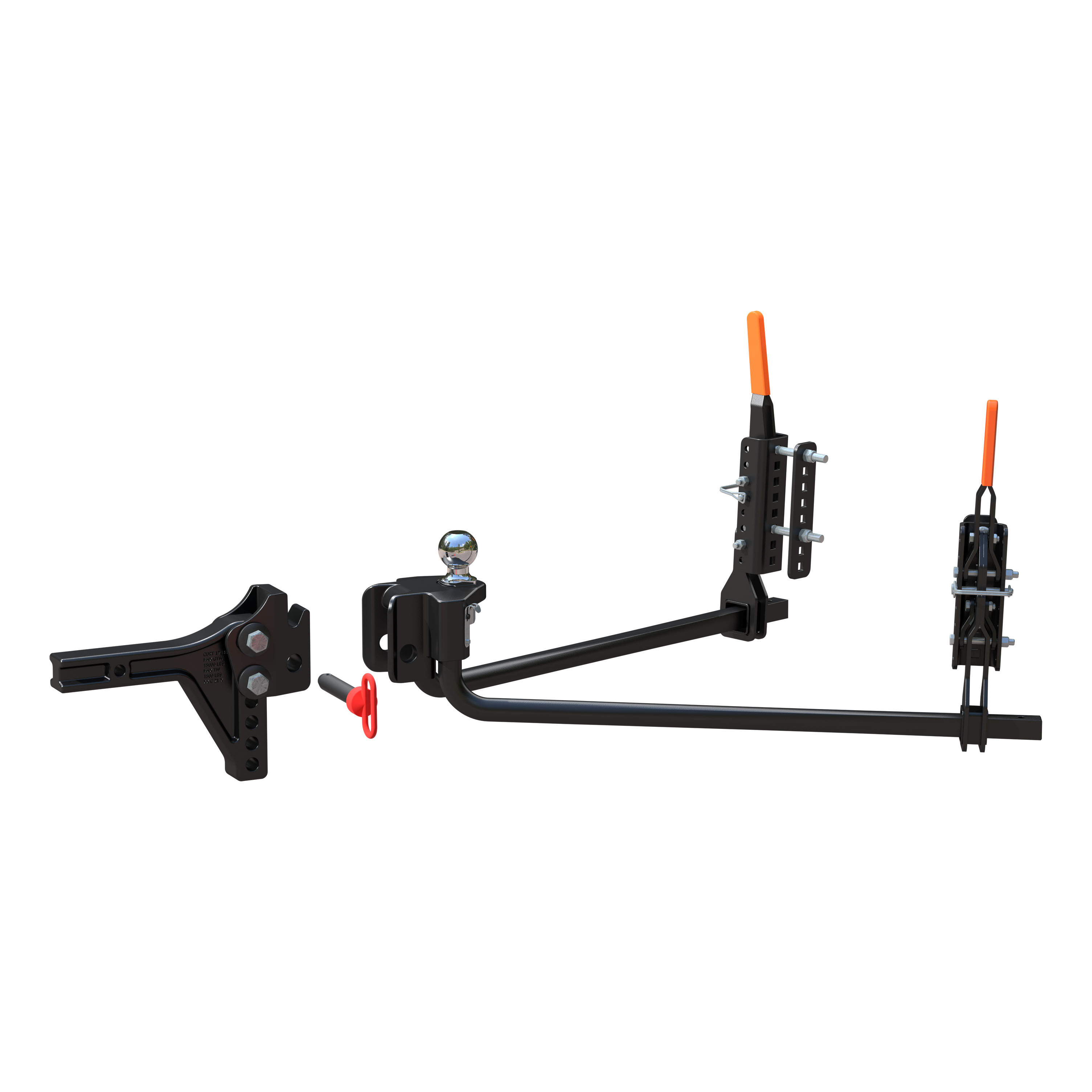
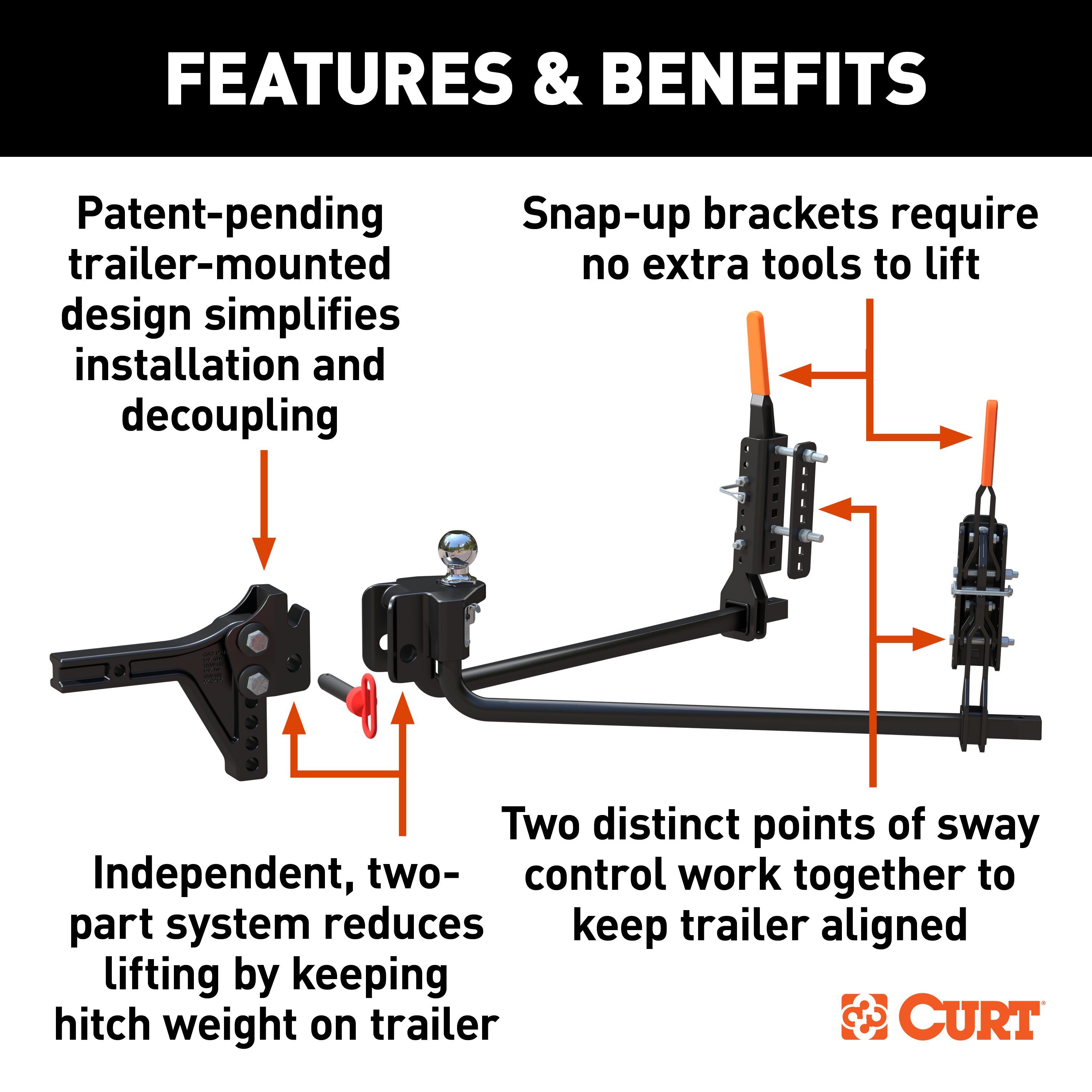
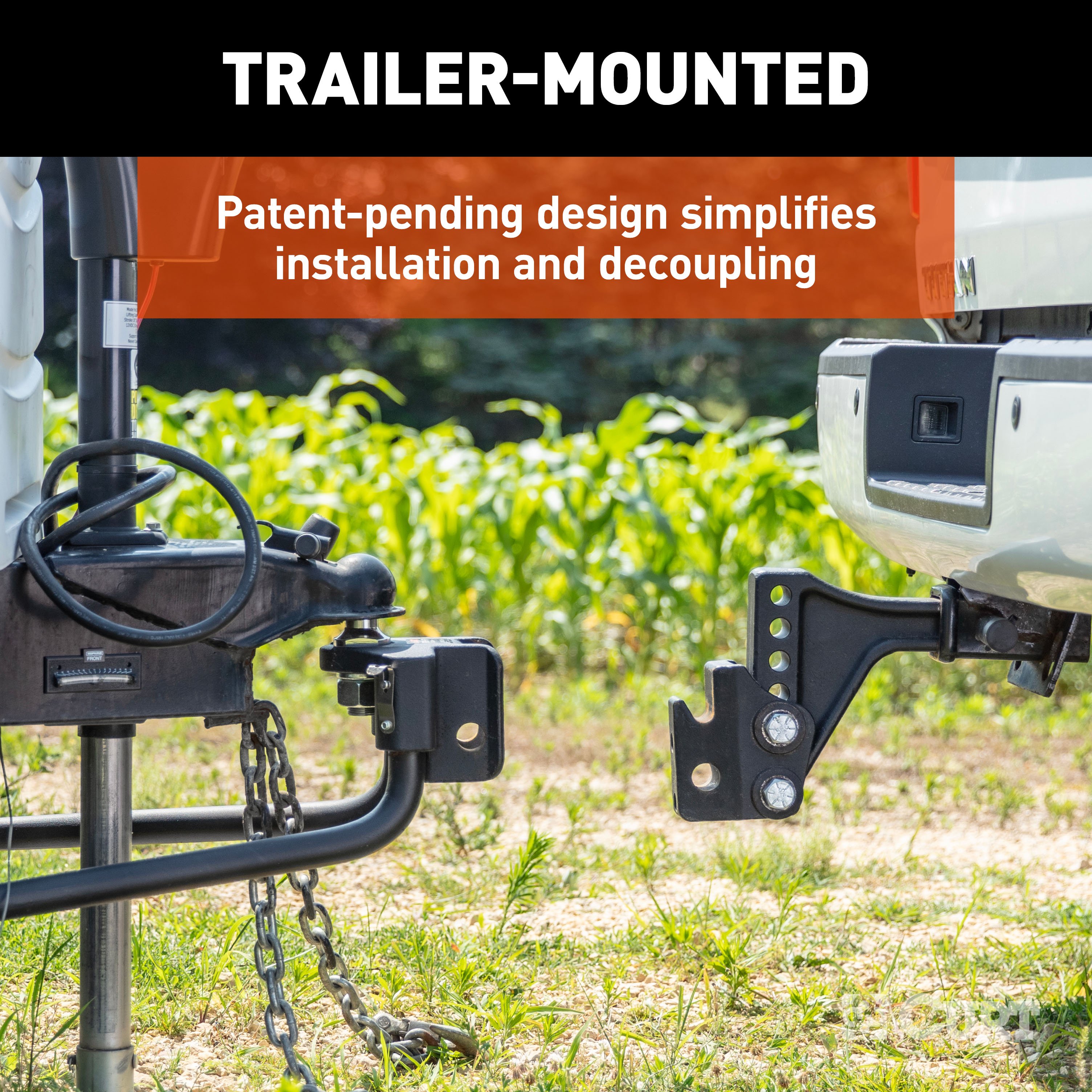
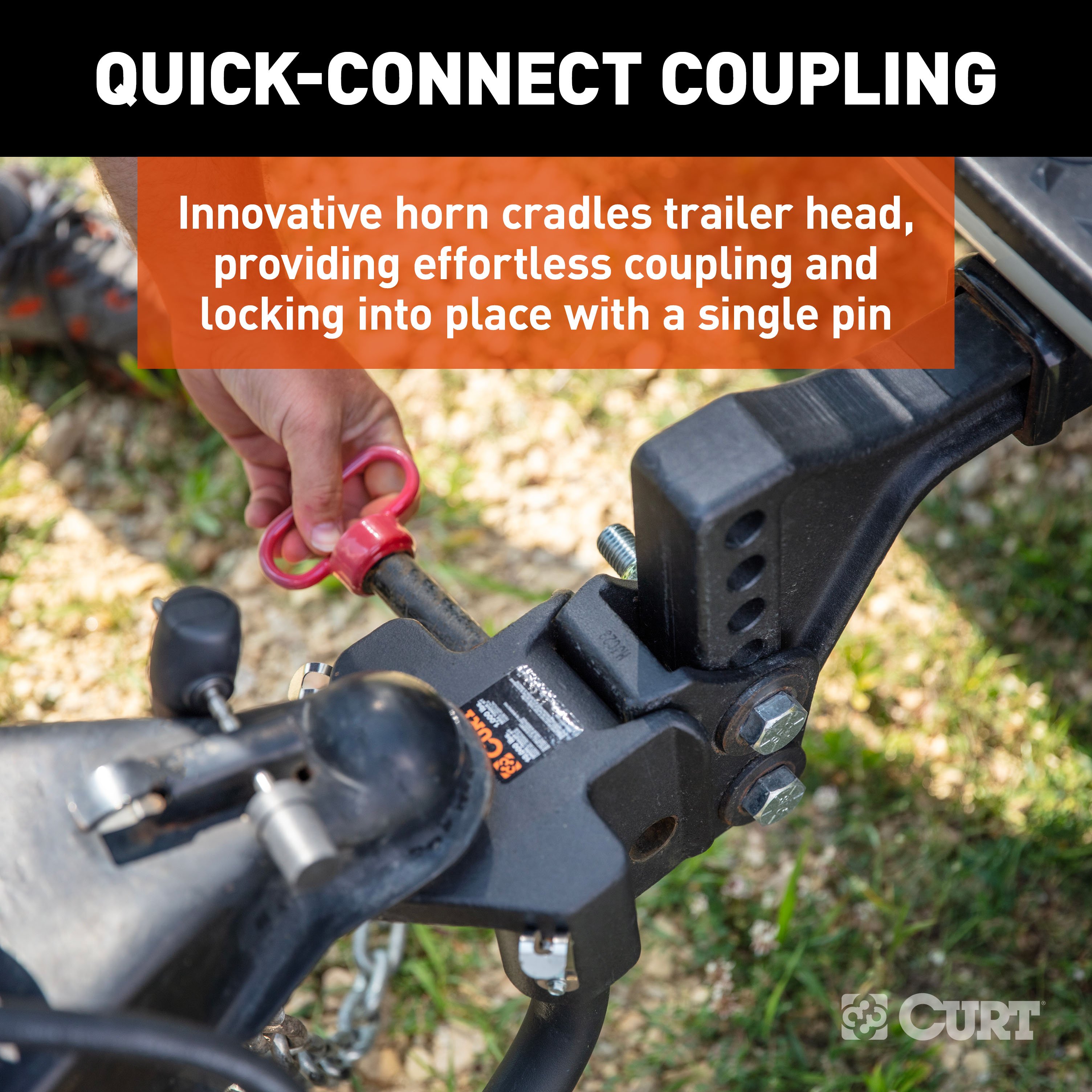
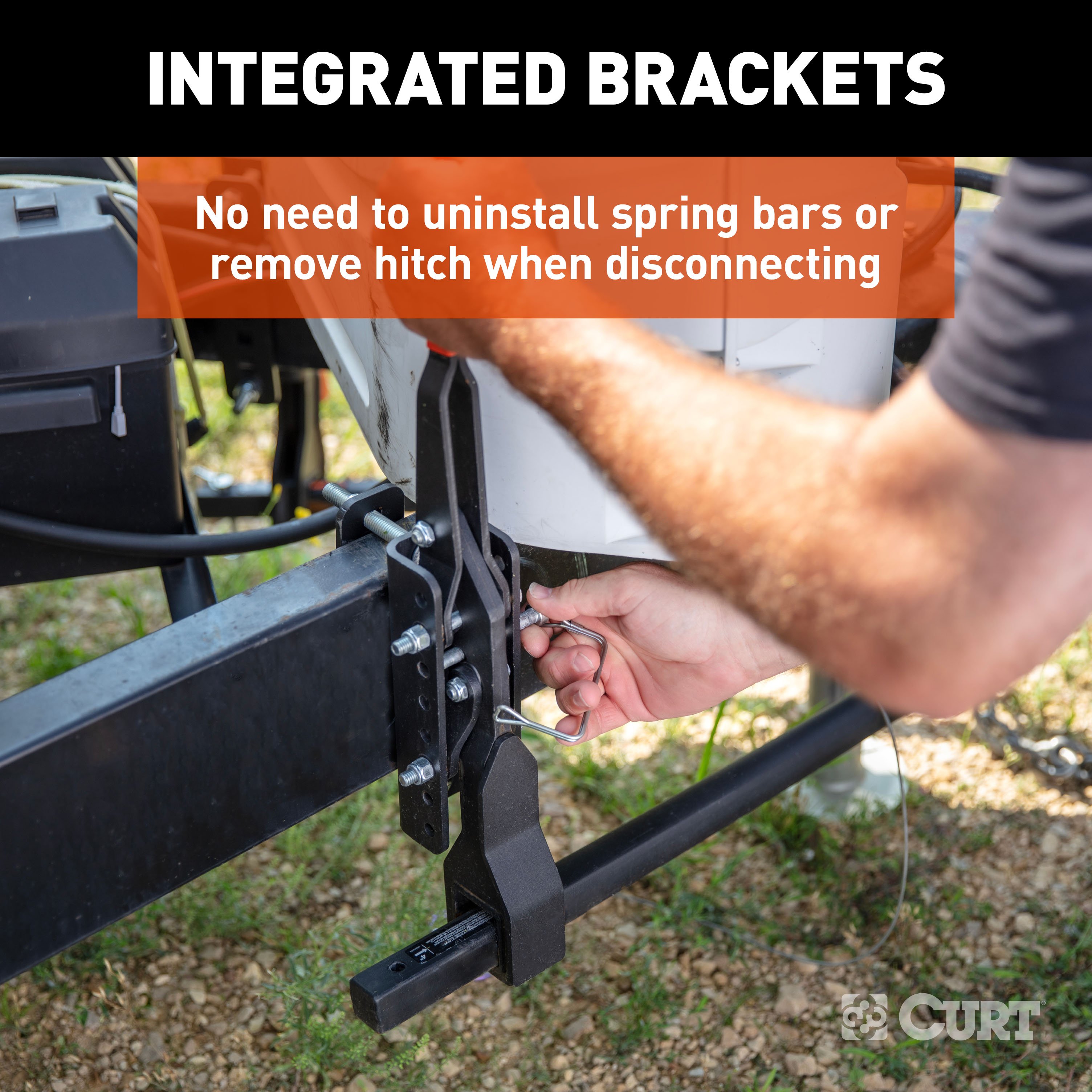
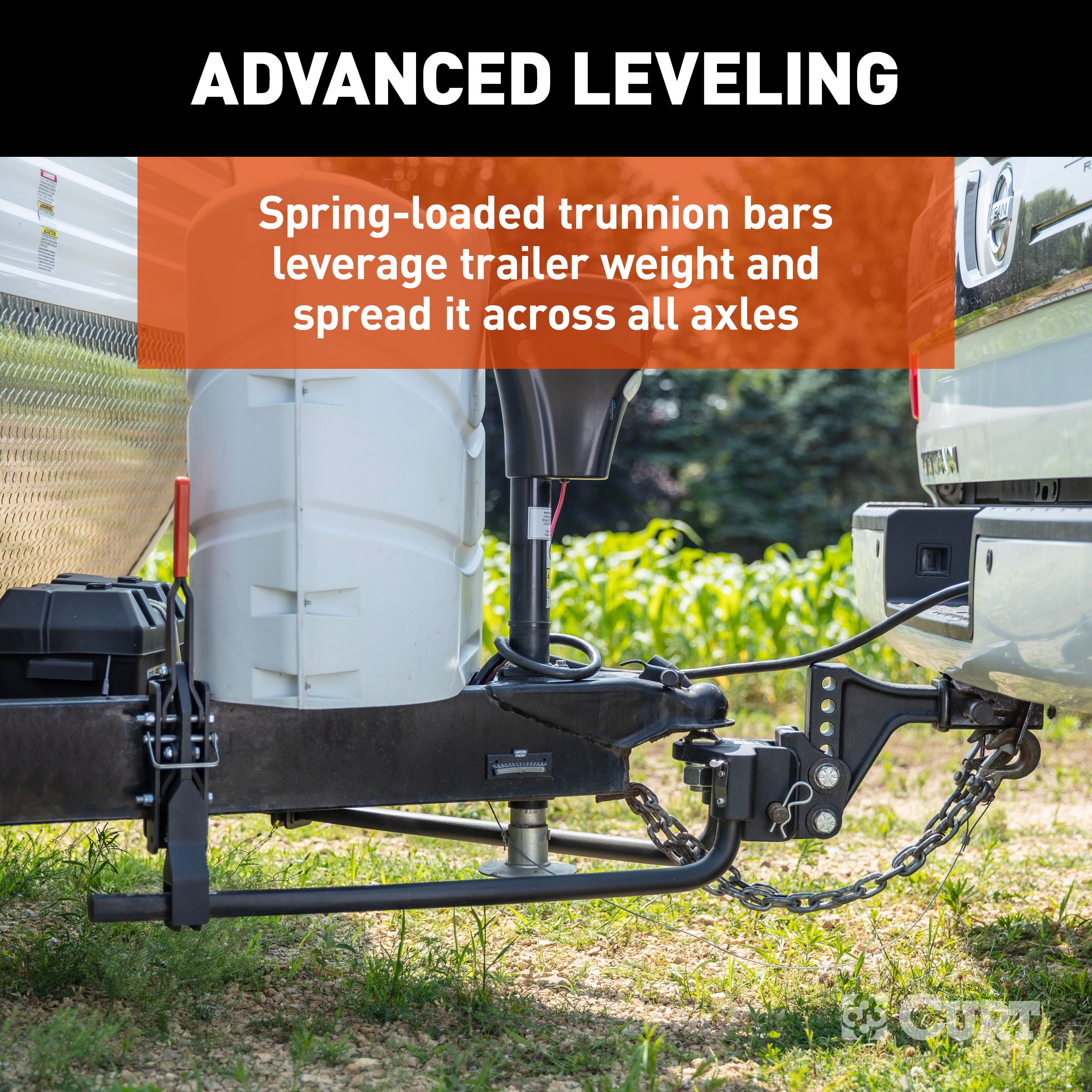
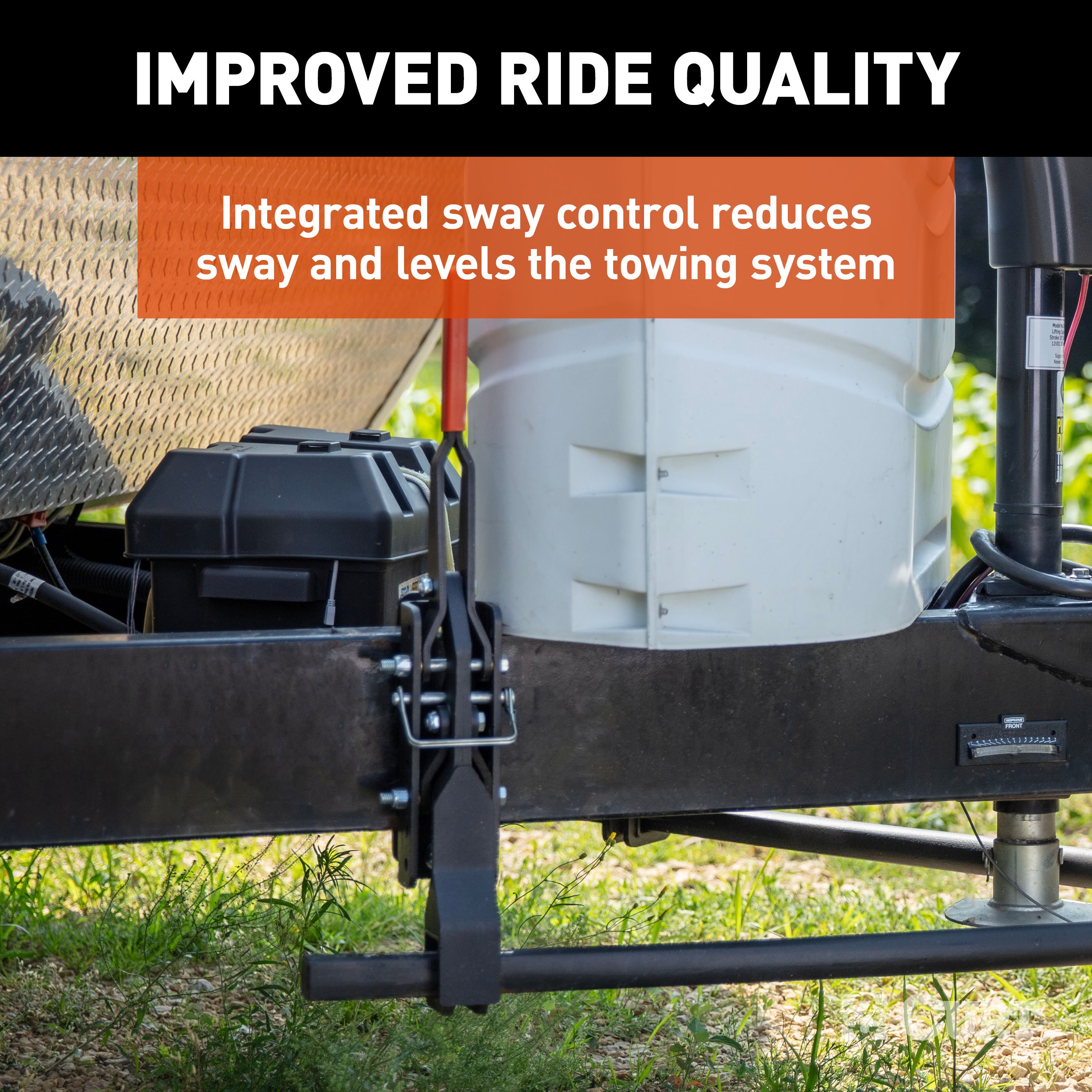
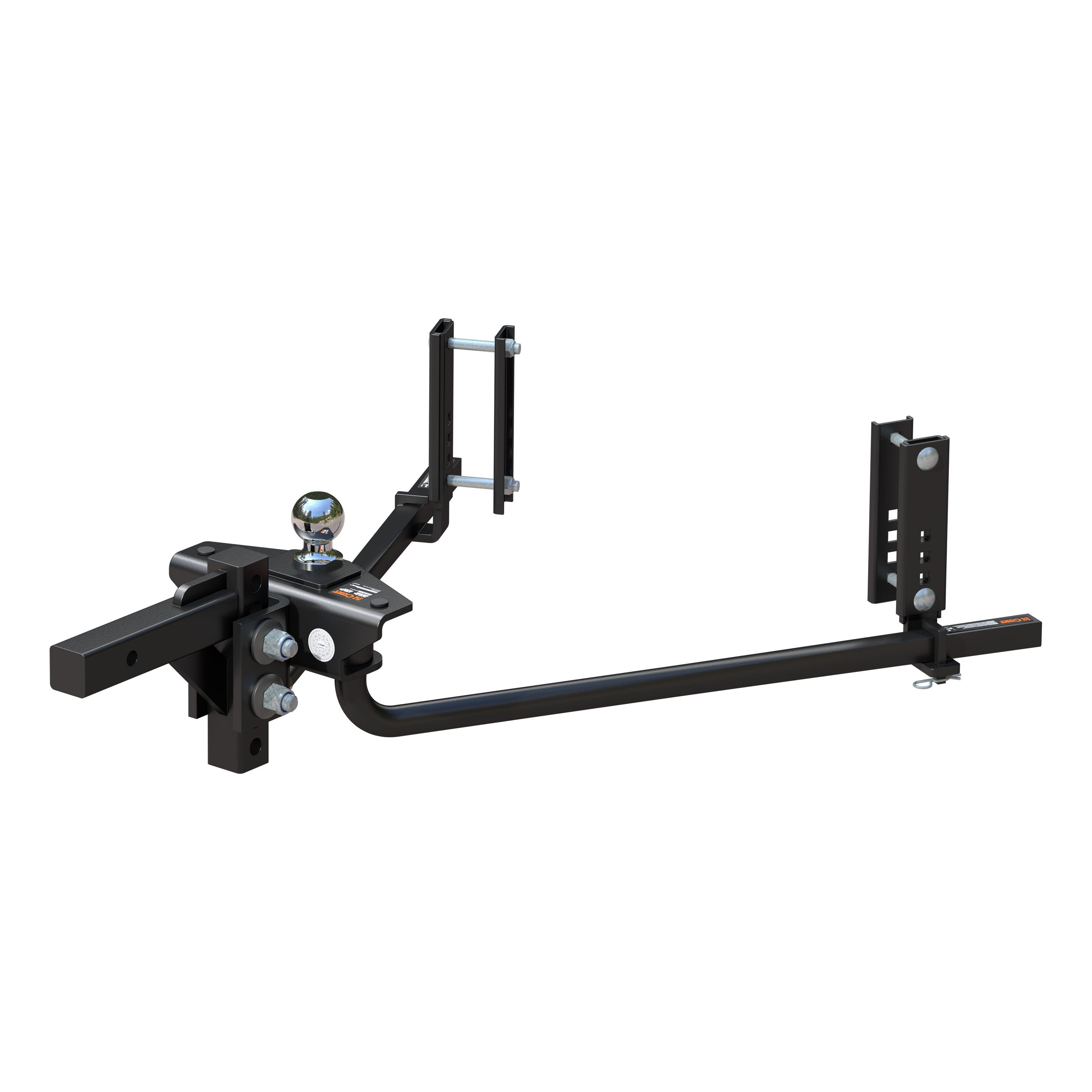
The CURT TruTrack trailer-mounted weight distribution hitch is a leader in its class and an innovative approach to weight distribution. It uses a unique quick-connect coupler that allows you to couple and uncouple your tow vehicle without resetting the spring bars each and every time. Traditional WD hitch systems require the spring bars to be connected each time you tow and disconnected each time you uncouple to park your trailer. The TruTrack removes the hassle of resetting and adjusting the hitch each time you need to hitch your tow vehicle or park your trailer. The TruTrack utilizes the same valuable weight distribution technology that the TruTrack system provides, which distributes weight evenly across the coupling point by using spring bars that leverage the trailer tongue weight and spread it across all axles of the vehicle-trailer combination. The TruTrack also features heavy-duty, adjustable support brackets that hold the spring bars in place laterally and vertically, which are more dependable and effective than chain systems. Many weight distribution hitches are made to work with a sway control attachment, however, they do not include the WD attachment itself. The TruTrack system is designed with spring bars integrated into the hitch itself. The TruTrack system is also compatible with other CURT products that streamline your towing experience and reduce stress. Products such as the adjustable channel mount hitch with dual ball accessory. This hitch adjusts in height and provides extra leveling capability and is especially useful if towing multiple trailers with varying heights or your tow vehicle is tall or lifted.

CURT offers a variety of high-quality trailer hitches and accessories for select vehicle models. Find the perfect fit for your towing needs at TowUniverse.
CURT, a Lippert brand, offers a complete line of towing products and is the leading manufacturer of custom-fit trailer hitches. We offer the broadest selection of custom-fit hitches, and each one is designed, welded, and coated in Wisconsin.
CURT is also a leader in flat towing products, as well as 5th wheel, gooseneck, and weight distribution hitches, ball mounts, electrical components, cargo solutions, and other towing accessories.
For everything from passenger cars and vans to full-size pickups and SUVs, CURT is 'The First Name in Towing Products®.'

Experts available to answer your questions
Call 888-634-9494Limited lifetime warranty (one-year finish, one-year parts)
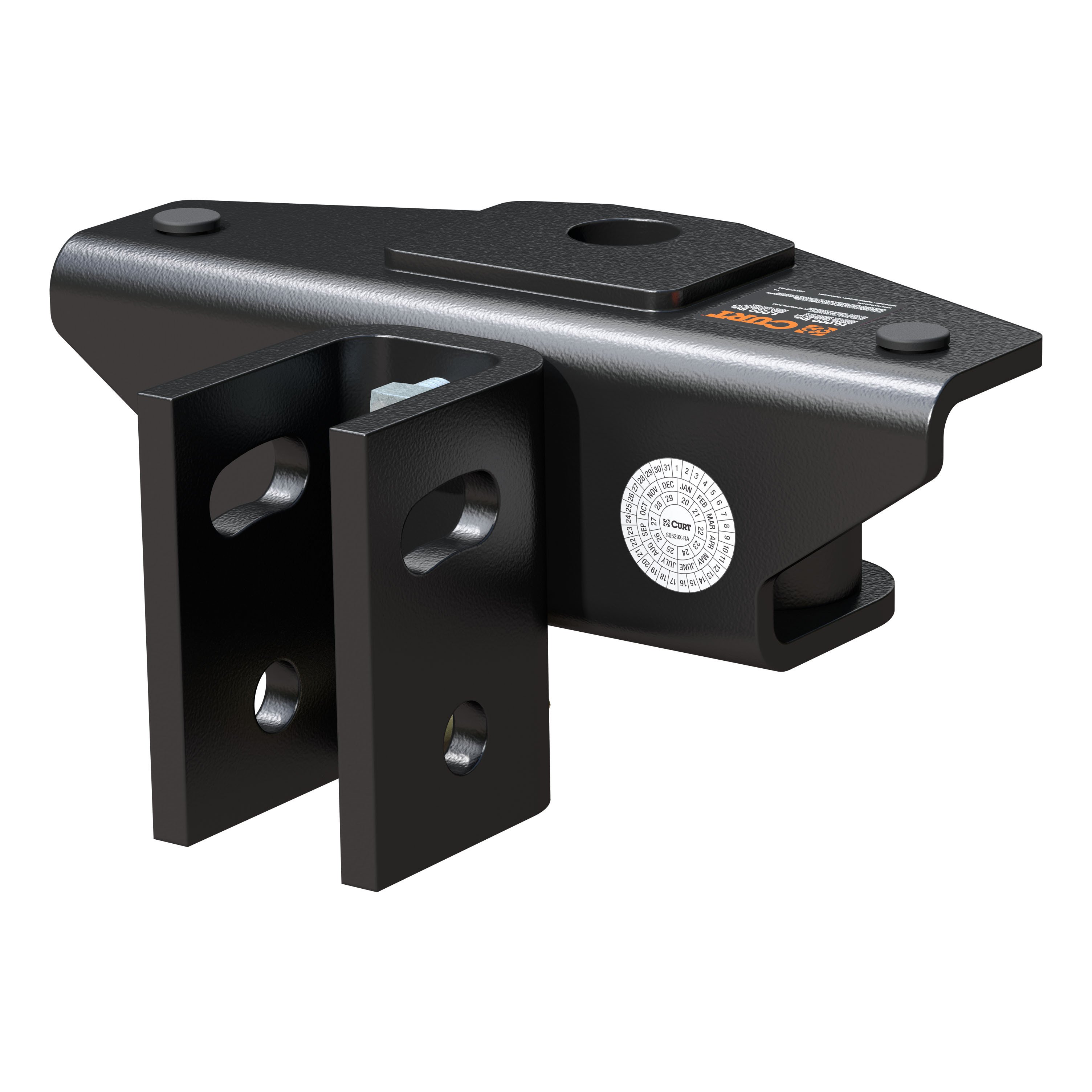
The CURT 17510 is a weight distribution hitch with spring bars designed to distribute trailer tongue weight across the towing vehicle's frame. It helps maintain proper vehicle balance and handling when towing. The hitch head connects to a trailer coupler, spring bars support the load, and an adjustable shank mounts to the vehicle's receiver.
Without spring bars, the maximum gross trailer weight is 10,000 lbs with 800 lbs tongue weight. With spring bars, the gross trailer weight ranges from 8,000–10,000 lbs with tongue weight of 800–1,000 lbs. The tongue weight rating of the spring bars represents the capacity of a pair of bars, not an individual bar. Do not exceed the maximum weight rating of the trailer ball or your vehicle manufacturer's recommended towing capacity.
Yes, the CURT 17510 is compatible with vehicles equipped with air springs, air shocks, or automatic leveling systems. Before assembling and adjusting the weight distribution hitch, check your vehicle's owner's manual for specific instructions. Unless otherwise indicated, air springs and air shocks should be deflated to their minimum recommended pressure before assembly and adjustment.
You will need a ratchet, socket set, torque wrench, and tape measure. The installation is rated as moderate difficulty and may vary depending on installer expertise, vehicle condition, and availability of proper tools and equipment.
The kit includes: 1 hitch head, 1 adjustable horn, 2 spring round bars, 1 adjustable shank, 1 clevis pin and clip, 4 serrated conical washers (3/4"), 2 cup point set screws (3/4"-10), 2 Nylock nuts (3/4"-10), 2 hex bolts (3/4"-10 x 5"), 2 snap-up brackets, 1 clip, and 1 hitch pin. The snap-up brackets include bushings.
The manual does not specify whether battery disconnection is required. Contact CURT Product Support at 877.287.8634 for vehicle-specific guidance.
You must align the tow vehicle and trailer on level pavement in a straight position. Level pavement is essential for accurate measurement and proper adjustment of the weight distribution hitch.
Apply heavy white lithium grease to the round end of each spring bar (#3) and push the end up into the head socket until you hear a click. This click indicates the spring bar is locked into place. To release a spring bar, lift up slightly on it and gently pull out the retaining pin in the hitch head; the spring bar will drop free.
First, remove the two 3/8"-16 hex bolts to access the snap-up mechanism and ensure bushings stay in proper holes. Adjust the 1/2"-13 carriage bolts to fit the trailer frame, then reinstall the 3/8"-16 hex bolts. Mount the bracket assembly in the loaded position by inserting carriage bolts through the adjustment plate and hand-tighten the two 1/2"-13 Nylock nuts. Slide the spring bars into the snap-up bracket and adjust until at least 4 inches of spring bar extends beyond the bracket. Set the bracket height so spring bars are parallel to the trailer frame, with at least 1 inch of clearance between the trailer frame bottom and spring bar tops. Torque the 1/2"-13 carriage bolts to 68 ft-lbs. Tighten all 3/8"-16 hardware snugly but do not over-tighten, as this may prevent smooth linkage operation.
Align the tow vehicle and trailer on level pavement in a straight position. Use the trailer tongue jack to level the trailer. Measure the distance from pavement to the inside hook of the head and record this measurement. Then use the trailer jack to raise the head starting at level, up 1/8" per 100 lbs of tongue weight, up to a maximum of 1,000 lbs or 1-1/4". Unload the snap-up brackets by pulling the wire lock clevis pin and rotating the snap-up handles down to the unloaded position.
Install the adjustable shank into the vehicle and measure from the pavement to the tip of the horn. Adjust the horn height by removing the 3/4"-10 hex bolts and moving the horn up and down to get as close as possible to your adjusted measurement without exceeding it. Reinstall the 3/4"-10 hex bolts and tighten by hand. Run the set screws inside the horn to make the horn parallel to the shank with no tilt.
Back the vehicle up and lower the trailer jack onto the horn. Insert the locking pin and clip (#5) into the head and horn. Pick reference points on the front and rear bumper of the towing vehicle and measure and record the height to pavement for both. To check if arms are properly loaded, lift up on the snap-up bracket until resistance is felt; the handle should be approximately at 30°. If you feel resistance before 30°, adjust the horn tilt until you reach the correct angle. Snap up one snap-up bracket at a time, ensuring the clevis pin is installed before releasing pressure on the handle. Measure the front and rear bumper heights again. The front bumper should measure lower than the previous dimension to ensure proper weight distribution.
Torque the 1/2"-13 carriage bolts to 68 ft-lbs.
Once optimal horn position is achieved, torque the 3/4" bolts to 200 ft-lbs. Tighten the set screw to 200 ft-lbs.
The loaded ball height should never be greater than the uncoupled ball height. If the loaded trailer ball height is greater than the uncoupled height, front wheel overload and loss of rear wheel traction can result, leading to unstable handling, reduced braking ability, and a tendency to jackknife when turning and braking at the same time. Reduce take-up on the spring bar, remeasure, and adjust until the proper height is obtained.
Before towing, check all of the following connections: hitch pin and clip (securing shank to receiver), head to shank fasteners, trailer ball nut, coupler latch, spring bar support brackets, safety chains, lights and turn signals, and braking system (including breakaway switch).
Spring bars are under tension and should be handled with care.
Never exceed the vehicle manufacturer's recommended towing capacity.
Keep the socket-mounted ends of the spring bars and the lock pins in the head assembly free from dirt and well lubricated. Excessive wear in this area may indicate overload or inadequate lubrication. Keep the head assembly exterior clean and do not allow dirt or stones to lodge between the spring bars and the head. Keep hitch parts painted to prevent rust and maintain appearance; do not paint over labels. Keep lift brackets clean and lubricated to ensure ease of operation. Periodic inspection should be performed to ensure all hardware and components remain secure.
Apply heavy white lithium grease to the round end of the spring bars before installation and to the spring bars and snap-up bracket where there is metal-on-metal contact during use.
There are two possible causes. First, the trailer and tow vehicle may be on uneven terrain. Remove the spring bars, connect them to the trailer, move the trailer to a level surface, and follow the installation steps to re-install the weight distribution bars and trailer hookup. Second, the horn tilt may be improperly adjusted. Reduce the horn tilt to eliminate pre-load on the bars prior to installing the clevis pin. The snap-up brackets must not see resistance until the handle is lifted approximately 30°.
There are two possible causes. First, the snap-up bracket assembly may not be aligned properly with the spring bar. Unload the arms, loosen the 1/2" carriage bolts to adjust the bracket to vertical, and re-tighten the hardware. Second, the 3/8" pivot bolts may not be tight enough, allowing the support arm to twist. Unload the arms and tighten the two pivot bolts to prevent the support arm from twisting or shifting.
The finish may be rubbing off during use. Apply grease to the spring bars and snap-up bracket where there is metal-on-metal contact.
The CURT 17510 is a weight distribution hitch that mounts to a vehicle receiver via an adjustable shank. Compatibility depends on your vehicle's receiver type and towing capacity. Contact CURT Product Support at 877.287.8634 or visit curtmfg.com for vehicle-specific fitment information.
You need a ratchet, socket set, torque wrench, and tape measure. A trailer jack is also required for setup and adjustment.
Torque the 1/2"-13 carriage bolts on snap-up brackets to 68 ft-lbs. Torque the 3/4" bolts and set screws on the horn to 200 ft-lbs once optimal position is achieved.
Check the hitch pin and clip, head to shank fasteners, trailer ball nut, coupler latch, spring bar support brackets, safety chains, lights and turn signals, and braking system including the breakaway switch.
Periodic inspection should be performed to ensure all hardware and components remain secure. Keep spring bars and lock pins lubricated and free from dirt.

Total for 2 items:
$896.94$1,239.90
On Sale Today
Original price was $922.95. Current price is $699.95.You save $223.00 (24%)
Free Shipping
Ships free on all orders
 Authorized Dealer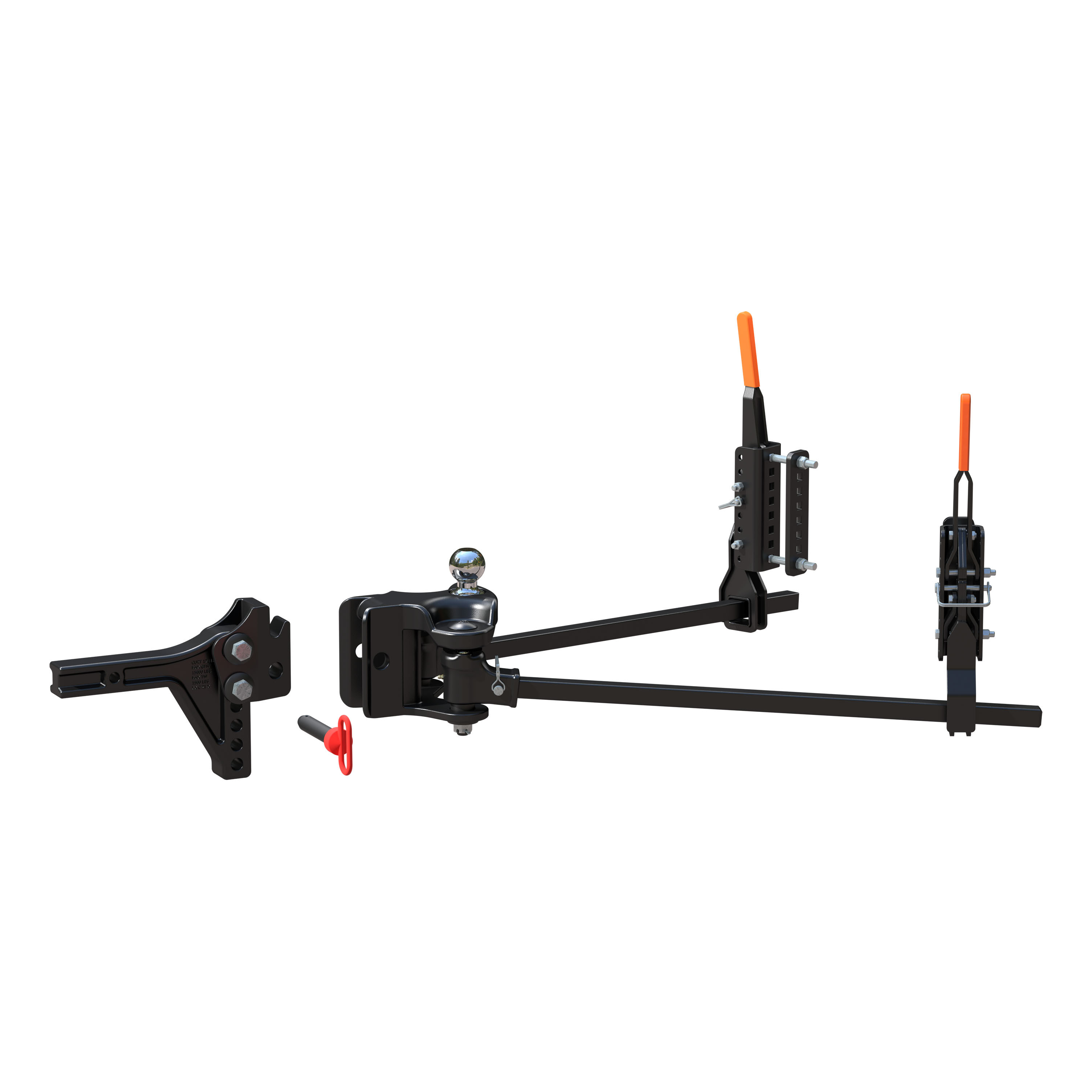

Quick Ship
In stock and ready to ship — order now!
Shipping from Eau Claire, WIFREE SHIPPING
Estimated delivery Sun, Oct 18 - Tue, Oct 20
Order before 2 PM EST Monday–Friday for same-day processing
Guaranteed safe & secure checkout
No reviews have been added for this product.