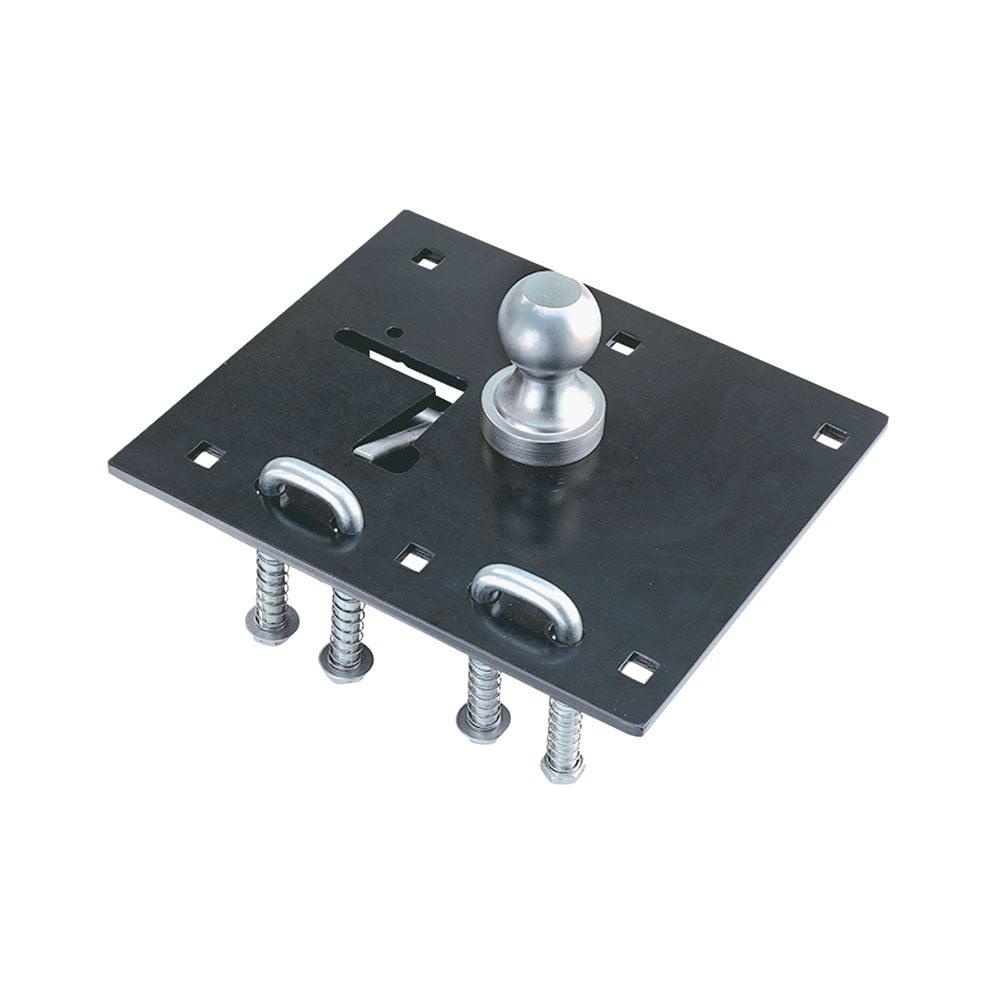
Draw-tite Remov-A-Ball Gooseneck Hitch Head, 30,000 lbs. Capacity 6300Draw-titeOriginal price was $388.75. Current price is $308.71.Out of Stock
View productOur in-house experts typically reply within one business day.

Draw-tite

Always the correct part
We know our products
Quality Products
Free Shipping!

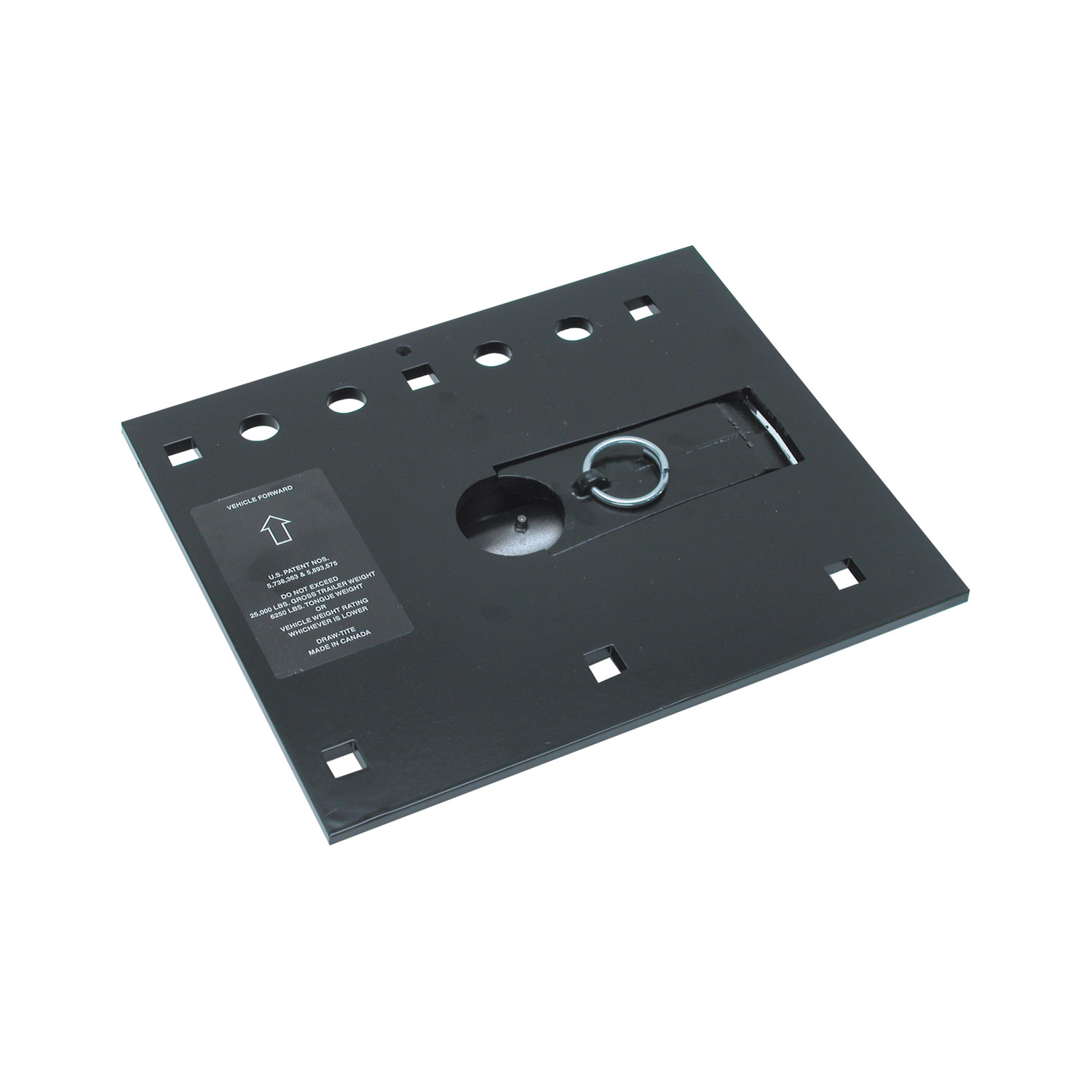
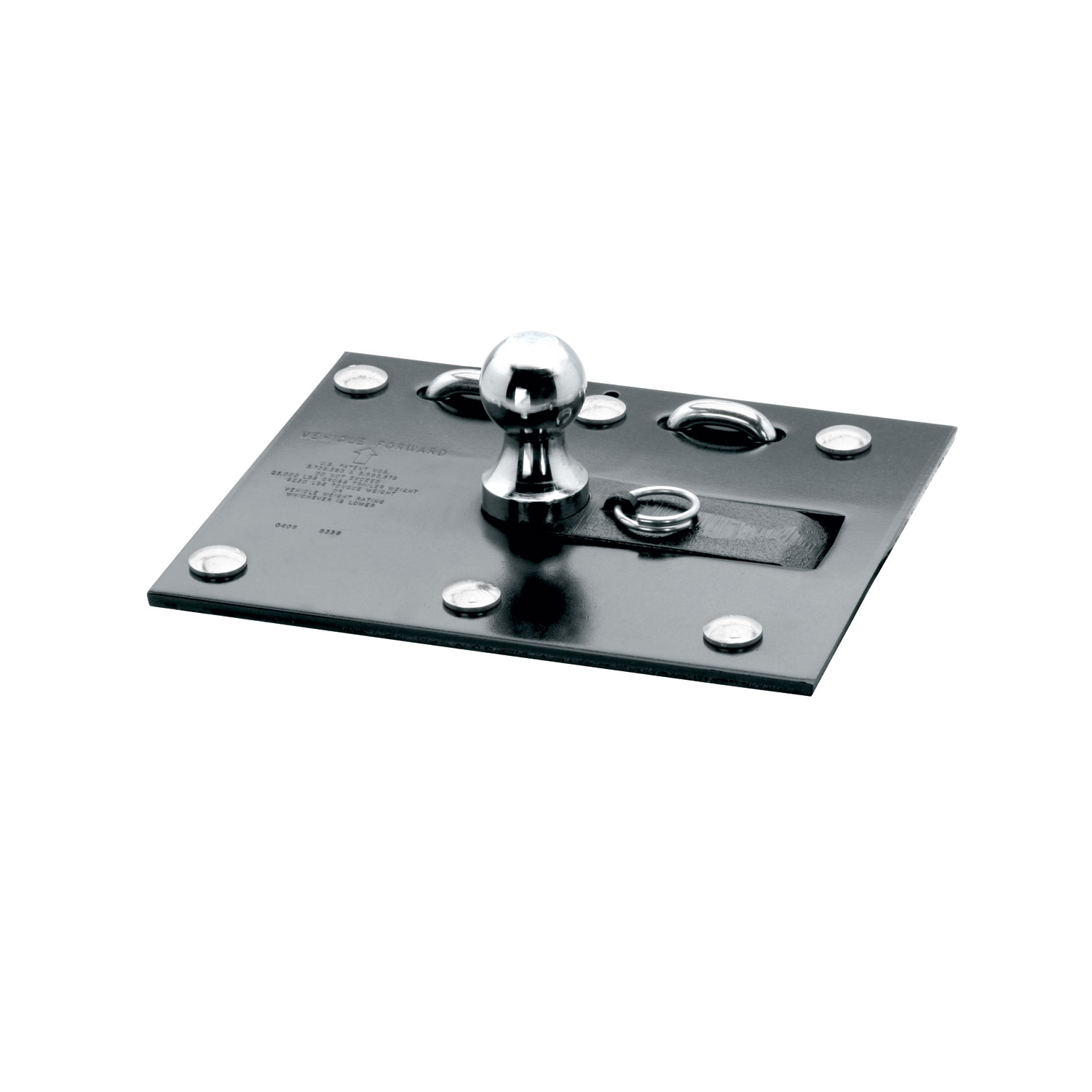
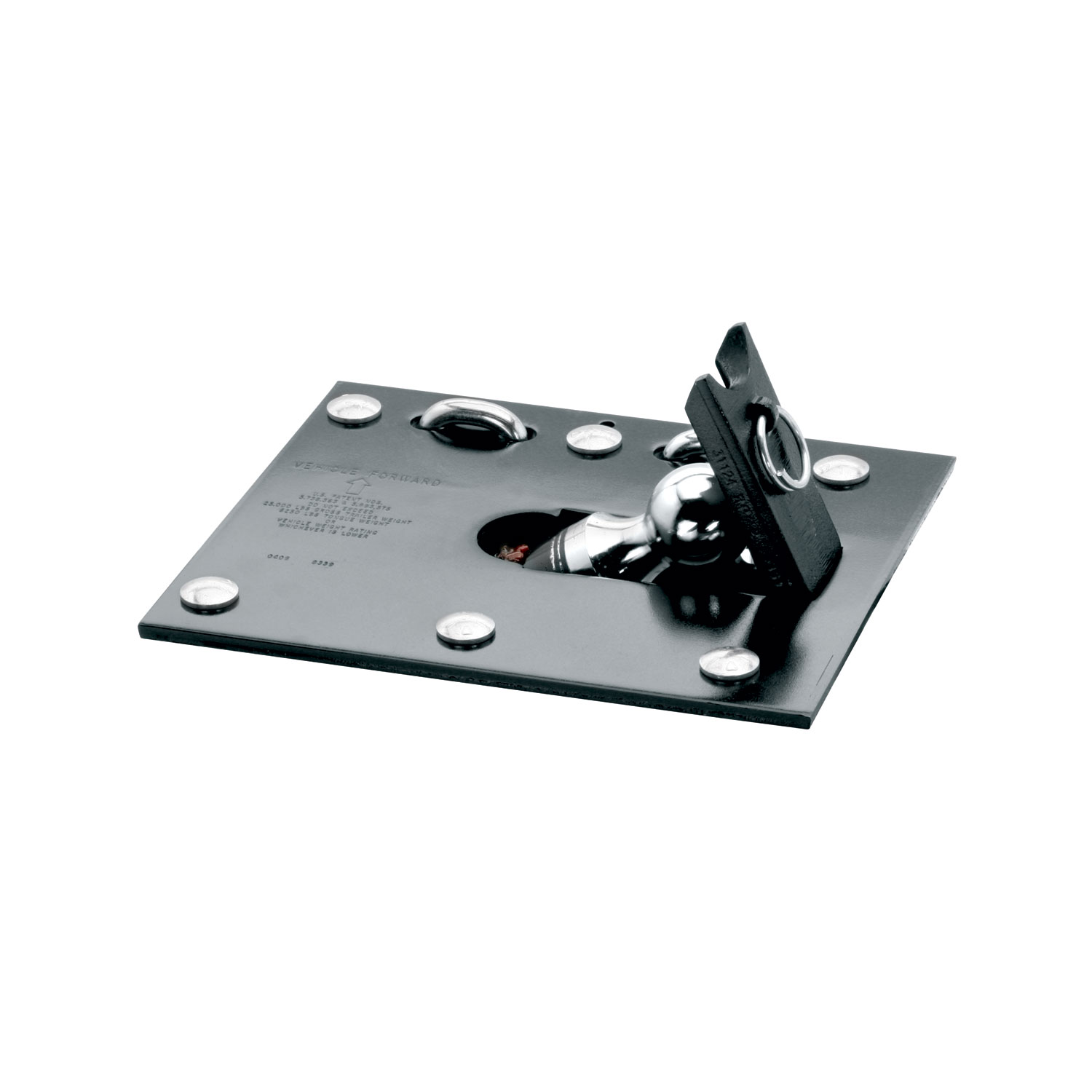
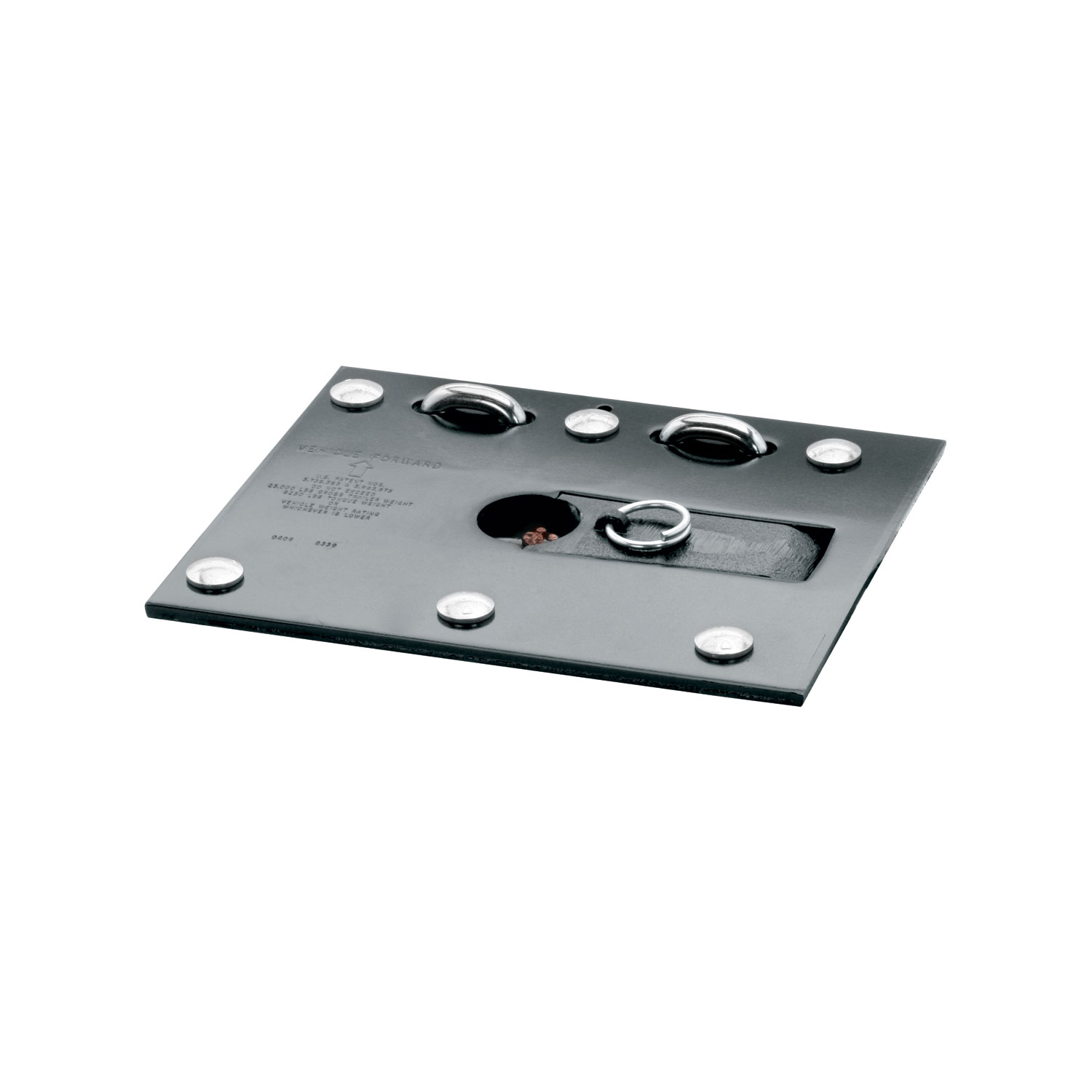
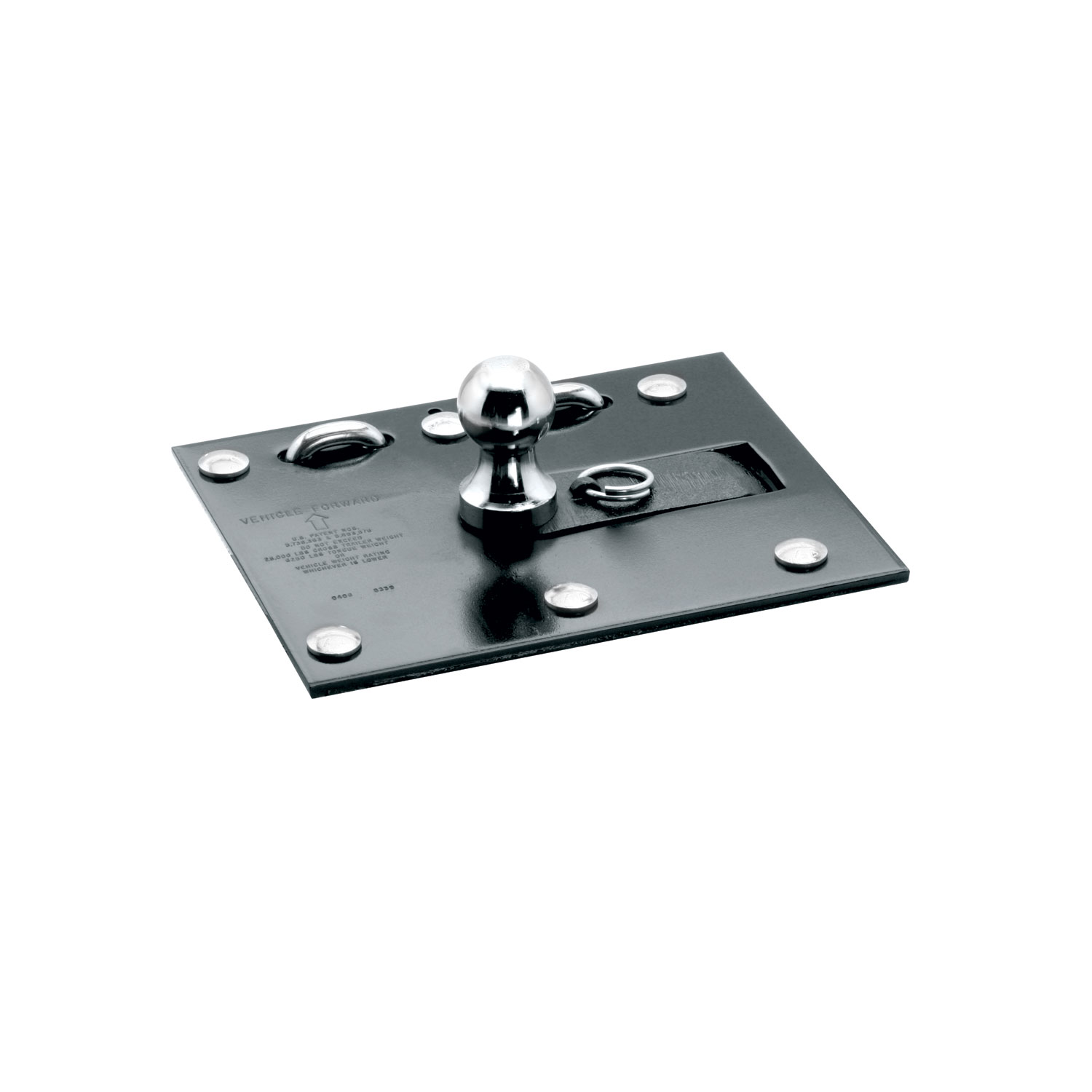
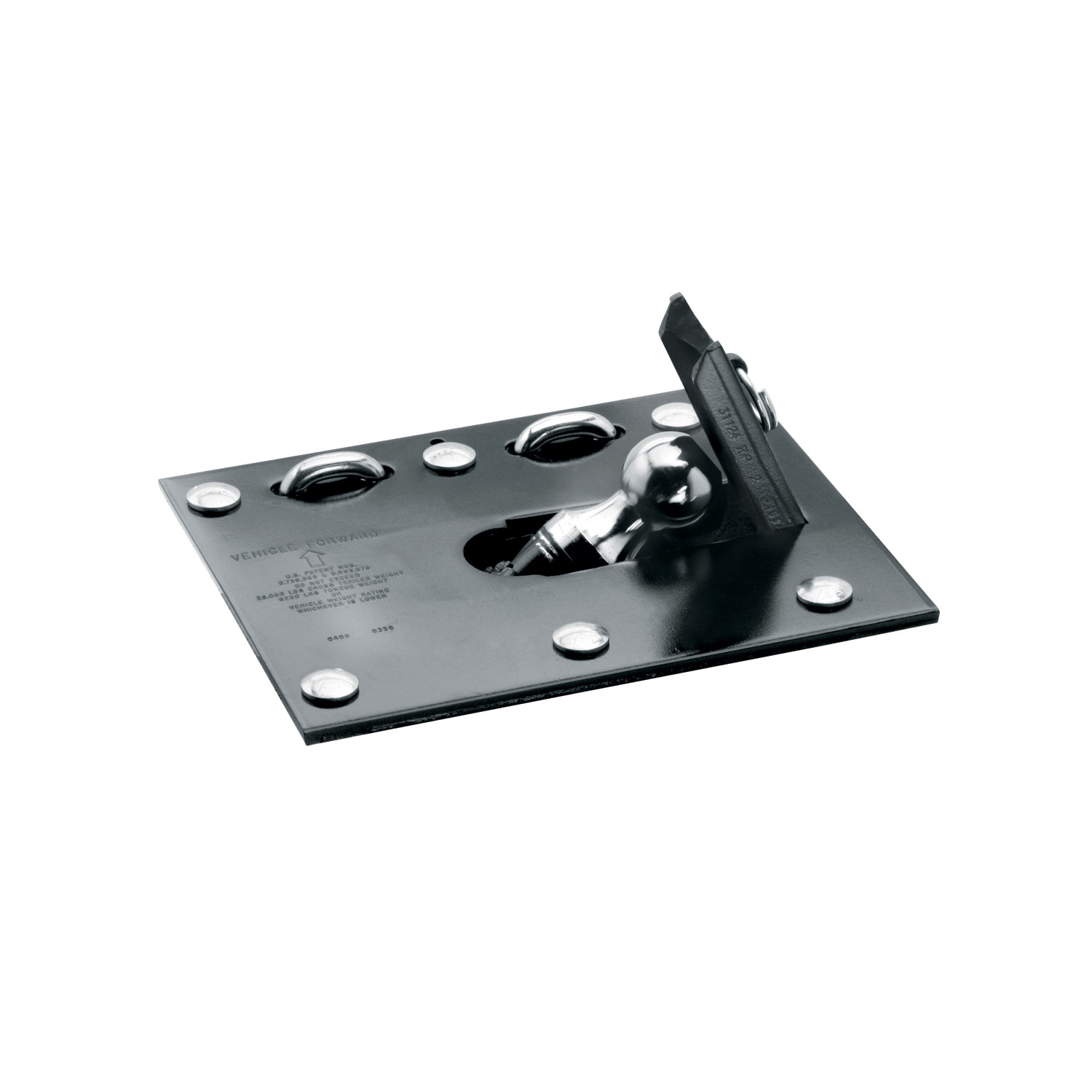
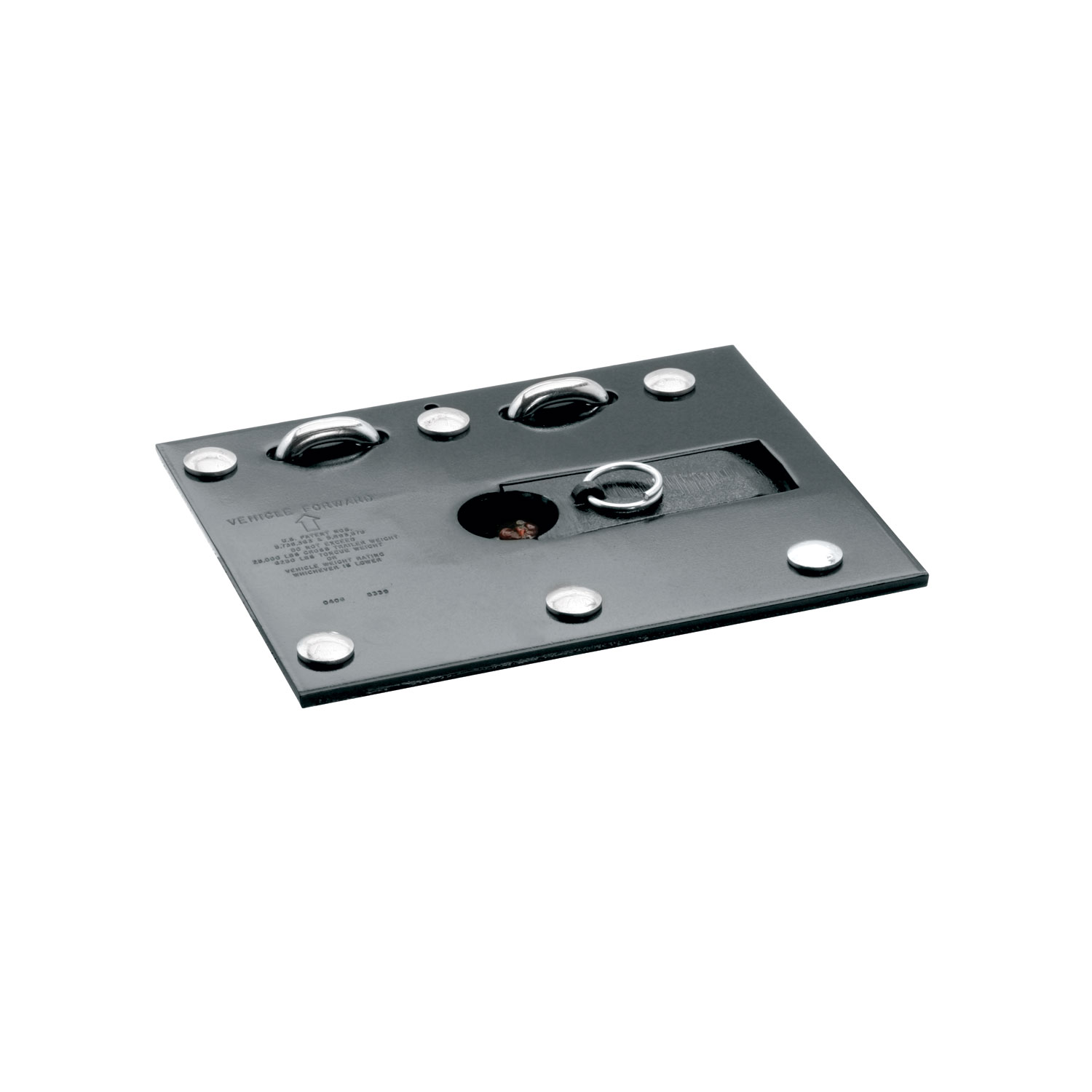
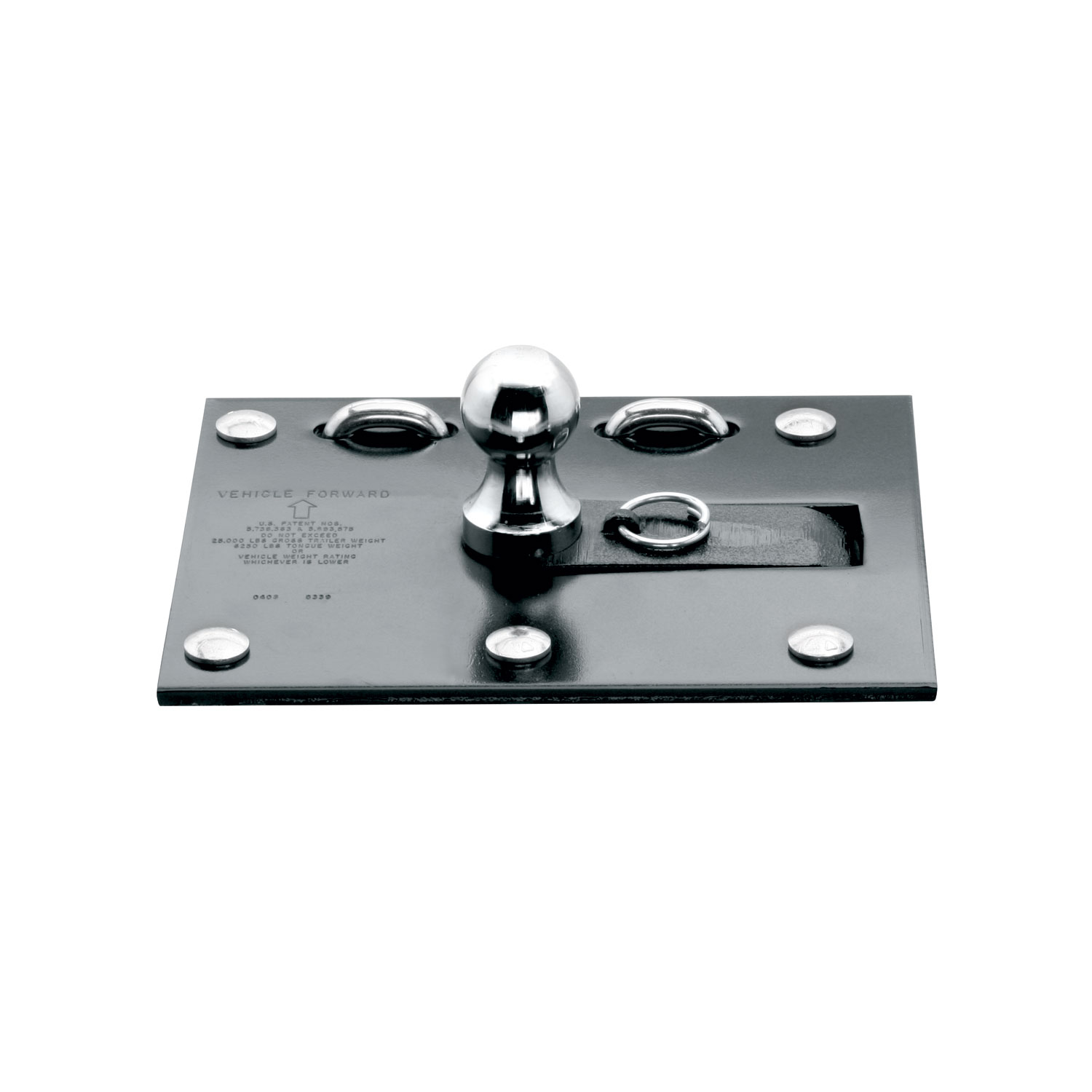
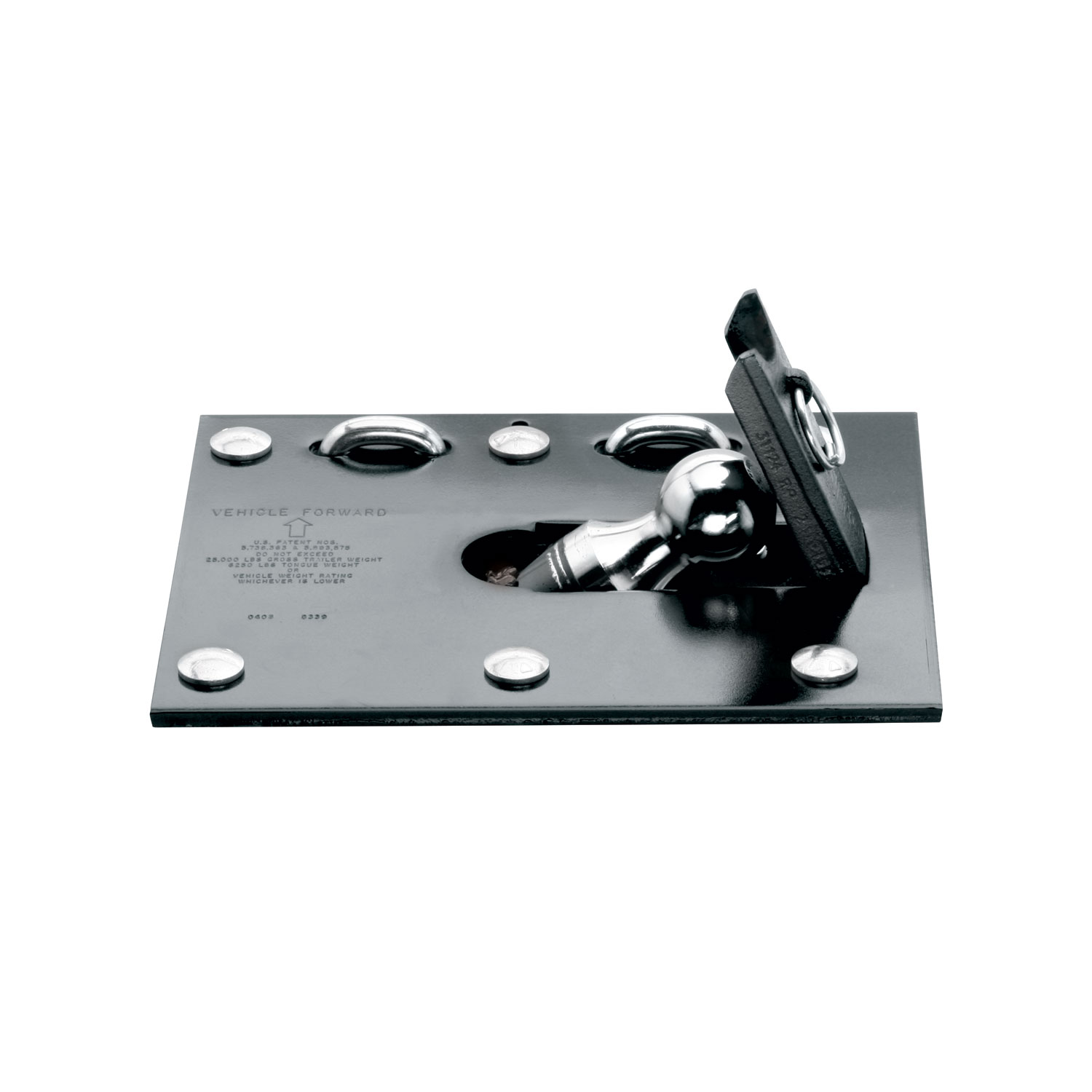
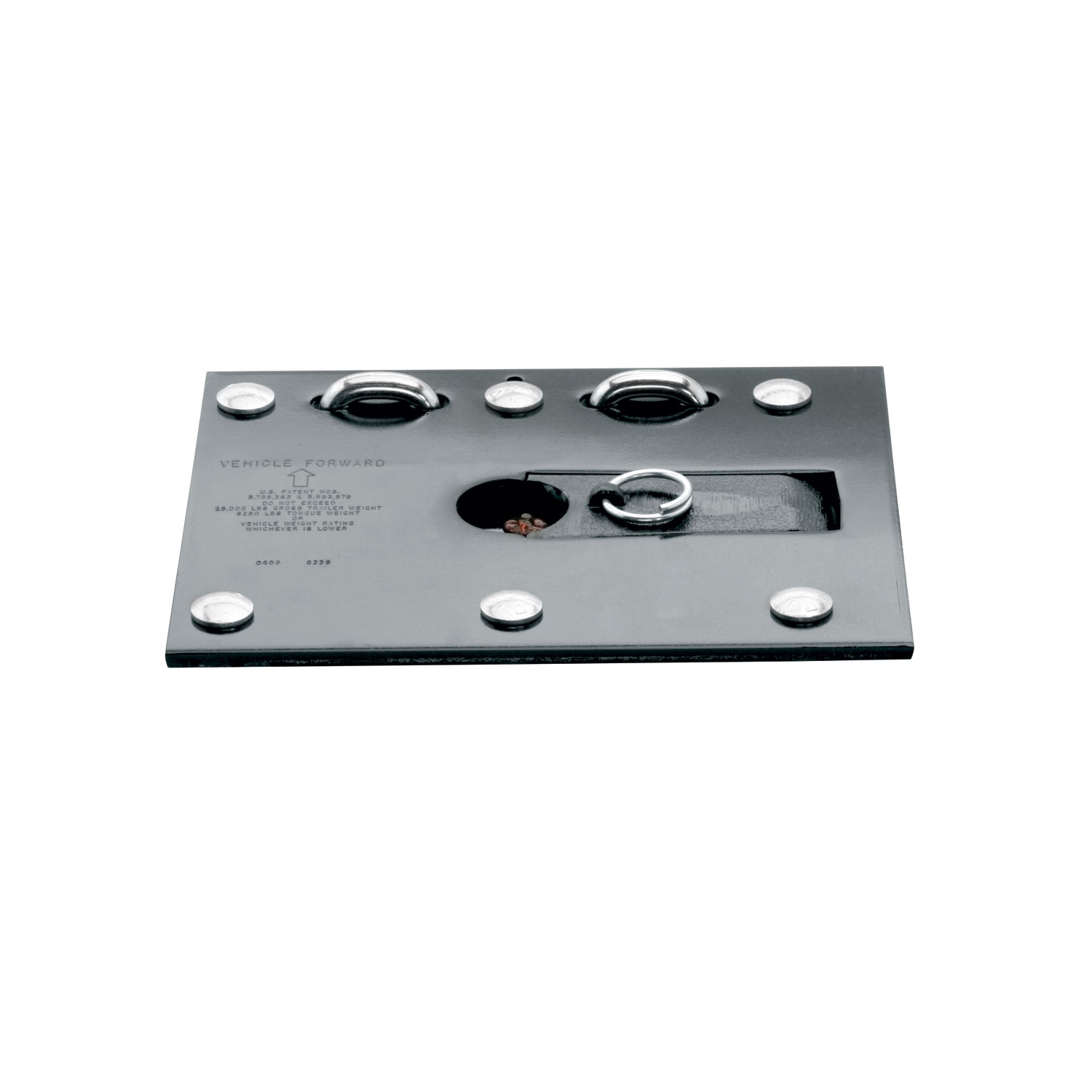
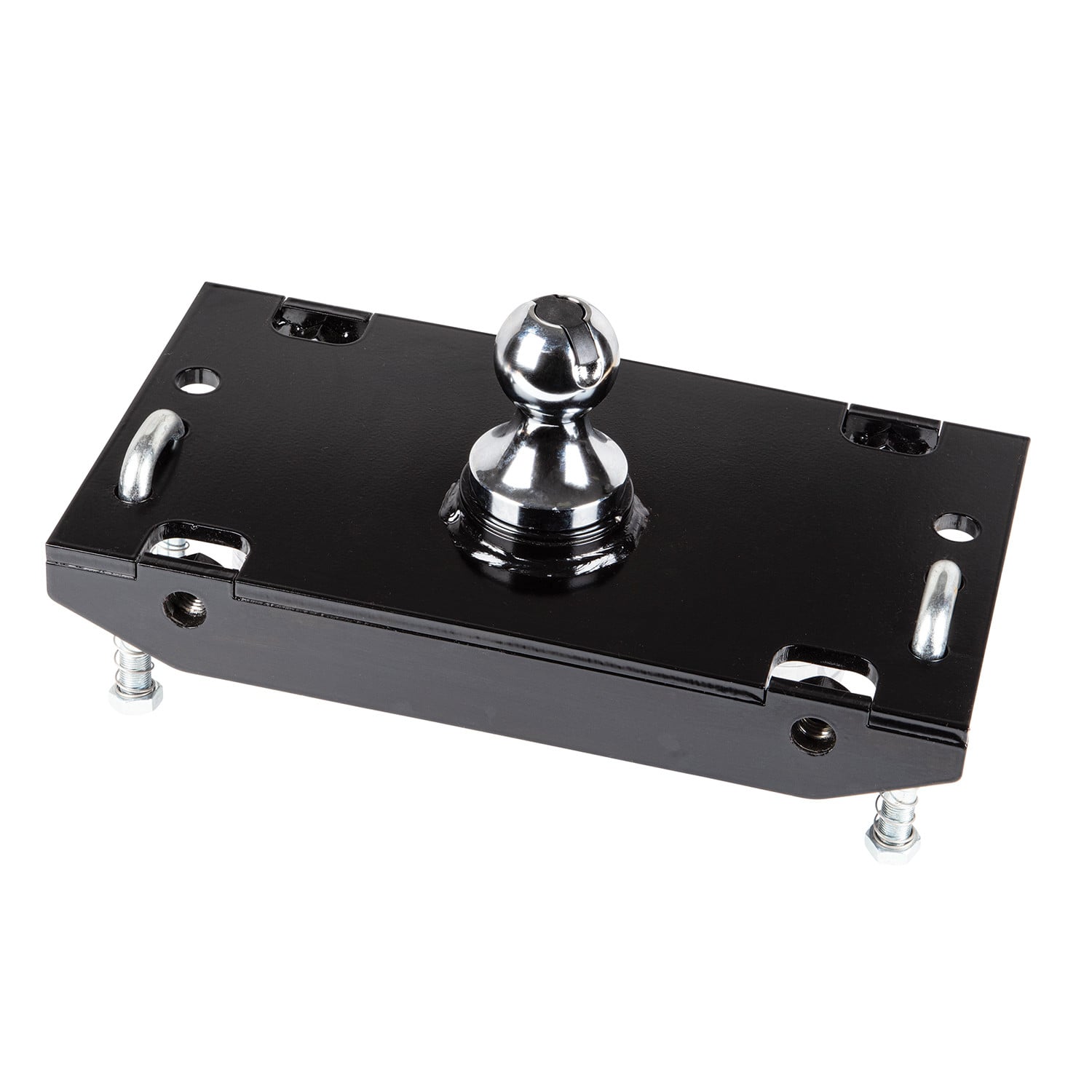
The REESE above bed fold-down gooseneck hitch is designed to allow unrestricted use of the truck bed when not towing. It conveniently takes only seconds to raise or lower the ball into position.
| BRAND: | DRAW-TITE |
| PART NUMBER: | 8339 |
| WARRANTY: | LIMITED LIFETIME WARRANTY |
| WEIGHT: | 42.8 LBS |
| BALL DIAMETER: | 2.313 IN. |
| GROSS TOWING WEIGHT: | 25,000 LBS. |
| UNIVERSAL OR SPECIFIC FIT: | UNIVERSAL |
| DRILLING REQUIRED: | YES |
| PIN WEIGHT CAPACITY: | 6,250 LBS. |
| WELDING REQUIRED: | NO |
| MATERIAL: | STEEL |
| MOUNTING HARDWARE INCLUDED: | YES |
| COLOR: | BLACK |
| BOLT GRADE: | GRADE 5 |
| HITCH BALL INCLUDED: | YES |

Draw-Tite has designed custom-fit trailer hitches since 1946 and is one of North America's most widely fitted hitch brands. Receiver hitches use solid all-welded construction and low-profile designs that follow modern vehicle contours, install with minimal bumper cutting or drilling, meet or exceed V5 CSA and SAE J684 standards, and carry a limited lifetime warranty.
Draw-Tite has been leading custom-fit trailer hitch design and engineering since its founding in 1946, and it remains one of the most widely fitted hitch brands in North America. The company's stated approach is straightforward: every hitch is tested rigorously so that it performs well beyond published industry standards, a philosophy it markets as Tested Tough. It sits within the Horizon Global towing group alongside Reese, Fulton, Bulldog, Tekonsha, Bargman and Wesbar.
Custom fit is the defining characteristic. Rather than adapting a universal design, Draw-Tite engineers a trailer hitch for a specific make, model and model year, so it bolts to existing frame locations with minimal bumper cutting or drilling. Low-profile designs follow the rear contours and aerodynamic styling of modern vehicles, which matters more than it once did now that rear fascias are shaped and sensor-equipped. Construction is solid all-welded steel for maximum strength, and every hitch meets or exceeds V5 CSA and SAE J684 standards and is backed by a nationwide limited lifetime warranty.
The range spans receiver sizes and classes to suit different loads, from 1-1/4 inch receivers for bike racks, cargo carriers and light trailers up through 2 inch receivers for heavier towing. Front mount hitches add a receiver at the front of the vehicle for winch mounts, snow plows, spare carriers and precise trailer positioning.
The Hidden Hitch series takes concealment further by mounting behind the vehicle's rear fascia, so the vehicle keeps its factory appearance until a removable receiver is fitted. Each is custom designed per make and model for a no-drill installation that does not compromise ground clearance, rated for up to 3,500 pounds gross trailer weight and 350 pounds tongue weight. Matching plug-and-play wiring completes the towing system.
Experts available to answer your questions
Call 888-634-9494Lifetime
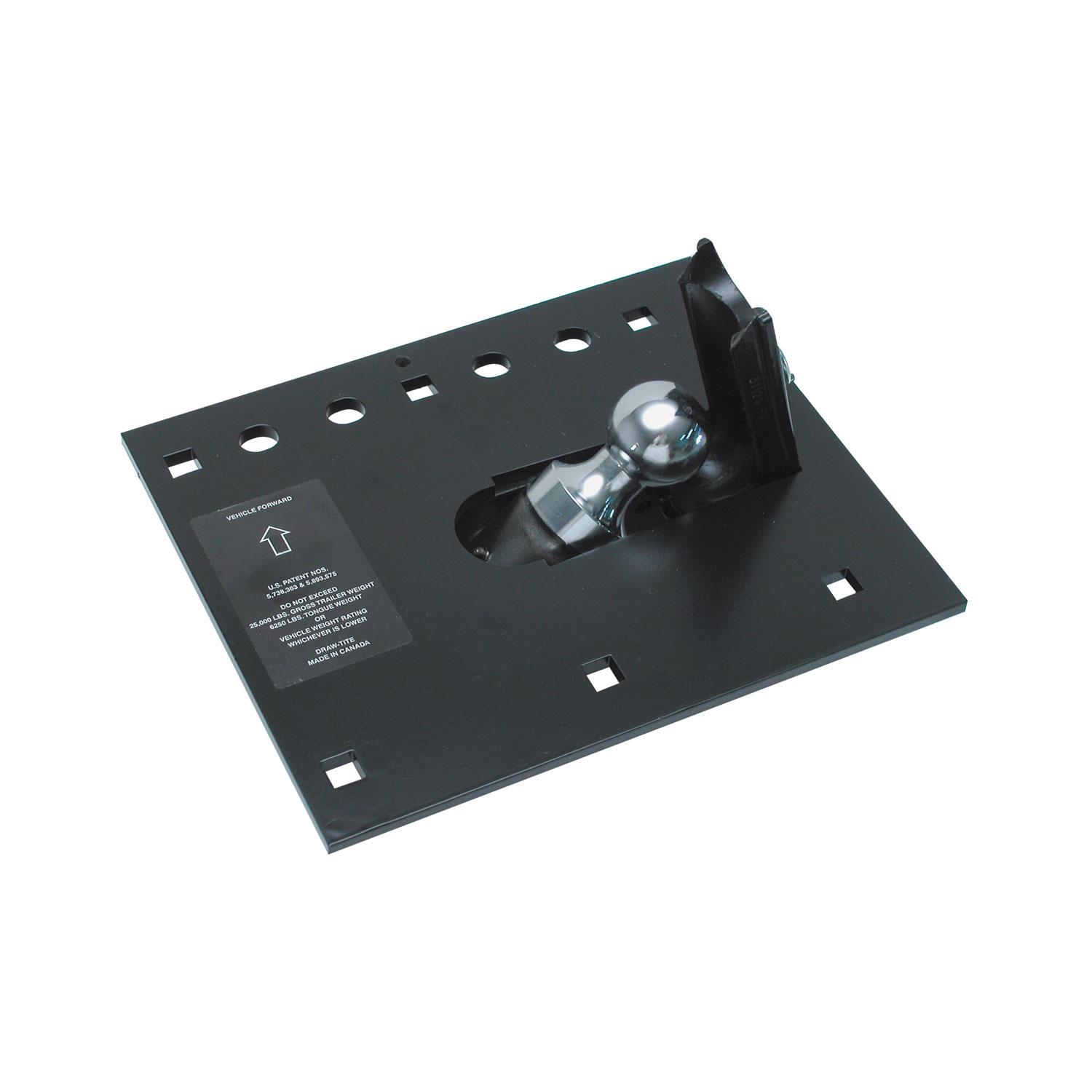
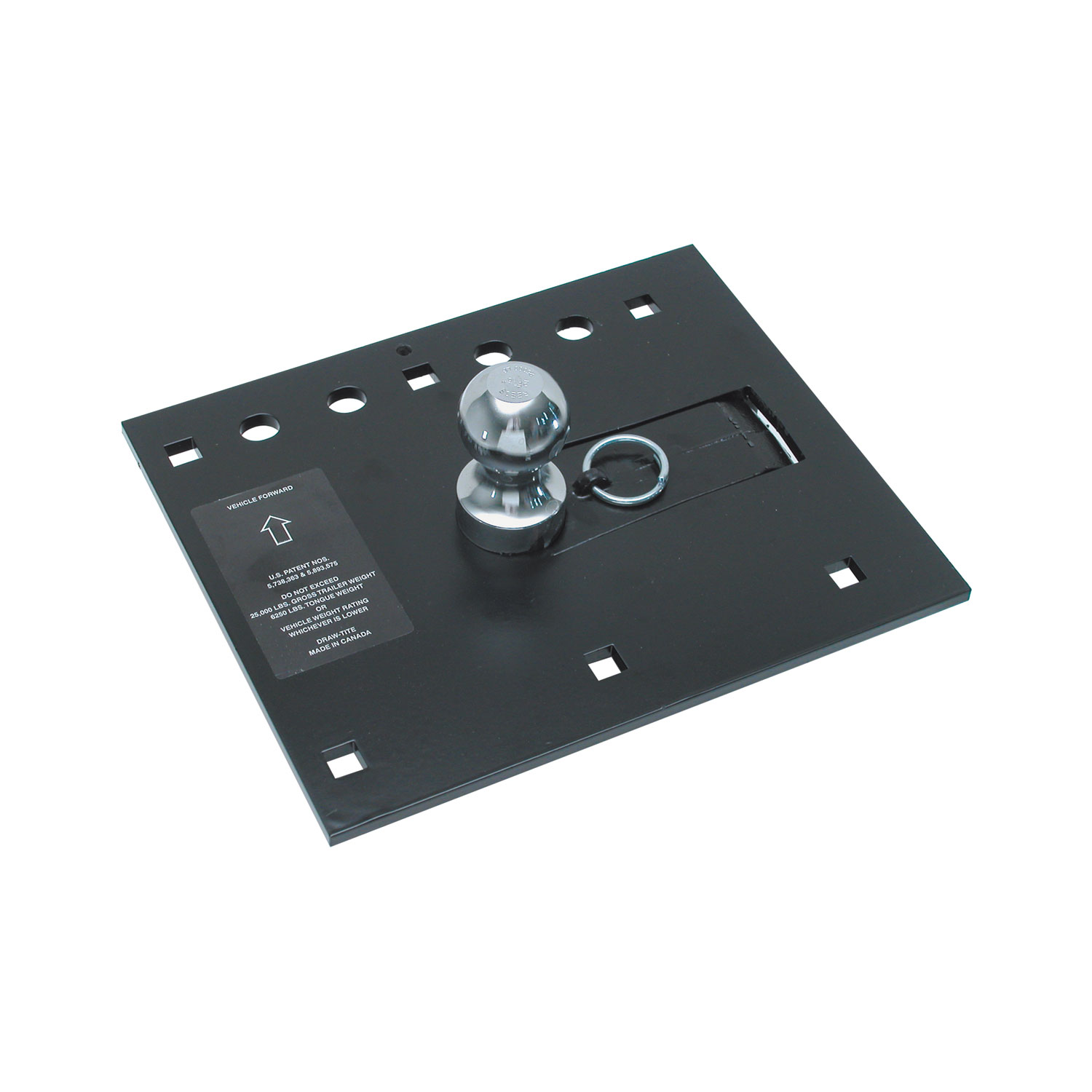
The Catalog No. 8339 is a 2 5/16" folding ball gooseneck hitch designed for pickup trucks with metal beds. It features a folding ball mechanism that can be raised to an upright position for towing or lowered to a horizontal position when not in use. The hitch is covered by U.S. Patent Nos. 5,738,363 and 5,893,575.
No. The Catalog No. 8339 is designed for pickup trucks with metal beds. GM trucks with composite (non-metal) beds require Installation Kit #58209 instead.
Yes. The product is intended to be used with Towing Products manufactured Rail Kits. If Rail Kits are used, the gooseneck hitch installation instructions are included as part of the Rail Kit installation instructions. If Towing Products Rail Kits are not used, the hitch becomes a general application product and the installer is responsible for selecting structurally safe materials and locations for attachment.
The maximum ratings are 25,000 lb Gross Trailer Weight and 6,250 lb Vertical Load. Do not exceed the lower of the towing vehicle manufacturer's ratings or these limits. Gross Trailer Weight is the weight of the trailer plus cargo. Vertical Load is the downward force exerted on the ball by the trailer coupler.
Required tools are: hand drill, drill bits (1/4", 5/8", 3/4"), sockets and wrenches (9/16" and 15/16"), center punch, torque wrench, saber saw, files (round and flat), and hammer.
The hitch ball must be located along the truck's fore/aft centerline and above and forward of the rear axle. Adequate clearance must be provided between the gooseneck trailer and the rear of the vehicle so the trailer does not contact the truck during turning. Adequate clearance must also be provided between the forward corners of the gooseneck trailer and the cab of the truck. The ball position and under-vehicle supports must not interfere with any vehicle crossmembers, brake lines, electrical wiring, cables, fuel lines, or vents.
Yes. If the truck is equipped with a bed liner, a 14.5" x 12" section of the bed liner must be cut out so that the gooseneck platform can contact the metal truck bed corrugations.
Drill 1/4" pilot holes. The exact size will depend on the width of the blade in the saber saw being used.
Drill 5/8" diameter holes through the truck bed and/or under-vehicle supports for the carriage bolts. Drill 3/4" diameter holes for the U-bolts. Before drilling, ensure the platform is oriented square to the truck centerline and does not interfere with any vehicle crossmembers, brake lines, electrical wiring, cables, fuel lines, or vents.
No. Do not cut access or attachment holes with a torch.
Shims (not provided) must be placed between the platform and the bed and between the under-vehicle structure and the bottom of the bed. These shims are necessary to prevent the truck bed corrugations from collapsing when the carriage bolts are tightened.
The part bag includes: four 5/8-11 x 2.5 Grade 5 carriage bolts, four 5/8-11 nuts, four 5/8 lock washers, two 5/8 U-bolts (zinc plated), four 5" springs, four 5/8-18 lock nuts, eight 9/16 flat washers, and one 5/16" x 1" x 2" shim.
The 5/8" x 2.50" Grade 5 carriage bolts must be torqued to 150 lb-ft.
Install the two U-bolts through the platform. From under the truck, install a large flat washer over the U-bolt followed by a spring, another large flat washer, and secure with a thin 5/8" jam nut. Repeat for the other legs of the U-bolts. The 5/8" jam nuts should be tightened until 3 threads are visible past the bottom of the nut.
1. Grasp the lift ring and raise the cover until the spring holds the cover open. 2. Grasp the ball and rock it to its vertical position. 3. Lower the lift ring and cover so that it locks the ball in the upright position. The hitch features a ball detent lock backup to provide double coverage in preventing the ball cover from opening unintentionally.
To lower the ball into the horizontal position, repeat the steps for raising the ball: grasp the lift ring and raise the cover until the spring holds it open, then grasp the ball and rock it to its horizontal position, and lower the lift ring and cover to lock it in place.
Lift the spring-loaded safety chain U-bolts to attach the safety chains. The hitch features two spring-loaded safety chain mounts. Connect safety chains properly every time you tow, attaching them securely through the U-bolts so they cannot bounce loose. Leave only enough slack to permit full turning.
After installation, slowly back the trailer to a jackknifed position to the tow vehicle while checking for adequate clearance between the gooseneck trailer and the rear of the vehicle. Also check for adequate clearance between the forward corners of the gooseneck trailer and the cab of the truck. Slowly jackknife the truck and trailer in the opposite direction and check the clearances to the end of the truck and the cab.
The coupler must be adjusted to provide about 6" of clearance between the bottom of the trailer nose and the top of the pickup bed sides. Follow the coupler manufacturer's operating instructions for adjustment.
Monthly maintenance includes: keep the ball envelope and pivoting mechanism free from dirt and debris; lubricate the ball cover pivot with light-weight oil or equivalent; grease the ball pivot at the grease zerk (located on the ball assembly); lubricate the ball detent regularly with light-weight oil and keep it free from dirt and debris; and retorque all hardware. The hitch features an easily accessible grease zerk for monthly greasing.
Gross Trailer Weight is the weight of the trailer plus cargo. Measure Gross Trailer Weight by putting the fully loaded trailer on a vehicle scale. This weight must never exceed 25,000 lb or the lower of the towing vehicle manufacturer's rating.
Vertical Load is the downward force exerted on the ball by the trailer coupler. Measure Vertical Load using a vehicle scale with the fully loaded trailer on a level surface and the coupler at normal towing height. This load must never exceed 6,250 lb or the lower of the towing vehicle manufacturer's rating.
Safety requirements include: connect safety chains properly every time you tow, attaching them securely through the U-bolts; make trailer lights, turn signals, electric and breakaway switch connections every time you tow, no matter how short the trip, and check operation before getting on the road; check the ball, coupler, chains, and all other connections every time you tow and re-check at fuel and rest stops; never allow passengers in the trailer under any circumstances; place heavy objects on the floor ahead of the axle and balance the load side-to-side; never load the trailer rear-heavy; load the trailer heavier in the front but not greater than the tongue weight rating of the hitch; allow extra time for passing, stopping, and changing lanes; drive slowly on rough roads; and stop and make a thorough inspection if any part of the towing system strikes the road.
No. Do not tow one trailer behind another, which may cause loss of control.
No. Do not modify the hitch. Failure to heed warnings and follow instructions may result in serious personal injury or death, vehicle crash, and/or property damage.
Retorque all hardware monthly. The manual also states that a hitch or ball which has been damaged should be removed and replaced, and you should check the hitch frequently, making sure all fasteners are properly tightened.
No. The Catalog No. 8339 is for metal beds only. GM composite (non-metal) beds require Installation Kit #58209.
Hand drill, drill bits (1/4", 5/8", 3/4"), sockets and wrenches (9/16" and 15/16"), center punch, torque wrench, saber saw, and files (round and flat).
Yes. Installation requires drilling 1/4" pilot holes, 5/8" holes for carriage bolts, and 3/4" holes for U-bolts, plus cutting out a 14.5" x 12" section of the truck bed.
Torque the 5/8" x 2.50" Grade 5 carriage bolts to 150 lb-ft.
Maximum Gross Trailer Weight is 25,000 lb and maximum Vertical Load is 6,250 lb. Do not exceed the lower of these limits or the towing vehicle manufacturer's ratings.
Monthly: lubricate the ball cover pivot and ball detent with light-weight oil, grease the ball pivot at the grease zerk, keep the ball envelope free from dirt and debris, and retorque all hardware.
No. Never allow people in the trailer while towing, under any circumstances.
This indicates that shims were not properly placed between the platform and the bed and between the under-vehicle structure and the bottom of the bed before tightening the carriage bolts. Shims are necessary to prevent the truck bed corrugations from collapsing. Ensure adequate shims are in place before tightening the 5/8" carriage bolts to 150 lb-ft.
The hitch features a ball detent lock backup to provide double coverage in preventing the ball cover from opening unintentionally. If the cover opens unintentionally, lubricate the ball detent regularly with light-weight oil and keep it free from dirt and debris. If the problem persists, the ball detent may be damaged and the hitch should be removed and replaced.
Check the hitch frequently, making sure all fasteners are properly tightened. Retorque all hardware monthly. If fasteners repeatedly become loose, the hitch may be damaged and should be removed and replaced.
Stop immediately and make a thorough inspection of the hitch, ball, coupler, chains, and all other connections. Correct any problems before resuming travel. If the hitch or ball has been damaged, it should be removed and replaced.
George
The staff was able to quickly assist me with locating the correct product I needed. Shipping was really fast. Item arrived in 2 days. Will be using TowUniverse again!!
May 22, 2023
On Sale Today
Original price was $343.75. Current price is $250.66.You save $93.09 (27%)
Free Shipping
Ships free on all orders
 Authorized Dealer


FREE ShippingFREE SHIPPING
Estimated delivery Thu, Sep 17 - Sun, Sep 20
Order before 2 PM EST Monday–Friday for same-day processing
Guaranteed safe & secure checkout