
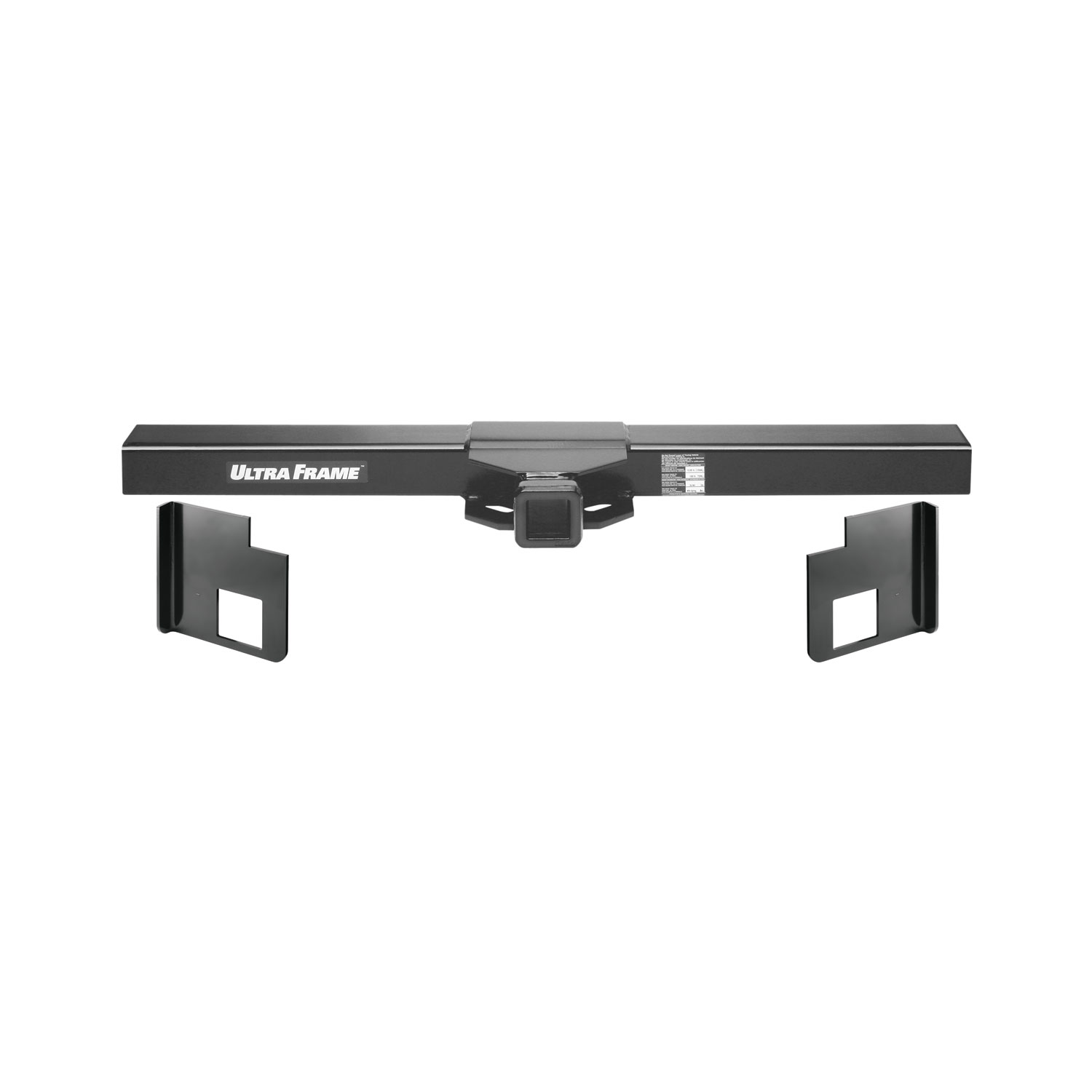
Draw-tite Ultra Frame® Weld Together Trailer Hitch For Service Body Trucks, Complete Kit (#41990 & #4916) 41990-16Draw-titeOriginal price was $447.50. Current price is $320.94.Out of Stock
View productOur in-house experts typically reply within one business day.

Draw-tite


Always the correct part
We know our products
Quality Products
Free Shipping!
Always the correct part
We know our products
Quality Products
Free Shipping!

When the workload is heavy, professionals turn to Draw-Tite to get the job done. Draw-Tites Class V trailer hitches are custom-built according to vehicle manufacturer weight specifications and model year to ensure a perfect fit. These heavy-duty hitches are made of solid all-welded construction and are tested to meet and often times exceed - the toughest industry standards so you can be confident that they can handle heavy-duty commercial jobs. Top towing performance when you need it most. Brought to you by Draw-Tite, North Americas Favorite Hitch.
| BRAND: | DRAW-TITE |
| PART NUMBER: | 41990-07 |
| WARRANTY: | LIMITED LIFETIME WARRANTY |
| WEIGHT: | 54.5 LBS |
| GROSS TOWING WEIGHT: | 16,000 LBS. |
| GROSS TONGUE WEIGHT: | 1,600 LBS. |
| RECEIVER SIZE: | 2 IN. |
| HITCH CLASS: | V |
| DRILLING REQUIRED: | YES |
| MOUNTING HARDWARE INCLUDED: | YES |
| ATTACHMENT LOCATION: | REAR |
| HITCH VISIBILITY: | VISIBLE |
| CROSS-TUBE TYPE: | SQUARE TUBE |
| BALL MOUNT INCLUDED: | NO |
| COLOR: | BLACK |
| FINISH: | BLACK POWDER COAT OVER E-COAT |
| MATERIAL: | STEEL |
| MOUNTING LOCATION: | VEHICLE FRAME |
| MOUNTING TYPE: | WELD-ON |
| GROSS TOWING WEIGHT WITH WEIGHT DISTRIBUTION: | 16,000 LBS. |
| GROSS TONGUE WEIGHT WITH WEIGHT DISTRIBUTION: | 1,600 LBS. |

Draw-Tite has designed custom-fit trailer hitches since 1946 and is one of North America's most widely fitted hitch brands. Receiver hitches use solid all-welded construction and low-profile designs that follow modern vehicle contours, install with minimal bumper cutting or drilling, meet or exceed V5 CSA and SAE J684 standards, and carry a limited lifetime warranty.
Draw-Tite has been leading custom-fit trailer hitch design and engineering since its founding in 1946, and it remains one of the most widely fitted hitch brands in North America. The company's stated approach is straightforward: every hitch is tested rigorously so that it performs well beyond published industry standards, a philosophy it markets as Tested Tough. It sits within the Horizon Global towing group alongside Reese, Fulton, Bulldog, Tekonsha, Bargman and Wesbar.
Custom fit is the defining characteristic. Rather than adapting a universal design, Draw-Tite engineers a trailer hitch for a specific make, model and model year, so it bolts to existing frame locations with minimal bumper cutting or drilling. Low-profile designs follow the rear contours and aerodynamic styling of modern vehicles, which matters more than it once did now that rear fascias are shaped and sensor-equipped. Construction is solid all-welded steel for maximum strength, and every hitch meets or exceeds V5 CSA and SAE J684 standards and is backed by a nationwide limited lifetime warranty.
The range spans receiver sizes and classes to suit different loads, from 1-1/4 inch receivers for bike racks, cargo carriers and light trailers up through 2 inch receivers for heavier towing. Front mount hitches add a receiver at the front of the vehicle for winch mounts, snow plows, spare carriers and precise trailer positioning.
The Hidden Hitch series takes concealment further by mounting behind the vehicle's rear fascia, so the vehicle keeps its factory appearance until a removable receiver is fitted. Each is custom designed per make and model for a no-drill installation that does not compromise ground clearance, rated for up to 3,500 pounds gross trailer weight and 350 pounds tongue weight. Matching plug-and-play wiring completes the towing system.
Experts available to answer your questions
Call 888-634-9494Lifetime
Draw•Tite® Receiver Hitches Commercial
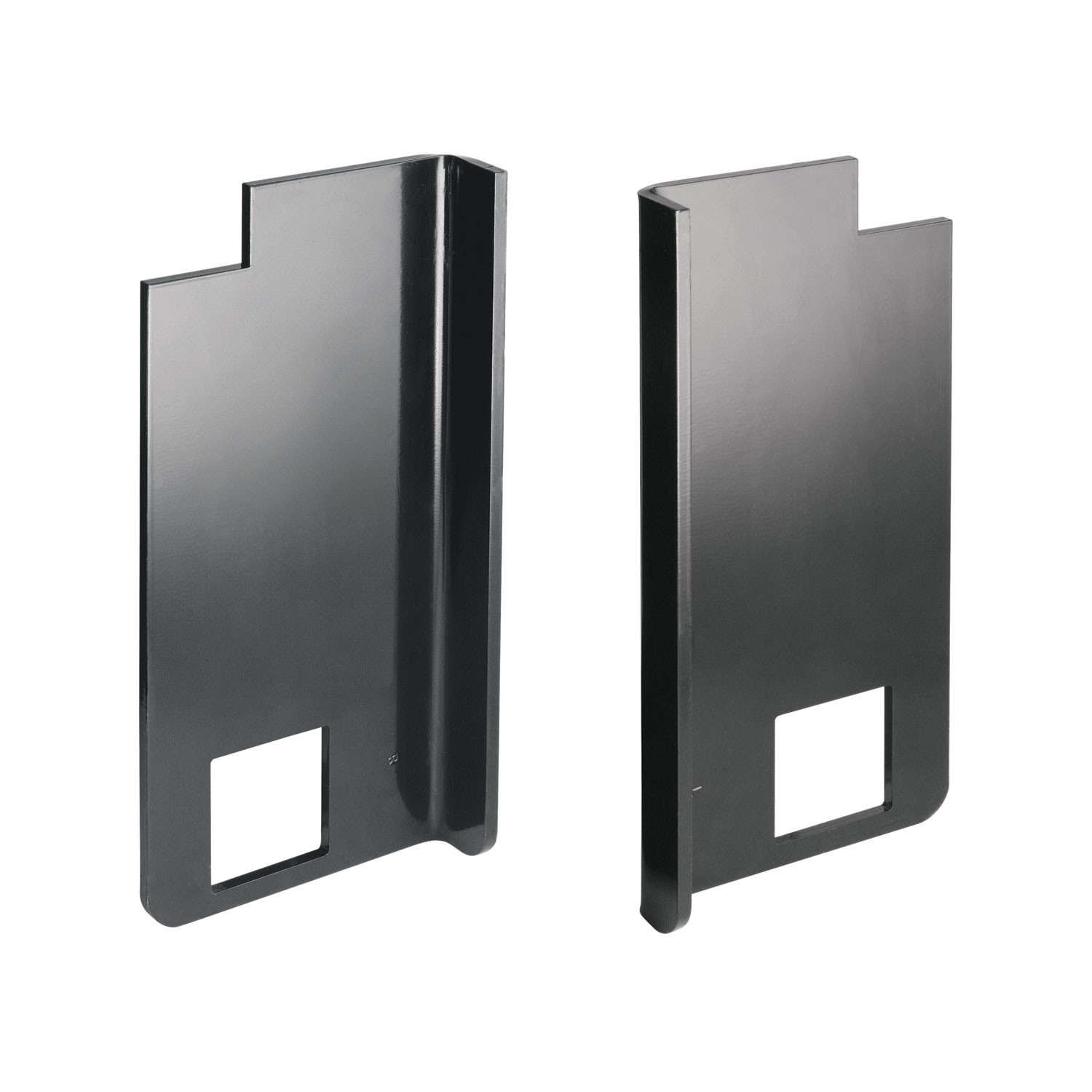
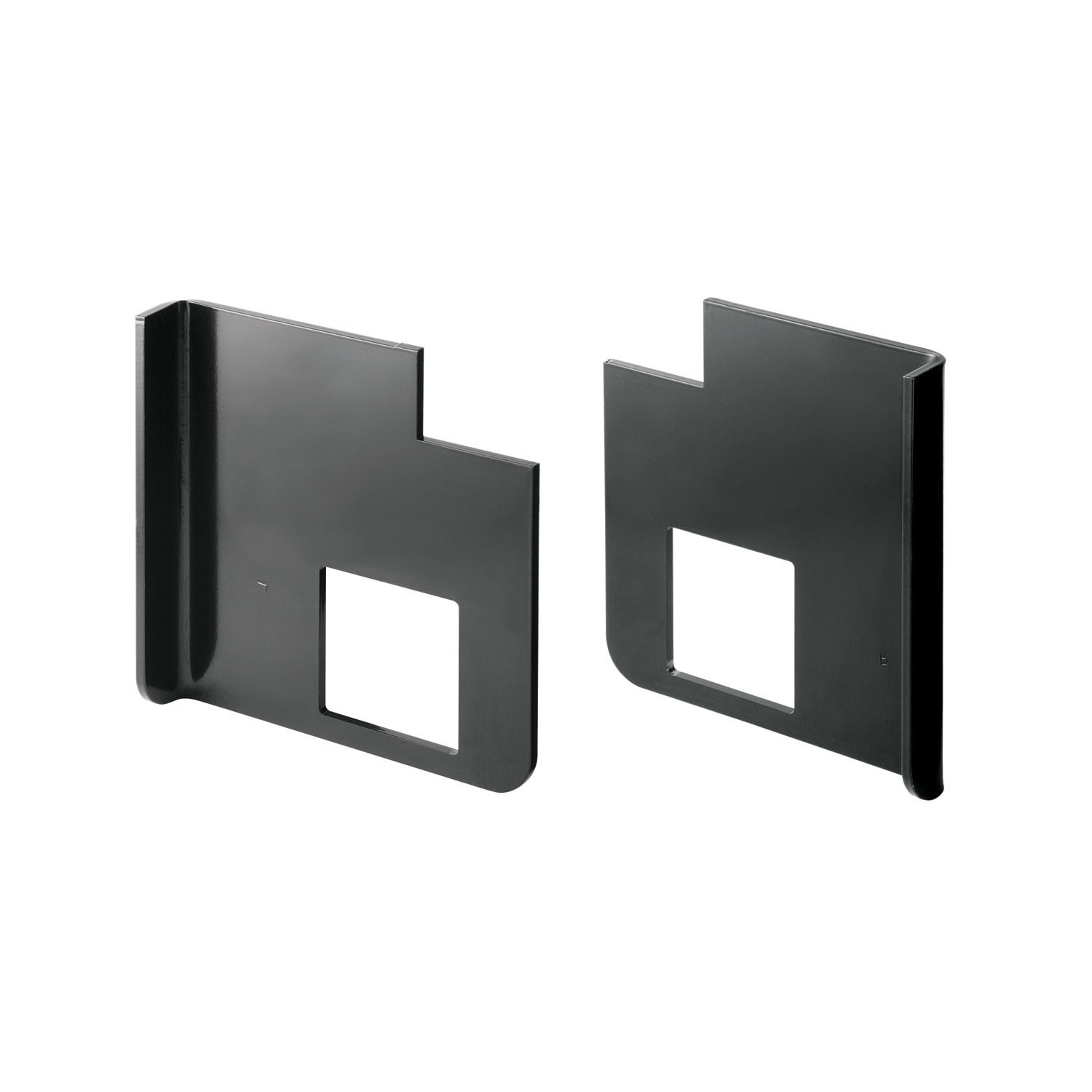
Part number 41990 is a Service Body Hitch – Long Tube designed for commercial service body vehicles. It is a weight-carrying hitch with a maximum gross trailer weight rating of 16,000 lb and maximum tongue weight of 1,600 lb. The hitch must be installed with frame bracket kit 4907 or 4916 (sold separately) to complete the installation.
The 41990 is designed for service body vehicles (commercial vehicles). The manual does not list specific vehicle makes, models, or years. The installation must be performed on a vehicle with adequate frame structure to support the hitch tow rating. You should verify compatibility with your specific vehicle before purchasing.
No. The manual explicitly states: 'THIS PRODUCT IS NOT TO BE USED WITH A WEIGHT-DISTRIBUTING HITCH SYSTEM. Use in weight-carrying mode only.' The 41990 is designed for weight-carrying applications only.
No. The frame bracket kit is not included and must be purchased separately. You must use either frame bracket kit 4907 or 4916 to complete the installation. The hitch cannot be installed without one of these bracket kits.
Yes. The manual explicitly states: 'The installation of this hitch product must be performed only by experienced and trained mechanics, technicians, welders etc. This product is not intended to be installed by an average consumer not familiar with or experienced in installing towing components on commercial vehicles.' Installation requires either welding (by an AWS certified welder) or precision drilling and bolting.
It may. The manual states: 'Attaching this hitch product to tow vehicle frame may void vehicle manufacturer(s) warranty. Check with vehicle manufacturer(s) before installing this product.' You should contact your vehicle manufacturer before proceeding with installation to understand any warranty implications.
Observe safety precautions when working beneath a vehicle and wear eye protection. Do not cut access or attachment holes with a torch. If the hitch is removed, plug all holes to prevent water or exhaust gas infiltration. The manual emphasizes that failure to follow all warnings and instructions may result in product failure, property damage, serious bodily injury, and/or death.
The 41990 offers two installation options: (1) Weld-on option: frame brackets are welded to the hitch center section and vehicle frame using 1/4" fillet welds, and (2) Bolt-on option: frame brackets are bolted to the vehicle frame using 5/8" diameter bolts (Grade 5 or stronger) with locking nuts. The choice depends on your vehicle structure and installer preference.
Yes. The manual notes: 'It may be easier to weld frame brackets to hitch center section before installing hitch to tow vehicle.' This is an optional approach that some installers may prefer.
Drilling is required only if you choose the bolt-on installation option. For the weld-on option, no drilling is needed. If you select the bolt-on option, you must drill holes in the vehicle frame to accommodate 5/8" diameter bolts. The manual requires that you first remove any rust or undercoating to ensure accurate drilling, and you must verify that no electrical wires, brake lines, or fuel lines are inside the frame before drilling.
The maximum hole size is 21/32" (0.656"). The manual states: 'Do not drill holes in frame more than 1/32" larger than bolt.' Since the minimum bolt diameter is 5/8" (0.625"), the maximum hole diameter is 21/32".
Before drilling, you must: (1) remove any rust or undercoating to ensure accurate drilling, (2) verify that no electrical wires, brake lines, fuel lines, or other obstructions are inside the frame, and (3) clamp the frame brackets in place and use the holes in the brackets as guides to drill the frame. The manual emphasizes that you must check inside the frame before drilling to avoid damaging critical vehicle systems.
Yes. The manual states: 'Make sure that paint has been removed from all surfaces requiring welding.' You must remove paint and other surface treatments (including plating, undercoating, rust, and oil) from both the hitch components and the vehicle frame to allow adequate weld penetration and strength. Use a flexible disc grinding wheel to remove paint; do not use a rigid disc, as it could cause gouging and notching that weakens the hitch and frame.
No. The manual explicitly states: 'Do not cut access or attachment holes with a torch.' Torch cutting is not permitted for this installation.
A minimum of 5/16" of tube must be exposed to weld on the outside of the frame brackets. This ensures adequate weld penetration and strength.
The maximum gross trailer weight rating is 16,000 lb (7,264 kg). The maximum tongue weight is 1,600 lb (726 kg). These ratings apply only when the hitch is properly installed in strict accordance with the instructions by trained personnel. You must not exceed the lower of your towing vehicle manufacturer's rating or these maximum ratings.
Minimum weld specifications are: (1) 1/4" fillet welds required, (2) 6" minimum weld lengths on the top and bottom of the vehicle frame to the hitch frame bracket (typical both sides), (3) wrap ends of welds 1/2" typical, (4) 3" minimum distance between welds, (5) 3/8" minimum between weld and edge of holes, and (6) all welds must be performed by an AWS certified welder in accordance with AWS specifications. Do not weld near or across holes in the hitch.
For the bolt-on option, you must use: (1) a minimum of 5/8" diameter bolts, Grade 5 or stronger only, (2) at least 4 bolts per side (minimum 8 total), (3) locking type nuts with all bolts, and (4) holes drilled no more than 1/32" larger than the bolt diameter (maximum 21/32" hole size). All bolts must be tightened to proper torque using a torque wrench.
The manual does not specify a torque value for the bolts. It only states that 'bolts must be tightened to proper torque using a torque wrench.' You should consult the frame bracket kit instructions (4907 or 4916) or contact the manufacturer for the correct torque specification.
The minimum distance between welds is 3" (three inches). This spacing is required to ensure proper weld strength and structural integrity.
The minimum distance between a weld and the edge of a hole is 3/8" (three-eighths inch). This clearance prevents stress concentration and ensures structural integrity.
If the hitch is removed, you must plug all holes that were drilled or cut in the frame or body to prevent water infiltration or exhaust gas infiltration. This protects the vehicle from corrosion and safety hazards.
The manual states: 'Check hitch frequently for damage, making sure hitch ball is properly tightened.' While 'frequently' is not defined with a specific interval, you should inspect the hitch regularly to ensure the ball is secure and there is no visible damage. A damaged hitch or ball must be removed and replaced.
If the hitch ball is damaged, it must be removed and replaced. Do not attempt to repair a damaged ball. Similarly, if the hitch itself is damaged, it must be removed and replaced.
The 41990 is authorized for use with appropriate accessories from the following brands: Bulldog, Draw-Tite, Hidden Hitch, Highland, Reese, Rola, and Tow-Ready. You should verify that any accessory you plan to use is specifically rated for this hitch and your vehicle.
Before installation, you must: (1) examine the tow vehicle to determine adequate mounting surface, (2) verify that no fuel lines, electrical wires, brake lines, or other components will be damaged by the installation, (3) ensure the hitch receiver opening is centered with the tow vehicle before welding (for weld-on option), and (4) verify that the vehicle structure is acceptable for the hitch tow rating. No cutting, relocation, or removal of vehicle components can be performed without approval from the vehicle manufacturer.
Yes. The manual states: 'Make sure that hitch receiver opening is centered with tow vehicle before welding.' This is a critical step to ensure proper alignment and function of the hitch.
After welding is complete, you must repaint all bare metal surfaces to prevent rust and corrosion. The manual states: 'After welding repaint bare metal surfaces.'
The 41990 is designed for service body vehicles (commercial vehicles). The manual does not list specific vehicle makes or models. You must verify compatibility with your vehicle manufacturer and confirm that your vehicle frame has adequate structure to support the 16,000 lb towing capacity. Contact the manufacturer or your installer for fitment confirmation.
You must purchase frame bracket kit 4907 or 4916 separately; it is not included with the hitch. For the bolt-on option, you will also need 5/8" diameter Grade 5 bolts and locking nuts (quantity and length depend on your frame). For the weld-on option, you need welding equipment and an AWS certified welder.
No. The manual explicitly states that installation must be performed only by experienced and trained mechanics, technicians, or welders. It is not intended for average consumer installation. Professional installation is required.
Maximum gross trailer weight is 16,000 lb (7,264 kg) and maximum tongue weight is 1,600 lb (726 kg). These ratings apply only when properly installed by trained personnel. You must not exceed the lower of your vehicle manufacturer's rating or these maximums.
Use 5/8" diameter Grade 5 or stronger bolts with locking nuts. Minimum 4 bolts per side. Drill holes no larger than 21/32". Tighten all bolts to proper torque using a torque wrench (specific torque value not provided in manual; consult frame bracket kit instructions).
No. The manual explicitly states this product must not be used with a weight-distributing hitch system. Use in weight-carrying mode only.
Check the hitch frequently for damage and ensure the hitch ball is properly tightened. The manual does not specify an exact interval, but regular inspection is required. Replace any damaged hitch or ball immediately.
Tighten the hitch ball. The manual states: 'Check hitch frequently for damage, making sure hitch ball is properly tightened.' If the ball cannot be tightened or continues to loosen, the hitch or ball must be removed and replaced.
A damaged hitch or ball must be removed and replaced. Do not attempt to repair or continue using a damaged hitch. The manual states: 'A hitch or ball which has been damaged should be removed and replaced.'
Ensure that all paint, plating, undercoating, rust, and oil have been completely removed from the surfaces to be welded. Use a flexible disc grinding wheel to remove these materials. Do not use a rigid disc, as it can cause gouging and notching that weakens the hitch and frame. If welds still do not penetrate properly, the welder may not be AWS certified for the type and position of welds being performed. Verify that an AWS certified welder is performing the work.
Before drilling, remove any rust or undercoating from the frame to ensure accurate drilling. Clamp the frame brackets in place and use the holes in the brackets as guides to drill the frame. This will help ensure accurate hole placement. If holes are drilled larger than 21/32", they are too large and may compromise the installation; consult your installer or the manufacturer for guidance on remediation.
Stop drilling immediately. The manual states: 'Make sure that there are no electrical wires, brake lines, fuel lines and other obstructions inside of frame before drilling.' If obstructions are present, consult your vehicle manufacturer and the hitch installer to determine if the installation can proceed or if modifications are required. No cutting, relocation, or removal of vehicle components can be performed without approval from the vehicle manufacturer.
On Sale Today
Original price was $337.50. Current price is $238.02.You save $99.48 (29%)
Free Shipping
Ships free on all orders
 Authorized Dealer
FREE ShippingFREE SHIPPING
Estimated delivery Mon, Oct 26 - Thu, Oct 29
Order before 2 PM EST Monday–Friday for same-day processing
Guaranteed safe & secure checkout
Sam
Ordered online. Shipment arrived on time and with all the correct parts. Great customer service and friendly staff. Also, pricing was great!
May 22, 2023