
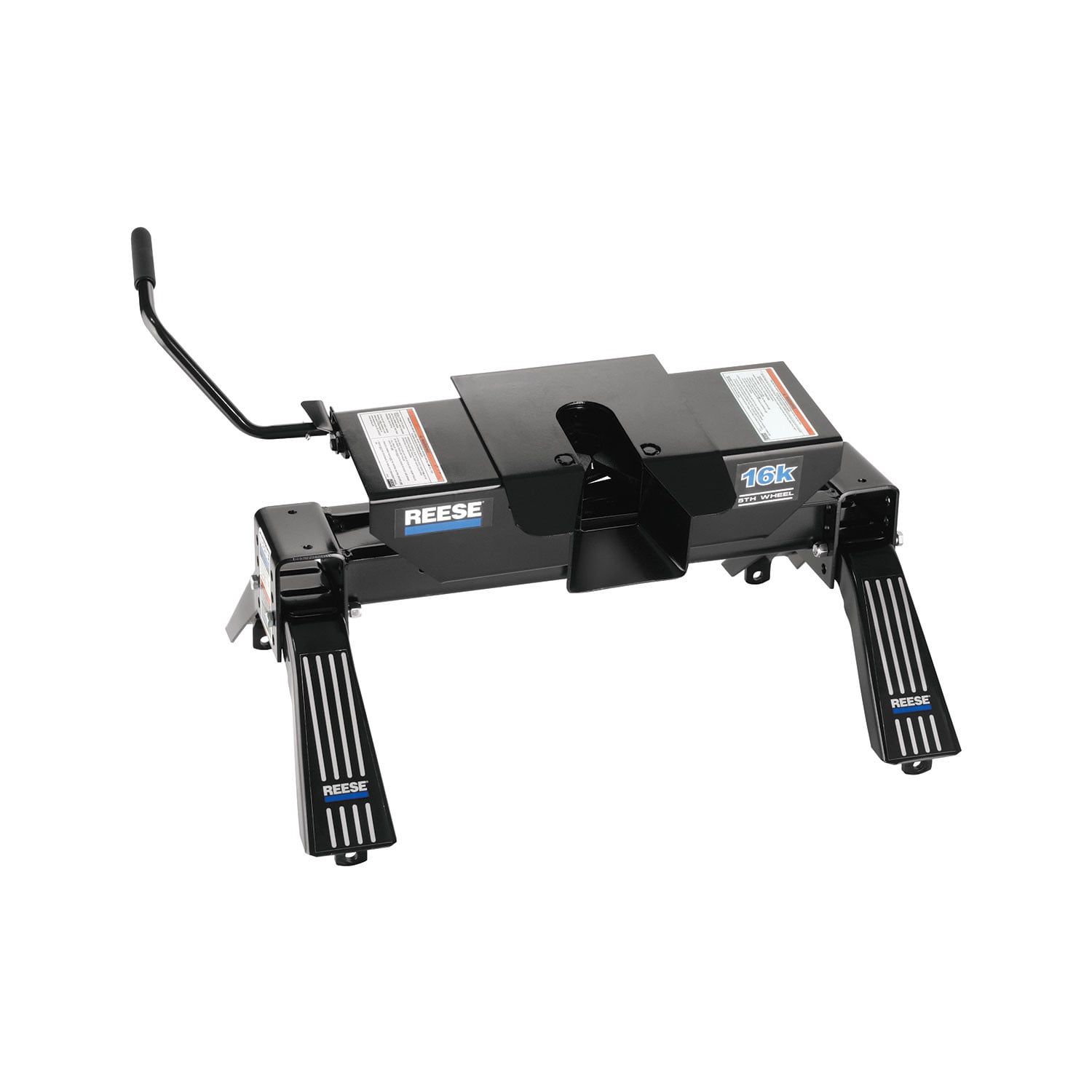
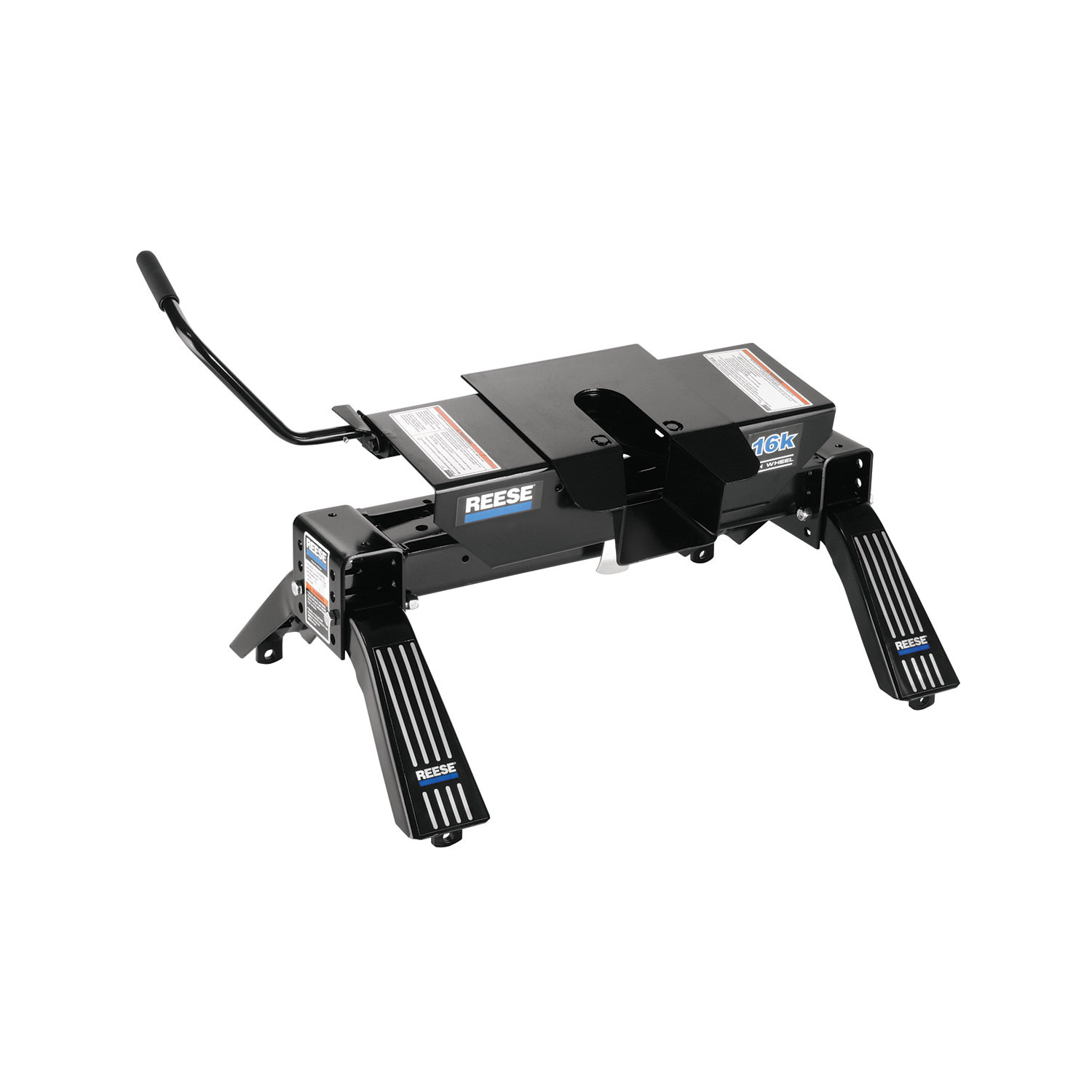
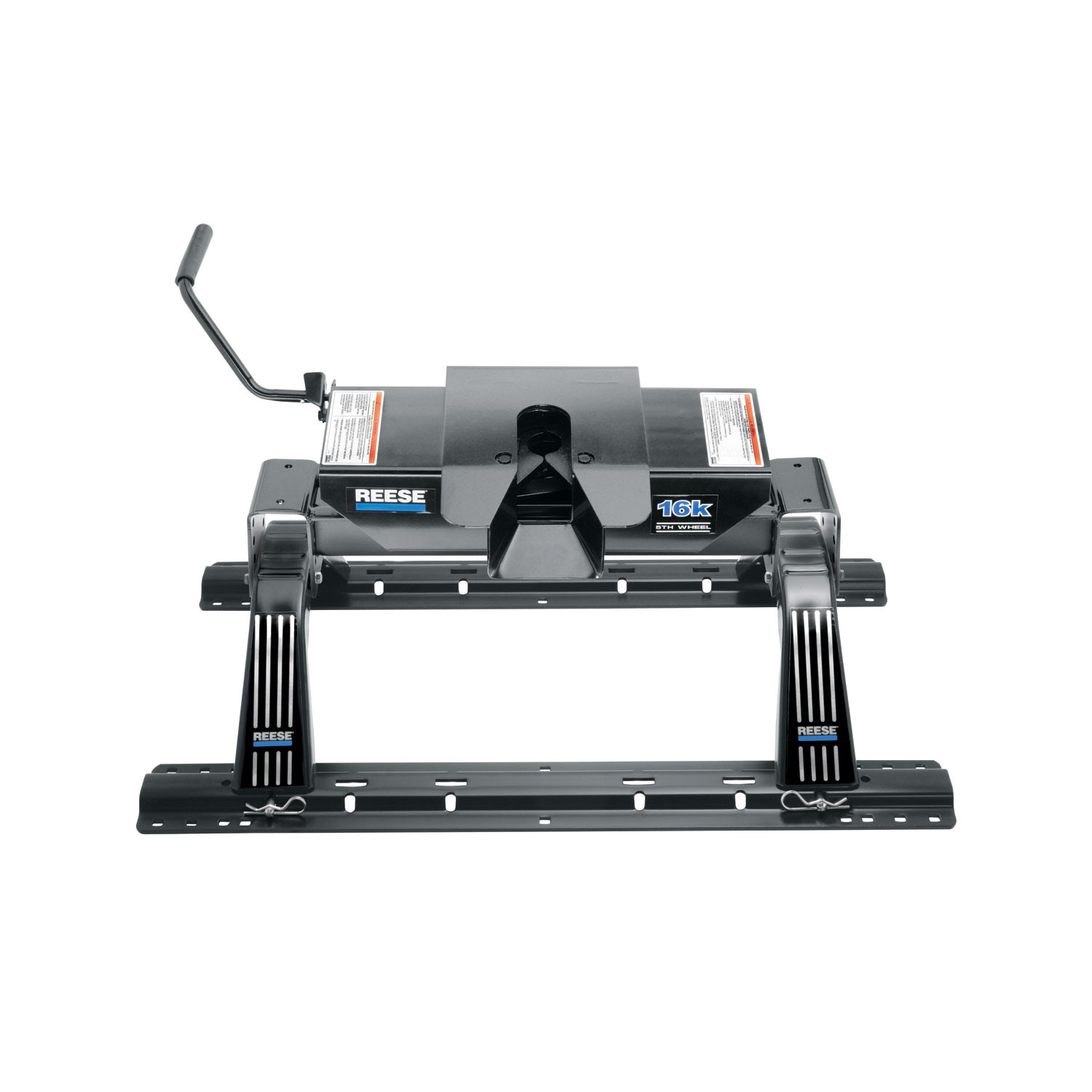
Reese Fifth Wheel Hitch 20,000 lbs. Capacity, Dual Jaw, Complete System, Industry Standard MountReeseOriginal price was $987.50. Current price is $876.81.Out of Stock
View productOur in-house experts typically reply within one business day.

Reese




Always the correct part
We know our products
Quality Products
Free Shipping!
Always the correct part
We know our products
Quality Products
Free Shipping!

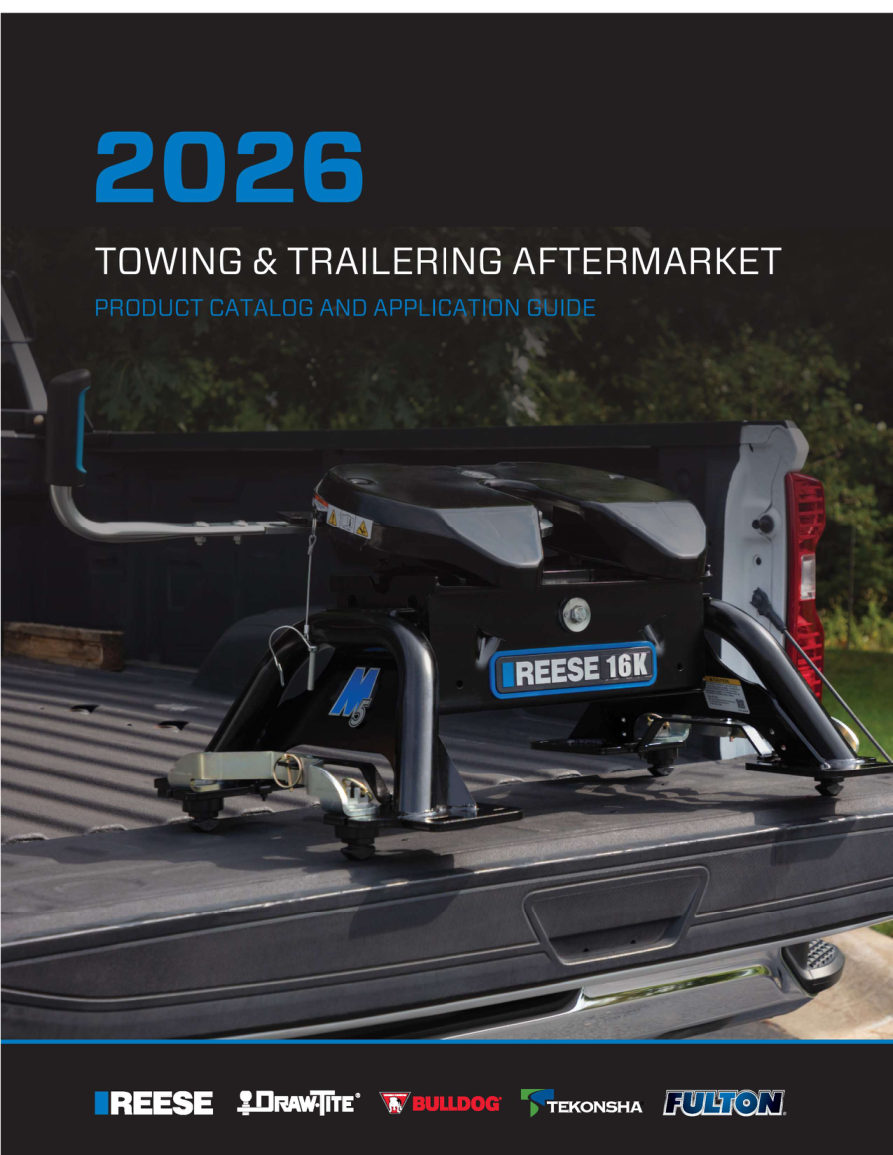
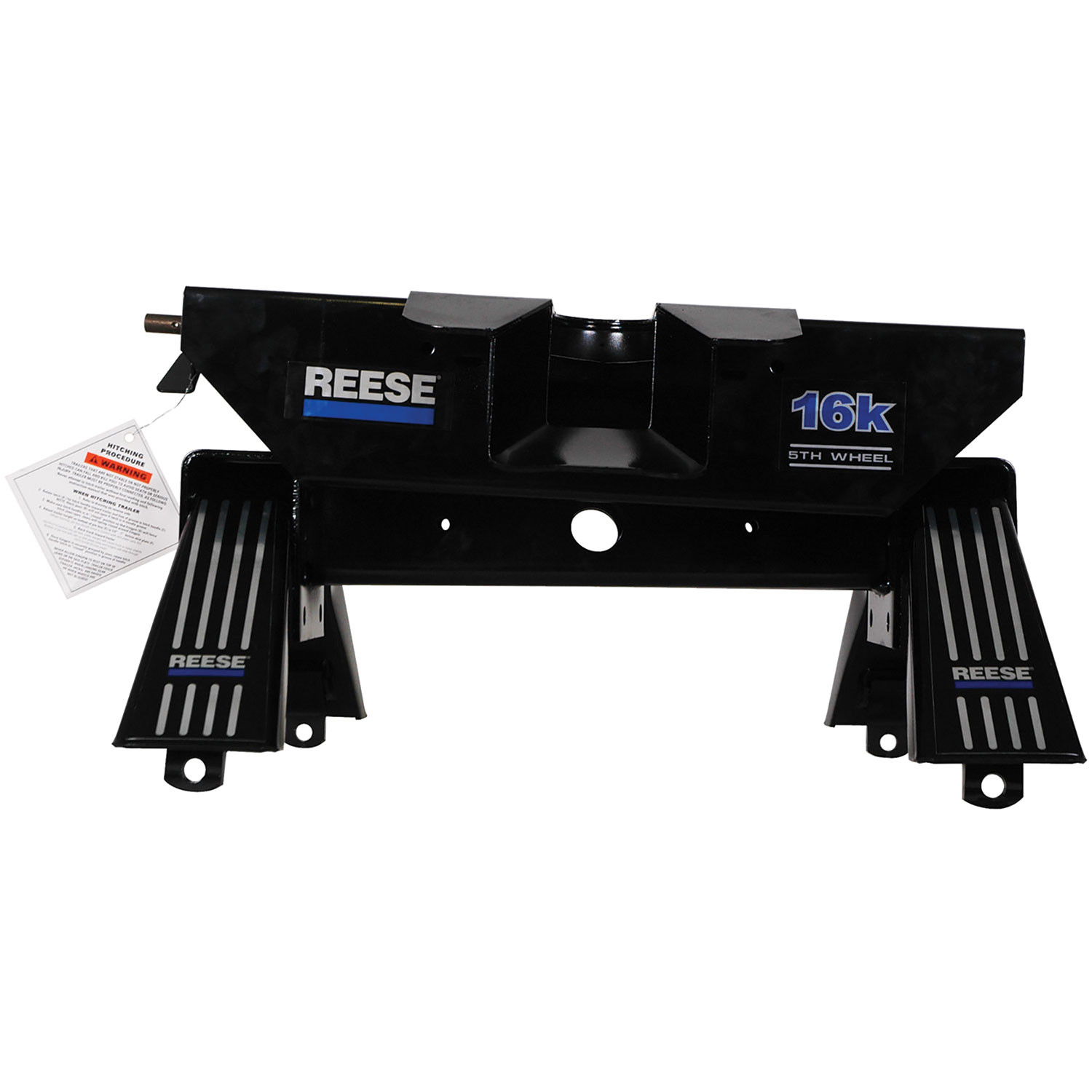
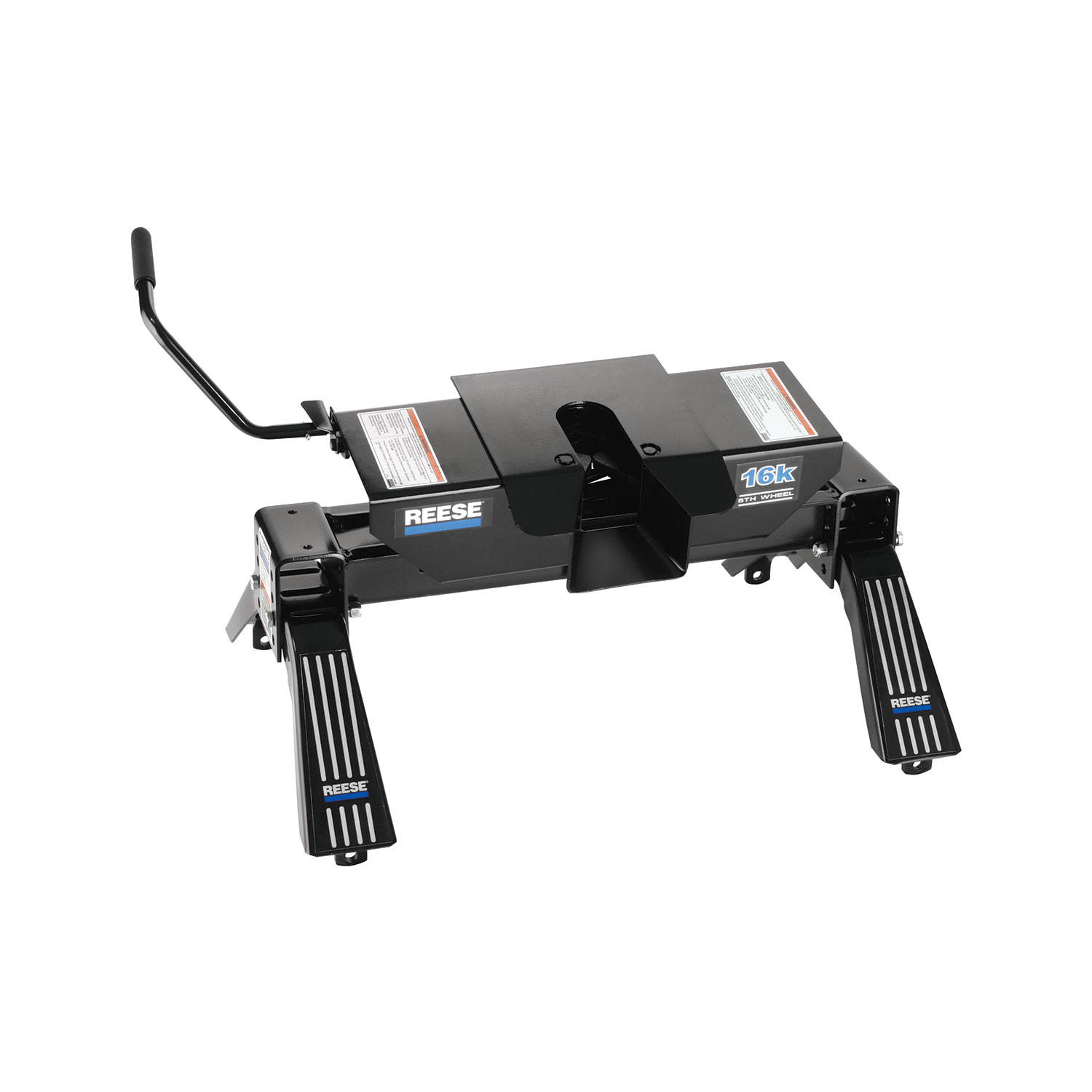
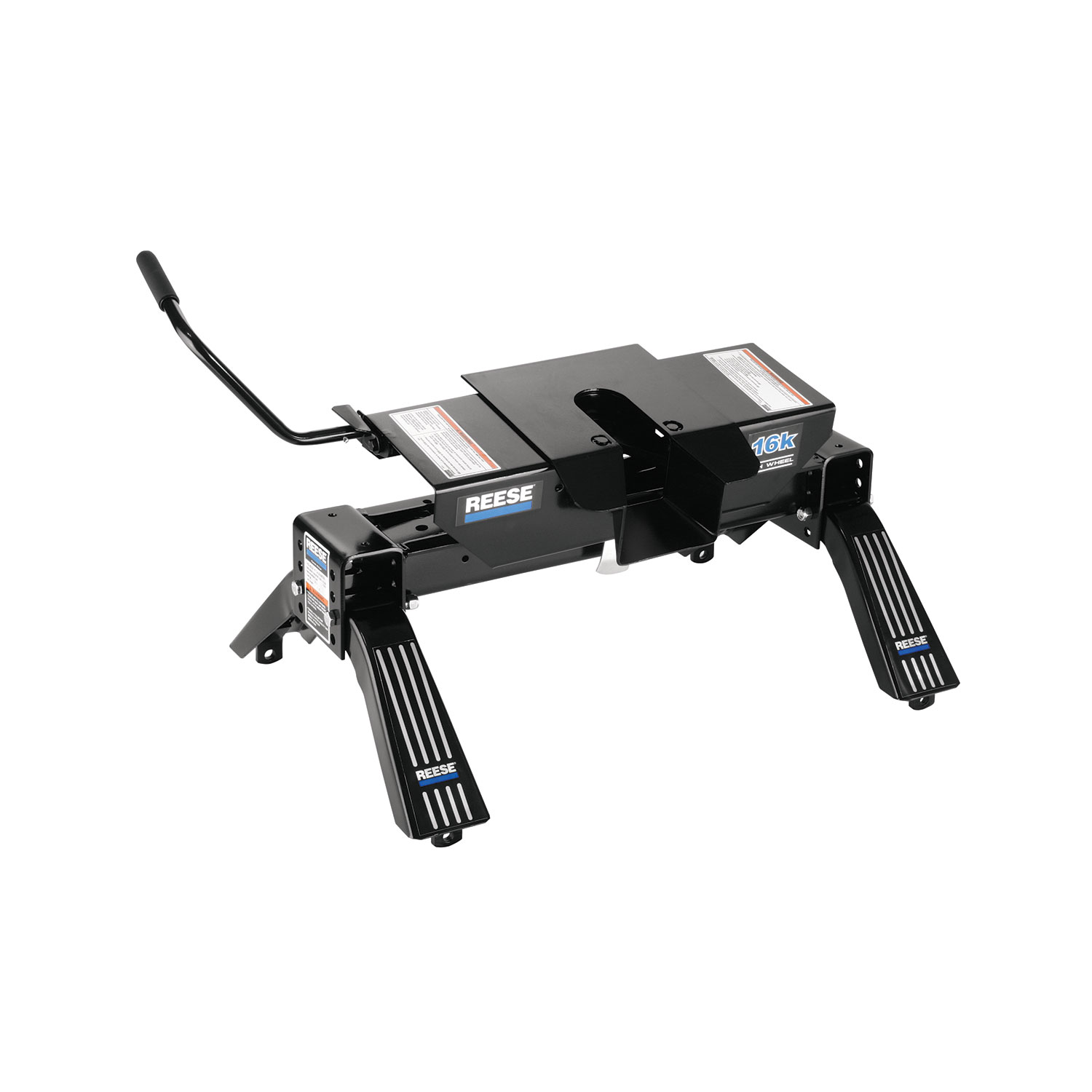
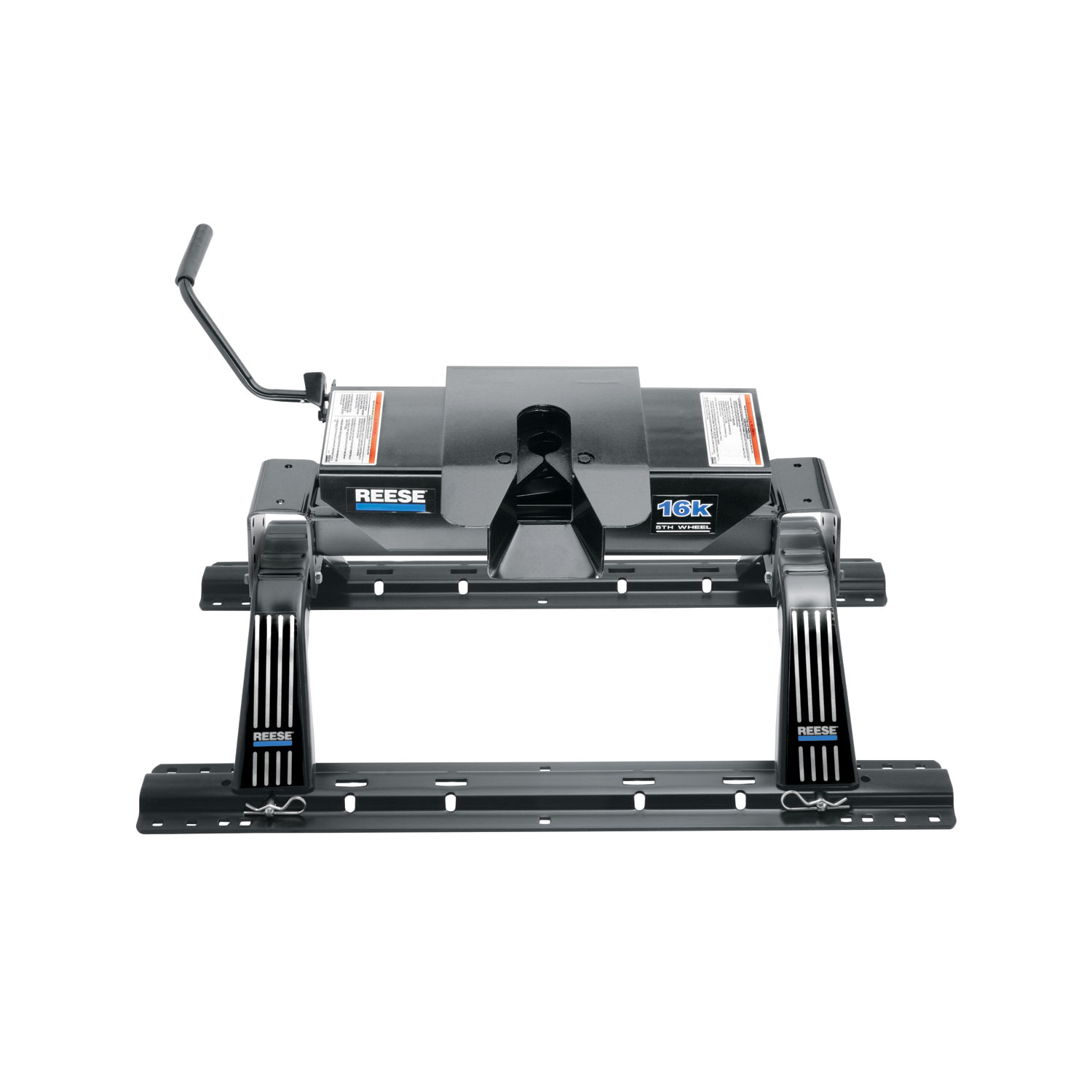
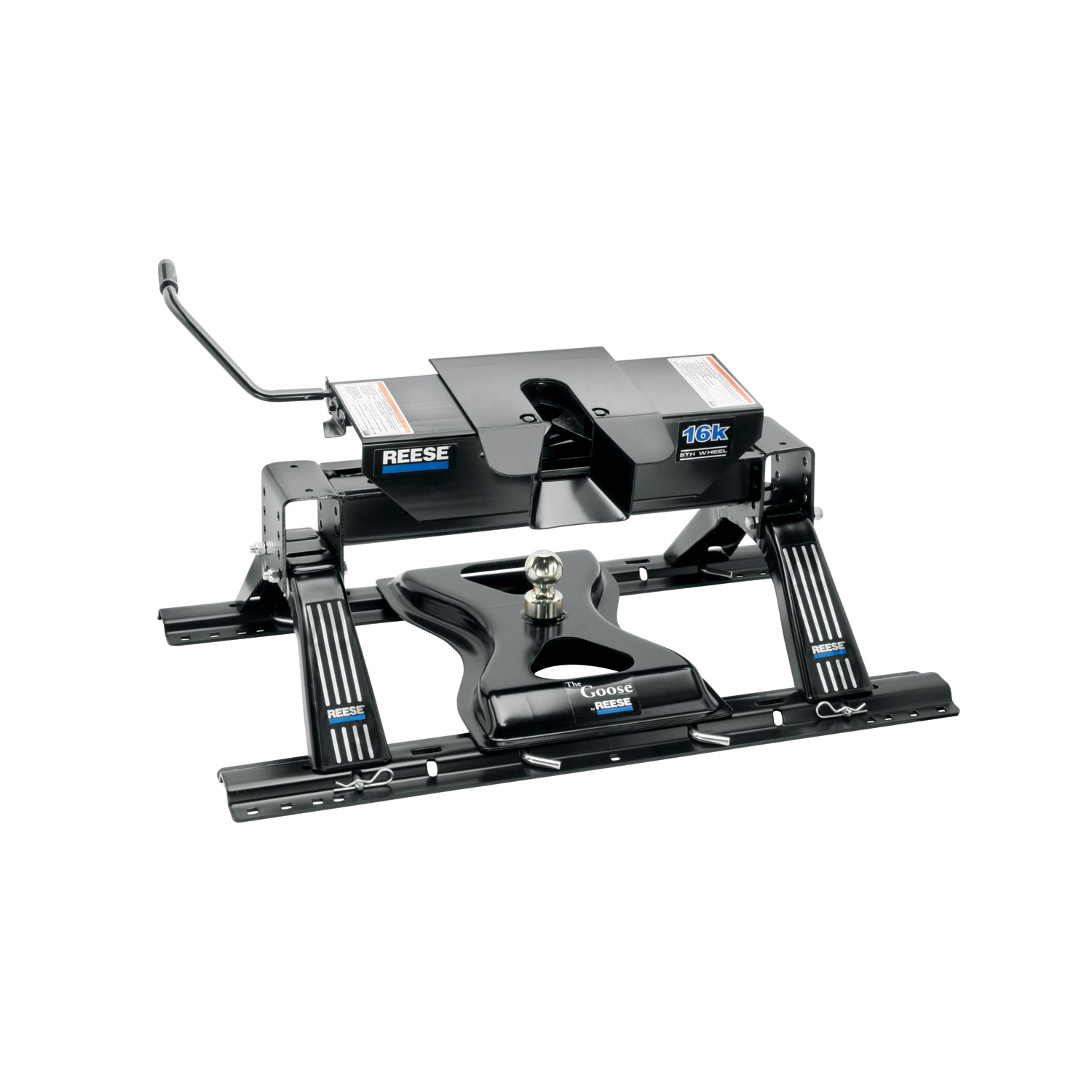
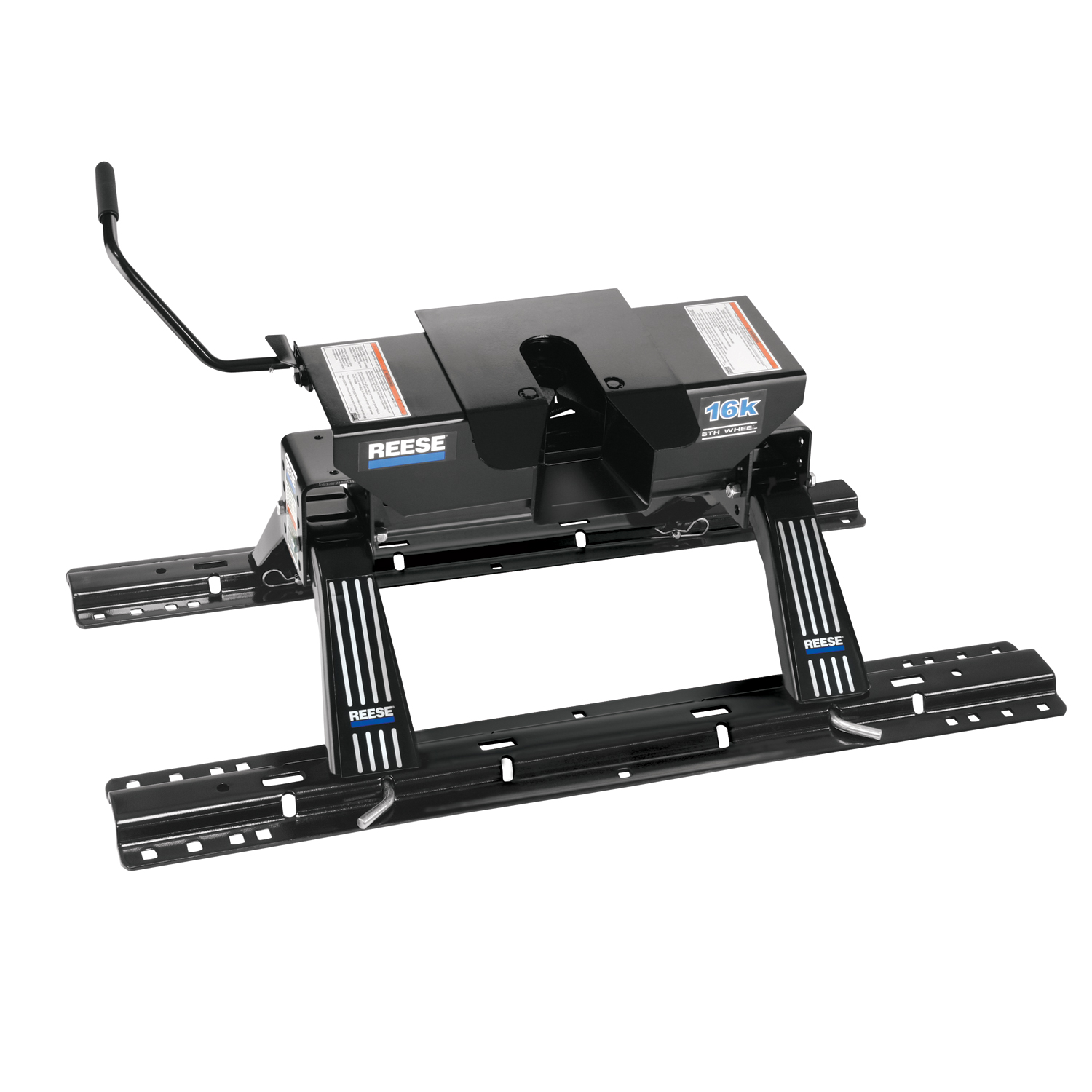
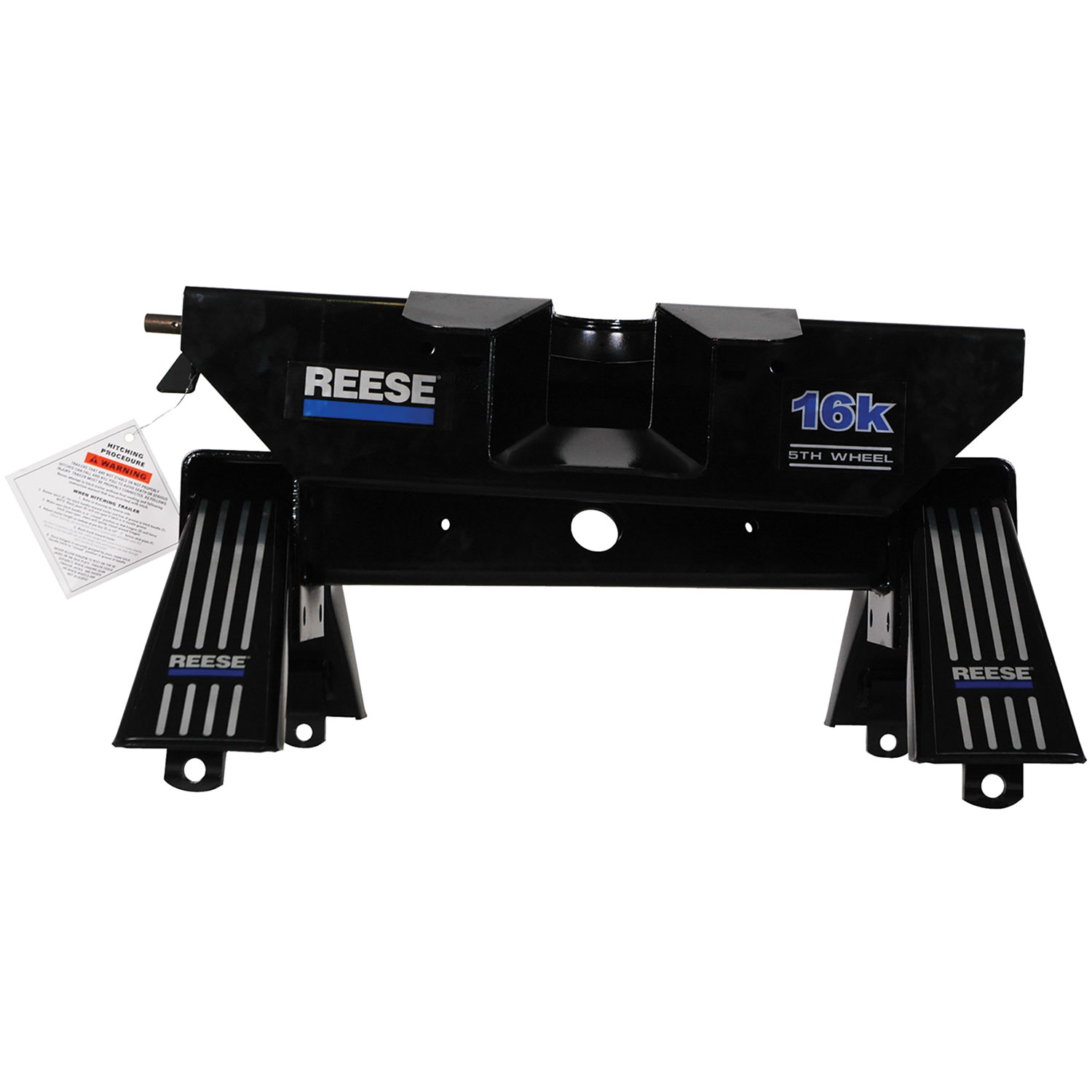
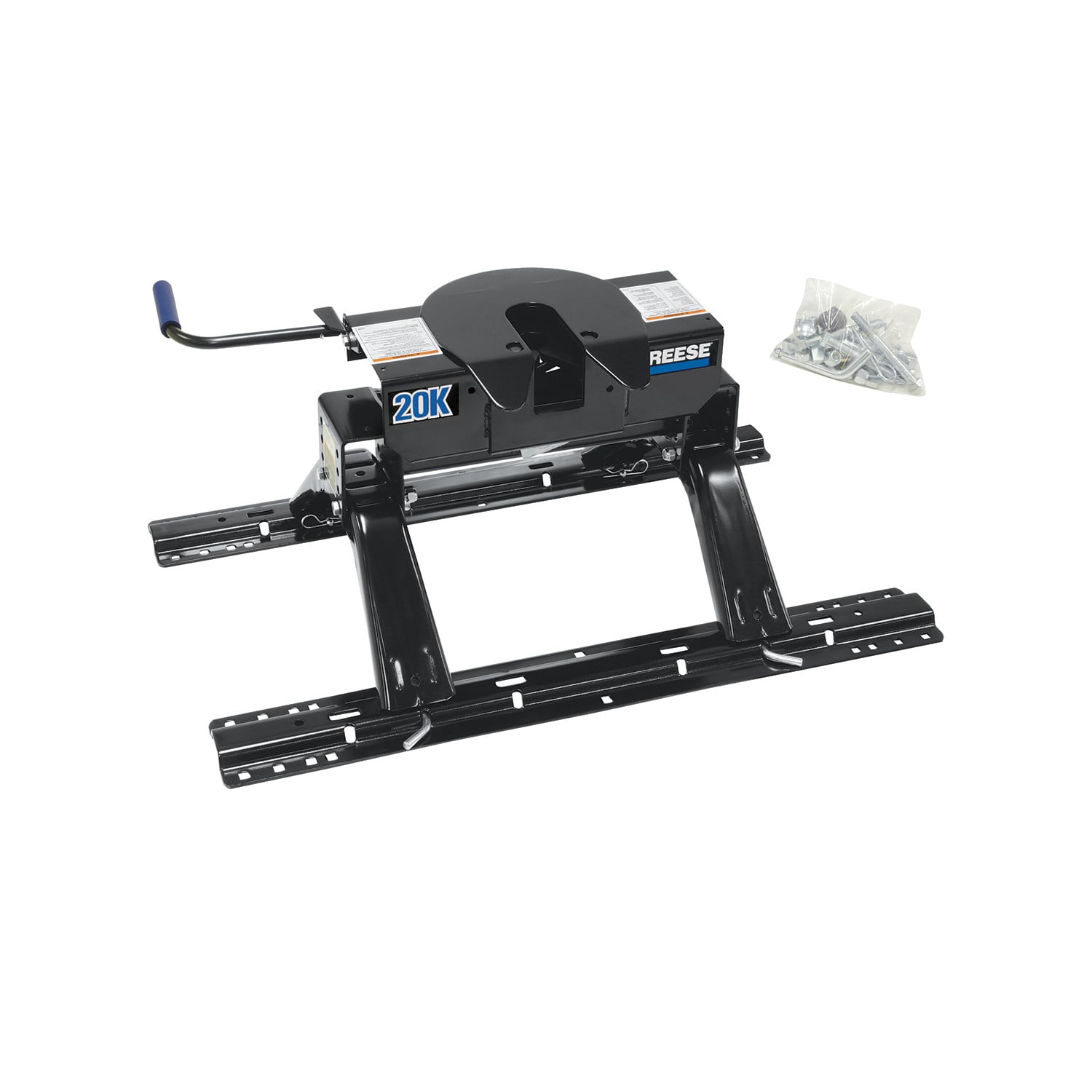
Whether youre a novice at fifth wheel towing or youve been doing it for years, REESE has the gear you need to connect your truck and trailer safely and securely. Designed with state-of-the-art equipment by top-of-the-line engineers, REESEs 16K fifth wheel hitches are built to last! Featuring wide-stance one-piece legs, a dual jaw locking system, side-to-side pivot action to better accommodate hook-ups on uneven ground, quick installation, and strong performance while on the road. When youre done towing, REESEs fifth wheel hitches are easy to remove as well, giving you full access to the bed of your truck in no time. So tow with the confidence that only REESE can provide and make the journey as enjoyable as the destination.
| BRAND: | REESE |
| PART NUMBER: | 30047 |
| WARRANTY: | LIMITED LIFETIME WARRANTY |
| WEIGHT: | 116.39 LBS |
| CAPACITY: | 16,000 LBS. |
| PIN WEIGHT CAPACITY: | 4,000 LBS. |
| GROSS TOWING WEIGHT: | 16,000 LBS. |
| BASE LENGTH: | 24.24 IN. |
| BASE WIDTH: | 23.69 IN. |
| BASE HEIGHT: | 18.04 IN. |
| VERTICAL ADJUSTMENT: | 13.5 IN. TO 17 IN. |
| WELDING REQUIRED: | NO |
| LOCKABLE: | YES |
| WIRING HARNESS INCLUDED: | NO |
| JAW TYPE: | DOUBLE |
| FORE AND AFT PIVOT: | 15 DEGREE |
| DRILLING REQUIRED: | NO |
| MOUNTING HARDWARE INCLUDED: | NO |
| MOUNTING HOLE QUANTITY: | 4 |
| HITCH TYPE: | STATIONARY |
| MATERIAL: | STEEL |
| SIDE TO SIDE PIVOT: | 5 DEGREES |
| BOLT GRADE: | SAE 8 |
| COLOR: | BLACK |
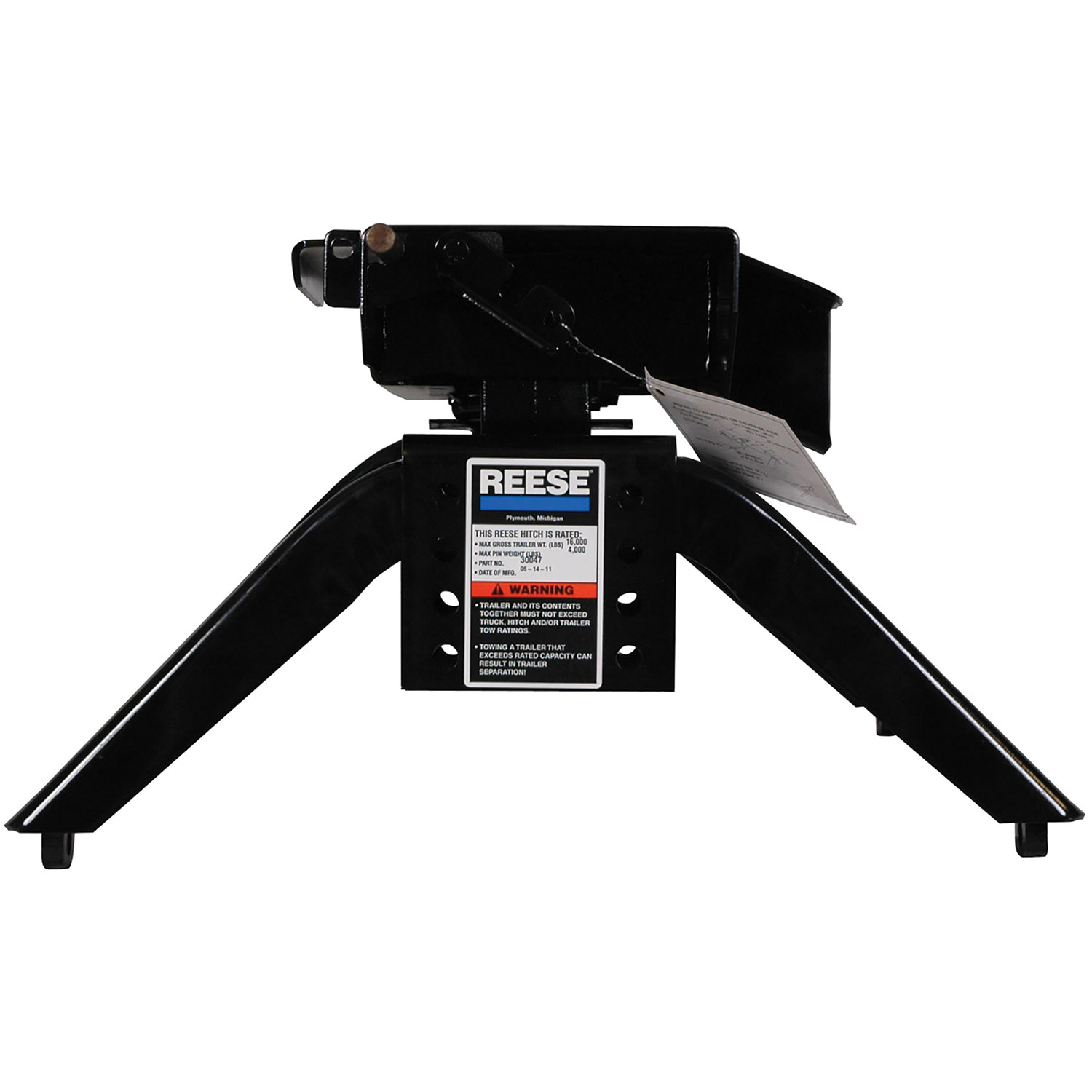
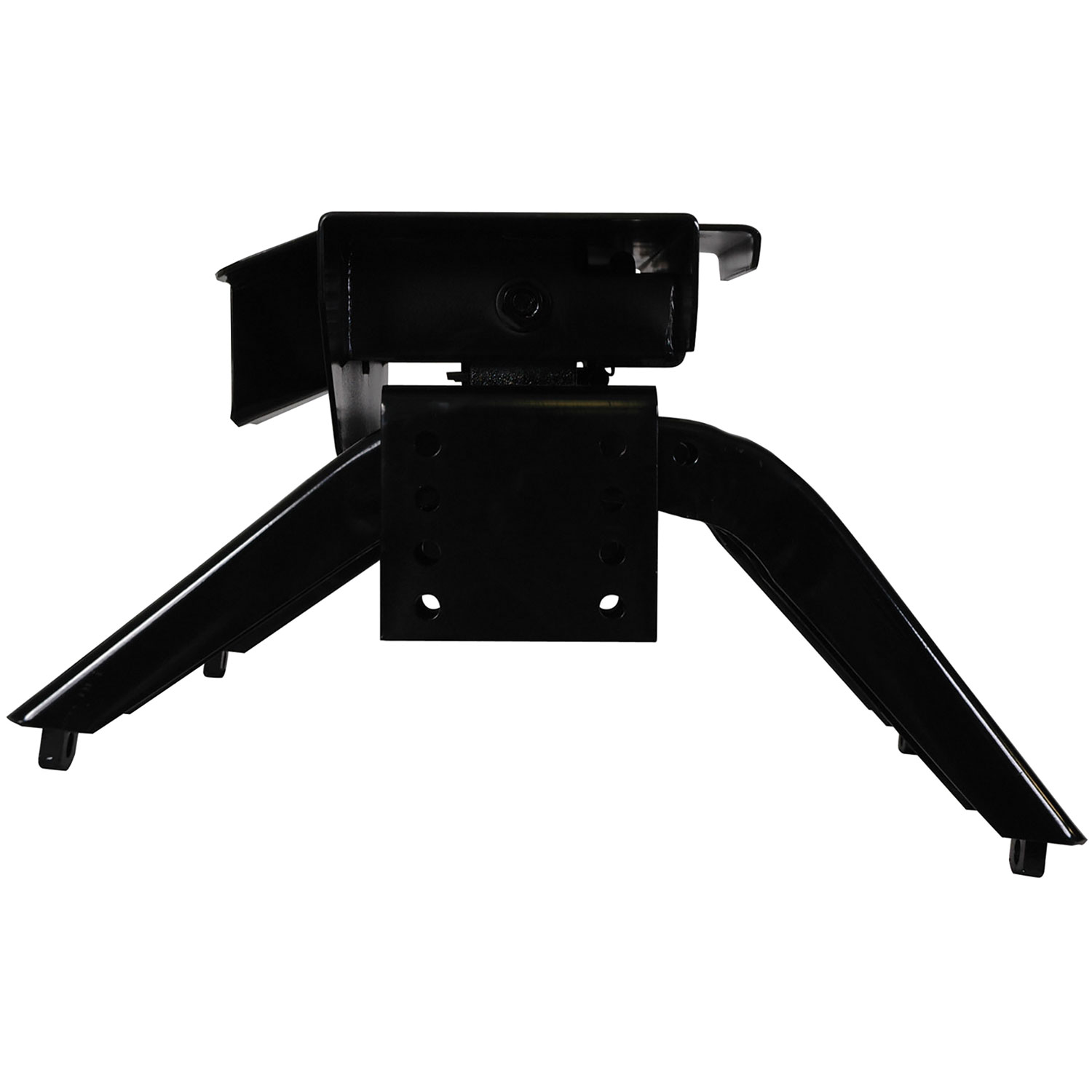
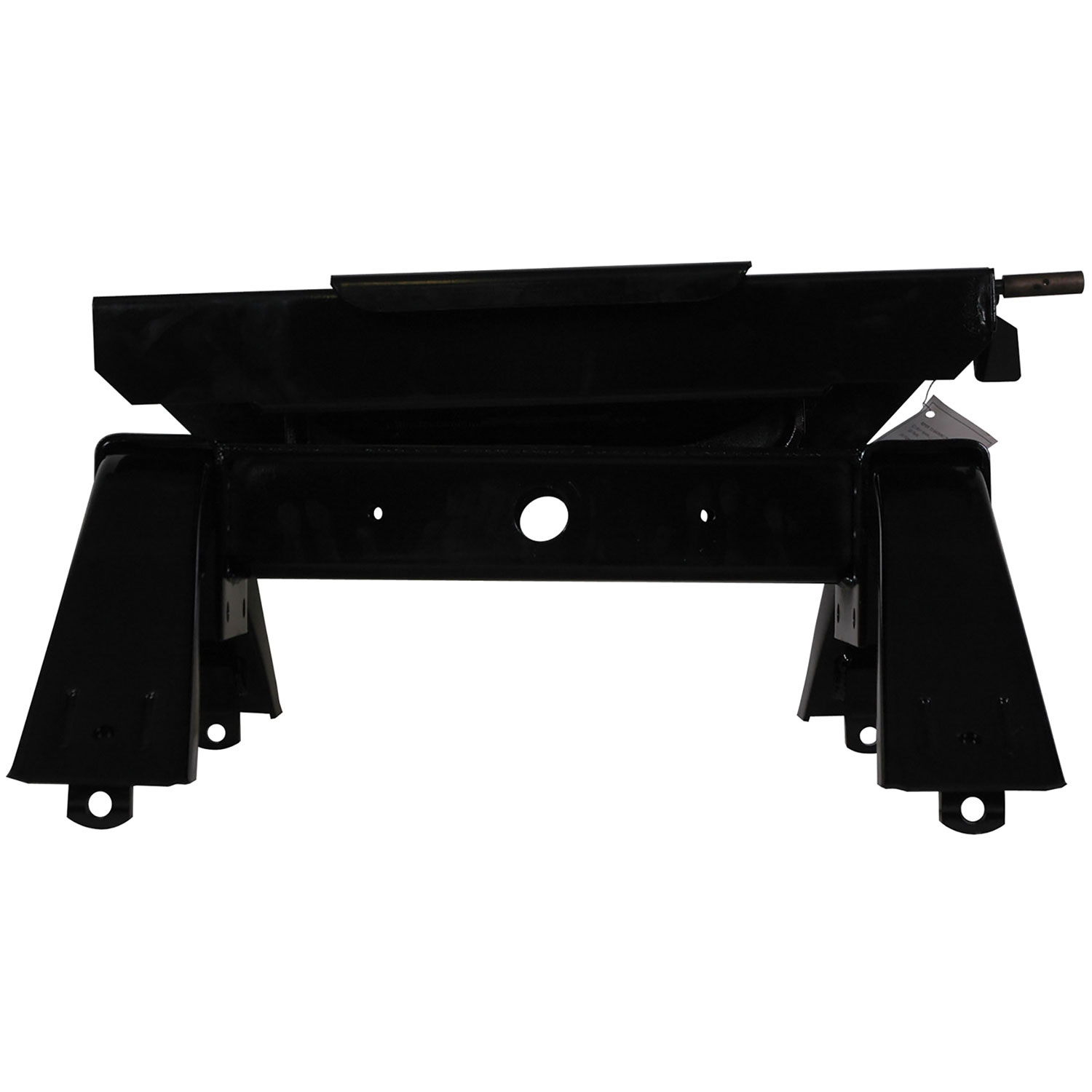
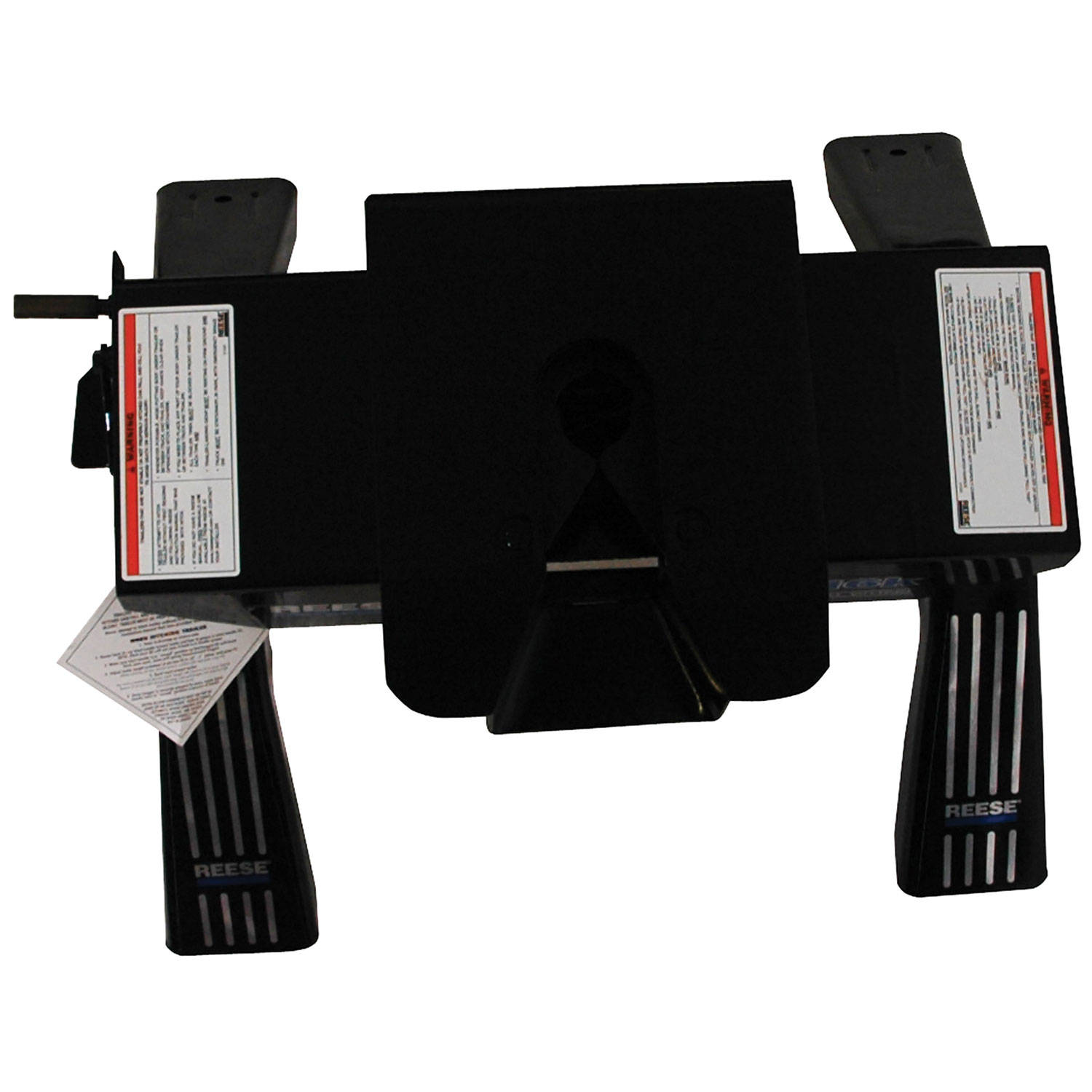

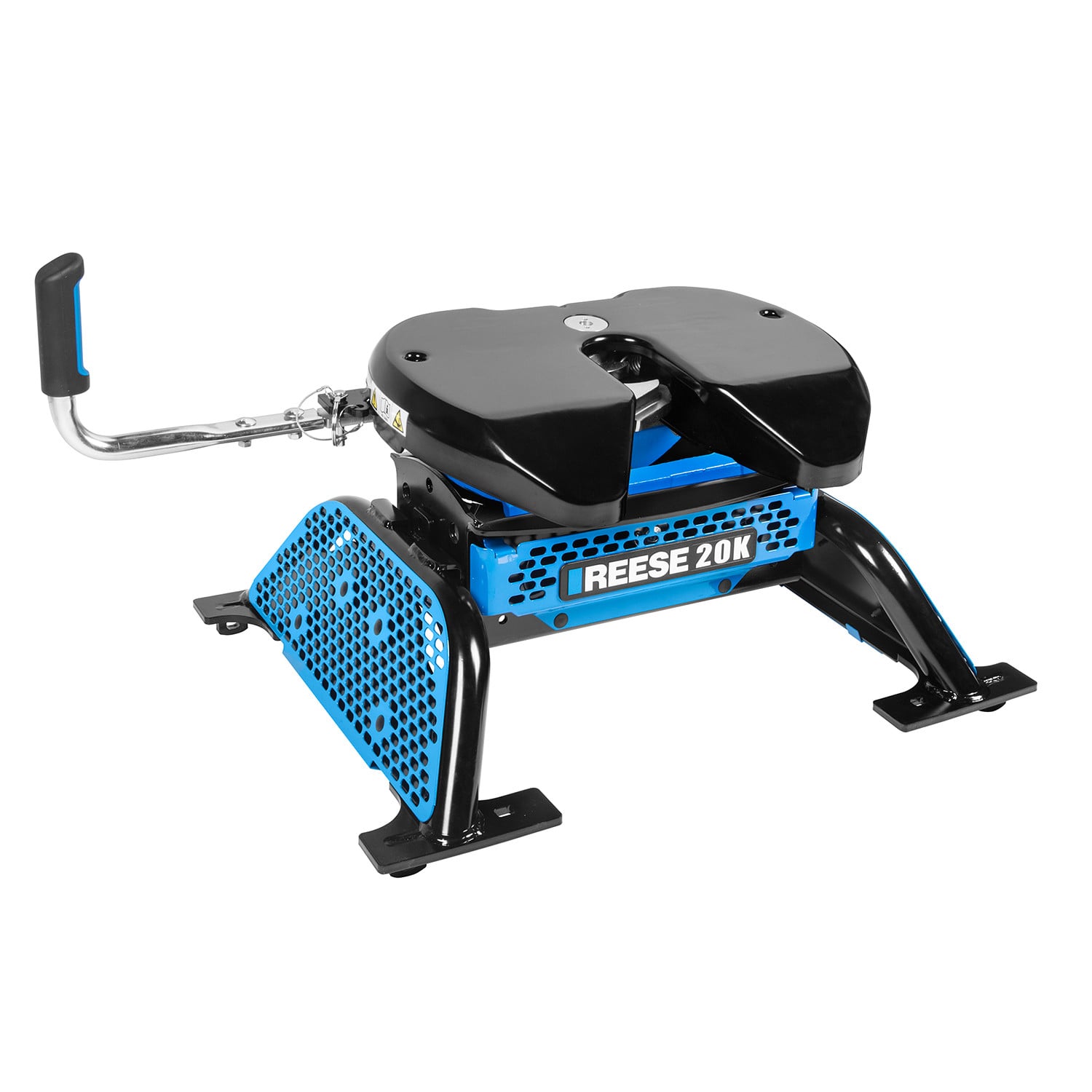
Reese has designed towing equipment since 1952 and remains a benchmark for heavy-duty towing. The line covers fifth wheel hitches such as the modular M5, gooseneck couplers including the Goose Box, air-ride and short-bed pin boxes, weight distribution systems with active sway control, and the accessories that connect them, all built to exceed published industry standards.
Reese has been pioneering towing performance since 1952, when Margaret Reese asked her husband TJ to stop travel trailers rocking every time somebody walked through them. His answer, the first pair of stabilising jacks, was simple and effective enough to change the RV industry. From that starting point Reese grew into a designer and manufacturer of complete towing systems, and today it anchors the heavy-duty end of the Horizon Global towing portfolio.
Fifth wheel towing is where the brand's engineering is most visible. The M5 fifth wheel hitch uses a modular design that breaks into manageable sections for assembly, with a wider stance, tighter tolerances and a shock absorption system aimed at the jolts that travel up through a truck bed. For owners who would rather tow from a gooseneck coupler and keep the bed clear, the Goose Box 20K replaces the trailer's king pin with a gooseneck connection carrying its own air-ride cushioning.
Pin boxes are a Reese speciality. The 5th Airborne uses air-ride technology to dampen road shock and reduce the chucking motion that makes fifth wheel towing tiring, while the Sidewinder was designed for short-bed pickups, pivoting the connection point so the trailer can turn sharply without the front cap meeting the cab.
For conventional towing, Reese weight distribution systems restore load to the tow vehicle's front axle and control sway. The Pro Round Bar distributes weight evenly while damping sway, and the Pro Dual Cam II uses active cam-based sway control that works harder the stronger the sway force becomes. Complete kits pair bars, head and shank to a rated tongue weight, and dedicated sway control kits can be added to existing setups. The products suit RV owners, horse and livestock haulers and anyone towing near the upper end of a vehicle's rating.
Experts available to answer your questions
Call 888-634-9494Lifetime
Reese® 5th Wheel Hitch Features & Benefits
The 16K Fifth Wheel Hitch is designed for use with recreational fifth wheel trailers only. Hitch applications other than recreational fifth wheel trailers must be approved in writing by Reese's Engineering Department. The hitch is rated for a maximum gross trailer weight of 16,000 pounds.
The hitch is designed for light trucks such as the Ford F-Series, Chevy Silverado, and Dodge Ram. Reese recommends using a long bed (8 ft) truck for the best truck-trailer turning clearance. Short bed pickups (longer than 6 ft but less than 8 ft) may be used with an extended pin box and optionally a Reese Kwik-Slide (Part #30048). Do not install this hitch on a truck bed shorter than 6 ft.
Short bed pickups longer than 6 ft but less than 8 ft may be used, but Reese recommends the trailer be equipped with an extended pin box to gain additional truck-trailer turning clearance. You may also add a Reese Kwik-Slide (Part #30048) for increased turning clearance during low-speed, non-highway maneuvering. Do not install this hitch on a bed shorter than 6 ft.
Use only a SAE 2-inch kingpin with the Reese 16K Fifth Wheel Hitch.
The maximum gross trailer weight is 16,000 pounds. The towing vehicle must have a manufacturer's rated towing capacity equal to or greater than the gross trailer weight (dry weight of trailer plus payload).
The maximum king pin weight is 4,000 pounds. Approximately 15–25% of the gross trailer weight should be on the hitch (pin weight). If in doubt, have the king pin weight measured by a qualified facility.
Using trailer jacks, adjust the trailer height so that the bottom of the trailer pin box is 0.5 to 1 inch below the hitch skid plate. During the hitching maneuver, the bottom of the trailer pin box should come in contact with the skid plate ramp. Allow approximately 6 inches clearance between the top of the pickup walls and the underside of the front of the trailer for pitch and roll. Allow more clearance for off-road use.
Before each trip, lubricate the skid plate surface of the hitch with automotive-type chassis grease, or use a plastic lube plate to provide a lubricated surface. Use engine oil to lubricate the pivot points of moving parts within the hitch. Plastic lube plates (Reese Part #74295) can be used to avoid messy grease. The plastic lube plate must not exceed 3/16 inch in thickness to ensure the hitch will operate properly, and must be 10 inches in diameter or larger to properly distribute king pin weight.
Before each trip or maneuver, lubricate the skid plate and pivot points as described. Operate the handle and check that the jaws open and close freely. Verify that all hitch pull pins (Part #11) are in place and the spring retaining pins (Part #12) are installed.
1. Place blocks firmly against front and rear of each trailer wheel. 2. Adjust trailer height so the pin box bottom is 0.5–1 inch below the skid plate. 3. Rotate the latch toward the trailer and free of the groove in the handle. 4. With the handle in the closed position, back the truck slowly into the trailer. As the king pin enters the hitch, it will push the jaws open and extend the handle. As the king pin completely enters, the jaws will spring closed and the handle will return to the closed position. 5. Visually check that the bottom of the pin box is resting on top of the hitch with no space between surfaces. 6. Rotate the latch to the closed position in the groove of the handle to lock the jaws closed. 7. Connect the electrical cable and breakaway switch cable, then raise the tailgate.
Do not attempt to hitch by using trailer jacks to lower the trailer and king pin. This could result in the king pin coming to rest on top of the skid plate instead of within the hitch opening where the jaws are located. The king pin could slide off the hitch and the trailer could drop, resulting in death or serious injury.
The pull test verifies that the trailer is properly hitched before towing. With all trailer wheels blocked, landing gear resting on firm ground and supporting trailer weight, and the truck stationary with emergency brake on, release the truck's emergency brake, apply the trailer brakes, and try to pull the trailer slowly forward with the truck. If the trailer is properly hitched, the wheel blocks and trailer brakes should keep the truck from moving forward. If the trailer is not properly hitched, the trailer will separate from the hitch.
1. Place blocks firmly against front and rear of each trailer wheel. 2. Lower the trailer landing gear until the feet rest on firm ground. 3. Make sure the truck is in park with emergency brake on. 4. Lower the truck tailgate. 5. Disconnect the power cable and breakaway switch cable. 6. Rotate the latch toward the trailer and free of the groove in the handle. 7. Pull the hitch handle out completely until it latches in the open position so the king pin is no longer securely grasped by the jaws. If the handle does not pull out, back the truck slightly, reset the emergency brake, then pull the handle out completely. 8. After making certain no one is standing between truck and trailer or in front of the truck, drive the truck slowly away from the trailer. 9. Close the hitch jaws by pushing the handle forward and up. 10. Keep wheel blocks in place.
Torque the 1/2 inch nuts to 75 lb-ft. These bolts (Part #32) secure the head support (Part #27) to the leg (Part #28) and should be installed with heads toward the inside.
The hitch height is adjustable from 13 inches (lowest position) to 17 inches (highest position) by selecting the appropriate hole on the head support (Part #27) when installing the leg (Part #28).
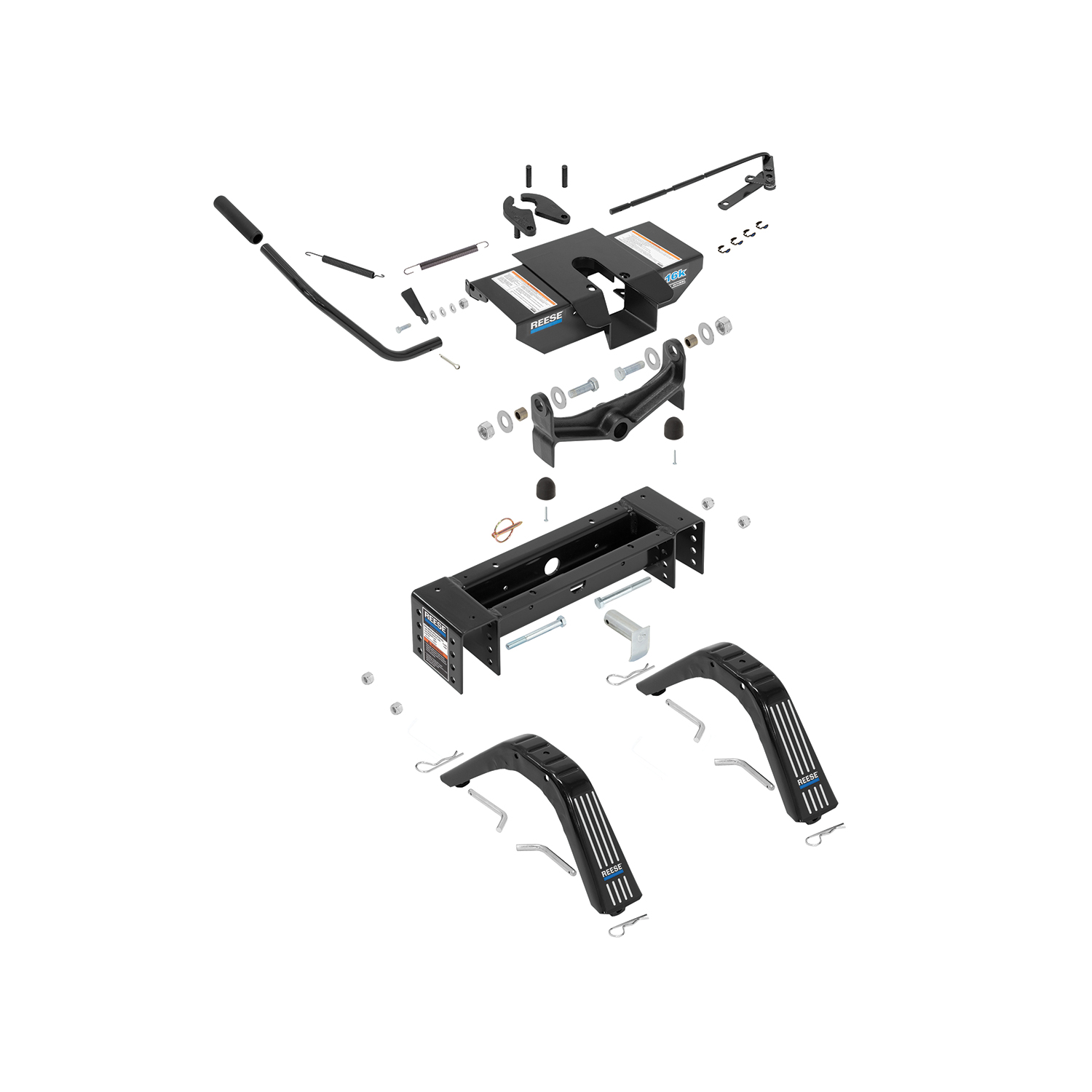
The hitch assembly includes: long pull pins (4), spring retaining pins (4), left and right jaws, pins (2), retainer rings (6), actuating handle, latch, 3/8 inch bolt, 3/8 inch flat washer, 3/8 inch lock nut, springs (2), head assembly, head support, side brackets (2), pivot beam, pivot pin, klik-pin, 1/2-13 x 4.5 inch bolts (4), 1/2 inch lock nuts (4), cotter pin, tubular handle, handle grip, and rubber stoppers (2). The base rail kit (Part #30035) is sold separately and includes additional brackets, spacers, carriage bolts, knurled bolts, nuts, washers, and base rails.
Install the rubber stoppers (Part #42) onto the head support (Part #27) using #8 machine screws and #8 nuts. Install one stopper on the right side of the head support and one on the left side.
Install the outer tubular handle (Part #35) over the solid inner handle (Part #17) and pin them together with a cotter pin (Part #34). Bend the cotter pin to hold it in place. Check that the latch bolt (Part #19) is snug but do not over-tighten; the latch (Part #18) must be able to move with firm hand effort. Check that all snap rings (Part #16) are in place.
Place the head assembly (Part #26) into the head support (Part #27) and secure it with the pivot pin (Part #30). Insert the klik-pin (Part #31) into the pivot pin.
Place the two base rails (Part #25) across the truck bed. Select one leg (Part #28) and place its tabs through the middle rectangular slot in the base rails. Slip the long pull pins (Part #11) through holes in the base rails from the inside out so the cotter pins are on the outside of the base rails. Repeat for the other leg. Secure the pull pins with spring retaining pins (Part #12).
Lubricate the yokes (Part #37) in the head support with heavy oil.
Whenever possible, avoid putting your body under the trailer or between the truck and trailer. If you must place any part of your body under the trailer or between the truck and trailer, all of the following conditions must be met: all trailer tires must be blocked in front and behind each tire, the trailer landing gear must be resting on firm ground, and the truck must be stationary, in park, with the emergency brake on.
If the handle does not pull out during unhitching, there is probably pressure against the jaws. To relieve this pressure, back the truck slightly and reset the truck emergency brake. Then pull the hitch handle out completely until it latches in the open position.
Recheck the tightness of all hardware every 1,000 miles of use. Before each trip, lubricate the skid plate and pivot points, and verify that the handle operates freely and all pull pins and spring retaining pins are in place.
Never remove the hitch warning decals. If a decal is damaged, contact Reese at 1-888-521-0510 or www.reeseprod.com for a free replacement.
The hitch is covered by a Limited Lifetime Warranty from Cequent Performance Products, Inc. The warranty covers material defects in both material and workmanship, ordinary wear and tear excepted, provided that installation and use are in accordance with product instructions. The warranty does not cover normal wear and tear, damage from abuse, neglect, misuse, accidents, misapplication, overloading, improper installation, improper maintenance, or alterations made by anyone other than the manufacturer. Product replacement is the sole remedy. To make a claim, contact Cequent Performance Products, Inc. at 47912 Halyard Dr. Suite 100, Plymouth, MI 48170, or 1-888-521-0510, and provide the model number, purchase receipt, and product.
The hitch is designed for light trucks such as Ford F-Series, Chevy Silverado, and Dodge Ram. Long bed (8 ft) trucks are recommended. Short bed trucks (6–8 ft) may be used with an extended pin box. Do not install on beds shorter than 6 ft.
The hitch is rated for a maximum gross trailer weight of 16,000 pounds, with a maximum king pin weight of 4,000 pounds. Your towing vehicle must have a manufacturer's rated towing capacity equal to or greater than the gross trailer weight.
Yes. Before each trip, lubricate the skid plate with automotive-type chassis grease or a plastic lube plate (not exceeding 3/16 inch thickness and at least 10 inches in diameter), and use engine oil on pivot points. Verify the handle operates freely and all pull pins are in place.
Torque the 1/2 inch nuts on the 1/2-13 x 4.5 inch hex bolts to 75 lb-ft.
Adjust the trailer so the bottom of the pin box is 0.5 to 1 inch below the hitch skid plate. Maintain approximately 6 inches clearance between the pickup walls and the trailer front for pitch and roll.
Yes. With wheels blocked, landing gear on firm ground, and the truck in park with emergency brake on, apply the trailer brakes and try to pull the trailer forward slowly. The truck should not move if the trailer is properly hitched. This test must be completed before removing wheel blocks and raising the landing gear.
Recheck the tightness of all hardware every 1,000 miles of use.
If there is a space between the bottom of the pin box and the top of the hitch, the trailer has not been properly hitched. Do not tow. Repeat the hitching steps until the trailer is properly hitched with no space between these surfaces. This condition indicates the king pin may be resting on top of the skid plate instead of within the hitch jaws, which could cause the trailer to separate.
If the latch is not aligned with the groove in the handle, the trailer has not been properly connected to the hitch. Do not tow. Repeat the hitching steps until the trailer is properly hitched and the latch can be rotated to the closed position in the groove of the handle.
If the hitch jaws will not open and proper hitching cannot occur, the latch is probably in the groove in the handle. Rotate the latch toward the trailer and free it from the groove in the handle. The jaws will not open if the latch is in the handle groove.
On Sale Today
Original price was $710.00. Current price is $596.27.You save $113.73 (16%)
Free Shipping
Ships free on all orders
 Authorized Dealer

FREE ShippingFREE SHIPPING
Estimated delivery Thu, Sep 17 - Sun, Sep 20
Order before 2 PM EST Monday–Friday for same-day processing
Guaranteed safe & secure checkout
Jennifer
The staff was able to quickly assist me with locating the correct product I needed. Shipping was really fast. Item arrived in 2 days. Will be using TowUniverse again!!
May 22, 2023